The Los Angeles Chargers’ promising 2025-26 campaign came to a jarring halt on Sunday afternoon, leaving the franchise at a critical crossroads. Following a stagnant 13-3 loss to the New England Patriots in the AFC Wild Card Weekend, the primary focus has shifted from the field to the coaching staff. Head coach Jim Harbaugh, usually steadfast in his loyalty to his longtime lieutenants, offered a cryptic and sobering assessment regarding the future of offensive coordinator Greg Roman.
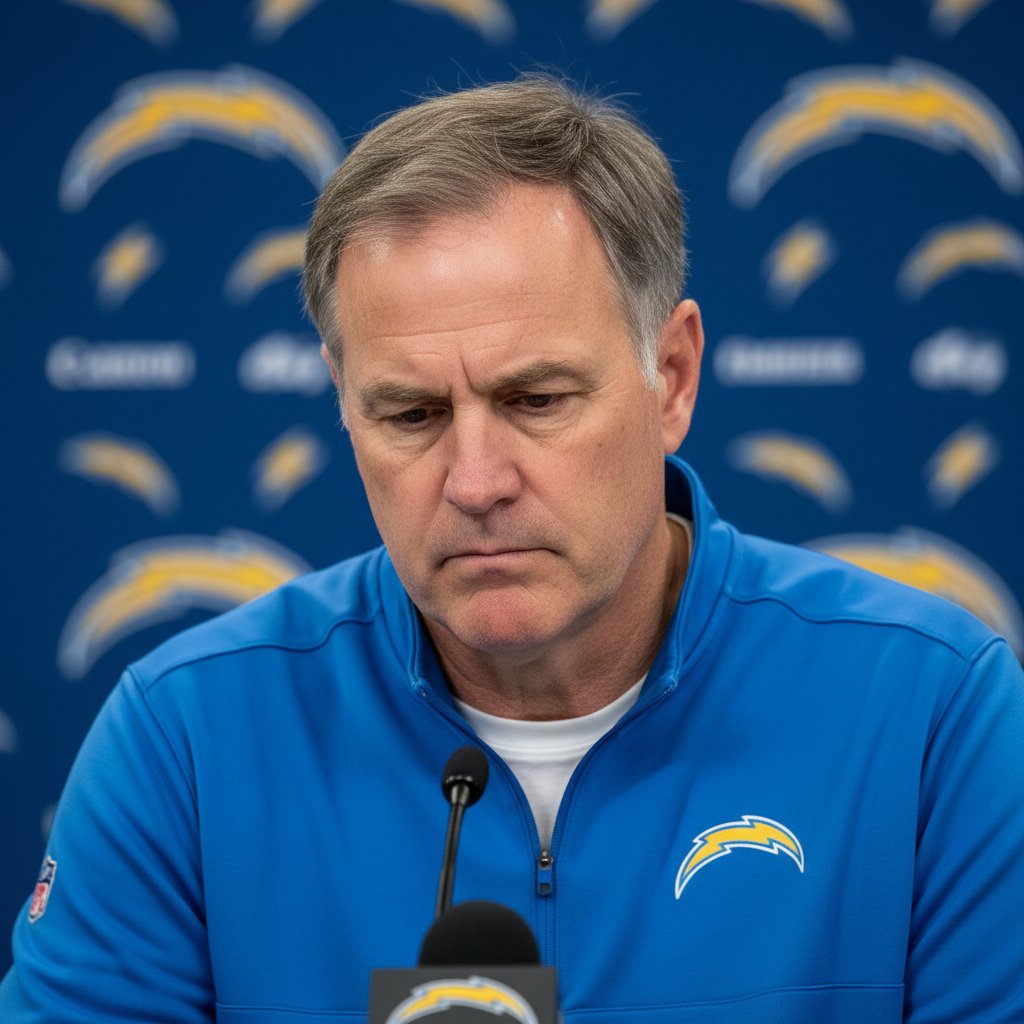
When asked directly during Monday’s season-ending press conference whether Roman remained the right play-caller for an offense led by star quarterback Justin Herbert, Harbaugh’s response was uncharacteristically hesitant. He told reporters gathered at the Hoag Performance Center that he did not have that answer right now, adding that the organization intended to look at every aspect of the operation.
A Stagnant Afternoon in Foxborough
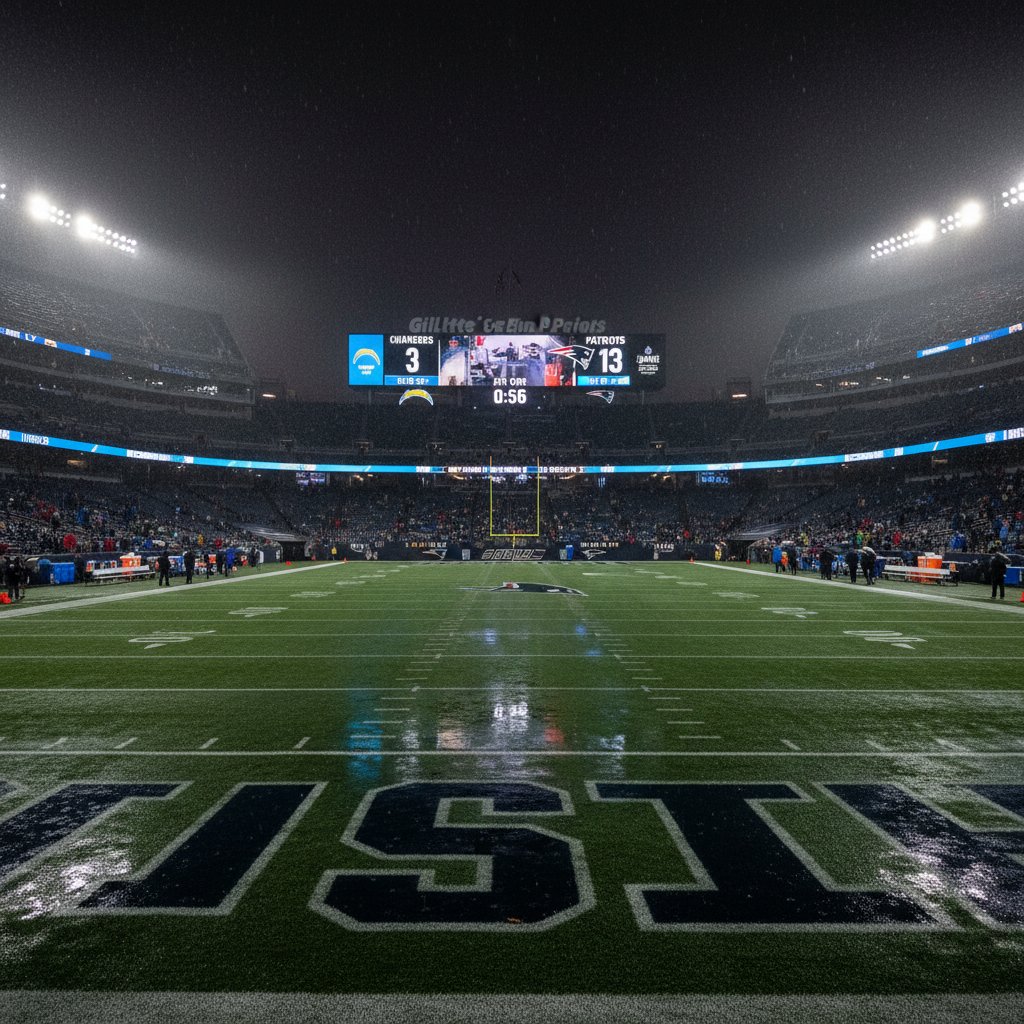
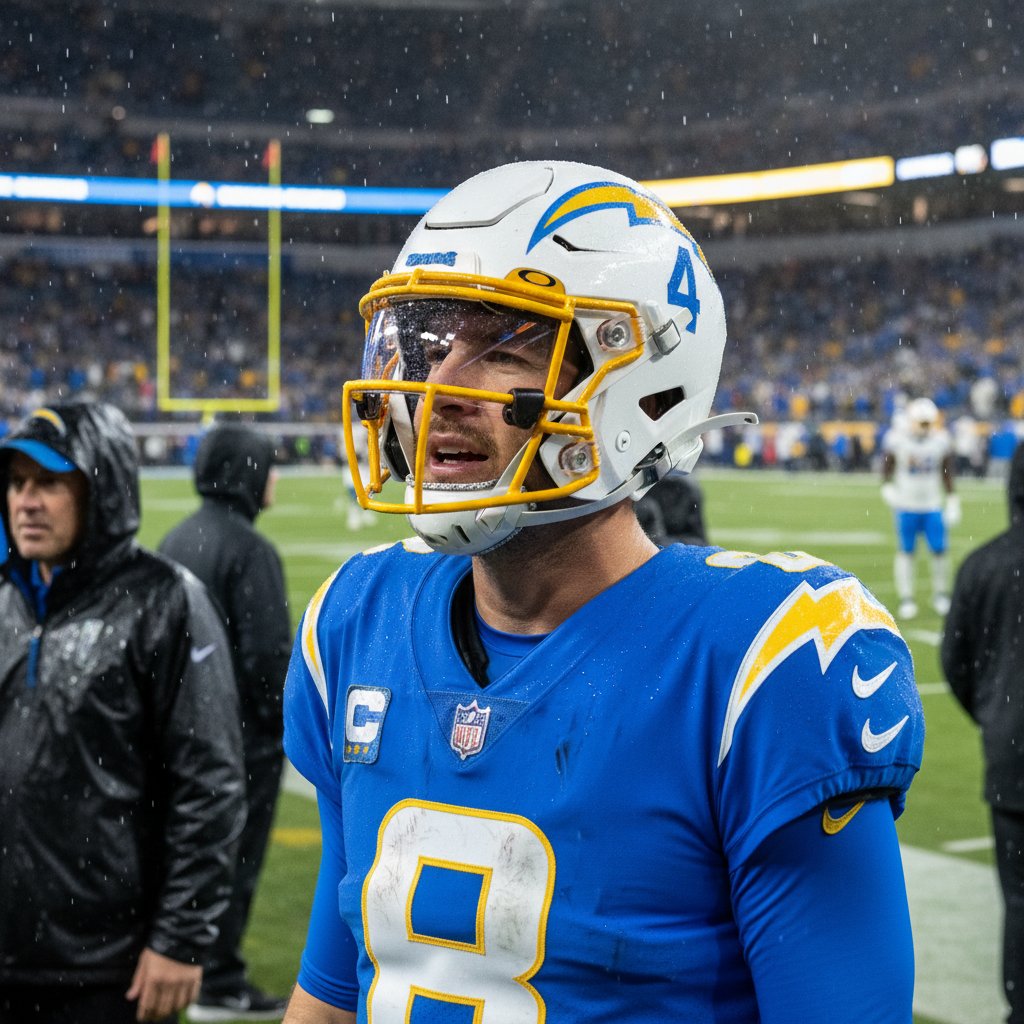
The Chargers entered the postseason with high expectations, but those aspirations withered under the freezing rain of Gillette Stadium. The offense managed a mere field goal, struggling to move the chains against a disciplined Patriots defense. For a unit featuring one of the league’s most gifted passers in Herbert, the lack of explosive plays and a failing run game raised immediate red flags among the fanbase and national media alike.
The statistical reality of the game was stark. Los Angeles converted only two of twelve third-down attempts and failed to reach the red zone a single time throughout the four quarters of play. This performance served as the catalyst for the scrutiny now directed at Greg Roman, who has served as Harbaugh’s offensive architect across multiple stops, including their time with the San Francisco 49ers and at the University of Michigan.
The Philosophy Versus the Personnel
The central tension in the Chargers' offensive identity lies in the balance between Roman’s storied preference for a heavy, run-first scheme and the vertical passing talent of Justin Herbert. Throughout the 2025 season, critics argued that the "Harbaugh-Roman" blueprint—often referred to as "smash-mouth" football—stifled Herbert’s ability to dictate the tempo of the game.
While the Chargers saw success during the regular season, finishing with a 10-7 record, the offense frequently sputtered in high-leverage situations. League analysts have pointed out that the NFL’s current defensive trends, which often utilize two-high safety shells to take away the deep ball, require a level of schematic creativity that Roman struggled to provide on Sunday. The three-point output was the lowest of the Harbaugh era in Los Angeles, prompting many to wonder if the traditionalist approach has reached its ceiling in the modern AFC.
| Category | Chargers vs. Patriots (Wild Card) | 2025 Regular Season Average |
|---|---|---|
| Total Points | 3 | 24.2 |
| Total Yards | 189 | 345.5 |
| Rushing Yards | 54 | 122.1 |
| Third Down Conv. | 16.6% | 41.2% |
Harbaugh’s Dilemma: Loyalty vs. Evolution
Jim Harbaugh is a coach built on the foundation of loyalty. His coaching circles are notoriously tight, and Roman has been a cornerstone of his success for over a decade. However, the NFL is a results-oriented business, and the window for a championship with a quarterback of Herbert’s caliber is notoriously fickle.
During the press conference, Harbaugh emphasized that the evaluation process would be "thorough and unbiased." He noted that while he respects the work done over the past year, the goal remains a Super Bowl, and any obstacle to that goal must be addressed. This marks a significant shift in tone from earlier in the season when Harbaugh frequently defended Roman against external criticism.
The Road Ahead for the Chargers
The coming weeks will be pivotal for the Chargers' front office. If Harbaugh decides to move on from Roman, the search for a new offensive coordinator will likely focus on candidates who can implement a more modern, pass-oriented system that maximizes Herbert’s arm talent. Names like former offensive masterminds currently in the collegiate ranks or rising stars from the Shanahan-McVay coaching trees are already being floated by league insiders.
If Roman stays, the mandate will be clear: evolve or face the same result next January. For now, the "I don't have that answer" from Harbaugh remains the quote heard around the league, signaling that no one’s job—not even a trusted confidant’s—is safe after such a high-profile failure.
Understanding the "Roman System"
To understand why the Chargers struggled, one must understand the Greg Roman system. Known for elaborate blocking schemes and heavy personnel (multiple tight ends), it is designed to wear down defenses physically. While effective in the regular season, it can become predictable in the playoffs when elite defenses have two weeks to prepare.
The "answer" Harbaugh is looking for likely involves whether this system can truly coexist with a $250 million quarterback who thrives in the "empty" set and quick-game concepts. As the Chargers enter the offseason, the silence regarding Roman’s job security speaks louder than any mid-season endorsement ever could.