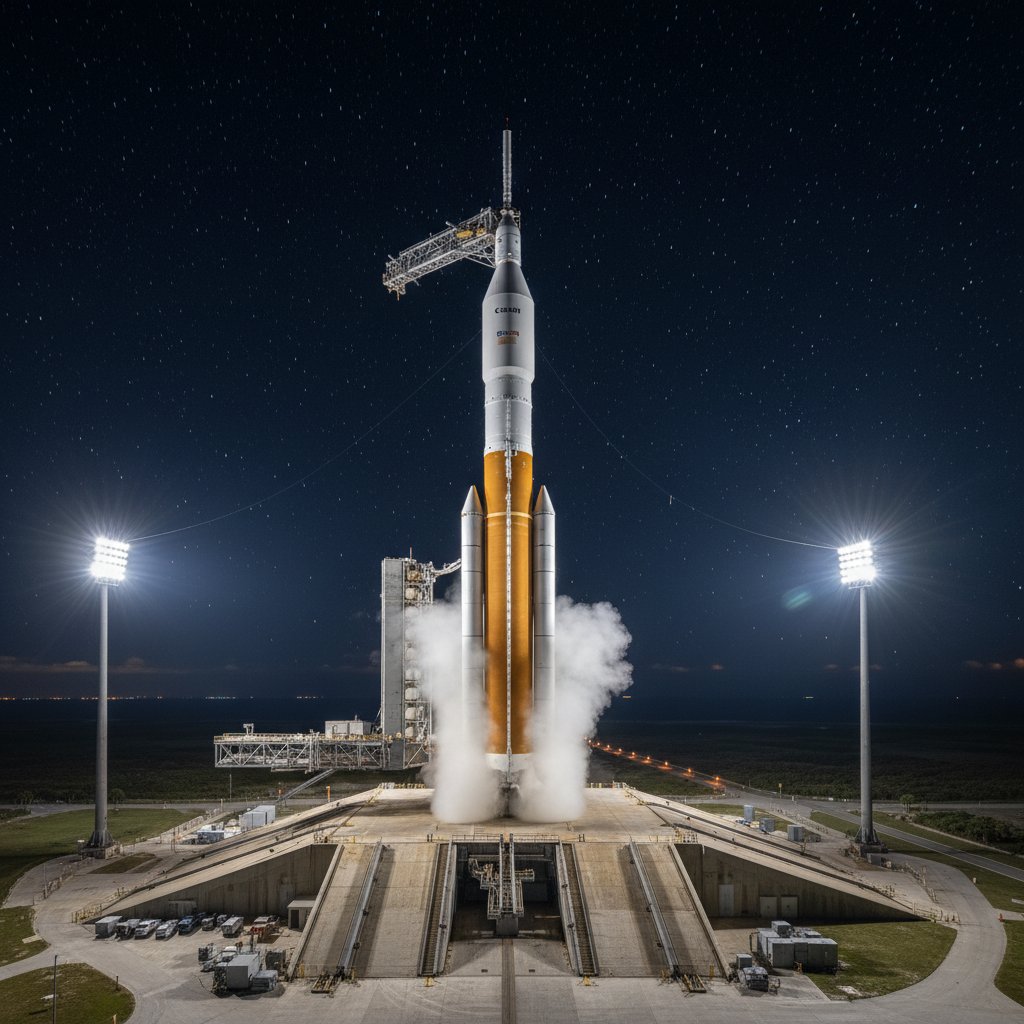
CAPE CANAVERAL — NASA ground teams successfully concluded the comprehensive "wet dress rehearsal" (WDR) of the Space Launch System (SLS) rocket this past weekend, marking the final major terrestrial milestone before the historic Artemis 2 mission. The test, which involves a full-scale countdown and the loading of cryogenic propellants, is the last hurdle standing between the four-person crew and their journey to the lunar vicinity.
The operation began in the late hours of Saturday, January 31, as engineers at the Kennedy Space Center (KSC) took their stations at Launch Pad 39B. Over the course of the next 48 hours, the 322-foot-tall SLS rocket was subjected to the same rigorous protocols it will face on launch day, ensuring that both the hardware and the ground support systems are prepared for the first crewed mission of the Artemis program.
Mastering the 'Wet Dress' Challenge
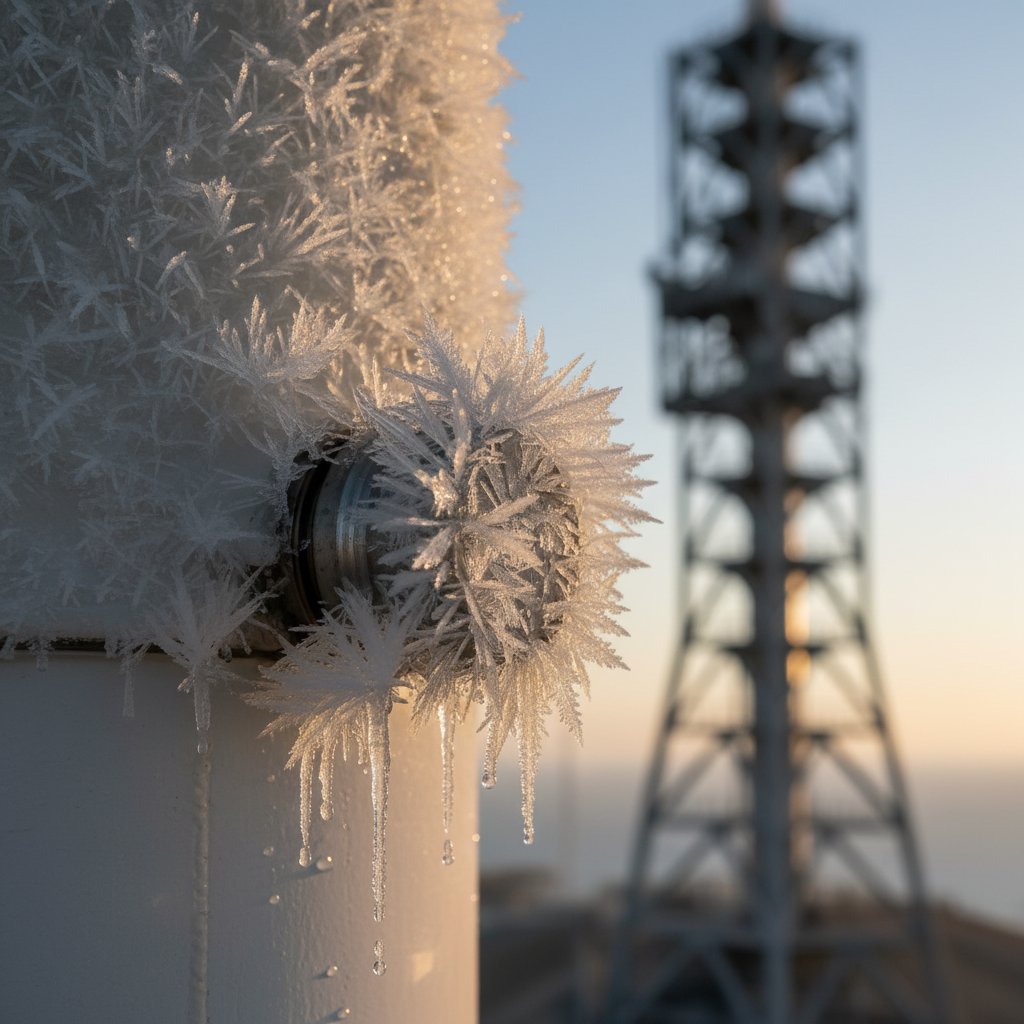
A wet dress rehearsal is often considered the most complex phase of pre-launch testing. It requires the loading of more than 700,000 gallons of super-cooled liquid oxygen and liquid hydrogen into the rocket's core and upper stages. These propellants must be handled at temperatures as low as minus 423 degrees Fahrenheit, presenting significant thermal management challenges for the ground equipment.
According to NASA officials, the primary objective of the January 31 test was to demonstrate the ability to "scrub" or hold the countdown at T-minus 10 seconds. This capability is vital for mission safety, allowing teams to halt the launch sequence in the event of a technical anomaly moments before ignition.
"This test is about finding the limits of our systems before we put lives on the line," said a NASA spokesperson during a briefing at the Press Site. "By successfully cycling the propellants and running the countdown to the brink of ignition, we have confirmed that the SLS is ready to support our crew."
The Crew of Artemis 2
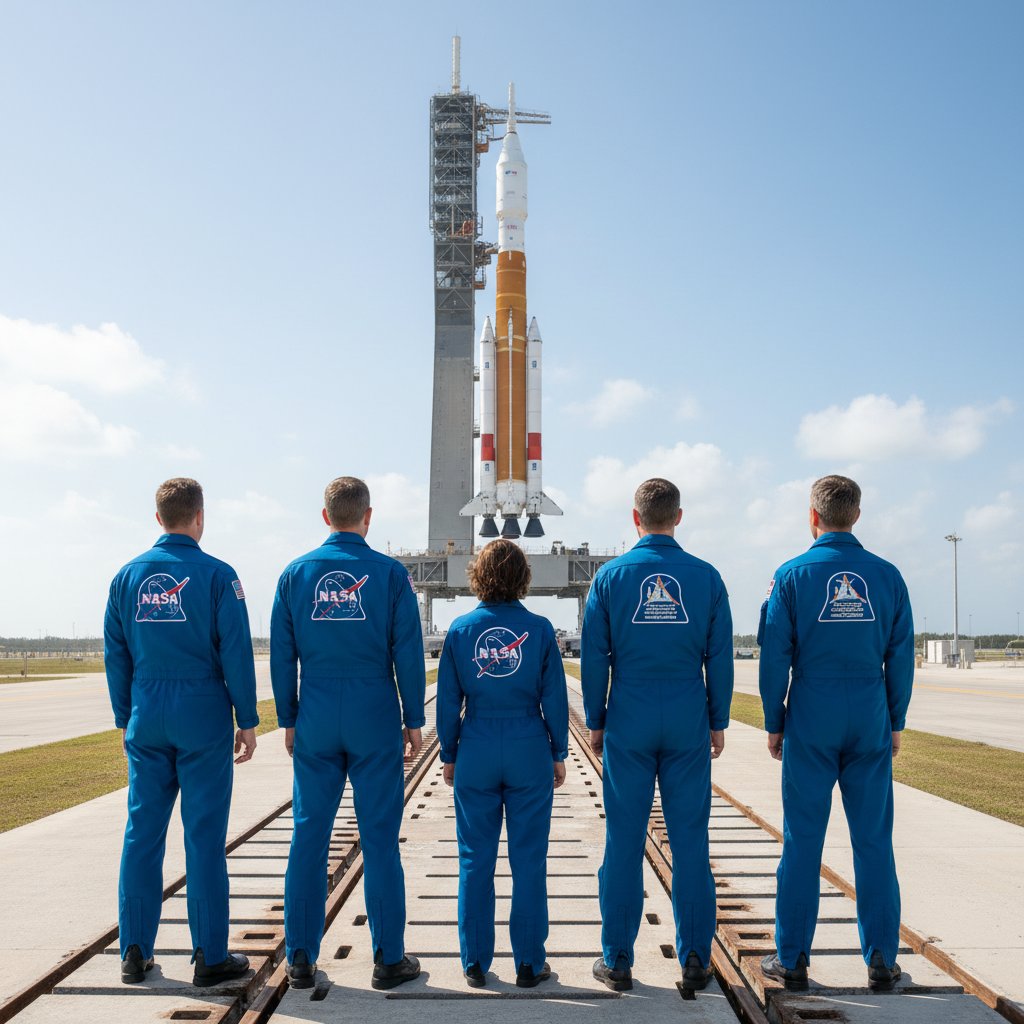
Unlike the uncrewed Artemis 1 mission in late 2022, Artemis 2 will carry four astronauts: Commander Reid Wiseman, Pilot Victor Glover, and Mission Specialists Christina Koch and Jeremy Hansen. Their 10-day mission will involve a "free-return trajectory" around the Moon, testing the life-support systems of the Orion spacecraft in deep space.
While the astronauts were not inside the capsule for this specific fueling test—standard protocol to minimize risk during hazardous propellant loading—they were present at KSC to observe ground operations. The data gathered over the last 48 hours will be analyzed to refine the crew's boarding timeline for the actual launch day.
Technical Challenges and Resolutions
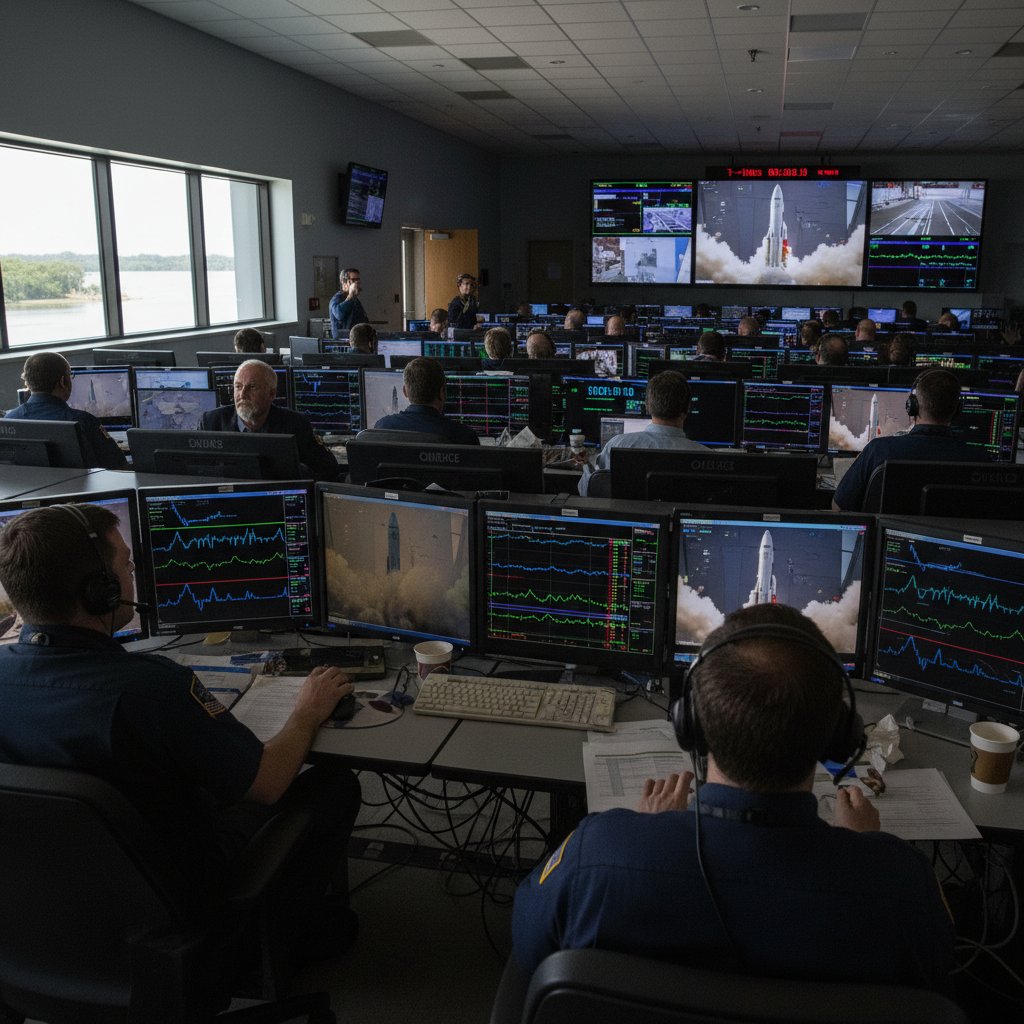
The rehearsal was not without its minor setbacks, a common occurrence in complex aerospace testing. Sources within the Launch Control Center indicated that teams initially monitored a minor pressure fluctuation in the liquid hydrogen bleed line. However, after a brief "hold" in the countdown, the issue was determined to be within acceptable parameters, and the test proceeded.
The success of this WDR is a significant relief for NASA, which faced numerous delays during the Artemis 1 rehearsal phases in 2022 due to persistent hydrogen leaks. The hardware improvements and seal redesigns implemented over the last three years appear to have performed as intended.
Comparison of SLS Launch Preparation Phases
| Phase | Primary Objective | Status | | :--- | :--- | :--- | | Stacking | Integration of Core Stage and Boosters | Completed | | Rollout | Transport to Launch Pad 39B | Completed | | Wet Dress Rehearsal | Full Fueling and Countdown Simulation | Completed (Feb 2026) | | Launch Readiness Review | Final Management Approval | Pending | | Launch Day | Trans-lunar Injection | Targeted Q2 2026 |
The Path to the Moon
With the wet dress rehearsal complete, NASA will now move into the final "detanking" phase, where the propellants are drained back into the storage spheres. The SLS rocket will eventually be rolled back to the Vehicle Assembly Building (VAB) for final inspections and the installation of the flight termination system (FTS) batteries.
The Artemis 2 mission serves as the critical precursor to Artemis 3, which aims to land the first woman and first person of color on the lunar surface. By verifying the SLS and Orion systems with a human crew in the loop, NASA is re-establishing the capability for deep-space exploration that has been dormant since the conclusion of the Apollo program in 1972.
"We aren't just going back to the Moon; we are learning to live and work there," NASA Administrator Bill Nelson stated in a recent address. "The success we saw this weekend at Pad 39B is a testament to the thousands of people who have dedicated their careers to this return to the stars."
The official launch date for Artemis 2 is expected to be announced following a thorough review of the WDR data, with current projections pointing toward a launch window in late spring.