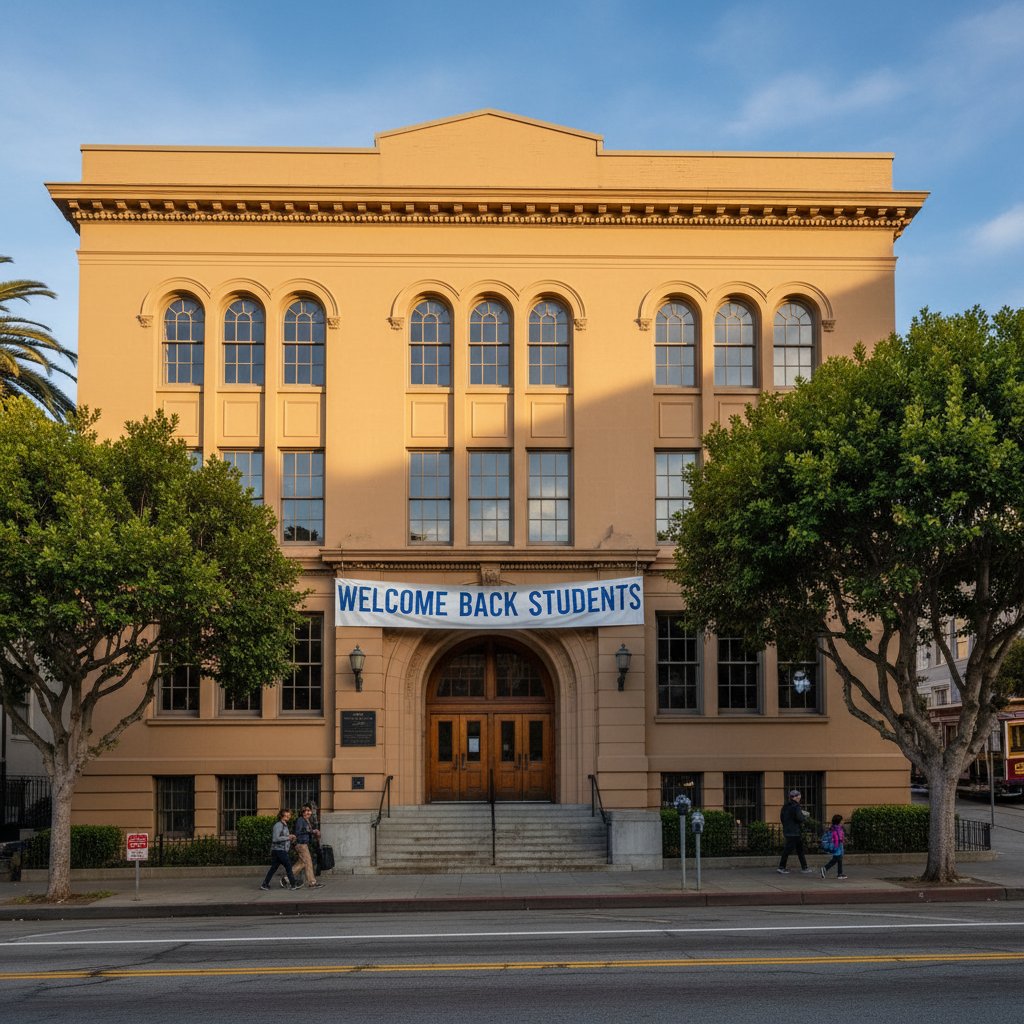
The labor standoff that effectively paralyzed the San Francisco Unified School District (SFUSD) has come to an end. Late Friday evening, negotiators for the district and the United Educators of San Francisco (UESF) announced a tentative agreement, signaling a return to the classroom for more than 50,000 students across the city.
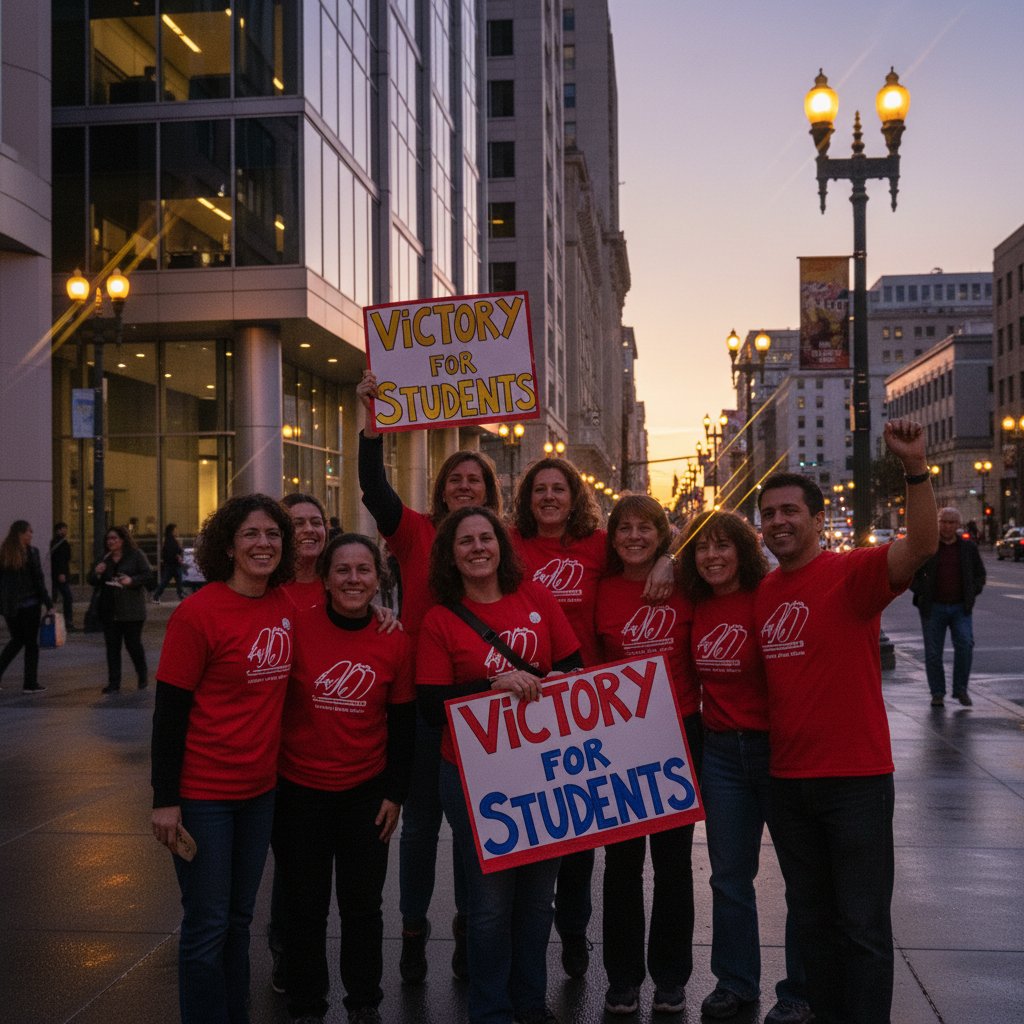
The deal concludes a week of walkouts that saw thousands of educators swap their whiteboards for picket signs. While the specific terms of the agreement are still being finalized for a full union vote, early reports indicate significant concessions from the district regarding salary increases and classroom support staffing.
Breaking the Deadlock
The resolution comes after forty-eight hours of marathon bargaining sessions held at the district's headquarters. The primary sticking points throughout the conflict were a demand for a double-digit percentage pay increase to combat the city’s skyrocketing cost of living and a guarantee of mental health resources for students.
Under the new terms, teachers are expected to see a cumulative 12% salary increase over the next two years. Furthermore, the district has committed to a "stability fund" intended to prevent future layoffs in special education and counseling departments. For many educators, this strike was less about the paycheck and more about the long-term viability of teaching as a profession in one of the most expensive regions in the world.
Impact on Families and the Community
The strike's conclusion brings immediate relief to San Francisco parents who have struggled to find childcare and alternative learning arrangements. Throughout the past week, city recreation centers and local libraries were converted into makeshift hubs for students, but these facilities were often stretched beyond their capacity.
"This has been an incredibly difficult week for our families," said Superintendent Matt Wayne during a late-night press briefing. "We are relieved to reach an agreement that respects our educators' vital work while ensuring the fiscal health of our district. Our focus now shifts to welcoming our students back into a stable, supportive environment."
However, the strike has highlighted deep-seated frustrations within the community. While many parents stood on the picket lines in solidarity with teachers, others expressed concern over the loss of instructional time, particularly for students still recovering from pandemic-era learning gaps.
Terms of the Tentative Agreement
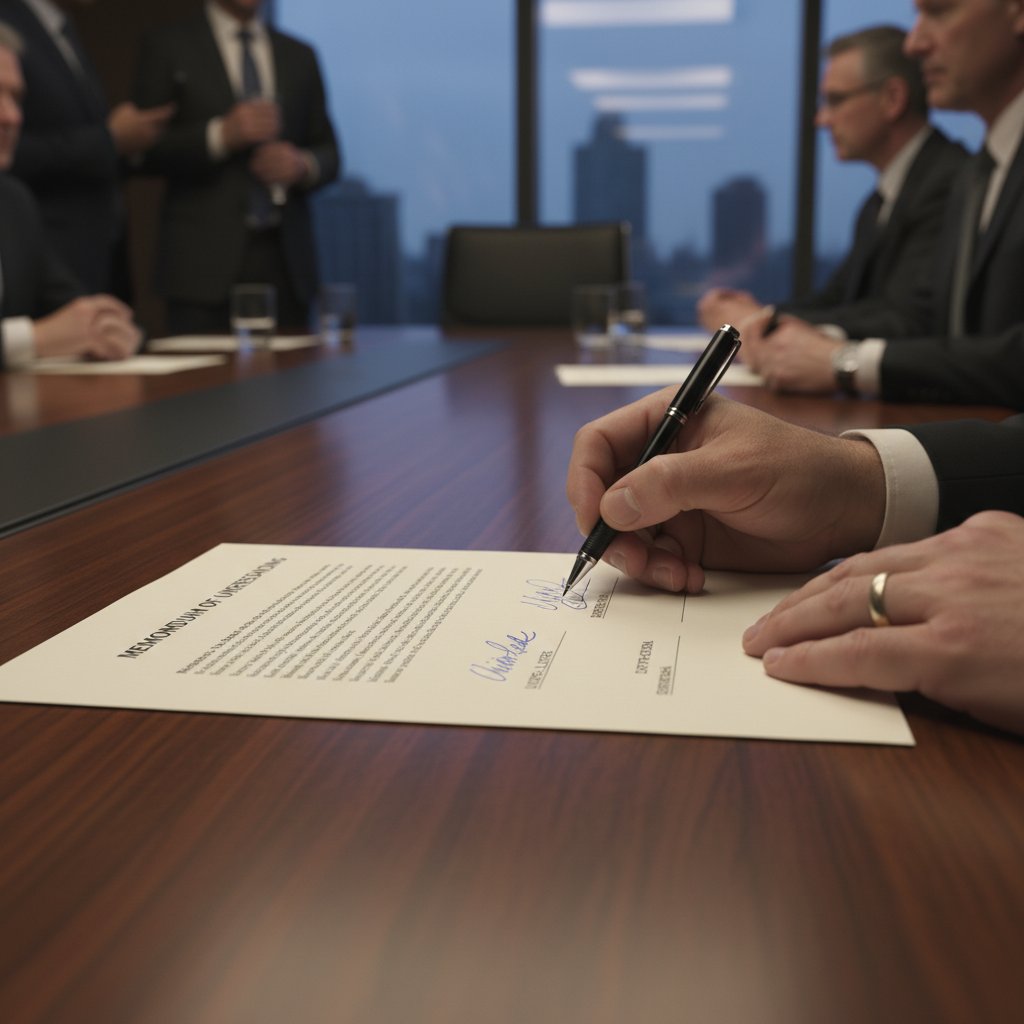
The following table summarizes the key components of the deal as reported by union representatives and district officials:
| Category | Previous Offer | Tentative Agreement |
|---|---|---|
| Salary Increase | 6% over two years | 12.5% over two years |
| Class Size Caps | Current levels maintained | Reduced caps for K-3 and Special Ed |
| Mental Health Support | Status quo | Mandatory 1 counselor per 400 students |
| Retiree Benefits | Capped contributions | Restored inflation adjustments |
A Broader National Trend
The San Francisco strike is not an isolated incident. It reflects a growing wave of labor activism within the American education sector. From Chicago to Los Angeles, teachers' unions have become increasingly assertive, citing burnout, underfunding, and the "untenable" cost of living in urban centers as primary motivators for collective action.
Labor experts suggest that the success of the UESF in securing these concessions may embolden other unions in the Bay Area and beyond. The "San Francisco Model"—linking teacher pay directly to local housing indices—is being watched closely by policy analysts as a potential template for other high-cost metropolitan districts.
The Path Forward
The tentative agreement now moves to a ratification vote by the union’s membership, which is expected to take place early this week. If approved, as most insiders expect, the contract will be formally adopted by the Board of Education.
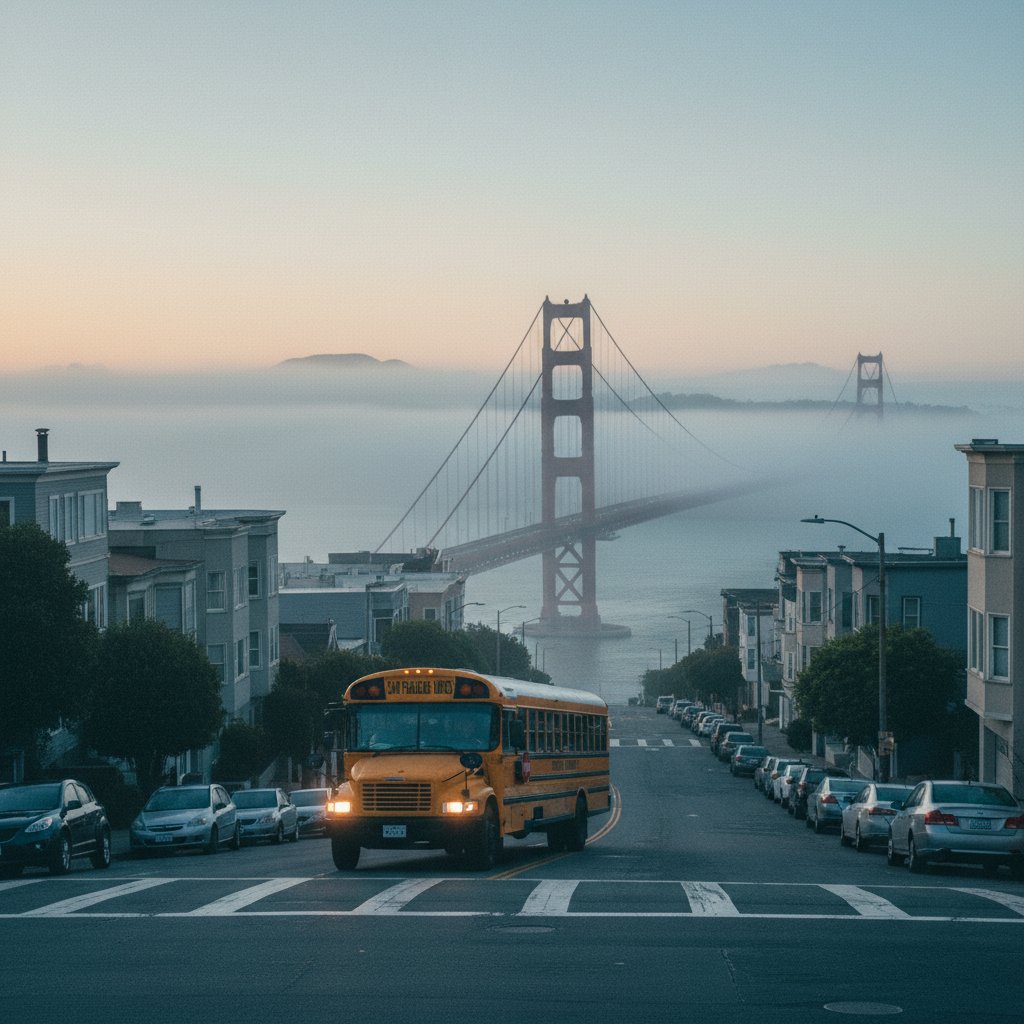
For now, the school buses are being readied, and classrooms are being reopened. While the physical picket lines have been dismantled, the dialogue surrounding the value of educators and the cost of public education in California is likely to continue for months to come.
FAQ: What Happens Next?
When do classes resume? Schools are expected to reopen on a standard schedule starting Monday morning, February 16.
Will students have to make up the lost days? The district is currently reviewing the state’s instructional hour requirements. It is possible that several days may be added to the end of the school year in June or taken from the upcoming spring break.
Is the deal permanent? The deal is "tentative" until the UESF membership votes to ratify it. Once ratified, it will become a binding multi-year contract.