WASHINGTON – The Trump administration has ordered the immediate termination of hundreds of millions of dollars in federal funding for research projects developing mRNA vaccines and therapies, a decision that public health experts and scientists warn could dismantle a cornerstone of America's biodefense strategy and leave the nation vulnerable to future pandemics.
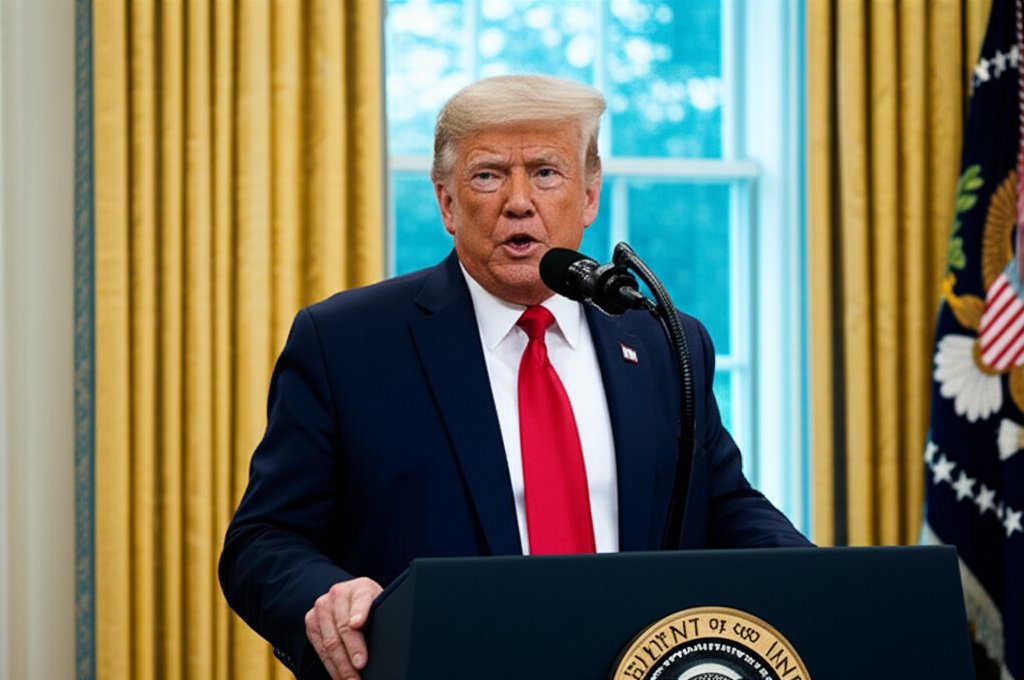
The move, confirmed by officials at the Department of Health and Human Services (HHS) on Wednesday, is seen as a direct consequence of the influence of Robert F. Kennedy Jr., who was appointed by President Trump to co-chair a presidential commission on vaccine safety and scientific integrity earlier this year.
According to a report first published by The Washington Post, the directive will affect a wide range of government-backed initiatives, from early-stage academic research into novel mRNA applications to late-stage public-private partnerships aimed at preparing for "Disease X"—a hypothetical future pathogen with pandemic potential.
A Reversal of Pandemic-Era Policy
The decision marks a dramatic reversal of the strategy embraced during the COVID-19 pandemic. The rapid development of COVID-19 vaccines by Pfizer-BioNTech and Moderna was made possible by decades of prior government-funded research into messenger RNA (mRNA) platform technology. This technology allows for the rapid design and scaled manufacturing of vaccines by providing genetic instructions to the body to recognize and fight a virus.

Proponents of the technology have hailed it as a revolution in vaccinology, enabling a response to new viral threats in months rather than years. The now-terminated funding was intended to build on that success, creating a permanent, ready-to-deploy infrastructure to combat future health crises.
In a statement, an HHS spokesperson defended the administration's decision, stating that the move was part of a "fiscally responsible realignment of public health priorities" and a commitment to "thoroughly re-evaluating the safety and efficacy of all vaccine technologies." This language echoes the long-standing public skepticism of RFK Jr. regarding the safety of mRNA vaccines, despite broad consensus in the global scientific community supporting their safety profile.
Scientific Community Warns of "Catastrophic" Consequences
The backlash from the scientific and medical communities was swift and severe. Leading virologists, immunologists, and biodefense experts have condemned the decision as shortsighted and scientifically unfounded.
"This is a catastrophic and self-inflicted wound to our national security," said a former senior official at the National Institutes of Health (NIH) who spoke on the condition of anonymity because they were not authorized to comment publicly. "We are effectively dismantling the very warning system and fire department we built after the inferno of COVID-19. Other nations, particularly China, will not be pausing their research."
Critics argue that halting these projects not only jeopardizes public health but also cedes American leadership in biotechnology and pharmaceutical innovation. They point out that mRNA technology holds promise for treating not just infectious diseases but also cancers and genetic disorders.
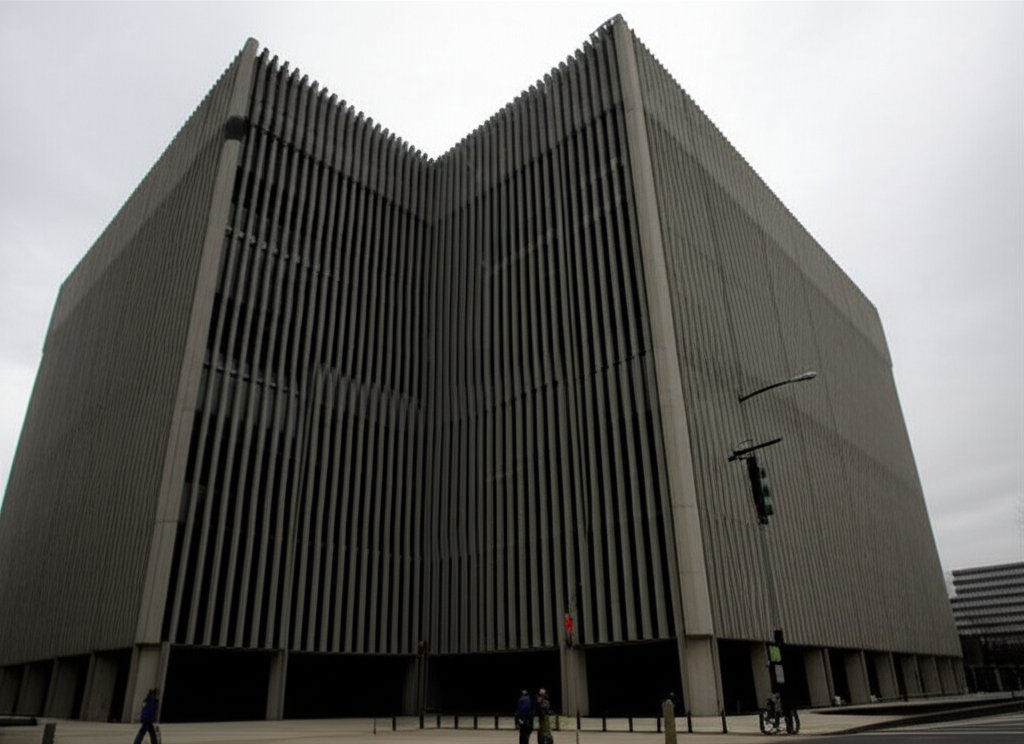
The Biomedical Advanced Research and Development Authority (BARDA), the HHS agency responsible for procuring and developing medical countermeasures, is expected to be among the most affected. The agency had multiple active contracts with universities and biotech firms to develop next-generation mRNA vaccines that could be stored at room temperature or administered via a nasal spray, simplifying logistics for a future pandemic response.
The Political Context
The funding cut is the most significant policy action to emerge from the vaccine safety commission co-chaired by Kennedy. Since its inception, the panel has been criticized by mainstream scientists for amplifying debunked theories about vaccine injuries and for its adversarial stance toward federal health agencies like the Centers for Disease Control and Prevention (CDC) and the Food and Drug Administration (FDA).
For now, ongoing research at universities and private companies is in jeopardy as principal investigators scramble to learn if their federal grants will be revoked. The long-term consequences remain uncertain, but experts agree that this policy shift risks eroding the nation's readiness for the inevitable next pandemic, potentially at a tremendous human and economic cost.