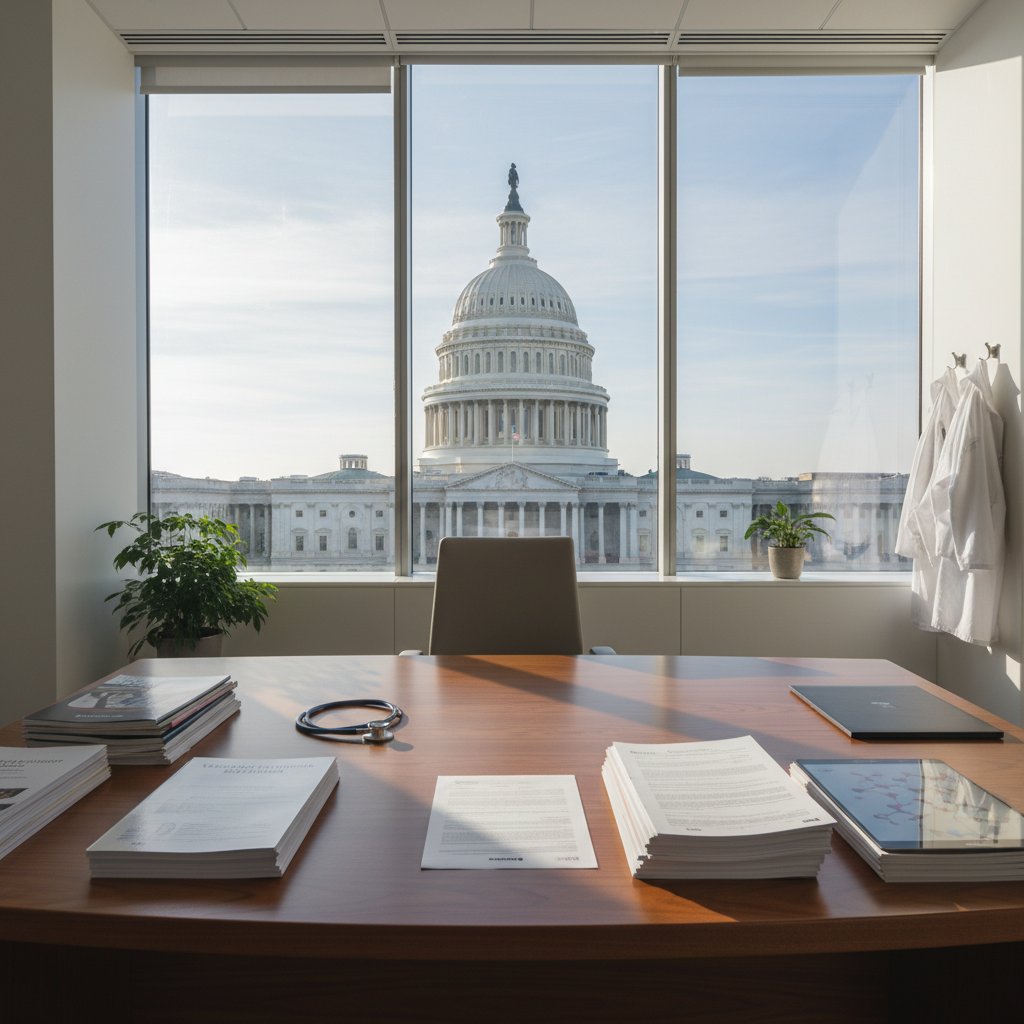
The United States government has confirmed it will proceed with a massive clinical trial in Guinea-Bissau to study the timing of Hepatitis B vaccine doses in infants. The decision, reported late Saturday, comes despite a mounting wave of criticism from international bioethicists and public health experts who argue the study could put thousands of children at unnecessary risk.
The trial, which is set to involve approximately 14,000 infants in the West African nation, aims to examine the "non-specific effects" of the Hepatitis B vaccine. Specifically, researchers are investigating whether the timing of the birth dose affects overall child survival and immune system development. While the study’s proponents argue it could revolutionize pediatric care, critics suggest the trial is being driven by a political agenda rather than clinical necessity.
The Scope of the Study
The study is being funded through U.S. health agencies and has been closely linked to the policy shifts initiated by the current administration's health leadership, including those supported by Robert F. Kennedy Jr. The central hypothesis involves comparing infants who receive the Hepatitis B vaccine immediately at birth—the current World Health Organization (WHO) standard—with those whose vaccination might be slightly adjusted.
Researchers at the Bandim Health Project in Guinea-Bissau have long studied how vaccines might have effects beyond protecting against a single disease. However, the scale and the official backing of the U.S. government have turned what was once a niche academic debate into a high-stakes diplomatic and ethical crisis.
Ethical Red Flags and Local Impact
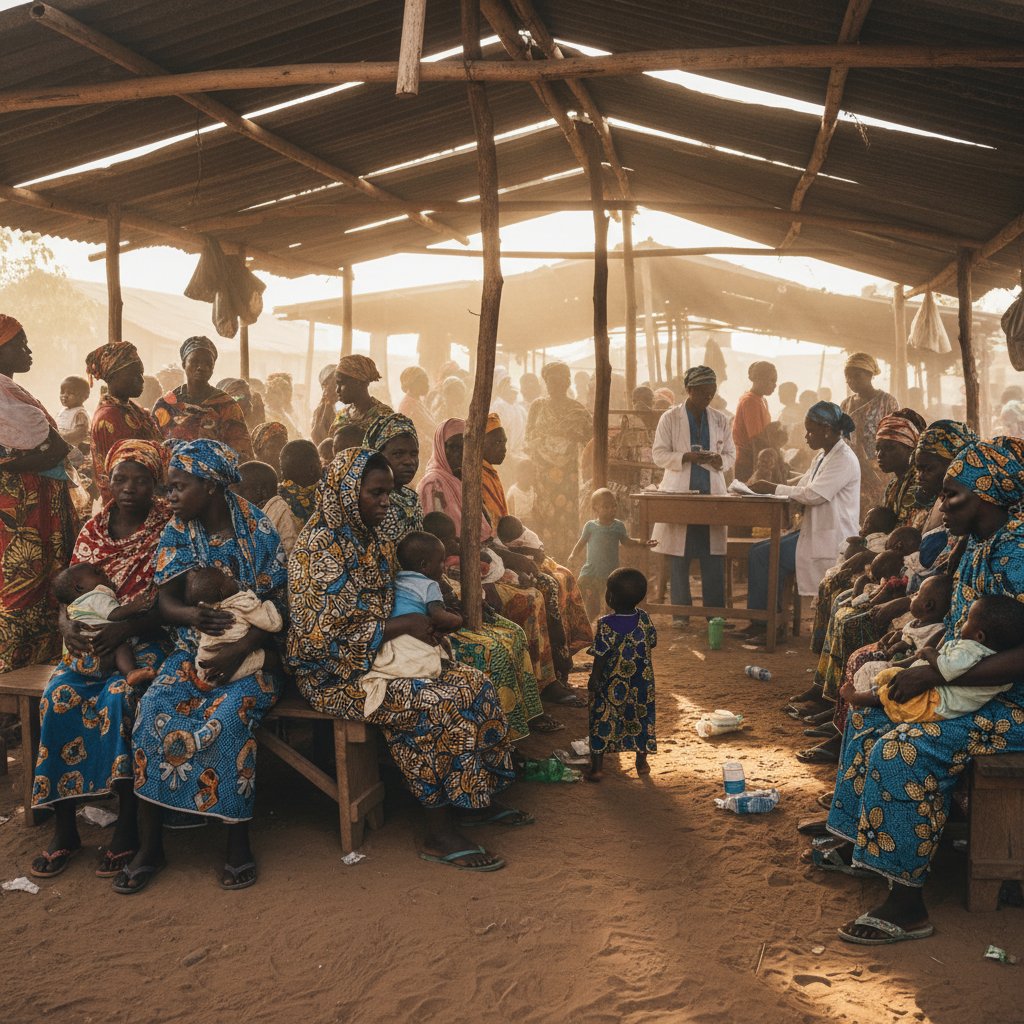
The primary concern raised by the global medical community is the potential for increased mortality. In Guinea-Bissau, Hepatitis B is endemic, and the birth dose is considered a critical intervention to prevent mother-to-child transmission. By altering the schedule for thousands of infants, critics argue the study risks leaving children vulnerable to infection during their most fragile months of life.
“To deviate from established WHO protocols in a high-burden region is ethically fraught,” says Dr. Elena Vance, a senior bioethicist at the Global Health Institute. “There is a significant difference between observational research and an interventional trial that purposefully modifies the timing of a life-saving vaccine in a vulnerable population.”
Furthermore, questions have been raised regarding the process of informed consent. In rural Guinea-Bissau, where literacy rates are low and healthcare access is limited, the ability of parents to fully comprehend the risks of a complex immunological study is being fiercely debated.
A Shift in U.S. Health Policy
The trial’s progression is seen by many as a landmark moment in the "new era" of U.S. public health, characterized by a greater willingness to challenge long-standing medical orthodoxies. Supporters of the study argue that the scientific community has been too slow to investigate the broader impacts of vaccine schedules on the human immune system.
They contend that if the study proves that different timing improves overall survival, it could save millions of lives across the Global South. "We cannot be afraid of the data," said a spokesperson for the administration’s health task force. "This is about ensuring that every intervention we provide is optimized for the best possible health outcomes, not just following a decades-old script."
International Reaction and Next Steps
The reaction from international bodies has been one of cautious alarm. While the WHO has not formally blocked the study—as it lacks the jurisdiction to stop a sovereign agreement between the U.S. and Guinea-Bissau—officials have signaled that they are monitoring the situation closely.
The trial is expected to take several years to complete, with the first phase of enrollment beginning in early February. The data generated will likely be some of the most scrutinized in the history of pediatric medicine.
Key Details of the Guinea-Bissau Study
| Factor | Description |
|---|---|
| Participant Count | Approximately 14,000 infants |
| Location | Bissau and surrounding rural regions, Guinea-Bissau |
| Primary Goal | Evaluate the non-specific health effects of Hepatitis B vaccine timing |
| Standard of Care | WHO-recommended birth dose (within 24 hours) |
| Funding Source | U.S. Federal Health Agencies |
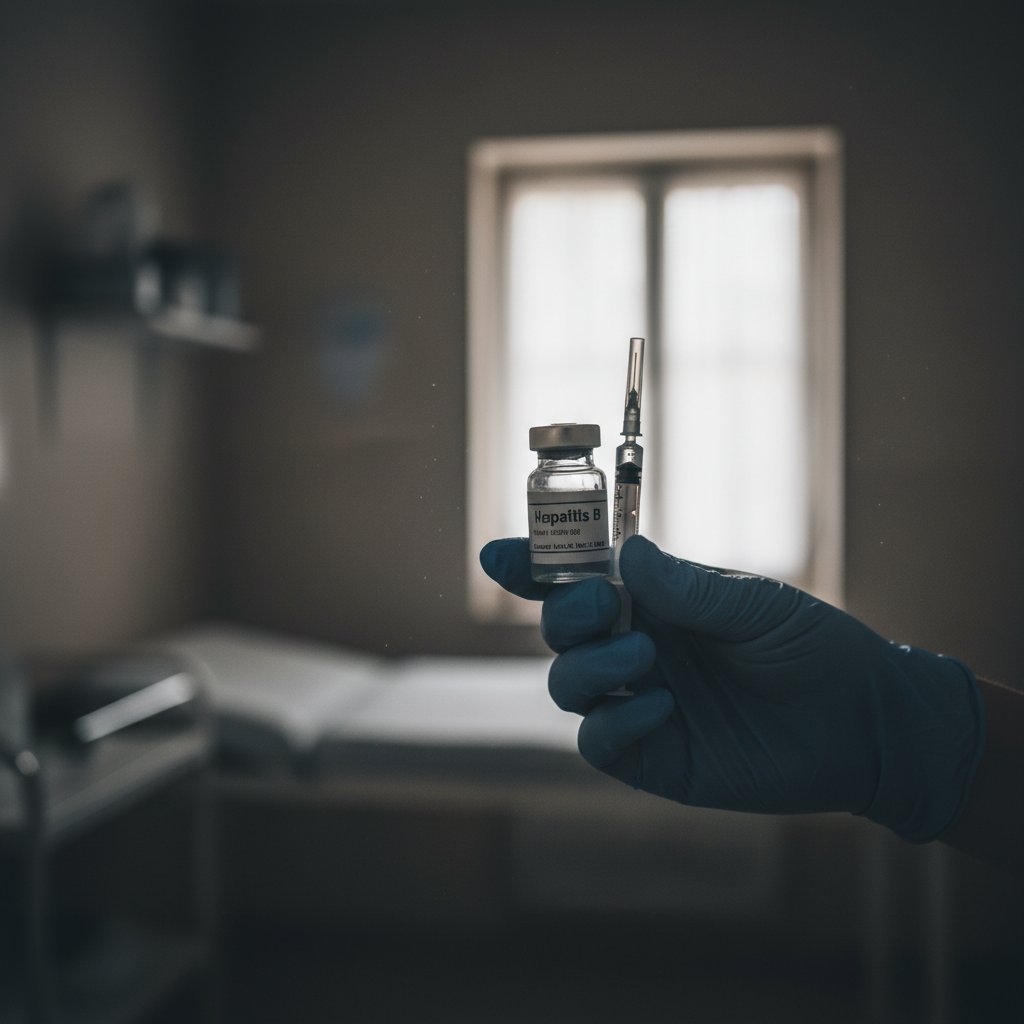
As the first teams of researchers arrive in Bissau, the global health community remains divided. What some see as a bold step toward a deeper understanding of immunology, others view as a dangerous experiment that treats a vulnerable population as a testing ground for fringe theories. For now, the U.S. remains committed to the project, setting the stage for a period of intense observation and potential international friction.