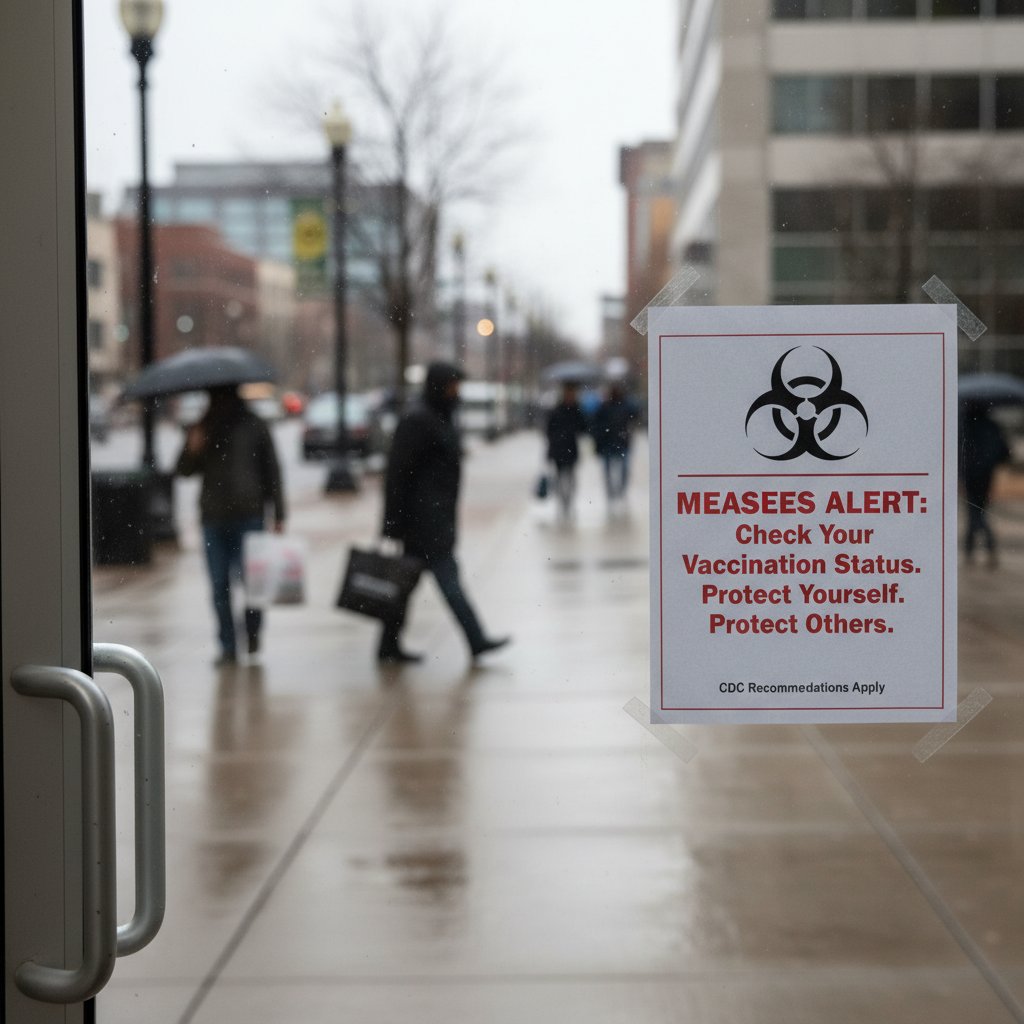
Public health officials are sounding a nationwide alarm as new data reveals that "pockets" of low vaccination across the United States are expanding into significant gaps. This shift has left larger shares of the population vulnerable to preventable diseases, most notably measles, which continues a record-breaking spread across several states as of mid-January 2026.
According to a recent analysis of data from the Centers for Disease Control and Prevention (CDC), the national vaccination coverage for kindergarteners has remained below the federal target of 95% for the fourth consecutive year. What was once a localized issue in specific communities has now broadened, with non-medical exemptions reaching all-time highs in more than 40 states.
A Systemic Weakening of Herd Immunity
The concept of "herd immunity" relies on a high percentage of the population being immune to a disease to prevent its spread to those who cannot be vaccinated. For highly contagious viruses like measles, that threshold is approximately 95%. When coverage dips below this level, the "shield" begins to fray.
Epidemiologists note that the current trend is not merely a matter of a few families opting out. Instead, it represents a systemic shift in how childhood immunizations are perceived. The "holes" in the safety net are no longer isolated to rural enclaves or specific religious groups; they are appearing in affluent suburbs and major metropolitan areas alike.

The Geography of Risk
The geographic distribution of these vaccination gaps is uneven but widening. States such as Idaho, Oregon, and Florida have reported some of the highest rates of non-medical exemptions. However, the most concerning development for health officials is the "clustering" effect.
When unvaccinated individuals cluster in the same schools, daycares, and neighborhoods, the risk of an explosive outbreak increases exponentially. In these environments, a single imported case of measles can lead to dozens of infections within days. Current 2026 data indicates that the number of active measles cases in the U.S. has already surpassed the total seen in the first half of 2025, signaling a volatile year for public health.
The Drivers Behind the Decline
Experts point to a complex confluence of factors driving the decline in uptake. The legacy of the COVID-19 pandemic continues to cast a long shadow, with "vaccine fatigue" and a heightened skepticism of government health mandates influencing parental decisions.
Furthermore, the proliferation of misinformation on social media platforms has outpaced public health messaging. Misleading claims regarding the safety and necessity of the MMR (measles, mumps, and rubella) vaccine have found fertile ground in an increasingly polarized political climate. Some states have also moved to make the exemption process easier, further lowering the barrier for parents to opt out of routine schedules.

The Economic and Human Cost
The consequences of these "vaccine holes" are not just statistical; they are deeply personal and economically burdensome. Measles is not a mild childhood illness; it can lead to severe complications, including pneumonia, encephalitis (brain swelling), and permanent hearing loss.
From a fiscal perspective, managing an outbreak is an immense drain on public resources. Local health departments must divert staff to contact tracing, quarantine enforcement, and emergency vaccination clinics. A single measles case in a low-vaccination pocket can cost a county hundreds of thousands of dollars in containment efforts.
| Metric | 2019 Status | 2026 Current Status (Projected) | | :--- | :--- | :--- | | National MMR Coverage | 94.7% | 92.1% | | States Below 95% Threshold | 20 | 42 | | Annual Measles Cases | 1,282 | 2,100+ | | Non-Medical Exemption Rate | 2.5% | 5.8% |
Looking Ahead: A Call for Re-engagement
Public health advocates argue that the only way to close these gaps is through a renewed commitment to community engagement and transparent communication. This involves working directly with pediatricians—who remain the most trusted sources of health information—to address parental concerns without judgment.
"We are at a crossroads," says Dr. Elena Rodriguez, a senior infectious disease specialist. "We can either allow these holes to continue growing until we face a permanent resurgence of diseases we once conquered, or we can rebuild the trust necessary to protect our children and our communities."
As the winter flu and virus season peaks, the focus remains on whether policy changes at the state level can be implemented in time to stave off further outbreaks. For now, the "shield" remains thin, and the risk continues to rise.