HAMMONTON, NJ – Hammonton Public Schools has stepped forward to unequivocally deny any association with Cheryl Richardson-Wagner, a woman widely identified in viral online rumors as the individual dubbed "Phillies Karen." The district's statement, released this past weekend, aimed to quash persistent speculation regarding her employment status, underscoring the challenges institutions face in the wake of rapid, often unsubstantiated, social media narratives.
The official denial marks a significant development in an ongoing online saga that has seen intense public interest and the rapid spread of unverified information. The incident, which garnered national attention, involves a woman who became the subject of widespread criticism on social media following a contentious interaction at a public event, leading to her being labeled "Phillies Karen" by internet users.
The Viral Identity Crisis: "Phillies Karen" and Online Rumors
The term "Karen" has become internet shorthand for a specific type of entitled or confrontational public behavior, often directed at service workers or perceived authority figures. In this particular instance, a woman's actions at a sporting event were captured and shared widely, igniting a firestorm of online commentary and attempts to identify her.
Following the viral spread of the video, online detectives quickly latched onto the name Cheryl Richardson-Wagner, circulating claims that she was the woman in question and that she was employed by the Hammonton Public School District. These claims rapidly gained traction across various social media platforms, leading to inquiries directed at the school system.

The speed and confidence with which these accusations spread illustrate a recurring pattern in the digital age: a viral incident quickly leads to public shaming, followed by attempts at identification, which can often result in misidentification and severe consequences for uninvolved individuals.
Hammonton Public Schools Issues Definitive Denial
In response to the mounting inquiries and the potential reputational damage stemming from the false association, Hammonton Public Schools issued a clear and concise statement. According to a report by Yahoo Sports published on September 7, 2025, the district explicitly stated that Cheryl Richardson-Wagner "is not and has never been an employee" of the Hammonton Public School District.
The statement aims to put an end to the speculation and protect the district from being inadvertently linked to the viral controversy. It also indirectly serves to clear the name of Ms. Richardson-Wagner from any professional association with the incident, at least as far as the Hammonton schools are concerned. School officials did not elaborate further on the source of the rumors or on Ms. Richardson-Wagner's actual identity or background, focusing solely on refuting the employment claim.
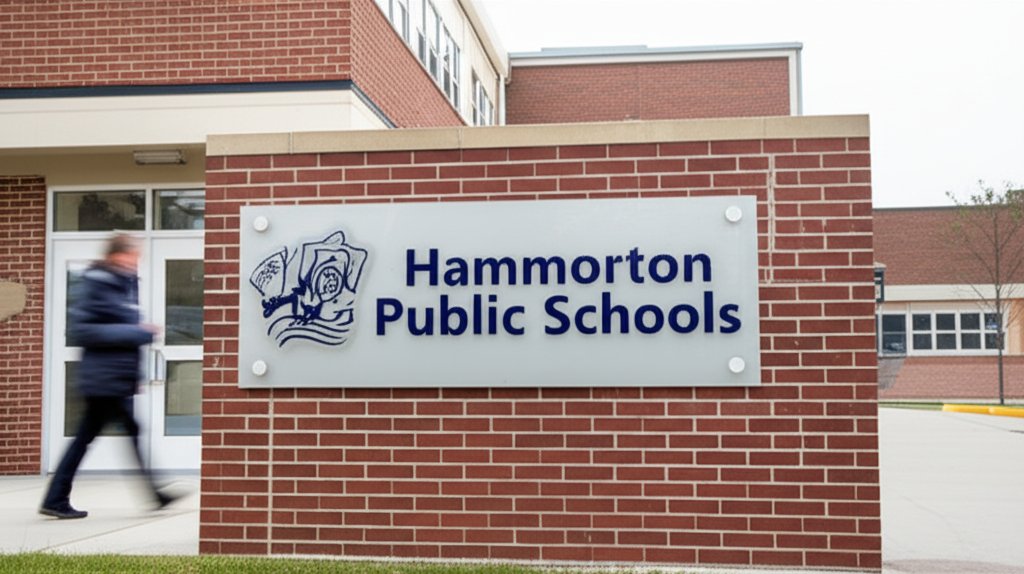
This institutional response highlights the delicate balance public bodies must strike when facing online misinformation. While staying silent can sometimes allow rumors to fester, a public denial can inadvertently amplify a story, yet it is often necessary to safeguard reputation and maintain public trust.
The Broader Implications of Misinformation
The "Phillies Karen" incident and the subsequent misidentification of Cheryl Richardson-Wagner are stark reminders of the perils of online vigilantism and the rapid dissemination of unverified information. In an era where a single video can catapult an individual into global infamy, the line between public discourse and private life often blurs, and the responsibility for accuracy frequently falls by the wayside.
The ease with which individuals can be misidentified, and the difficulty in retracting false information once it has gone viral, poses significant challenges for both individuals and institutions. For the person erroneously identified, the damage to their reputation, personal life, and professional prospects can be severe and long-lasting, even after official denials are issued.

This case underscores the critical need for media literacy and responsible information sharing among the public. It also prompts a discussion on the role of social media platforms in curbing the spread of harmful misinformation and protecting individuals from baseless accusations. As the search for the "real" "Phillies Karen" continues in some online circles, the Hammonton Public Schools' clear statement stands as a testament to the importance of factual verification in an increasingly interconnected and often speculative world.