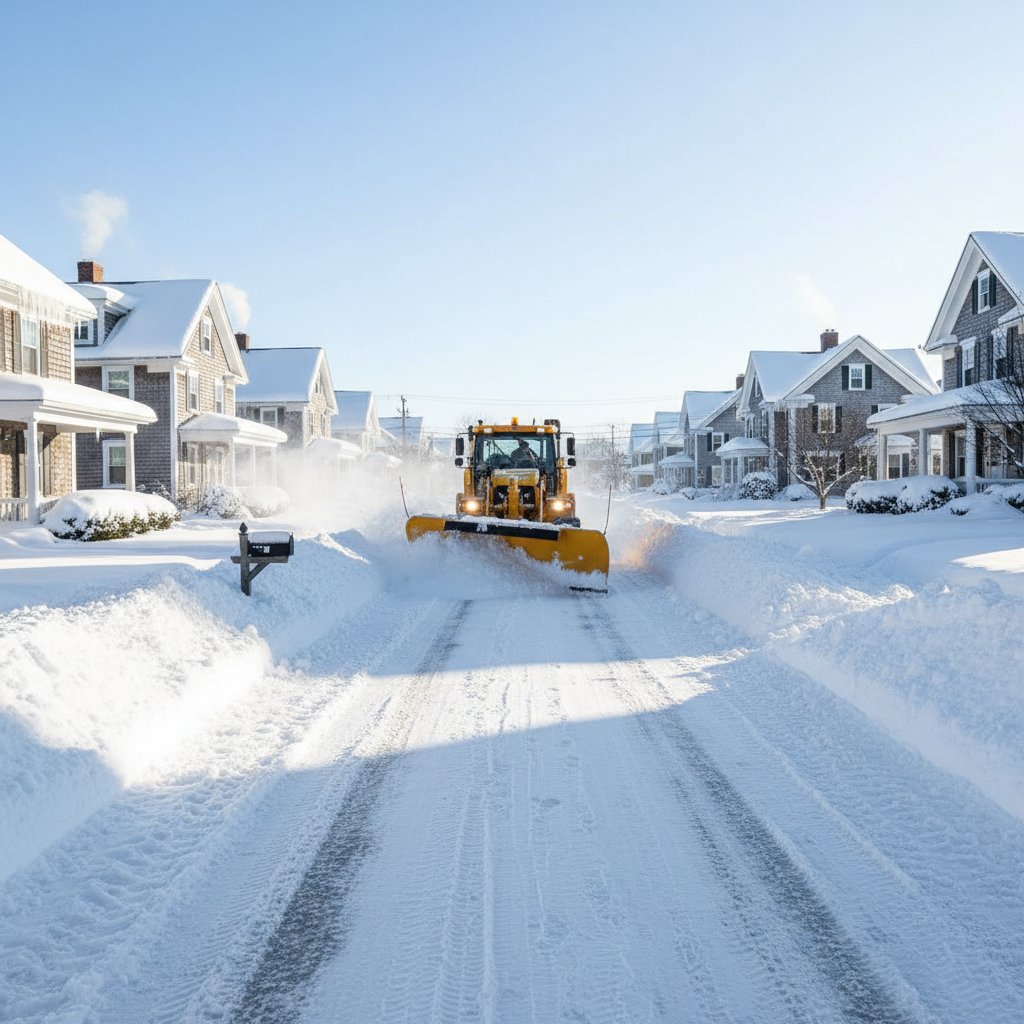
Massachusetts residents began the arduous task of digging out on Thursday following a monumental winter storm that paralyzed the region with nearly three feet of snow. While the immediate emergency phase has shifted toward recovery, state officials continue to urge caution as the sheer volume of snow creates unprecedented logistical challenges for local municipalities.
Governor Maura Healey officially lifted the travel ban for nonessential motor vehicles in four of the hardest-hit counties—Bristol, Plymouth, Barnstable, and Dukes—at noon. The ban had been a critical measure to allow emergency crews and snowplows to operate without interference during the height of the blizzard, which saw visibility drop to near-zero levels across much of the South Shore and Cape Cod.
Despite the lifting of legal restrictions, the Governor’s office and the Massachusetts Department of Transportation (MassDOT) have maintained a steady drumbeat of warnings. Officials emphasize that while the roads are technically open, they are far from safe for standard travel. Narrowed lanes, high snowbanks at intersections, and the lingering threat of black ice remain significant hazards for those returning to the commute.
A Record-Breaking Descent of Snow
The scale of the storm caught even seasoned New Englanders off guard. In some communities within Plymouth County, snowfall totals neared the 36-inch mark, a figure that rivals some of the most significant winter events in the Commonwealth’s history. The rapid rate of snowfall—at times exceeding three inches per hour—overwhelmed even the most robust plowing operations.
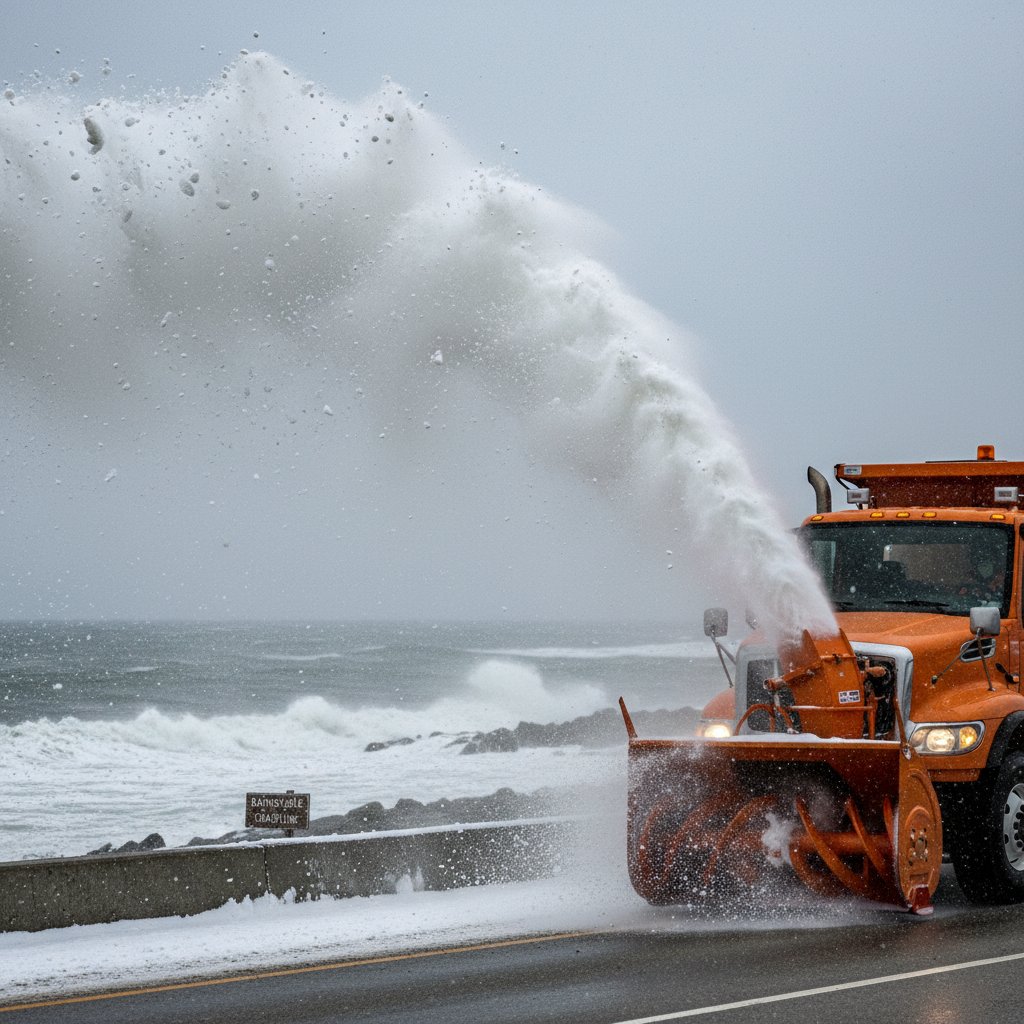
In coastal areas, the heavy, wet nature of the snow was exacerbated by high winds and moderate storm surges. This combination led to localized flooding in Barnstable and Dukes counties, where the weight of the snow contributed to downed power lines and structural concerns for older buildings. Utility crews from across the Northeast have been staged in the region, working around the clock to restore power to thousands of homes that went dark during the peak of the winds.
The Massachusetts Emergency Management Agency (MEMA) reported that while the power grid held up better than expected, the "dig out" phase presents its own set of dangers. Heart attacks from overexertion while shoveling and carbon monoxide poisoning from blocked residential exhaust vents are now the primary concerns for emergency medical services.
Infrastructure and Public Transit Challenges
The lifting of the travel ban does not signal a return to normalcy for the state’s transit infrastructure. The MBTA has reported significant delays across commuter rail lines, particularly those serving the South Shore. Crews are currently engaged in the painstaking process of clearing tracks and inspecting overhead power lines for damage caused by falling limbs.
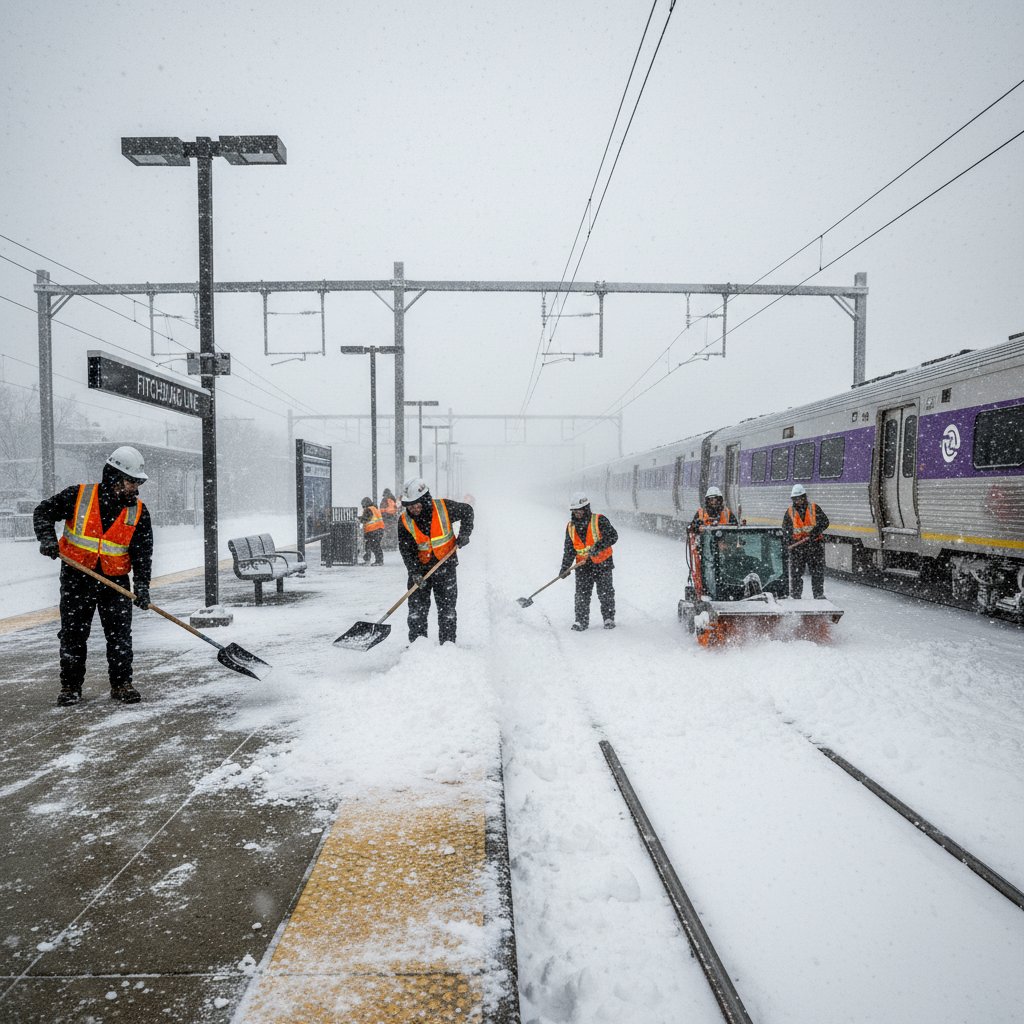
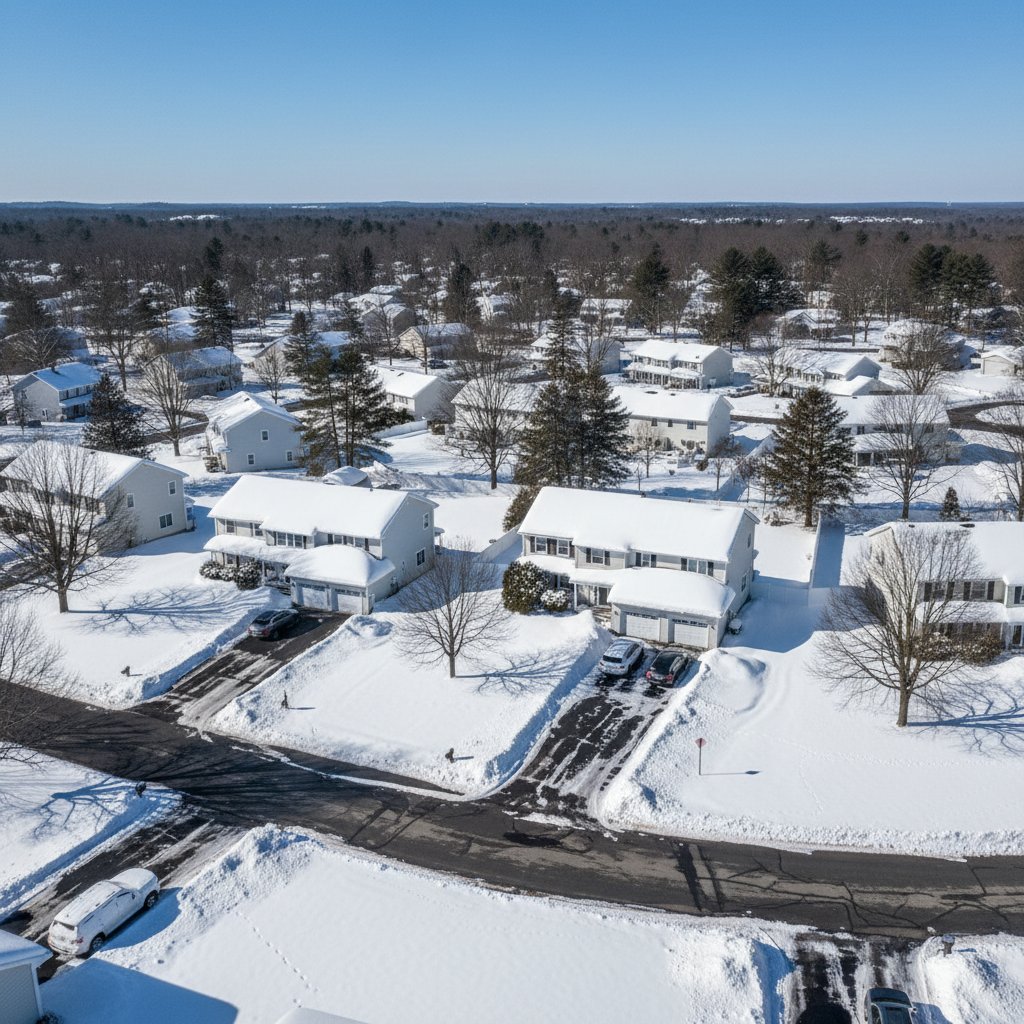
Public works departments in towns like Framingham and New Bedford are struggling with where to put the massive quantities of snow. Parking lots and municipal fields have been converted into temporary snow dumps. Local officials have noted that because many roads are now significantly narrower due to the snowbanks, emergency vehicle access remains a concern. Residents are being asked to clear fire hydrants near their properties to assist local fire departments.
Governor Healey praised the resilience of the citizens but reminded the public that the recovery is a marathon, not a sprint. She noted that the state's primary objective remains the safety of the workforce tasked with clearing the primary and secondary routes before the next temperature drop tonight, which is expected to freeze standing slush into solid ice.
Staying Safe During the Recovery
For those who must travel, MassDOT recommends several precautions. Drivers should ensure their vehicles are completely cleared of snow and ice to prevent "ice missiles" from shedding at high speeds. Additionally, motorists are encouraged to maintain a full tank of gas and carry an emergency kit including blankets, water, and a shovel.
The economic impact of the storm is still being calculated, but with schools closed for a third consecutive day in many districts and retail commerce at a standstill in the four affected counties, the figure is expected to be substantial. However, the immediate focus remains on the "dig out," a collective effort that defines the winter experience in the Northeast.
Regional Recovery Status Table
| County | Travel Status | Primary Concern |
|---|---|---|
| Bristol | Ban Lifted | Narrowed secondary roads and black ice. |
| Plymouth | Ban Lifted | High snow accumulation at intersections. |
| Barnstable | Ban Lifted | Coastal flooding and utility restoration. |
| Dukes | Ban Lifted | Wind damage and isolated power outages. |
As the sun sets on the first full day of recovery, the white landscape of Massachusetts serves as a stark reminder of nature's power. The "dig out" continues, one shovel at a time, as the state looks toward a slow return to its regular rhythm.