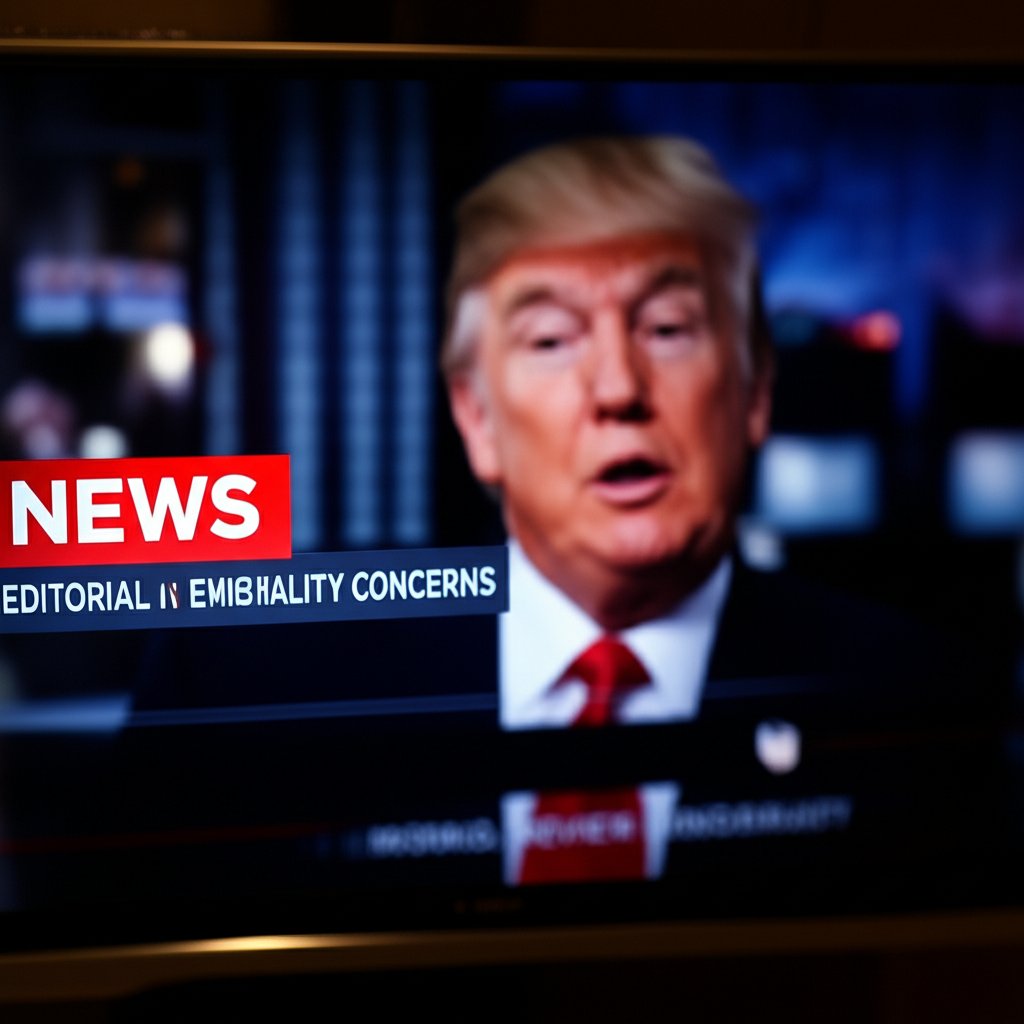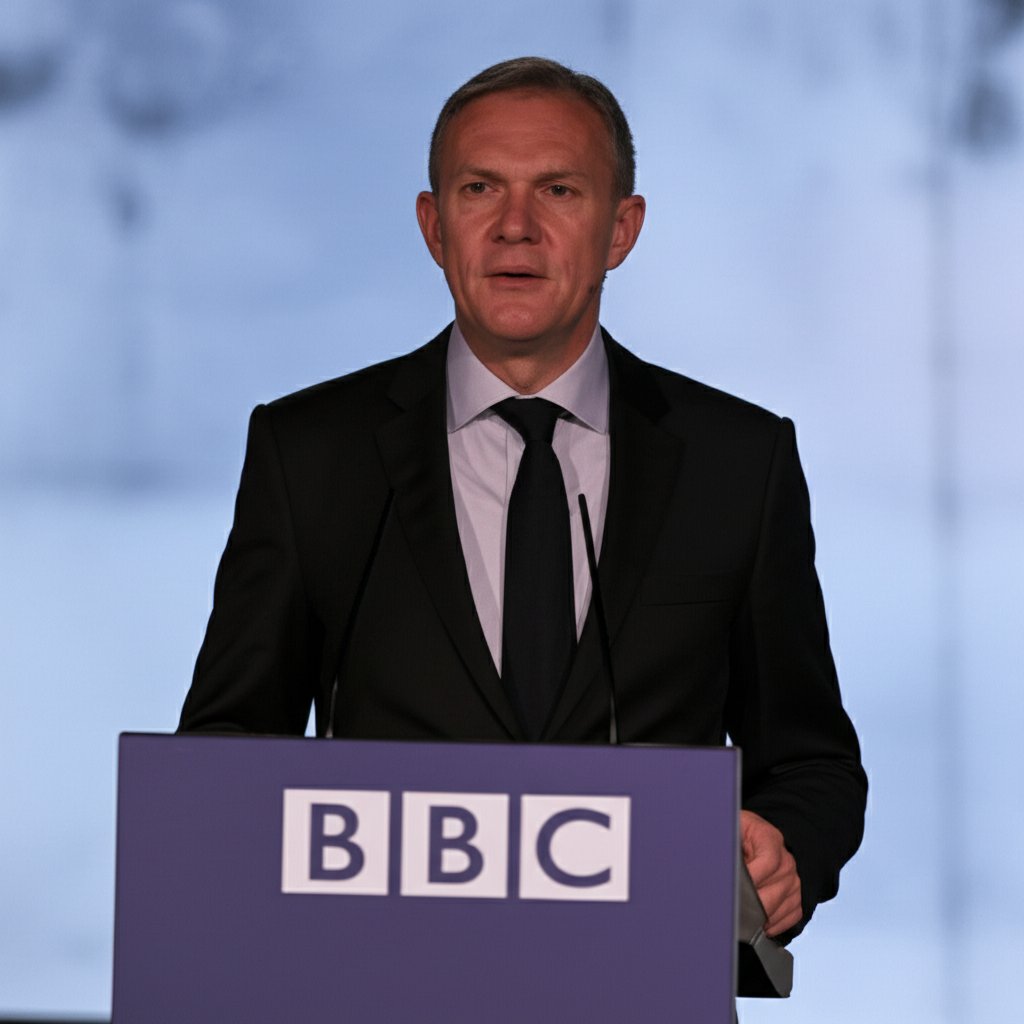
London, UK – November 11, 2025 – The British Broadcasting Corporation (BBC) has been plunged into a profound leadership crisis after its Director General, Tim Davie, and News CEO, Deborah Turness, both tendered their resignations over a controversial edit made to a documentary featuring former U.S. President Donald Trump. The high-profile departures, announced on Sunday evening, November 9th, send shockwaves through the global media landscape and ignite fresh scrutiny over the public broadcaster's editorial independence and commitment to impartiality.
Mr. Davie, who has led the BBC for five turbulent years, stated simply that "there have been some mistakes made and as director general I have to take ultimate responsibility." Ms. Turness's resignation closely followed, indicating a shared accountability for the serious editorial misjudgment that has now cost the organisation its two most senior figures.
The Controversial Edit: What Happened?
The immediate catalyst for the resignations was an internal inquiry into a specific edit within a documentary focusing on Mr. Trump's post-presidency activities and influence. While the BBC has yet to release full details of the inquiry's findings, sources close to the broadcaster indicate the edit in question significantly altered the context of a key statement made by Mr. Trump, potentially misrepresenting his views or the sequence of events.
The alteration, reportedly made late in the production process and without proper oversight, was flagged internally before broadcast but still caused significant concern within the organisation's editorial standards committee. The documentary was subsequently pulled from scheduled broadcast, prompting an internal review that escalated rapidly to the highest levels of management. The misrepresentation involved highly sensitive political commentary, creating a perception of bias that the BBC, as a public service broadcaster, strives rigorously to avoid.

Davie's Stance and Accountability
Tim Davie, known for his steadfast commitment to impartiality and his efforts to steer the BBC through numerous challenges, has consistently championed the principle of "due impartiality" during his tenure. His decision to resign, despite the error potentially originating lower down the editorial chain, underscores the BBC's constitutional requirement for accountability at the very top. In his statement, Davie emphasized the imperative for the BBC to maintain the trust of its audience, stating that any erosion of that trust through editorial failings is unacceptable, regardless of intent.
The incident highlights the immense pressure on news organisations to meticulously verify content, especially when it involves highly scrutinised public figures. For a public broadcaster like the BBC, whose funding and mandate are rooted in public trust, such an error is particularly damaging.
Implications for the BBC's Future
The resignations leave the BBC in an immediate leadership vacuum, sparking an urgent search for replacements for two of its most critical roles. The Board of Governors will now initiate a process to appoint a new Director General, a position that will require not only significant media experience but also a strong vision for maintaining the BBC's relevance and integrity in an increasingly fragmented and politicised media landscape.
The departure of both Davie and Turness also raises questions about the organisational culture and editorial processes that allowed such a significant error to occur. Critics, particularly those from political parties who frequently accuse the BBC of bias, are likely to seize on this event to call for more stringent oversight or even reforms to the BBC's funding model. The scandal is expected to feature prominently in upcoming parliamentary debates about the future of public service broadcasting.
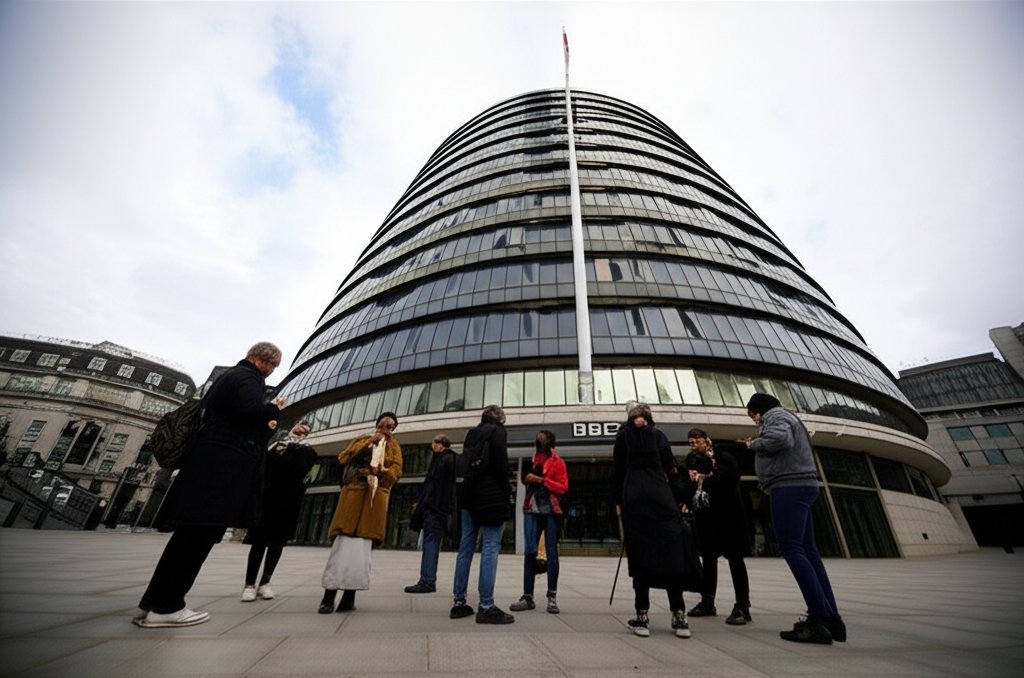
A History of Scrutiny
This is not the first time Tim Davie has had to navigate intense scrutiny during his leadership. His five-year tenure has been marked by several high-profile controversies, including the furore surrounding presenter Gary Lineker's social media comments, disputes over content choices at Glastonbury, and intense criticism regarding the BBC's coverage of international conflicts. Each incident has tested the BBC's impartiality guidelines and its relationship with both the public and the government.
However, the current situation, culminating in the resignations of the Director General and News CEO, marks arguably the most severe crisis of editorial integrity in recent memory, threatening to undermine public confidence at a critical juncture for the institution.
The Road Ahead
The BBC now faces a daunting challenge to restore public trust and reassert its reputation for robust, impartial journalism. The search for new leadership will be paramount, but equally important will be a thorough review of editorial governance and accountability structures. The incident serves as a stark reminder of the unique responsibility carried by public broadcasters, particularly in an era of misinformation, to uphold the highest standards of accuracy and impartiality in their reporting.