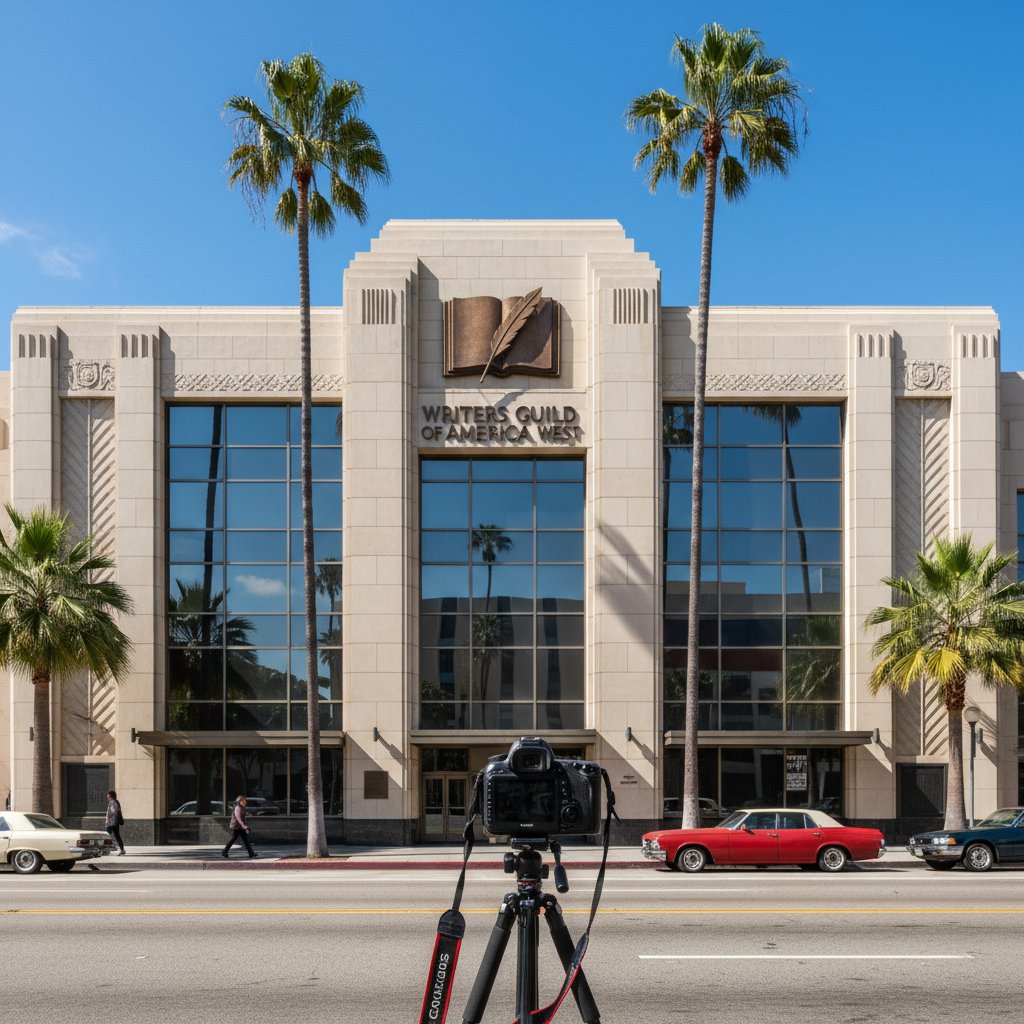
In a move that highlights deep internal fractures within one of Hollywood’s most powerful labor organizations, the staff of the Writers Guild of America West (WGAW) has voted overwhelmingly to authorize a strike. The decision, announced on January 30, marks a stunning turn of events where the union that brought the entertainment industry to a standstill in 2023 is now being accused of the very "bad faith" bargaining tactics it once condemned.
The staff, which organized last spring to seek better working conditions and fairer compensation, delivered an 82% "yes" vote. This mandate allows their leadership to call for a work stoppage at any moment, potentially paralyzing the Guild’s administrative and legal operations just as it prepares for high-stakes negotiations with major Hollywood studios.
The Paradox of a Union Strike
The WGA West staff is represented by a separate labor body, and the friction stems from nearly a year of stalled contract negotiations. Staffers claim that the Guild leadership has been dismissive of their proposals regarding healthcare benefits, cost-of-living adjustments, and workplace protections.
"It is a bitter irony," said one anonymous staffer involved in the organizing committee. "We spend our days defending the rights of writers and ensuring they are treated fairly by multi-billion dollar corporations. Yet, when we sit across the table from our own management, we are met with the same stonewalling and regressive proposals we see from the studios."
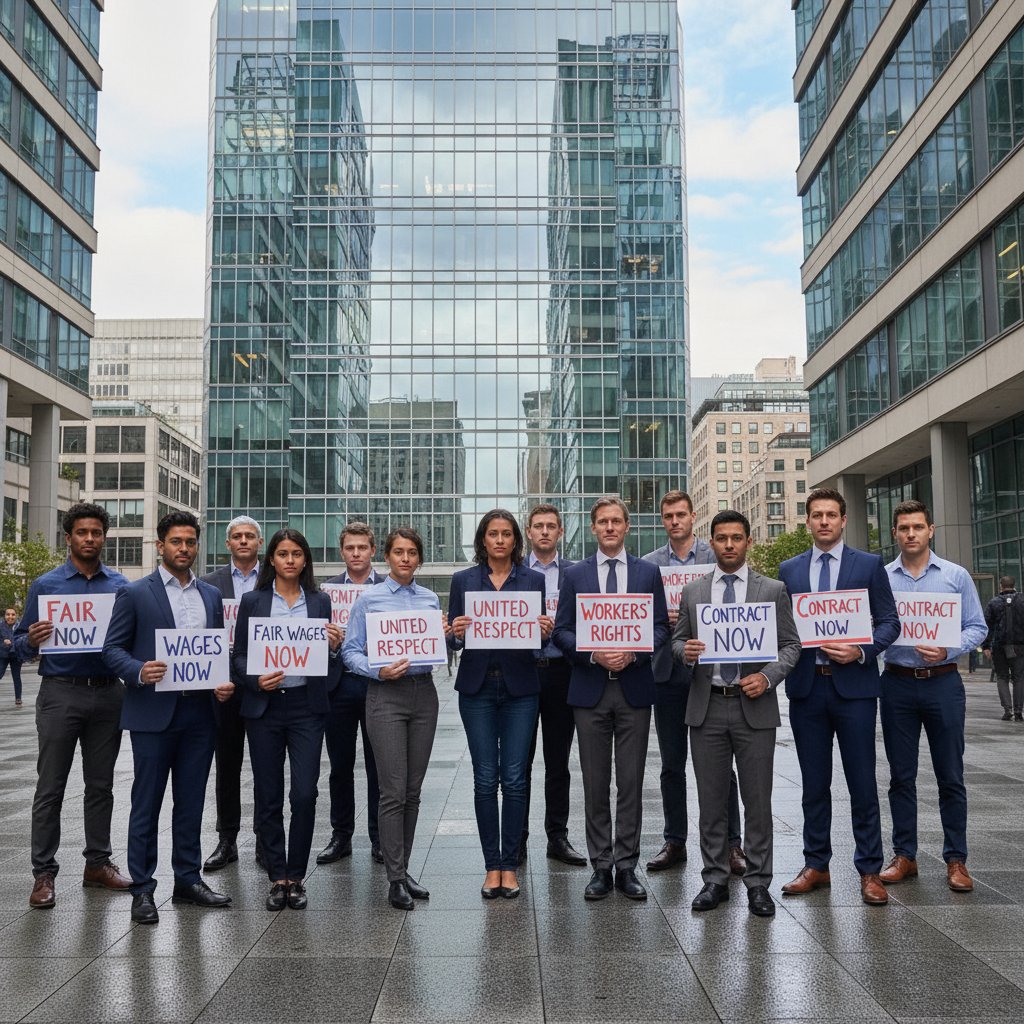
The WGAW leadership, which acts as the employer in this specific context, has expressed disappointment in the vote. In a brief statement, the Guild maintained that it has offered "competitive and fair" terms and remains committed to reaching a resolution that respects the staff's contributions while maintaining the Guild's financial health.
Timing and Strategic Leverage
The timing of the strike authorization is particularly precarious. The WGA is scheduled to begin negotiations with the Alliance of Motion Picture and Television Producers (AMPTP) in the coming months. These negotiations are intended to set the "Pattern of Demands" for the 2026 cycle.
If the staff—which includes researchers, legal experts, and administrative coordinators—goes on strike, the Guild’s ability to prepare for its own industrial action or contract negotiations would be severely compromised.
| Event | Date | Status |
|---|---|---|
| Staff Unionization Vote | April 2025 | Completed |
| Contract Negotiations Begin | July 2025 | Ongoing/Stalled |
| Strike Authorization Vote | January 30, 2026 | 82% Approval |
| AMPTP Negotiations Start | March 2026 | Scheduled |
Industry analysts suggest that the staff union is using this window to maximize leverage. By threatening to walk out now, they are forcing the WGAW leadership to choose between settling a contract with their employees or facing a logistical nightmare during their most critical period of the year.
Broader Labor Implications
This dispute is not an isolated incident. Across the United States, "unions within unions" have become more common as the employees of labor organizations seek the same protections they advocate for on behalf of their members. From the SEIU to the Teamsters, staff-level labor disputes have forced these organizations to navigate the difficult transition from being labor advocates to being responsible employers.
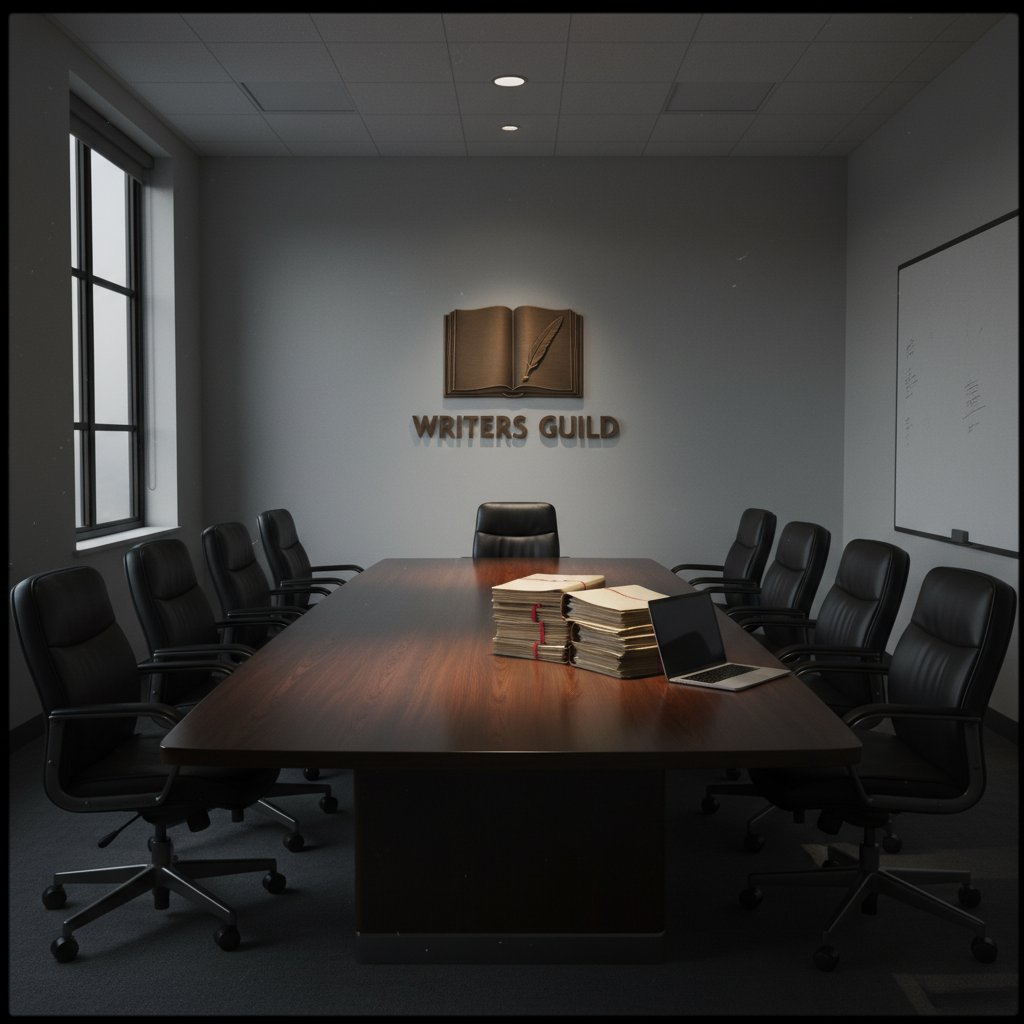
For the WGA West, the optics are particularly challenging. Having spent years building a reputation as a militant defender of labor rights, a public picket line featuring their own employees could damage their credibility when they eventually sit down to negotiate with studio heads.
What Happens Next?
While the authorization does not mean a strike is inevitable, it provides the staff bargaining committee with the power to call for one if a "fair deal" is not reached. Further mediation sessions are expected to take place next week in Los Angeles.
The writers themselves—the members of the WGA—find themselves in an awkward position. While many are naturally inclined to support any labor action, others worry that a staff strike will drain the Guild's resources and focus at a time when they need to be united against the studios.
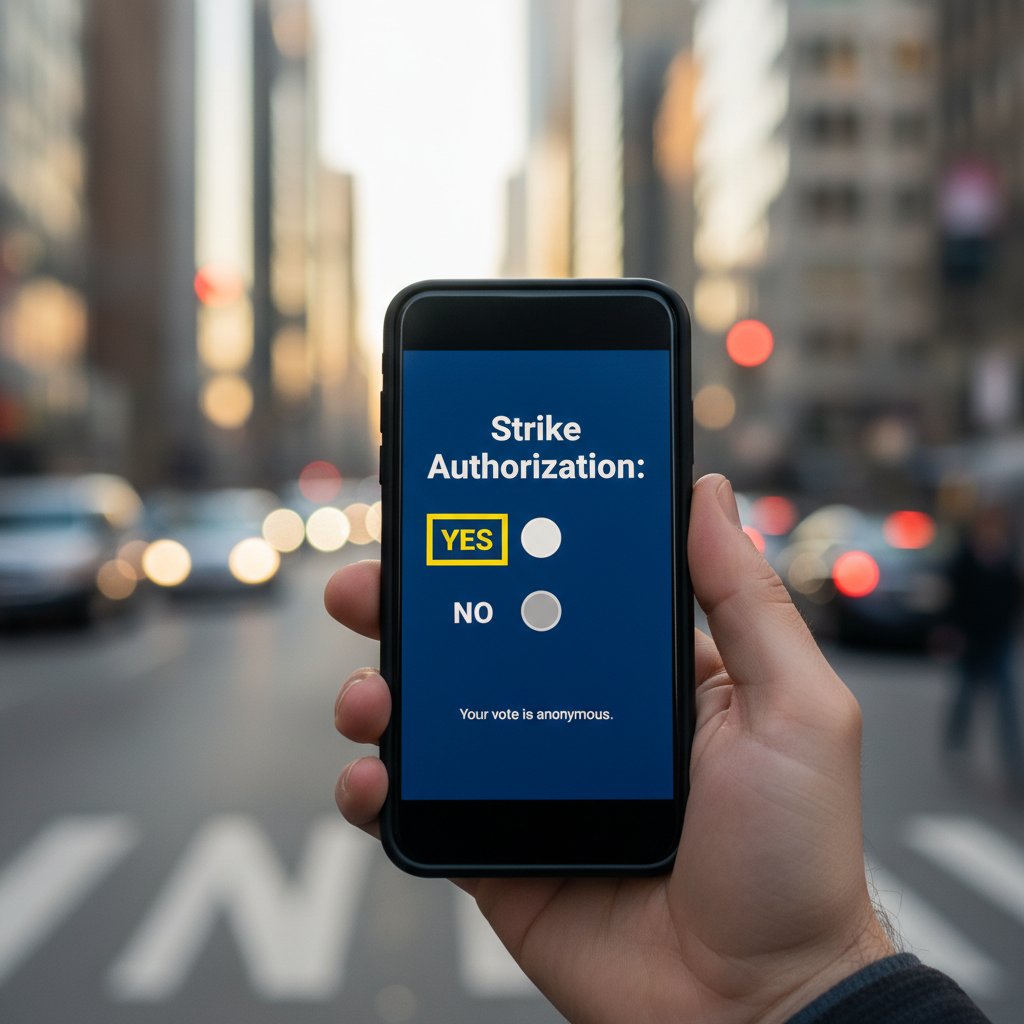
If a strike occurs, it would be the first of its kind in the history of the Writers Guild. The coming days will determine whether the WGA can practice the very labor solidarity it preaches, or if the "bad faith" accusations will lead to an unprecedented shutdown of Hollywood's most influential guild from the inside out.