The 83rd Golden Globe Awards, held at the Beverly Hilton on Sunday night, confirmed what many industry insiders suspected: the era of the safe, polite host is officially over. Nikki Glaser, returning for her second consecutive year as master of ceremonies, delivered a performance that was as ruthless as it was refined. By the end of the night, Glaser had not only roasted the highest-paid actors in the room but also provided a necessary jolt of energy to a ceremony that has historically struggled to find its footing in the modern era.
Glaser’s opening monologue, which lasted approximately ten minutes, targeted the perceived vanity of Hollywood’s elite and the very network broadcasting the event. In a landscape where award show ratings have been precarious, Glaser’s brand of "honest comedy" appears to be the formula the Golden Globes needs to remain relevant to a younger, more cynical digital audience.
A Mastery of the Room
Glaser set the tone early by addressing the elephant in the room: the immense wealth and privilege gathered in the ballroom amidst a shifting global economy. Her jokes frequently skirted the line between affectionate teasing and genuine critique, focusing on the lengthy runtimes of prestige dramas and the increasingly elaborate "de-aging" technology used by veteran directors.
Unlike the experimental or sometimes awkward hosting turns seen earlier this decade, Glaser’s approach relied on classic roast mechanics. She maintained a high-tempo delivery, ensuring that even the most cutting remarks were followed by a quick pivot to the next target. This pace prevented the room from becoming overly tense, even as A-list stars found themselves the subject of Glaser’s observational humor regarding their public personas and career choices.
Shifting the Narrative of Award Hosting
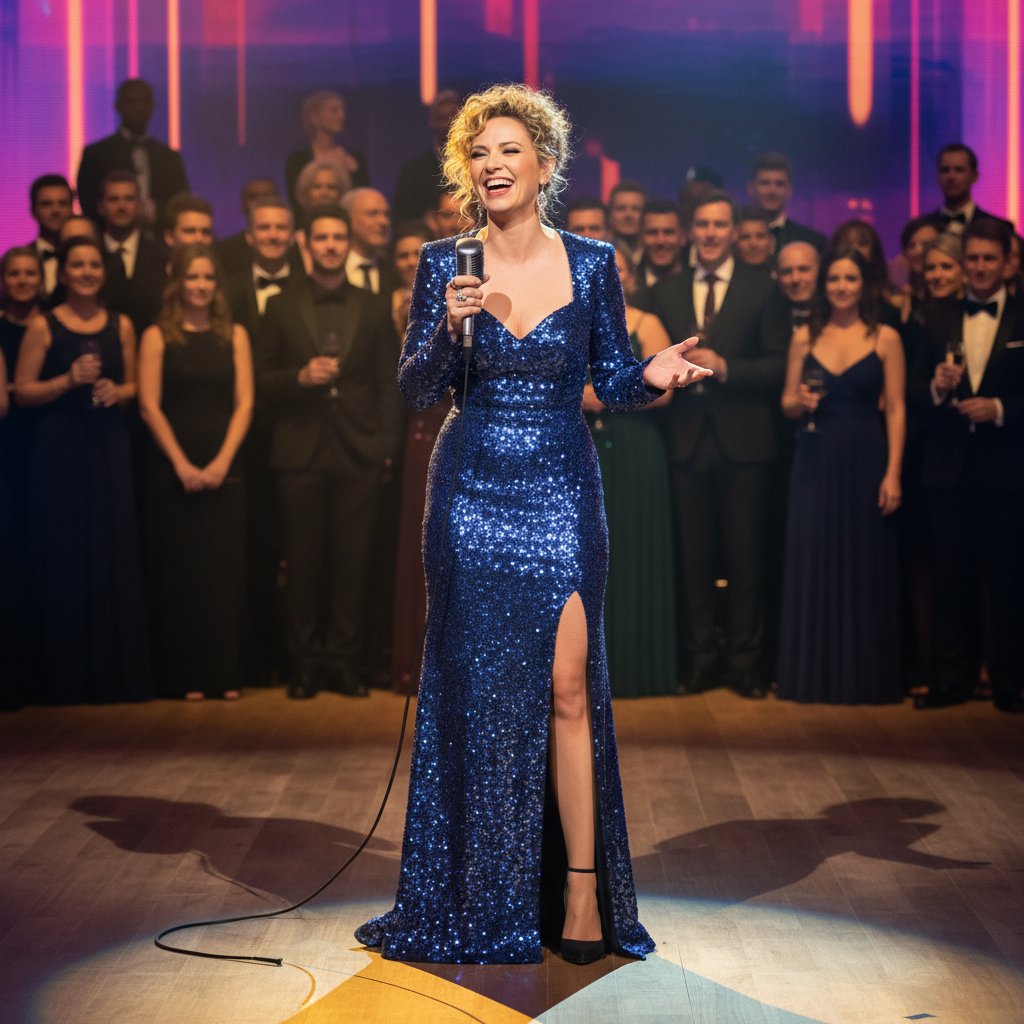
The decision to invite Glaser back for a second year was seen by many as a strategic move by the Golden Globes’ new management. Following years of internal restructuring and efforts to improve diversity and transparency, the organization required a host who could signal a "new era." Glaser, known for her Emmy-nominated work and her fearless stand-up specials, represents a departure from the traditional late-night talk show hosts who previously dominated the circuit.
Industry analysts noted that Glaser’s success lies in her ability to act as an outsider looking in, even as she becomes a central fixture of the Hollywood calendar. By poking fun at the "self-importance" of the awards themselves, she builds a bridge with the viewers at home who often find the pomp and circumstance of the night to be out of touch.
Critical and Industry Reaction
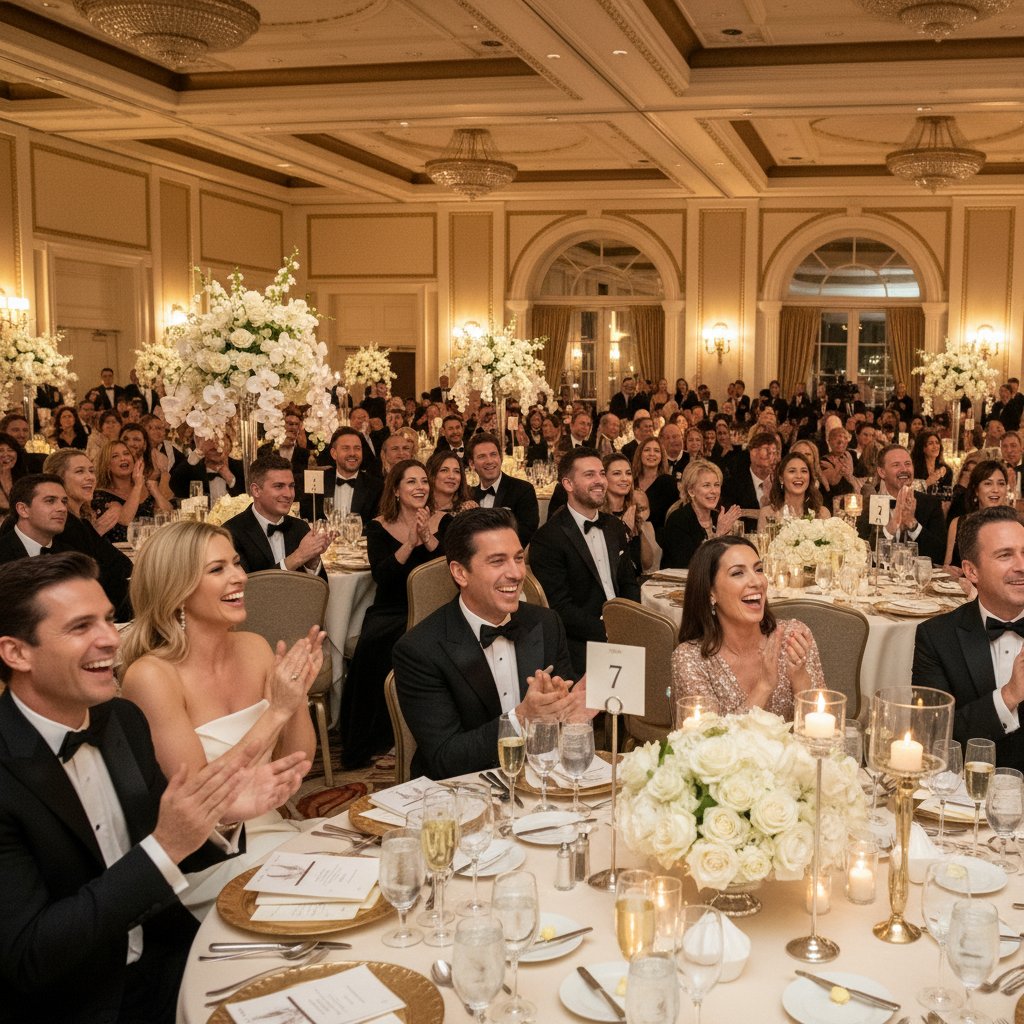
Initial reviews of the broadcast have been overwhelmingly positive. Critics from major outlets, including Yahoo and Variety, highlighted Glaser’s ability to "say what everyone is thinking" without derailing the celebratory nature of the evening. The "five lines" that have since gone viral across social media platforms—ranging from a jab at the network’s streaming platform to a commentary on the "method acting" trends of the year—demonstrate her talent for creating shareable, high-impact moments.
Behind the scenes, the production team reportedly felt more confident this year, allowing Glaser more freedom in her script. This trust resulted in a tighter show that stayed on schedule while still allowing for the spontaneous reactions that make live television compelling. Winners of the night also seemed to take the barbs in stride, with several taking the stage and acknowledging Glaser’s "honesty" in their acceptance speeches.
The Future of the Golden Globes
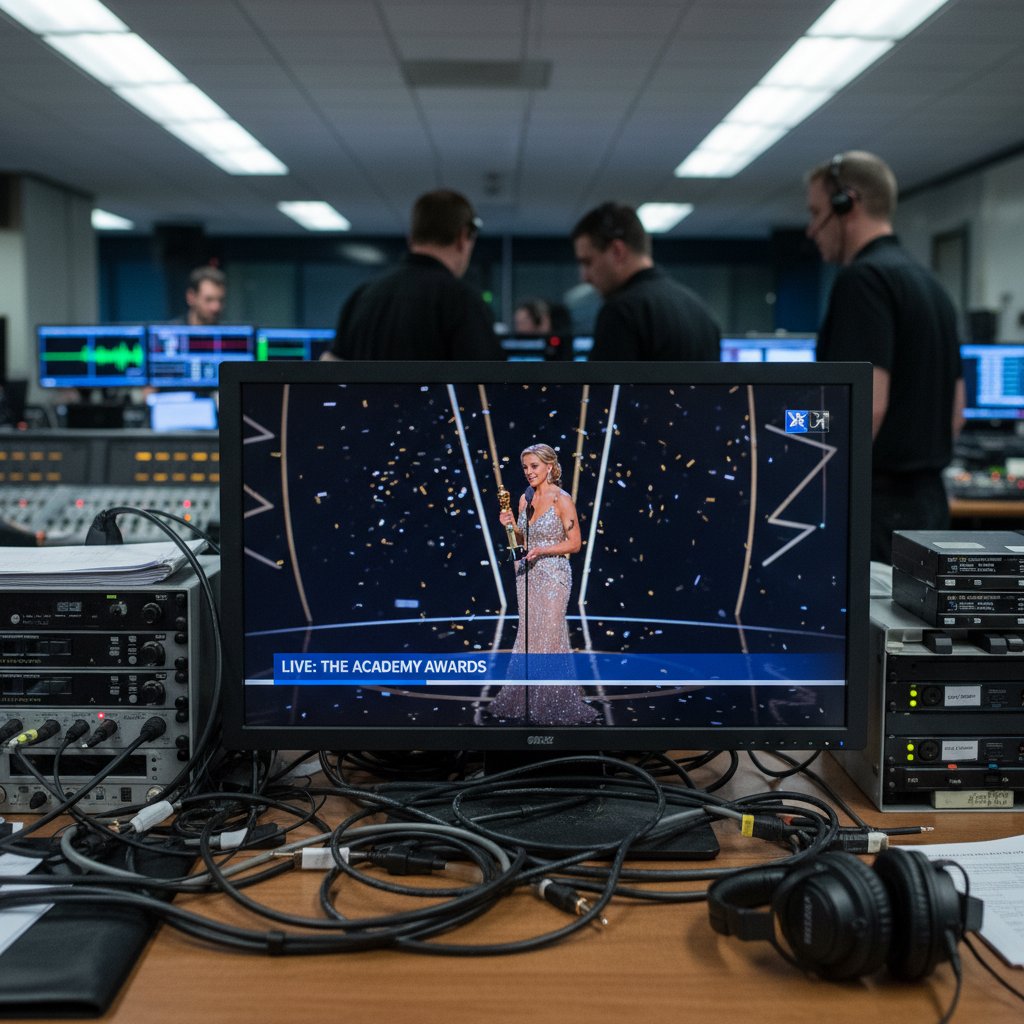
As the 2026 awards season begins in earnest, the Golden Globes have successfully distanced themselves from the controversies of the early 2020s. The choice of Nikki Glaser as a recurring host suggests a desire for brand consistency. In a crowded media landscape, having a recognizable and reliable "voice" for the ceremony helps anchor the event in the public consciousness.
While the awards themselves remain the primary focus, the host's performance has become a metric for the health of the brand. If the social media engagement and early ratings data are any indication, Glaser has helped the Golden Globes reclaim its title as "Hollywood’s Biggest Party." The challenge for the 2027 ceremony will be whether to stick with this winning formula or continue to evolve. For now, the industry seems content to let Glaser hold the microphone.