Following a historic night at the Grammy Awards earlier this week where he secured Album of the Year, Benito Antonio Martínez Ocasio—better known as Bad Bunny—continues to dominate the global cultural conversation. However, a new scholarly work released on February 5, 2026, suggests that his most significant contribution may not be his record-breaking streaming numbers, but his role as a catalyst for political and social change in his native Puerto Rico.
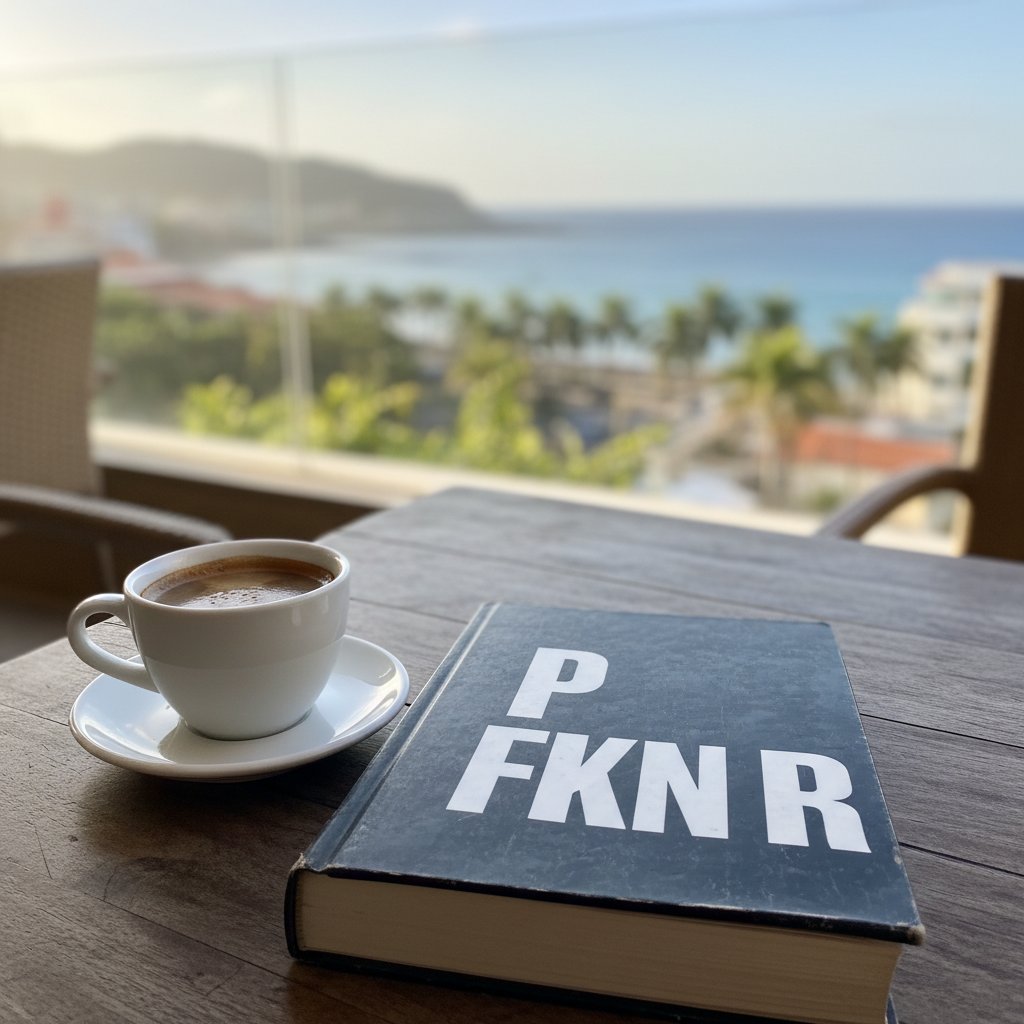
In the newly published book P FKN R: How Bad Bunny Became the Global Voice of Puerto Rico, authors Vanessa Díaz and Petra R. Rivera-Rideau provide a comprehensive analysis of the artist’s trajectory. The book arrives at a moment when the "Bad Bunny effect" is being studied not just by music critics, but by sociologists and political scientists seeking to understand the power of celebrity in the post-colonial context of the Caribbean.
A Global Icon Rooted in Local Struggle
Bad Bunny’s ascent to the top of the music industry has been unconventional. Unlike previous Latin crossover stars who often felt pressured to record in English to achieve mainstream success in the United States, Martínez Ocasio has remained steadfast in his use of Spanish and Puerto Rican slang. This refusal to assimilate has served as a powerful statement of cultural pride for millions of fans.
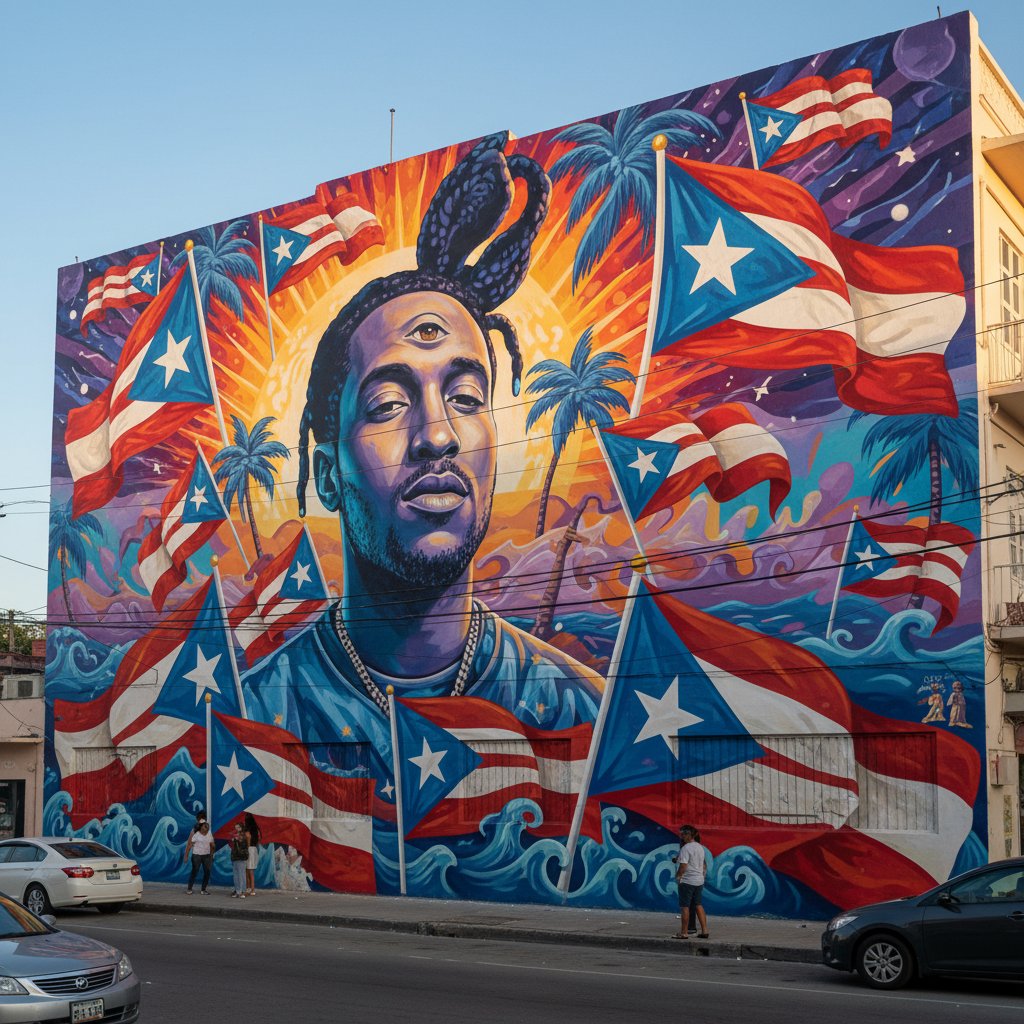
The authors of P FKN R argue that this cultural authenticity laid the groundwork for his political influence. By the time he joined the massive "Ricky Renuncia" protests in 2019, which led to the resignation of Governor Ricardo Rosselló, he was already established as a voice that resonated more deeply with the youth of the island than traditional political figures. The book details how his music, often dismissed as mere party anthems, carries the DNA of Puerto Rican resistance.
The Intersection of Music and Activism
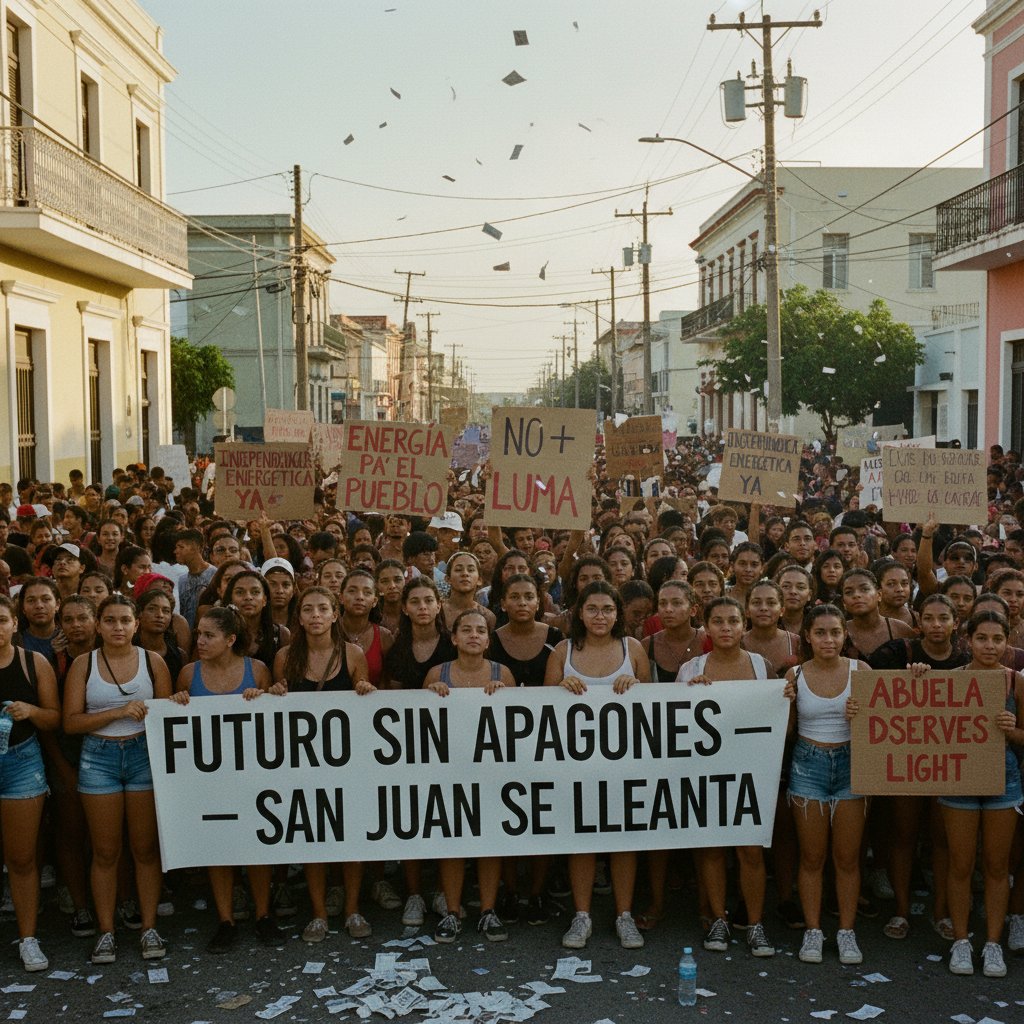
The transition from pop star to activist became most evident in the wake of Hurricane Maria and the subsequent failures of the island’s power grid. Bad Bunny has used his platform—including a high-profile documentary-style music video for "El Apagón"—to criticize LUMA Energy and the privatization of Puerto Rican resources. He has moved beyond mere commentary, actively using his concerts as forums for civic engagement.
Critics and supporters alike note that his activism is not limited to social media posts. He has funded community programs and used his 2024 and 2025 tours to highlight the ongoing displacement of Puerto Ricans by wealthy investors taking advantage of tax incentives. This direct confrontation with economic policy has made him a polarizing but essential figure in the island’s current political landscape.
Redefining the 'Crossover' Narrative
One of the central themes in Díaz and Rivera-Rideau’s research is how Bad Bunny has forced the global music industry to adapt to him, rather than the other way around. His Grammy win for Album of the Year—a category historically dominated by English-language artists—marks a turning point in the industry's recognition of Spanish-language media as the current global center of gravity.
The book also explores the complexities of his persona. While he is a champion of Puerto Rican identity, he also challenges traditional notions of masculinity within the reggaeton genre. By wearing skirts, painting his nails, and speaking out against transphobia and domestic violence, he has expanded the boundaries of what a Latin urban artist can represent.
The Challenges of Representation
Despite his massive popularity, Martínez Ocasio’s role is not without its detractors. Some activists on the island argue that no single celebrity, no matter how influential, should be the "voice" of a complex political movement. There are concerns that the "Bad Bunny brand" could potentially overshadow the long-term work of grassroots organizers who have been on the ground for decades.
However, as P FKN R highlights, the artist himself has often deflected the spotlight back toward these organizations. During his recent Grammy acceptance speech, he spent more time thanking the people of Puerto Rico for their resilience than he did discussing his musical process. This self-awareness is what the authors believe sets him apart from other contemporary superstars.
A New Era of Cultural Politics
As 2026 unfolds, the influence of Bad Bunny shows no signs of waning. With his latest accolades and the academic validation provided by new literature, he stands as a case study in how modern celebrity can be leveraged for systemic critique. For Puerto Rico, a territory still grappling with its status and infrastructure challenges, he represents a unique hybrid: a global champion who refuses to leave his home behind.
The story of Bad Bunny is increasingly becoming a story about the future of Puerto Rico itself. As the island prepares for upcoming local elections, the "Bad Bunny generation"—voters who grew up with his music and saw him on the front lines of protests—is expected to play a decisive role in shaping the political landscape.