Late-night television host Stephen Colbert informed his audience on Tuesday evening that a scheduled interview with Texas State Representative James Talarico did not air on Monday as planned. Colbert stated that CBS, the network that broadcasts "The Late Show," opted to pull the segment due to concerns regarding Federal Communications Commission (FCC) regulations.
The incident highlights the complex and often restrictive legal landscape that broadcast networks must navigate compared to their counterparts in cable and streaming. Colbert, speaking during his Tuesday night monologue, characterized the decision as a cautious move by the network’s legal department to avoid potential regulatory scrutiny or "Equal Time" demands from other political candidates.
The Canceled Segment
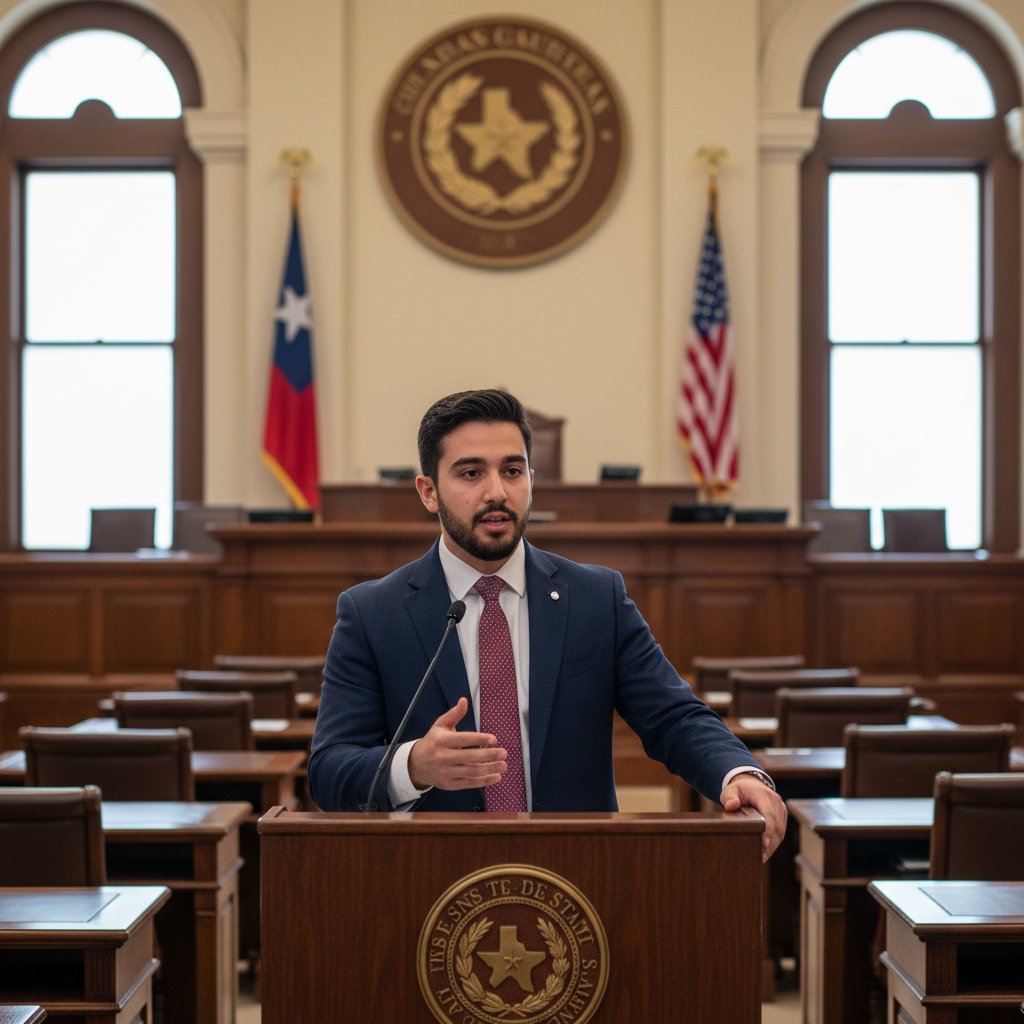
Rep. James Talarico, a progressive Democrat known for his outspoken views on the intersection of faith and politics in the Texas Legislature, was set to appear on the program to discuss recent legislative battles in Austin. However, as the taping approached, CBS executives reportedly flagged the appearance as a potential liability.
According to Colbert, the network feared that giving Talarico a solo platform on a broadcast network could trigger the FCC’s "Equal Opportunity" rule, more commonly known as the Equal Time Rule. This regulation requires broadcast stations to provide equivalent airtime to opposing candidates if they provide time to one. While there are exemptions for "bona fide news" programs, late-night variety shows often exist in a regulatory gray area.
Understanding the FCC 'Equal Time' Rule
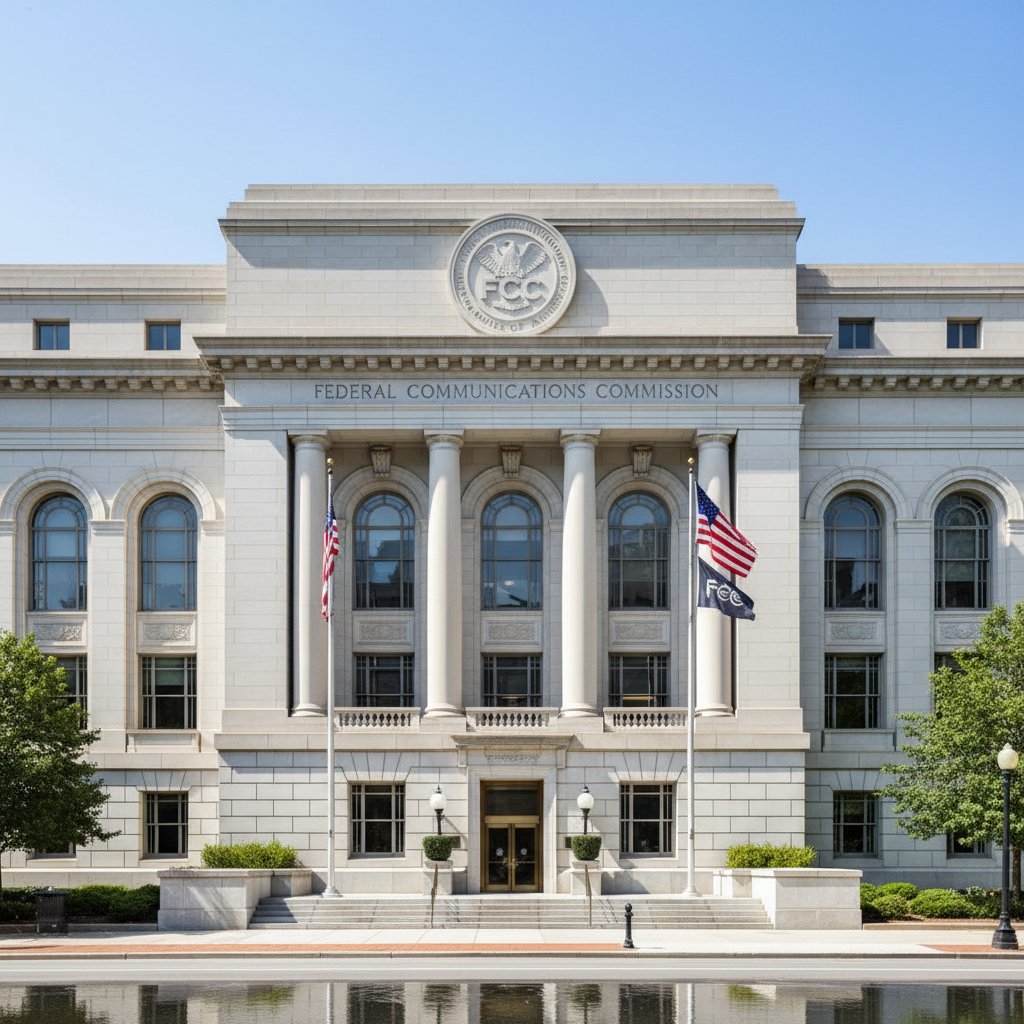
The Federal Communications Commission maintains strict oversight over broadcast airwaves (CBS, NBC, ABC) because they utilize public spectrum. Under Section 315 of the Communications Act, if a station permits a legally qualified candidate for public office to use its facilities, it must afford equal opportunities to all other such candidates for that office.
While late-night interviews are generally treated as entertainment or news-adjacent, the proximity to election cycles or specific legislative sessions can heighten a network’s sensitivity. Legal experts suggest that CBS may have been concerned that Talarico’s appearance, depending on the content of the interview, could have been classified as a "use" of the airwaves that would allow his political opponents to demand roughly 10 minutes of airtime during a high-value time slot.
The Political Context of James Talarico
Rep. Talarico has gained national attention for his critiques of Christian Nationalism and his defense of public education in Texas. As a seminarian and a former teacher, his rhetoric often crosses the desk of national media outlets. His presence on a major late-night show was seen as an opportunity to bridge the gap between regional Texas politics and a national audience.
In response to the segment being pulled, Talarico took to social media to express his disappointment, though he focused primarily on the content he had hoped to share regarding the separation of church and state. The representative’s office has not yet filed a formal complaint, acknowledging that the network’s decision was likely based on internal risk assessment rather than a specific directive from the FCC.
The Divide Between Broadcast and Cable
The Colbert incident underscores the growing divide in how political speech is regulated across different mediums. Shows like "The Daily Show" on Comedy Central or various programs on HBO and Netflix are not subject to the same FCC broadcast rules. These "non-broadcast" entities have significantly more leeway to host political figures without the administrative burden of tracking equal time.
"We are playing by 20th-century rules in a 21st-century media environment," noted one media analyst. "CBS is a legacy broadcaster, and the penalties for FCC violations—or even the cost of litigation—are high enough that they will often choose the path of least resistance, which in this case meant spiking a segment with a sitting lawmaker."

Implications for Late-Night Discourse
For Colbert, who has built much of his "Late Show" brand on political commentary and interviews with high-ranking officials, the network's intervention serves as a reminder of the "invisible lines" that exist in broadcast television. While the host is free to satirize politicians in his monologue, providing a platform for the politicians themselves remains a more complicated legal endeavor.
The pulled interview has sparked a renewed debate among free speech advocates and media regulators. Some argue that the Equal Time Rule is an outdated relic that prevents meaningful political dialogue, while others maintain it is a necessary safeguard to prevent corporate networks from using public airwaves to favor specific candidates or ideologies.
As of Wednesday morning, CBS has not released an official statement regarding the specific legal advice that led to the cancellation. The interview with Talarico has reportedly not been rescheduled, and it remains unclear if it will be released via the show's digital platforms, which are not subject to the same FCC oversight.