
The theatrical landscape saw a resurgence of the gothic romance this holiday weekend as Emerald Fennell’s adaptation of Wuthering Heights secured the top spot at the global box office. Propelled by the star power of Margot Robbie and Jacob Elordi, the film earned an estimated $38 million domestically over the four-day Valentine’s Day and Presidents Day frame, bringing its worldwide debut to $83 million.
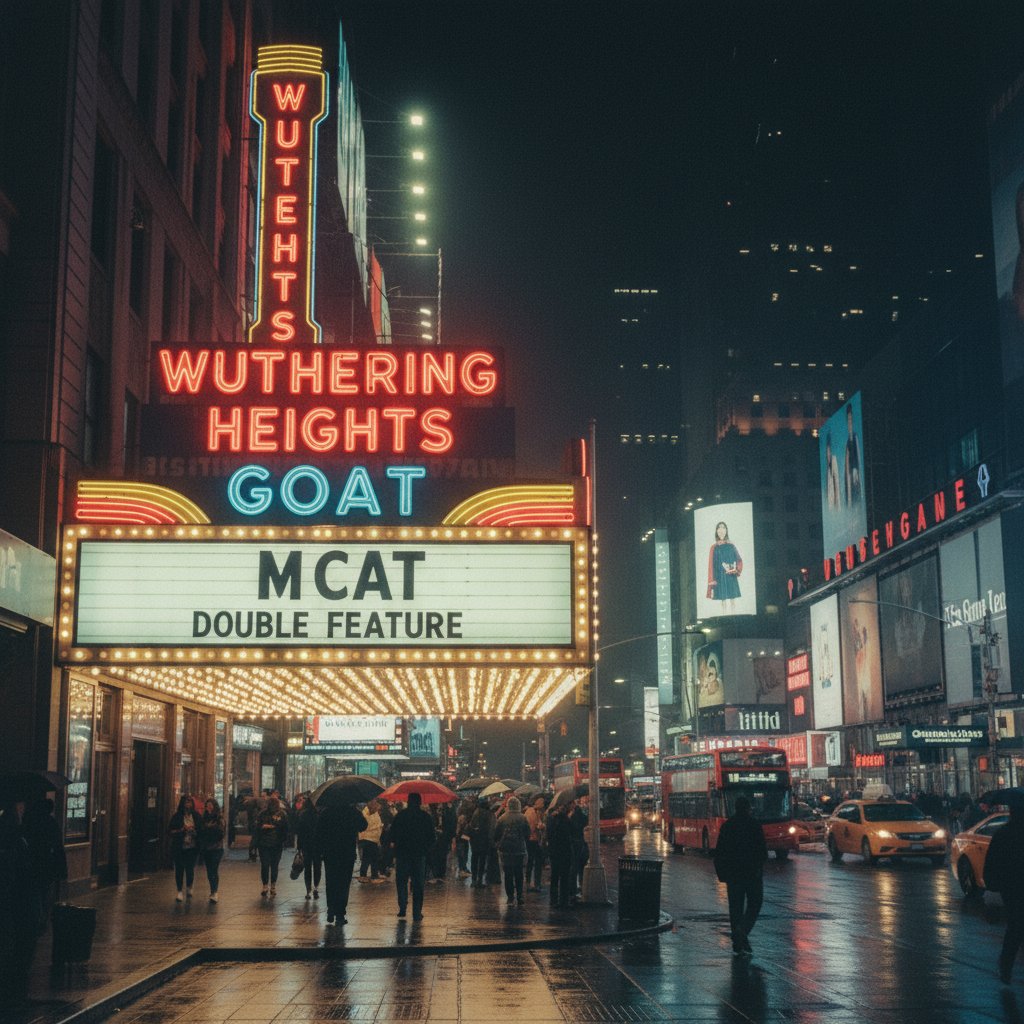
While the domestic figures came in slightly below the most optimistic pre-release tracking, the performance was enough to edge out its primary competitor, the high-concept sci-fi thriller GOAT, which debuted to a healthy $35 million. The narrow margin reflects a highly competitive February window that saw audiences split between prestige literary drama and genre-heavy spectacle.
A Gothic Victory at the Box Office
Distributed by Warner Bros., Wuthering Heights benefited significantly from a marketing campaign that leaned heavily into the chemistry between Robbie, playing Catherine Earnshaw, and Elordi, as Heathcliff. The film’s release was strategically timed to coincide with Valentine’s Day, a move that paid off as the production saw a massive surge in Friday evening attendance.
Industry analysts suggest that the "Fennell Factor"—referring to director Emerald Fennell’s reputation for provocative, visually lush storytelling following Promising Young Woman and Saltburn—helped elevate the project beyond a standard period piece. The film reportedly holds a 74% "Fresh" rating on Rotten Tomatoes, with critics praising the bold, often dark interpretation of Emily Brontë’s classic novel.

The Battle for the Holiday Frame
The race for the number one spot remained tight throughout the weekend. Sony and Columbia’s GOAT, starring Justin Pounders and directed by Aaron Sorkin in a rare foray into speculative fiction, proved to be a formidable opponent. Despite falling into second place, GOAT outperformed expectations, particularly in Imax and premium large-format (PLF) screenings, which accounted for 22% of its domestic haul.
The following table breaks down the performance of the top two features over the four-day holiday weekend:
| Film Title | Domestic (4-Day) | International | Global Total |
|---|---|---|---|
| Wuthering Heights | $38,000,000 | $45,000,000 | $83,000,000 |
| GOAT | $35,000,000 | $27,000,000 | $62,000,000 |
"This was a 'rising tide lifts all boats' scenario," said Paul Dergarabedian, a senior media analyst. "Having two original, non-superhero films perform this well over a holiday weekend is a testament to the audience’s hunger for star-driven, auteur-led cinema."
Demographic Appeal and International Reach
Exit polls conducted by CinemaScore gave Wuthering Heights a solid "B+," a respectable grade for a film that leans into the darker, more obsessive themes of the original text. The audience skewed 62% female, with a significant 40% of ticket buyers under the age of 25—a demographic likely drawn to Elordi’s rising profile following his recent successes in television and film.
Internationally, the film performed exceptionally well in the United Kingdom, Brontë’s home territory, where it opened to $8.2 million. Other strong markets included Australia, South Korea, and France. The international total of $45 million suggests that the "Robbie Brand" remains one of the most bankable assets in global cinema following the historic success of Barbie in 2023.
Implications for the Industry
The success of Wuthering Heights is being viewed as a validation for Warner Bros.’ decision to back Fennell’s vision with a mid-to-high budget, reportedly in the $70 million range. In an era where studios have become increasingly risk-averse, opting for sequels and reboots, the theatrical viability of a 19th-century literary adaptation is a promising sign for original productions.

However, some industry insiders note that the true test for Wuthering Heights will come in its second weekend. With a "B+" CinemaScore, word-of-mouth will be crucial to sustain its momentum as it faces new competition in the coming weeks. For now, the film stands as a clear winner, proving that even in 2026, the tragic, windswept moors of Yorkshire can still captivate a modern global audience.