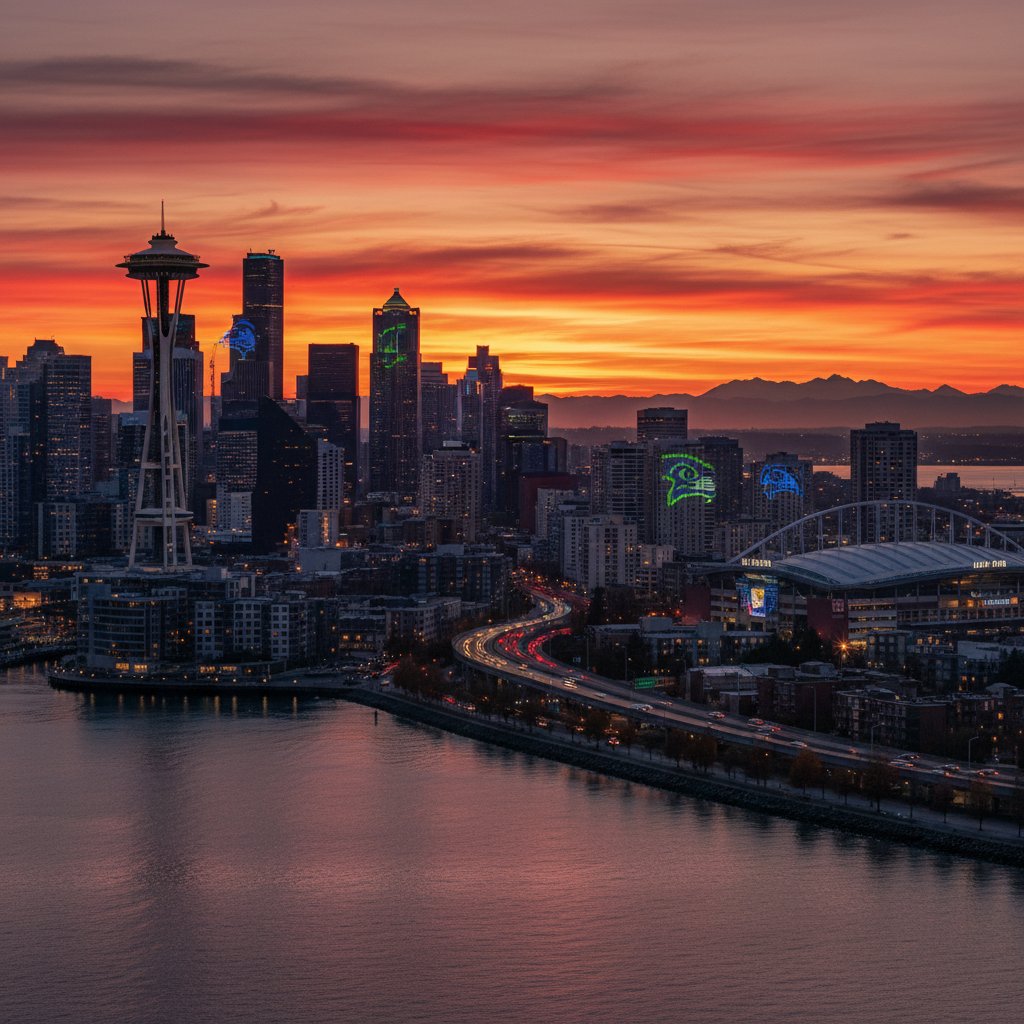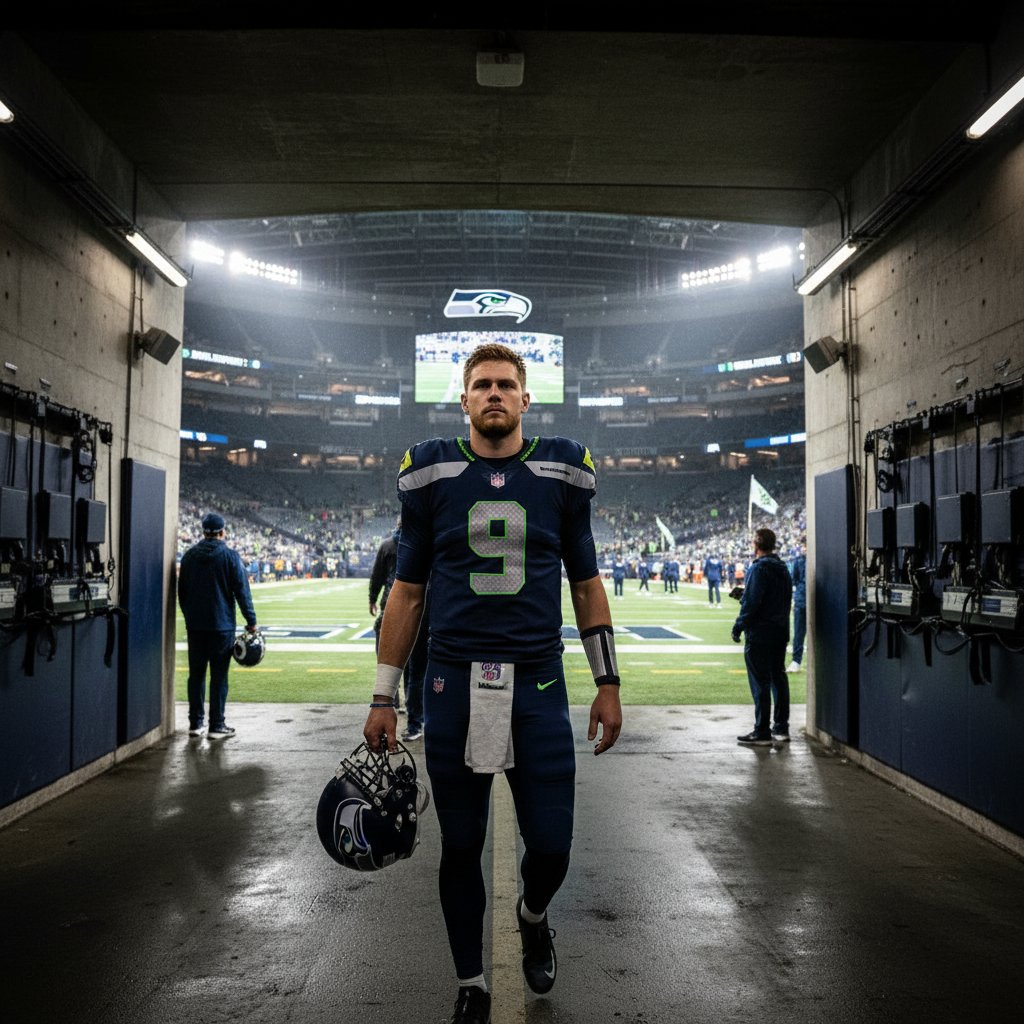
As the 2026 NFL offseason begins, the league’s front offices are scrutinizing the Pacific Northwest for answers. The Seattle Seahawks’ decision to pivot to Sam Darnold—a move widely scrutinized when it was announced—has culminated in one of the most significant career rehabilitations in modern sports history.
In a comprehensive post-mortem of the season, Sports Illustrated’s Albert Breer highlighted how Seattle’s “unorthodox swing” at the quarterback position has provided a new template for roster construction. Meanwhile, the ripple effects of Seattle’s success have accelerated a crisis in Minnesota, leading to the dismissal of Vikings General Manager Kwesi Adofo-Mensah.
The Three Lessons of the Darnold Experiment
According to Breer, the Seahawks’ success with Darnold was not a matter of luck, but the result of three specific institutional lessons that other franchises are now desperate to replicate.
1. System Over Pedigree
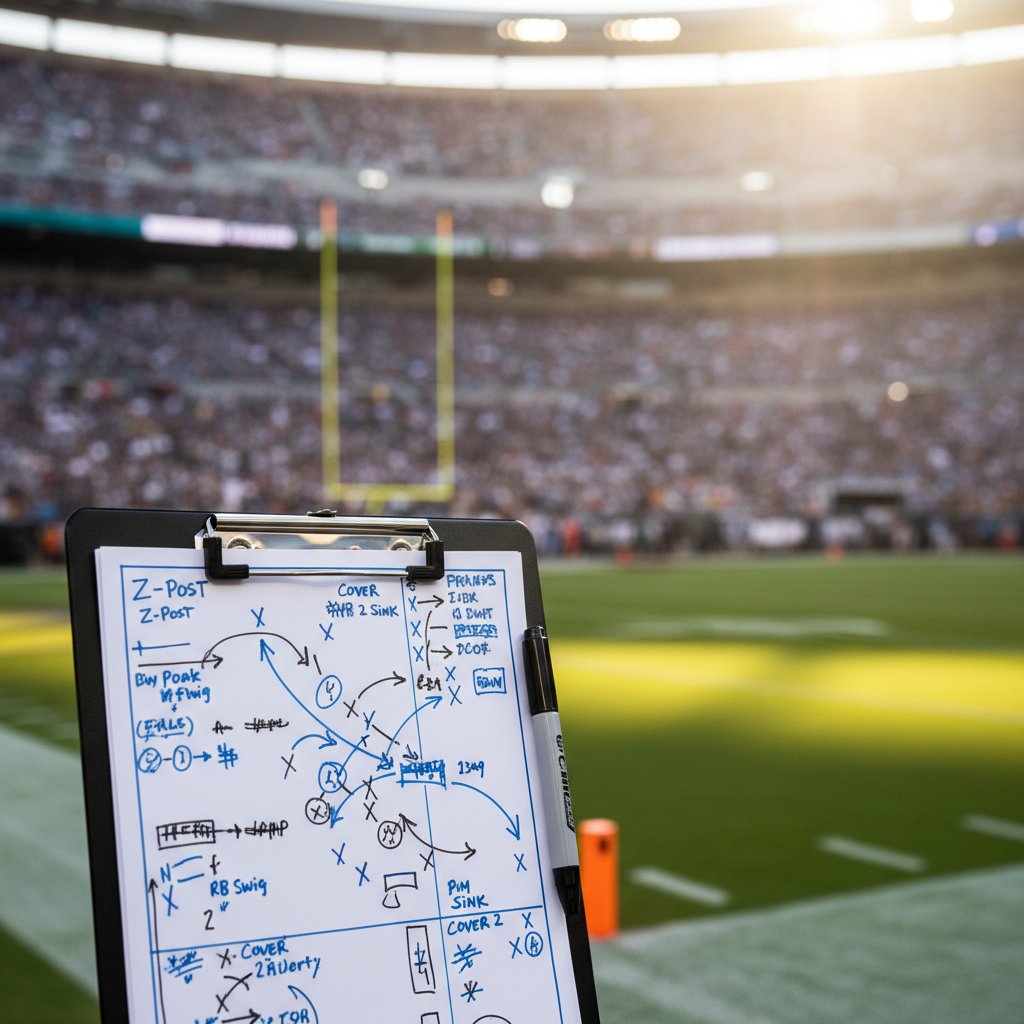
The first lesson identifies the marriage between offensive scheme and player psychology. In Seattle, the coaching staff stripped away the pressures of being a "franchise savior" that had haunted Darnold during his tenures with the Jets and Panthers. By implementing a high-percentage, rhythm-based passing game, Seattle allowed Darnold’s natural arm talent to shine without the burden of off-schedule heroics.
2. The Infrastructure Factor
The Seahawks prioritized the environment surrounding the quarterback rather than the quarterback himself. By investing heavily in a top-tier offensive line and maintaining a deep rotation of playmakers, Seattle created a "fail-safe" ecosystem. Breer notes that Darnold’s resurgence proves that a "middle-class" quarterback can produce elite-tier results if the supporting cast is sufficiently robust.
3. Financial Flexibility and Roster Depth
Perhaps the most pragmatic lesson is the economic one. By signing Darnold to a modest, incentive-laden deal, the Seahawks maintained the cap space necessary to field a top-five defense. This stood in stark contrast to teams tethered to massive, long-term quarterback contracts that restrict their ability to patch holes elsewhere on the roster.
Fallout in Minnesota: The Adofo-Mensah Dismissal
While Seattle celebrates, the Minnesota Vikings are entering a period of deep introspection. The firing of General Manager Kwesi Adofo-Mensah on Monday sent shockwaves through the league, marking the end of a four-year tenure defined by analytical rigor but inconsistent results on the field.
The irony is not lost on league observers: Adofo-Mensah’s departure is inextricably linked to the quarterback position. After the Vikings moved on from veteran Kirk Cousins, the franchise struggled to find a definitive successor, while Darnold—a player once within their reach—thrived elsewhere.
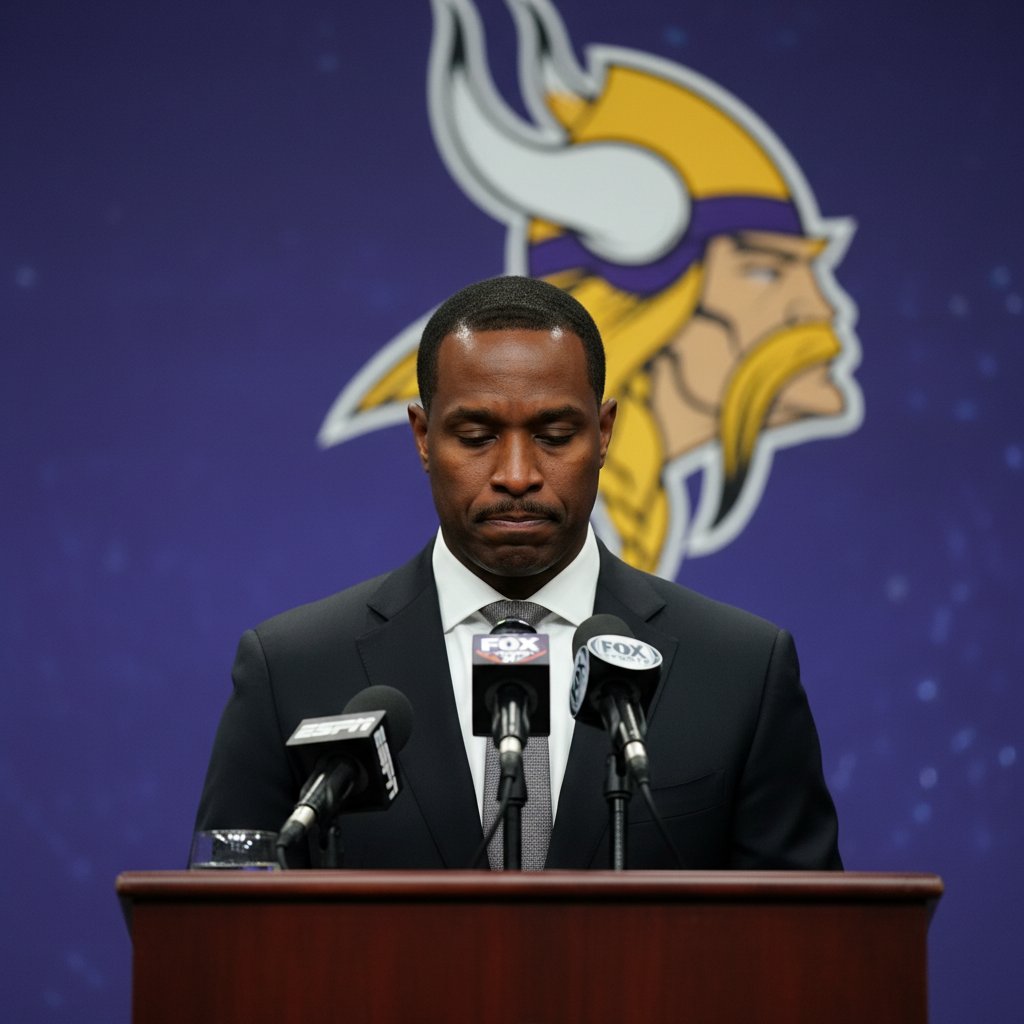
The Vikings' ownership group reportedly grew frustrated with the team’s inability to capitalize on a talented roster, ultimately deciding that a change in leadership was necessary to navigate the 2026 draft and free agency period. "The NFL is a results-oriented business," one league executive told SI. "When you see a rival find a solution in a player you passed on, it accelerates the timeline for change."
A League-Wide Shift in Strategy
The "Darnold Effect" is already influencing the Senior Bowl and pre-draft conversations. Teams like the Las Vegas Raiders and Cleveland Browns, both currently mired in quarterback uncertainty, are reportedly looking at veteran "bridge" options with renewed interest.
The narrative that a former first-round "bust" can be rehabilitated has shifted from a coaching fantasy to a viable front-office strategy. This shift is expected to increase the trade value of veteran backups across the league as teams seek to find their own version of the Seattle miracle.
Key Takeaways for the 2026 Offseason
| Factor | Seattle Approach | Traditional Approach | | :--- | :--- | :--- | | QB Acquisition | Low-risk, high-reward veterans | High-draft-capital rookies | | Cap Allocation | Distributed across defense/O-line | Heavily weighted toward QB | | Coaching Goal | Scheme-fit and rhythm | Play-making and individual brilliance |
As the scouting combine approaches, the question for NFL owners is no longer just "Who is the best quarterback available?" but rather "Who is the best quarterback for the system we have built?" For now, the Seahawks have the only definitive answer, while the rest of the league, including the now-rudderless Vikings, plays catch-up.