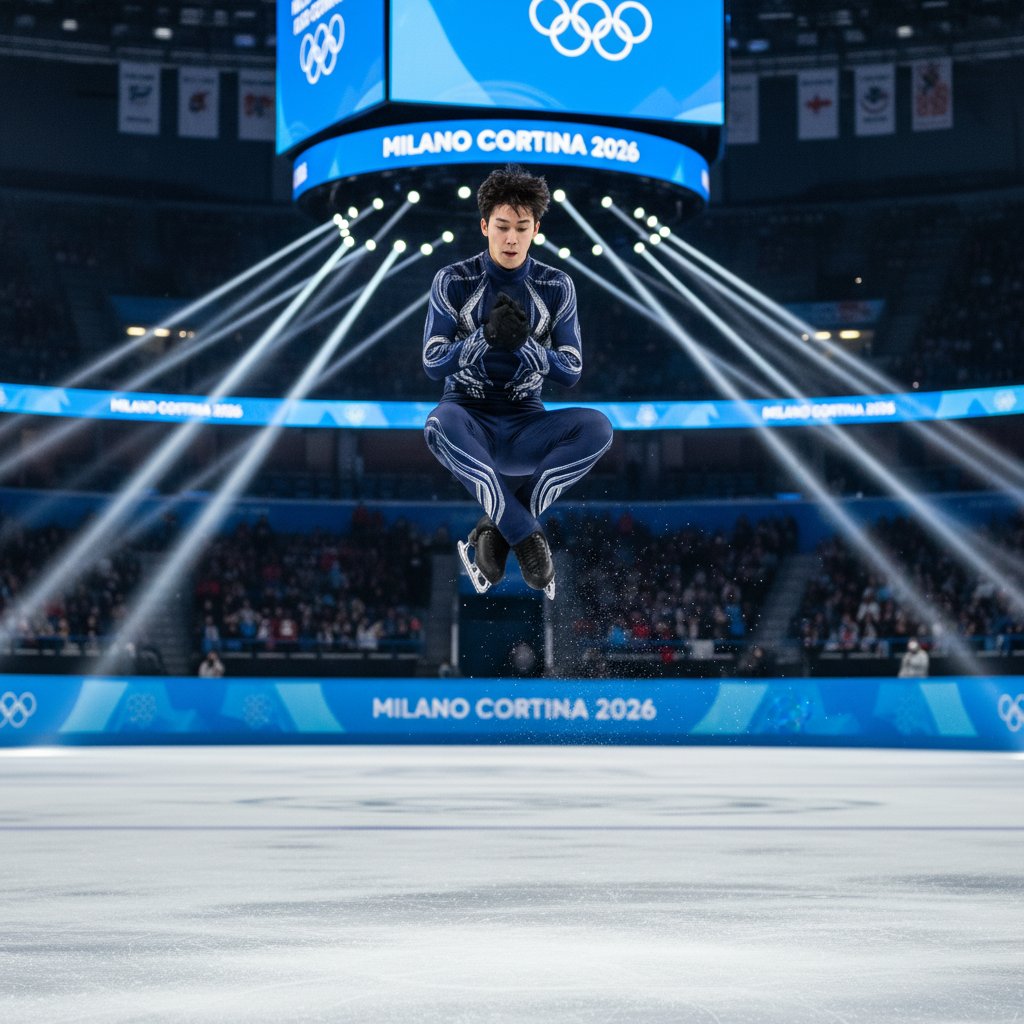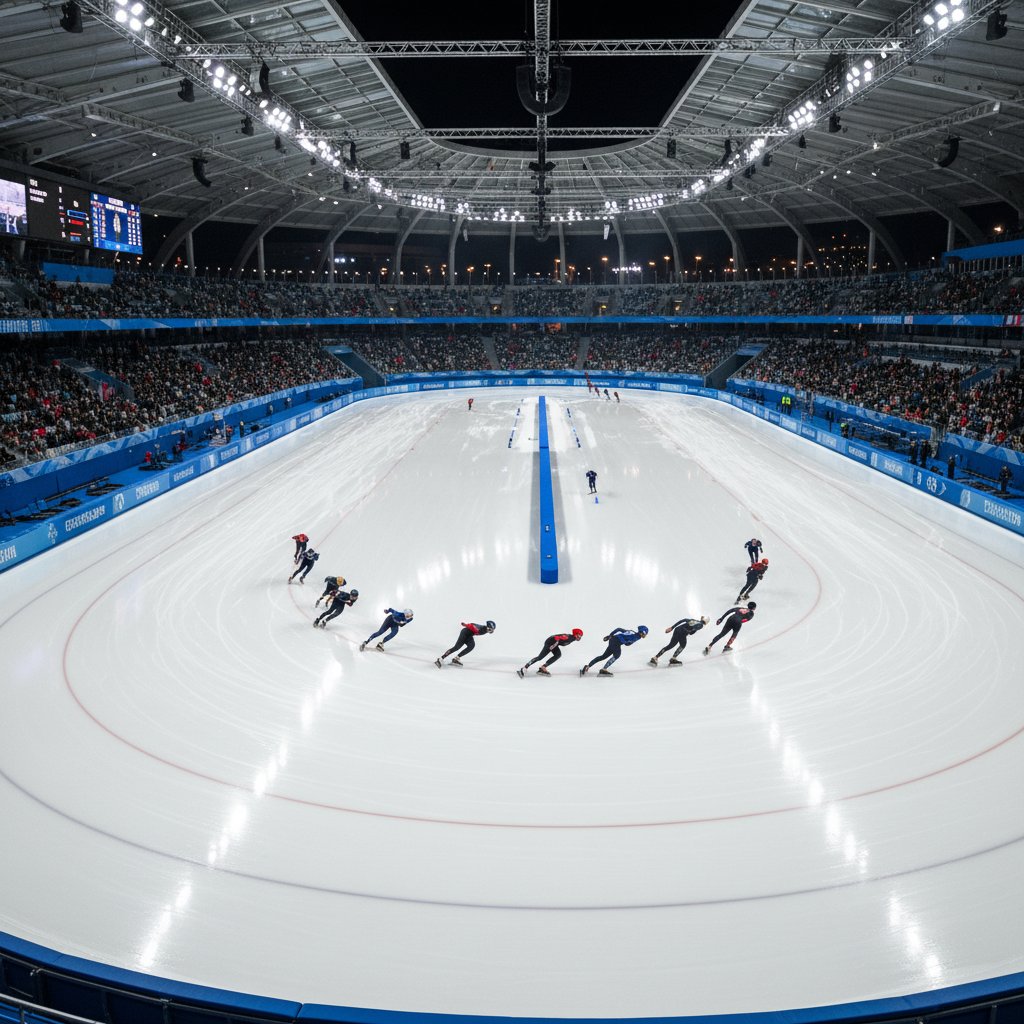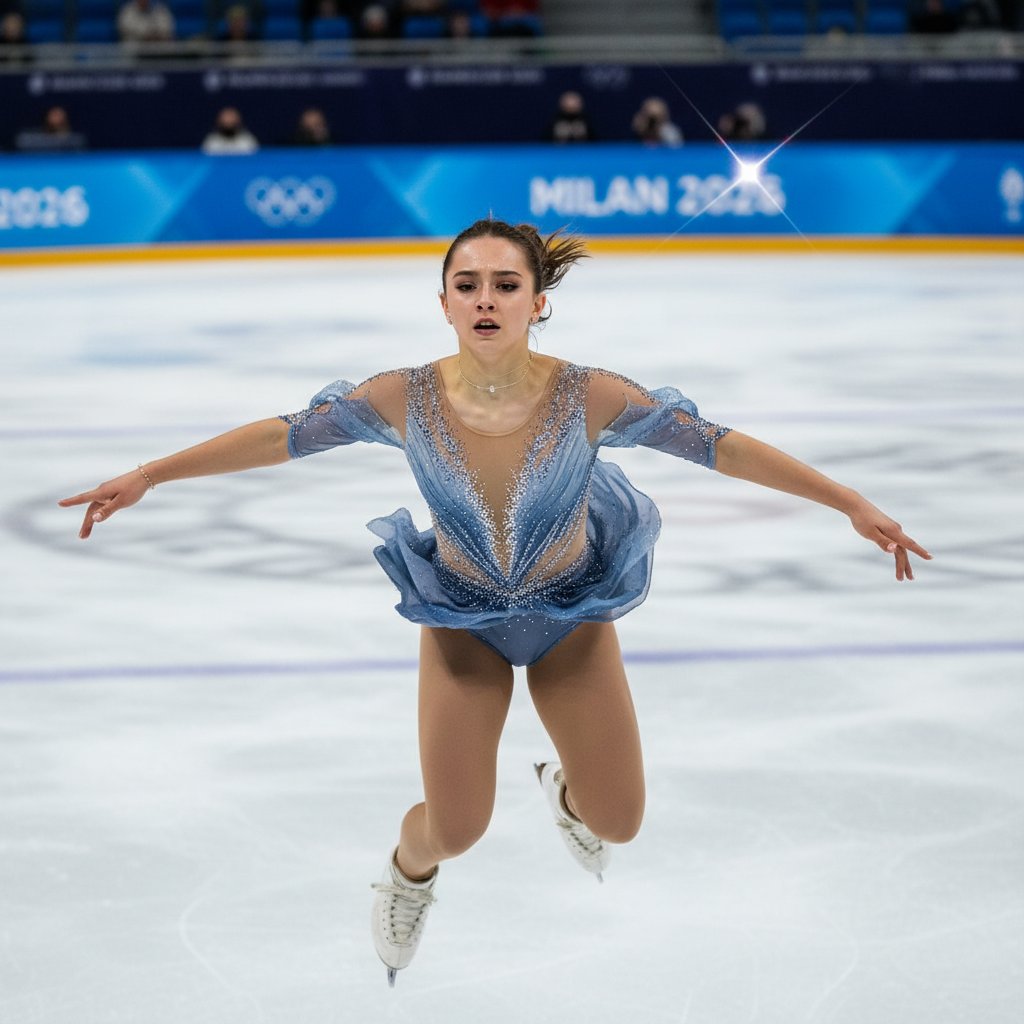
The 2026 Winter Olympics in Milan-Cortina were intended to be a crowning achievement for Amber Glenn, the veteran American figure skater known for her power and advocacy. However, the joy of securing a gold medal in the figure skating team event on Monday has been tempered by a dual-fronted controversy involving geopolitical commentary and a public dispute over intellectual property.
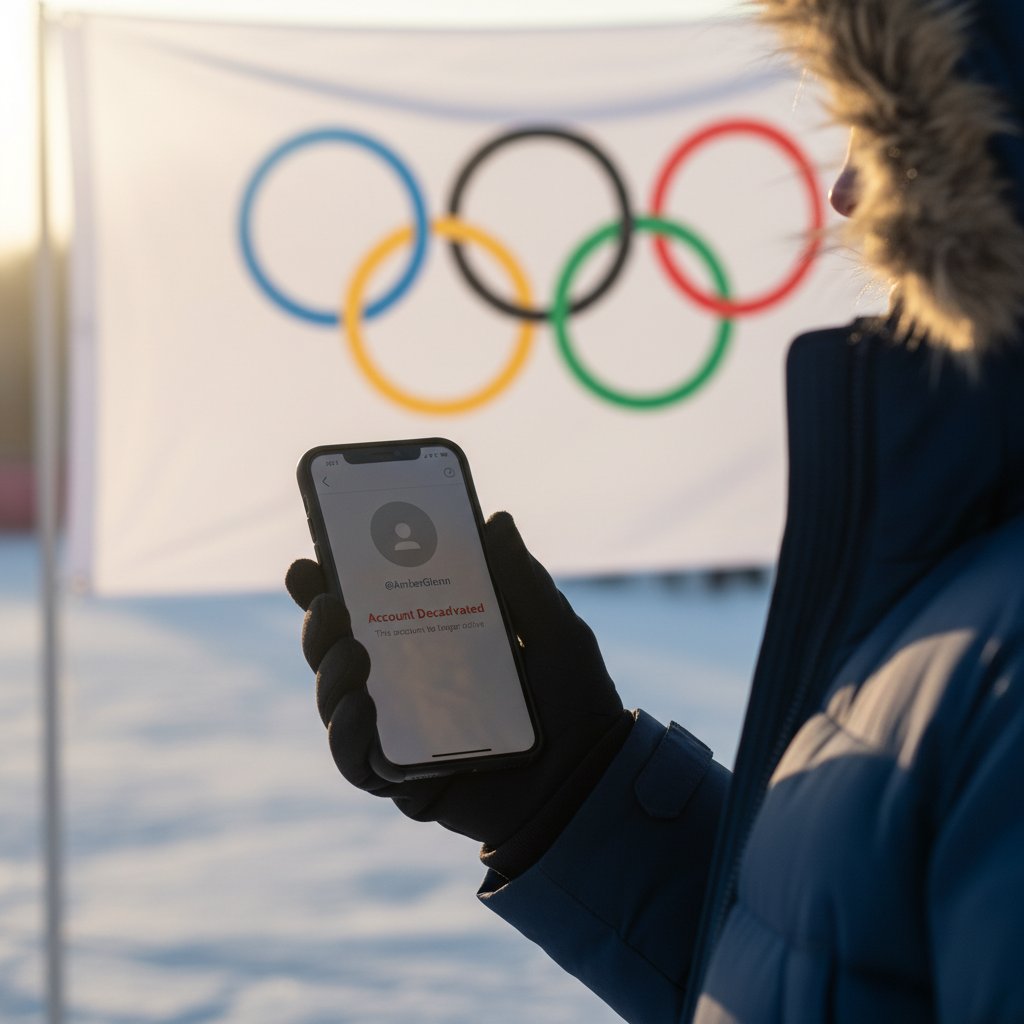
While the U.S. team celebrated their victory at the Mediolanum Forum, Glenn was forced to retreat from digital spaces. The skater deactivated her social media accounts following what her representatives described as a "coordinated wave of harassment" triggered by her recent comments regarding LGBTQ+ rights and American domestic politics. The situation highlights the increasing volatility faced by athletes who use their platforms for advocacy during the high-stakes environment of the Olympic Games.
A Victory Overshadowed by Digital Backlash
Glenn, who has long been a vocal representative of the LGBTQ+ community as a non-binary and pansexual athlete, found herself at the center of a political firestorm after a series of interviews conducted in the Olympic Village. In those conversations, Glenn addressed the challenges facing queer athletes and offered her perspective on the current political climate in the United States.
The response was immediate and bifurcated. While many fans and human rights organizations praised her for her transparency, a significant vocal minority targeted her with vitriolic comments, leading to her decision to step away from social media on the very day she reached the Olympic podium.
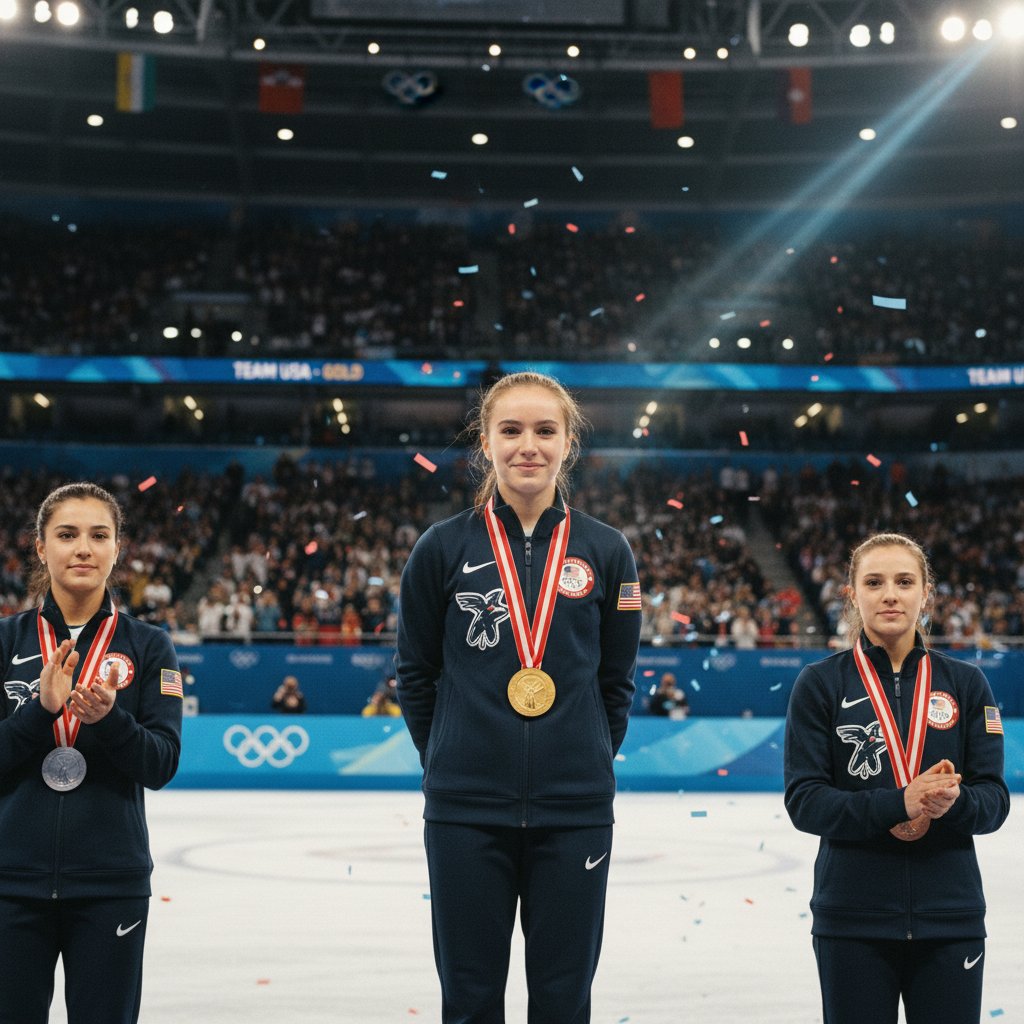
"It is a sobering reminder that even at the pinnacle of athletic success, the personal identity of an athlete can remain a flashpoint for broader societal conflicts," said Dr. Elena Rossi, a sports sociologist attending the games. "For Glenn, the gold medal is not just a reward for her triple axel, but a testament to her resilience under immense personal pressure."
The Copyright Controversy: 'The Return'
Adding to the complexity of Glenn’s Olympic week is a public objection from Canadian artist and filmmaker Seb McKinnon. McKinnon has expressed significant frustration over Glenn’s choice of music for her free skate program, which features his song "The Return."
In statements shared online, McKinnon claimed he did not authorize the use of his work for Glenn’s performance. The dispute has reignited a long-standing debate within the International Skating Union (ISU) regarding how music is licensed for competitive use. Historically, figure skaters have operated under "blanket licenses" held by venues and broadcasters, which generally cover the public performance of copyrighted music during competitions.
However, McKinnon’s objection centers on the association of his art with Glenn’s specific public persona and political stances. "Art is a choice," McKinnon stated in a social media post that circulated widely in the figure skating community. "To have a piece so personal used in a way that I did not vet is deeply frustrating."
Navigating Intellectual Property in Sport
The legalities of music in figure skating are notoriously opaque. While the ISU provides guidelines for music selection, the burden of copyright clearance often falls into a grey area between the athlete, the national federation, and the event organizers.
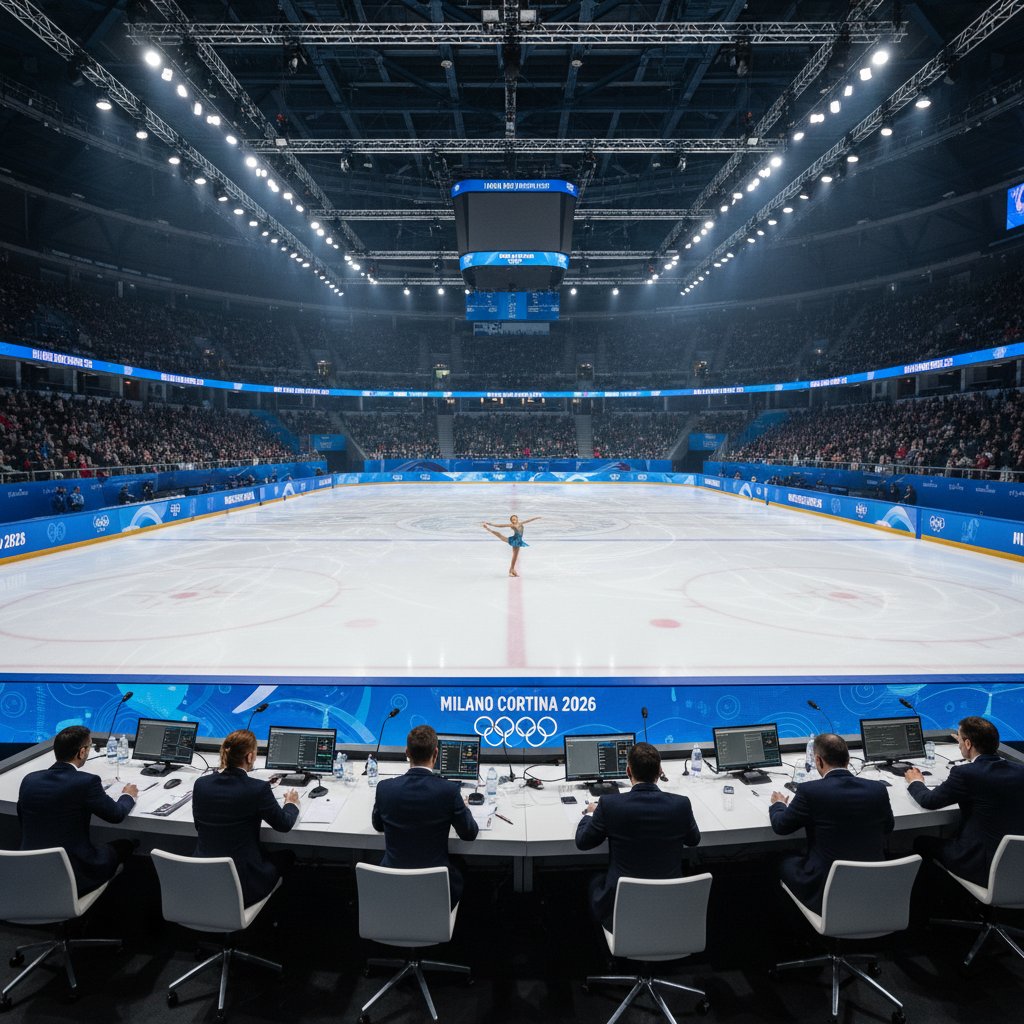
Legal experts suggest that while McKinnon may have a moral objection, the legal grounds for halting the use of the music during a sanctioned Olympic event are slim due to the existing agreements between the International Olympic Committee (IOC) and global music licensing bodies. Nevertheless, the controversy has cast a shadow over the technical brilliance of Glenn’s performance, which was lauded by judges for its emotional depth and technical precision.
U.S. Figure Skating issued a brief statement on Tuesday, noting: "We respect the creative rights of all artists. Our athletes work closely with choreographers to select music that resonates with their programs, adhering to the established protocols of international competition."
The Mental Health Toll on Elite Athletes
The convergence of political backlash and a public legal dispute has once again raised questions about the mental health support systems available to Olympic athletes. Glenn’s decision to "go dark" on social media mirrors actions taken by other high-profile athletes, such as Simone Biles and Naomi Osaka, who have prioritized mental well-being over public engagement.
The IOC has increased its mental health resources for the 2026 Games, providing "Safe Sport" officers and confidential counseling. However, the rapid-fire nature of social media means that athletes are often exposed to criticism before institutional support can intervene.
As the individual women’s event approaches later this week, the focus remains on whether Glenn can maintain her composure and technical form. She remains a podium favorite, but the "Milan Miracle" she hoped for is currently being tested by the harsh realities of the modern, hyper-connected world.
For now, Glenn is focusing on her training in a closed-loop environment, away from the digital noise. Whether this controversy leads to more stringent rules regarding music licensing or a shift in how athletes engage with political discourse remains to be seen. What is certain is that Amber Glenn’s gold medal will be remembered as much for the conversation it sparked as for the performance that earned it.