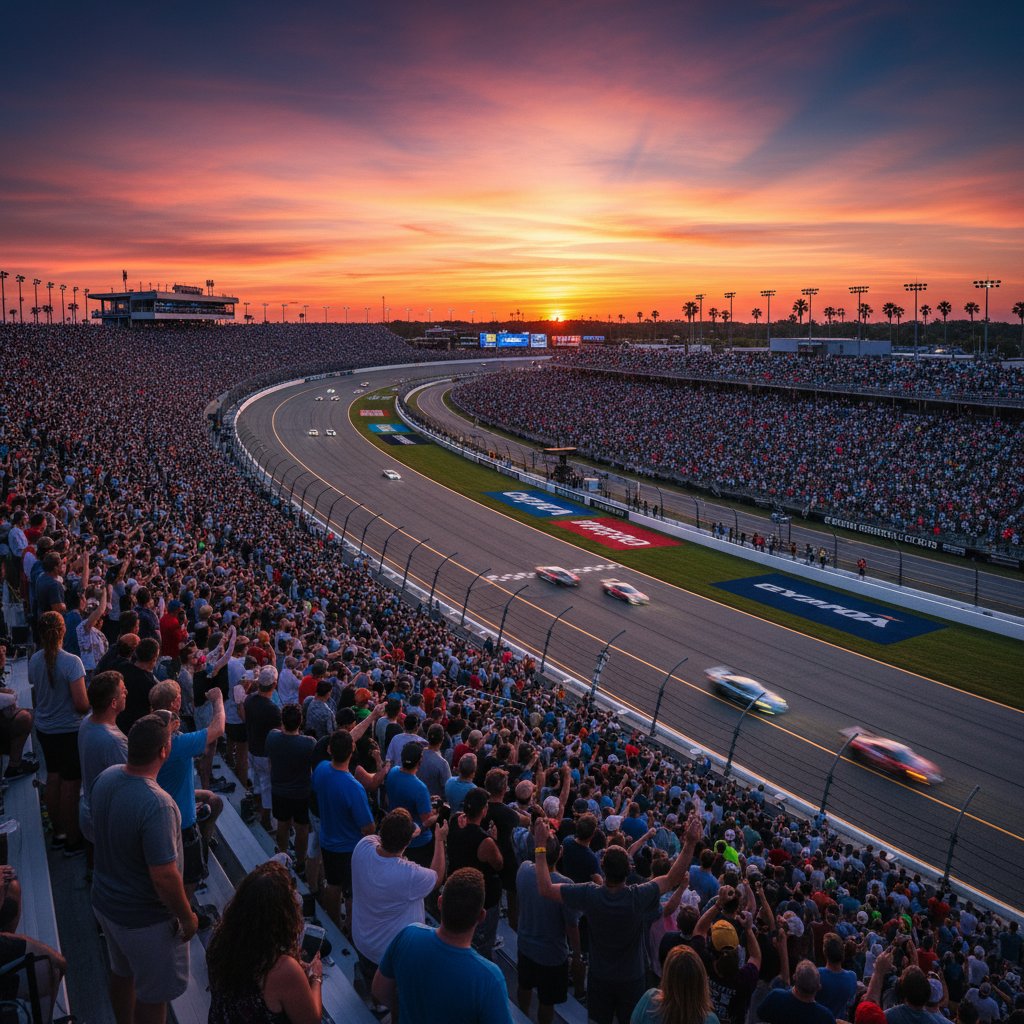
The 2026 NASCAR Cup Series season roared to life this week at Daytona International Speedway, but for many of the sport's top contenders, the "Great American Race" ended in a cloud of smoke and twisted metal. The 68th running of the Daytona 500, a cornerstone of American motorsports, was defined by aggressive drafting and a pair of mid-race incidents that decimated the field and left the leaderboard in a state of constant flux.
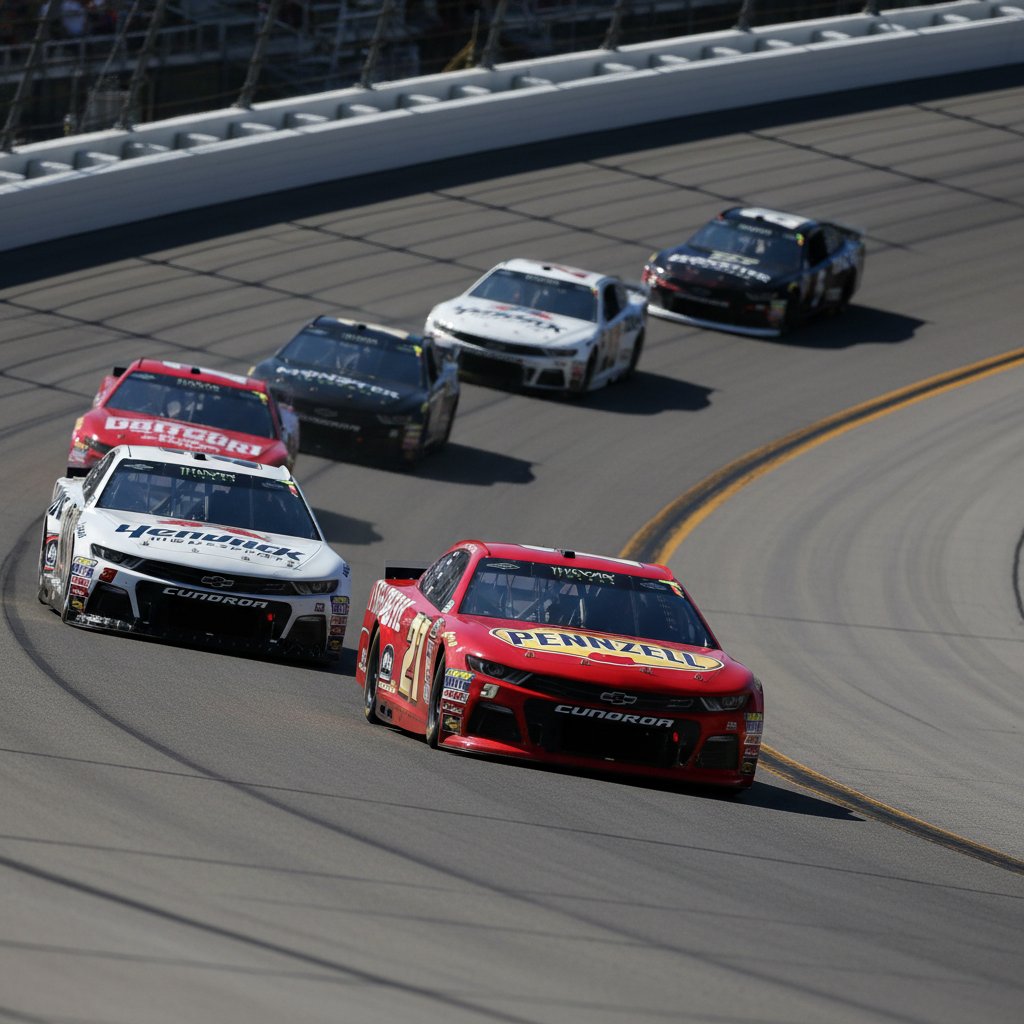
As Stage 2 progressed, the high-intensity pack racing that characterizes Daytona reached a breaking point. What began as a strategic chess match at 195 mph rapidly devolved into a survival struggle. The second significant wreck of the afternoon occurred during a frantic push for stage points, involving at least twelve cars and forcing several championship hopefuls to the garage.
Mid-Race Mayhem: The Stage 2 "Big One"
The atmosphere at Daytona Beach was electric as the field took the green flag for Stage 2, but that energy turned to anxiety on lap 85. While the field was running three-wide through Turn 4, a slight miscalculation in the middle lane triggered a chain reaction. The contact, though seemingly minor at first, sent the field into a tailspin, marking the second major multi-car incident of the day.
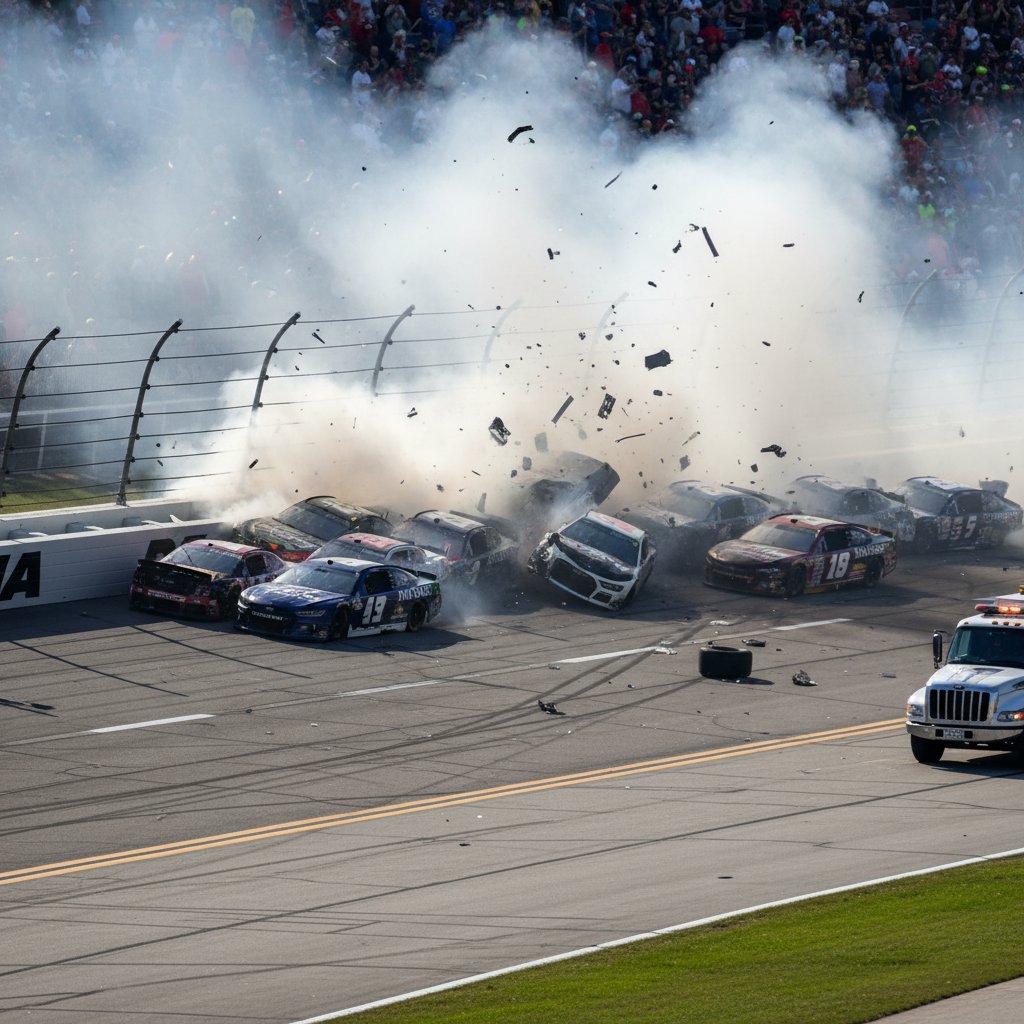
Eyewitnesses and pit road analysts noted that the aerodynamic sensitivity of the 2026-spec Cup cars contributed to the volatility of the pack. When the lead cars shifted to block a surging outside line, the resulting "air bubble" caused the mid-pack to lose stability. Among those caught in the carnage were several former Daytona winners, highlighting the unpredictable nature of restrictor-plate racing.
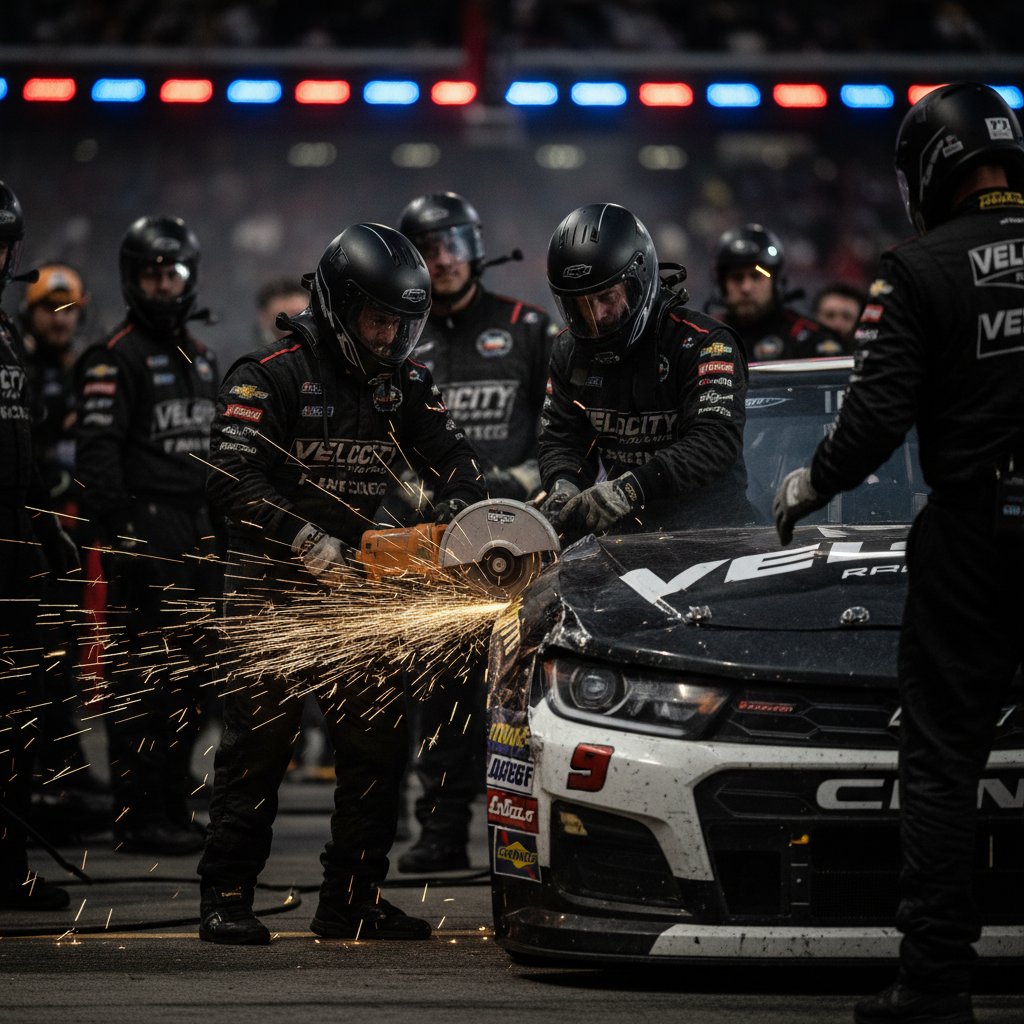
The cleanup effort was extensive, requiring a lengthy red-flag period to clear debris and repair the SAFER barriers. Track officials worked under the bright Florida sun to ensure the surface was race-ready, while teams in the garage area scrambled to assess if their damaged machines could meet the minimum speed requirements to return to the track.
Leaderboard Shakeup and Technical Resilience
Before the incidents, the race had been a showcase of manufacturer dominance, with Chevrolet and Ford trading the lead in a disciplined line. However, the Stage 2 wrecks acted as a Great Equalizer. With many of the pre-race favorites sidelined, several "underdog" teams found themselves propelled into the top ten, navigating through the smoke to find clean air.
NASCAR officials confirmed that the 2026 safety enhancements performed as expected during the impacts. Despite the high-speed nature of the collisions, all drivers involved were evaluated and released from the in-field care center. This technical resilience remains a focal point for the sport as it continues to refine the "Next Gen" platform to balance driver safety with the close-quarters racing fans demand.
Weather and Track Conditions
The 2026 event was blessed with ideal weather conditions, featuring clear skies and temperatures in the mid-70s. However, the track temperature at Daytona International Speedway can be a fickle variable. As the sun beat down on the asphalt, the "greasiness" of the track increased, making the cars harder to handle in the draft.
Wind gusts coming off the Atlantic Ocean also played a factor, particularly in the "tri-oval" section of the track. Drivers reported that crosswinds were buffeting the cars, making the task of holding a steady line at nearly 200 mph even more precarious. These environmental factors likely contributed to the "twitchiness" observed just before the Stage 2 wreck.
The Cultural Significance of the 500
The Daytona 500 remains more than just a race; it is a cultural touchstone that signals the end of the winter sports lull and the beginning of the grueling 36-race NASCAR season. For the fans who flooded the infield and the millions watching globally, the 2026 edition provided the high-stakes drama that has defined the event since 1959.
The spectacle of forty cars thundering past the grandstands at full throttle is a sensory experience unlike any other in professional sports. Even as the field thinned due to the Stage 2 incidents, the remaining drivers continued to push the limits, knowing that a win at Daytona provides an automatic entry into the playoffs and cements a legacy in the record books.
Frequently Asked Questions
What caused the second wreck in Stage 2? The wreck was triggered by mid-pack contact in Turn 4 as drivers attempted to form three-wide lines to gain stage points. The aerodynamic turbulence at high speeds made it difficult for drivers to recover once the initial contact occurred.
Were there any injuries reported? According to NASCAR's medical staff, all drivers involved in the Stage 2 incidents were evaluated at the in-field care center and cleared. The safety structures of the 2026 Cup cars successfully mitigated the impact forces.
How does this impact the season standings? As the first race of the year, the Daytona 500 offers a massive points haul. Early exits for top drivers mean they will be starting the season at a points deficit, while the eventual winner and high-finishers gain a significant advantage in the race for the 2026 Championship.