Pixel Watch Receives Major Functional Overhaul in March 2026 Feature Drop
Google has officially released its March 2026 Feature Drop, bringing a suite of highly anticipated upgrades to the Pixel Watch ecosystem. This latest software cycle focuses heavily on reducing friction for daily tasks, headlined by the introduction of Express Pay and more intuitive synchronization between wearable devices and their paired smartphones.
The update, which began rolling out to global users this week, represents Google’s ongoing commitment to a quarterly cadence of significant software improvements. While hardware iterations define the product's physical identity, these software "drops" have become the primary vehicle for maintaining the Pixel Watch's competitive edge against market leaders like Apple and Samsung.
The Arrival of Express Pay
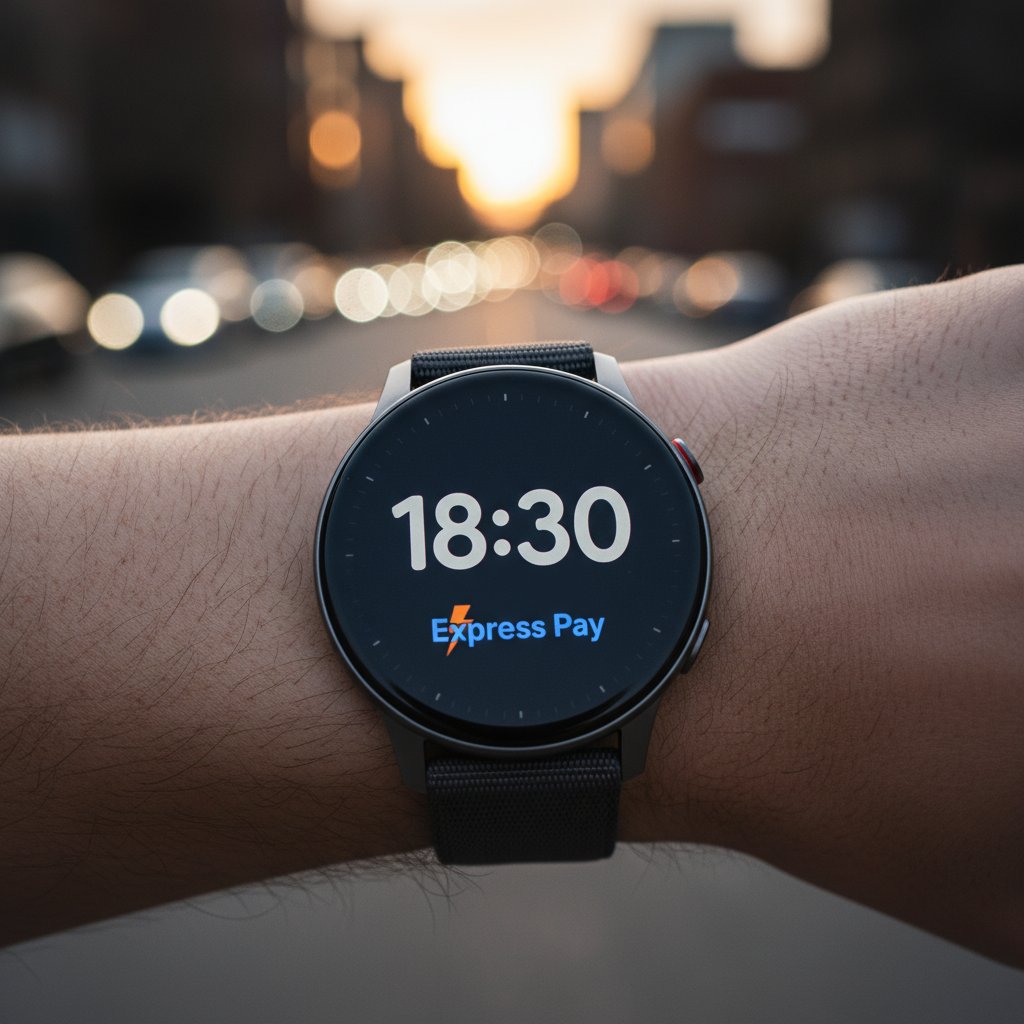
The centerpiece of the March update is Express Pay, a feature designed to streamline the digital payment experience. Previously, Pixel Watch users were required to manually open the Google Wallet application or double-click a physical button to prime the device for a Near Field Communication (NFC) transaction.
With the implementation of Express Pay, users can now make payments at compatible terminals without the need to wake the device or navigate through menus. This functionality brings the Pixel Watch in parity with long-standing features found on competing platforms, such as the Express Transit mode on Apple Watch. Industry analysts suggest this move is aimed specifically at urban commuters and high-frequency shoppers who prioritize speed at the point of sale.
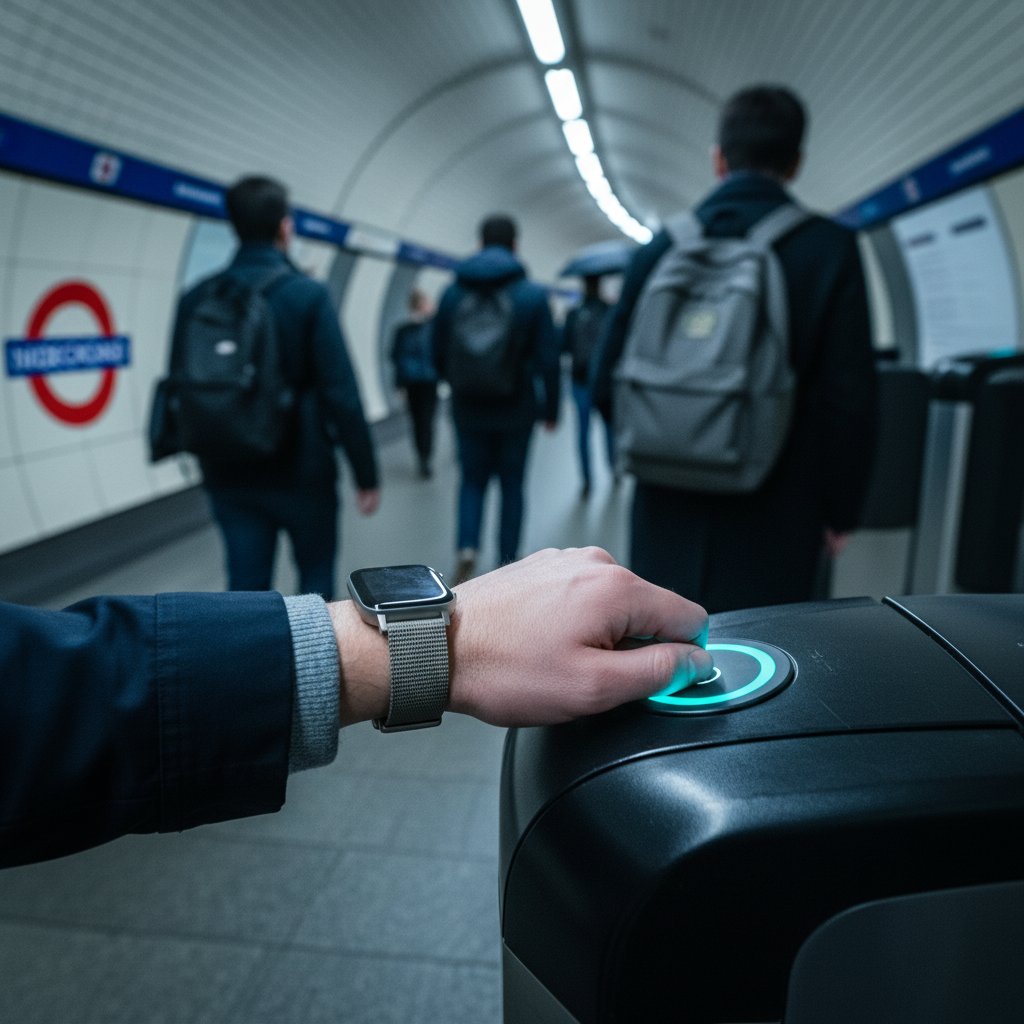
Google has emphasized that while Express Pay improves convenience, it does not compromise the device's underlying security architecture. The feature utilizes secure element (SE) chips to encrypt transaction data, and users can customize their security thresholds, such as requiring periodic authentication for transactions over a certain monetary value.
Enhancing the Multi-Device Experience
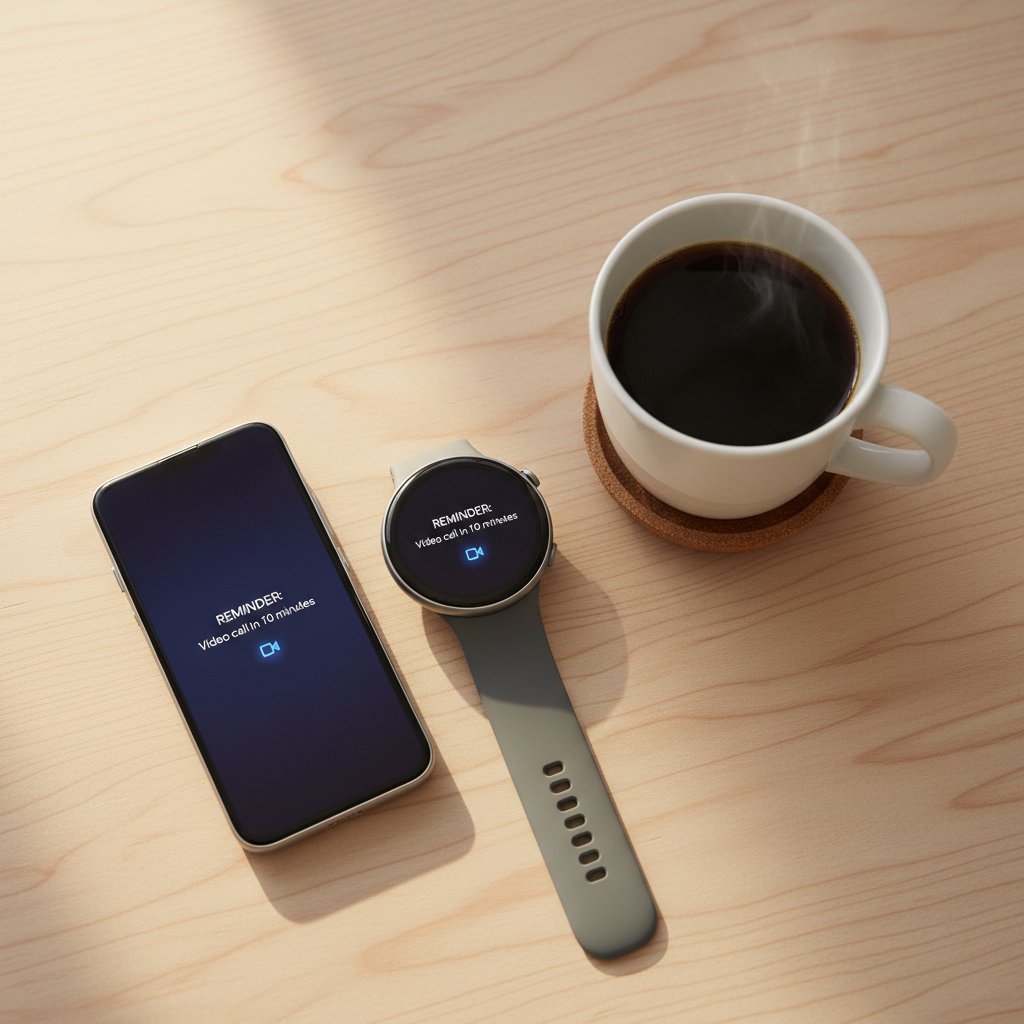
Beyond payments, the March 2026 update addresses long-standing user requests regarding device synchronization. A new "Phone Reminders" feature ensures that notification states are mirrored perfectly across devices. If a user dismisses a reminder or a calendar alert on their Pixel phone, the notification is instantly cleared from the watch, and vice versa.
This bidirectional syncing extends to Do Not Disturb and Bedtime modes, which have seen refinements in latency. Previously, some users reported a slight delay when transitioning between states, which often led to watches vibrating shortly after a phone was silenced. The new update utilizes an optimized Bluetooth LE (Low Energy) protocol to ensure these transitions are near-instantaneous.
Legacy Support and Backports
In a move that has been praised by consumer advocacy groups, Google is also "backporting" several features previously exclusive to the Pixel Watch 3 to older hardware versions. This includes improved heart-rate tracking algorithms and refined power-saving modes that were originally debuted as hardware-software optimizations for the latest flagship.
By extending these capabilities to the original Pixel Watch and Pixel Watch 2, Google is attempting to combat the perception of planned obsolescence in the wearable tech industry. This strategy not only rewards loyal early adopters but also stabilizes the secondary market for older Pixel devices, which remain viable options for budget-conscious consumers.
The Strategic Context of the March Drop
The timing of this update is significant. As the wearable market reaches a point of saturation, software differentiation has become the primary battleground. According to reports from market research firms, Google has steadily gained market share in the Android wearable space, largely due to the deep integration of its Fitbit health suite and the regular cadence of these Feature Drops.
The introduction of Express Pay and improved syncing is seen as a tactical move to solidify Google's "Ambient Computing" vision. In this model, the hardware becomes secondary to the services provided, allowing the user to interact with the Google ecosystem seamlessly, whether they are looking at a screen or simply tapping a wrist against a terminal.
User Reception and Implementation
Early feedback from the developer community suggests that the update is stable, though some users have noted that the initial installation process can take upwards of thirty minutes depending on the connection speed. Google recommends that users place their watches on their chargers during the update process to prevent power depletion during the firmware rewrite.
As with previous updates, the March 2026 Drop is being released in phases. While North American and European users are among the first to receive the notification, the global rollout is expected to conclude by the end of the month.
For the modern consumer, these updates represent more than just a list of new buttons; they represent the evolving nature of personal technology. A device purchased two years ago can, through these updates, gain the functionality of a brand-new model, fundamentally changing the lifecycle of consumer electronics.