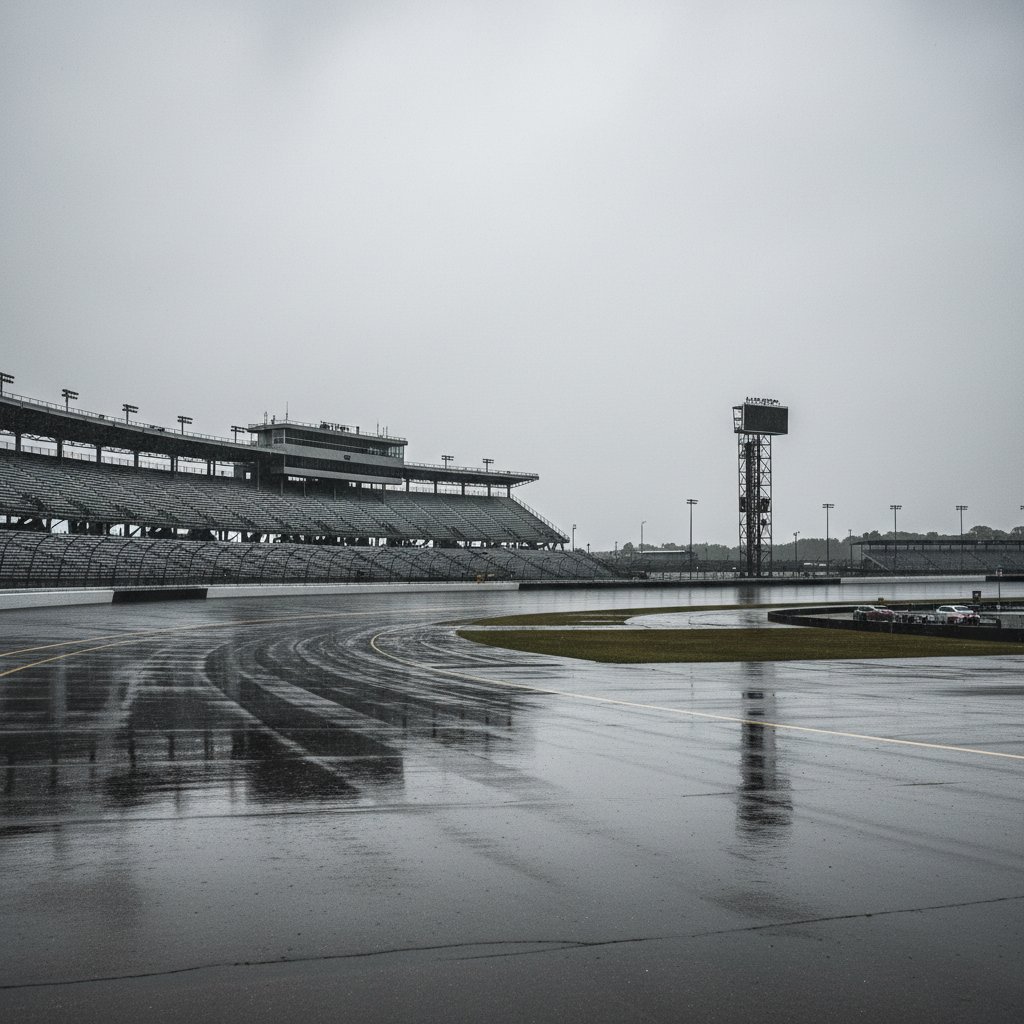
Inclement weather at Atlanta Motor Speedway forced NASCAR officials to cancel the Cup Series qualifying session on Saturday morning, placing Daytona 500 champion Tyler Reddick on the pole for Sunday’s race. A combination of persistent rain showers and lightning strikes in the Hampton, Georgia area prevented cars from taking to the track for their scheduled time trials.
The cancellation shifts the focus from raw qualifying speed to the NASCAR performance metric, a complex mathematical formula used to determine the starting lineup when on-track sessions are thwarted by weather or other unforeseen circumstances. For Reddick and the No. 45 23XI Racing team, the cancellation is a windfall that cements their early-season dominance.
The Science of the Starting Grid
When qualifying is cancelled, NASCAR relies on a weighted metric to organize the field. This system, which was slightly refined for the 2026 season, considers several factors from the previous race weekend to ensure the most competitive cars start at the front. The variables include:
- 15% of the driver's fastest lap rank from the previous race.
- 25% of the driver’s finishing position in the previous race.
- 25% of the team owner’s finishing position from the previous race.
- 35% of the team owner's points position.
Because Tyler Reddick is coming off a prestigious victory at the Daytona 500 just one week ago, his metric score was the lowest in the field (where a lower score results in a higher starting position). Reddick will be joined on the front row by fellow standout Joey Logano, who also benefitted from a strong performance in the season opener.
Strategic Implications for Atlanta
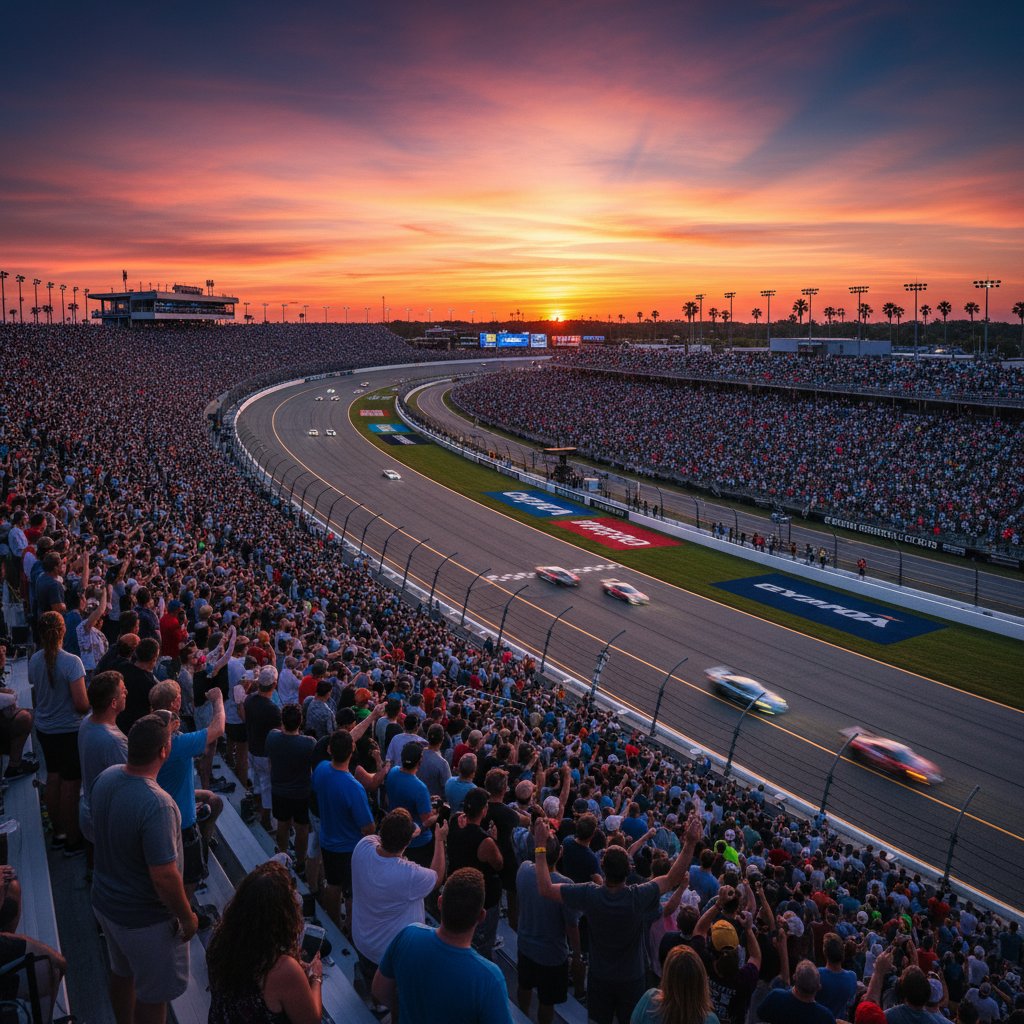
Starting on the pole at the "new" Atlanta Motor Speedway carries significant weight. Since the track’s reconfiguration in 2022, which increased banking to 28 degrees and narrowed the racing surface, Atlanta has functioned more like a superspeedway—reminiscent of Talladega and Daytona. In this environment, pack racing is the norm, and track position is a vital commodity.
Leading the field to the green flag allows Reddick to dictate the initial pace and, more importantly, stay ahead of the "Big One"—the multi-car accidents that frequently occur in the middle of the pack when drivers are racing three-wide at nearly 190 mph.
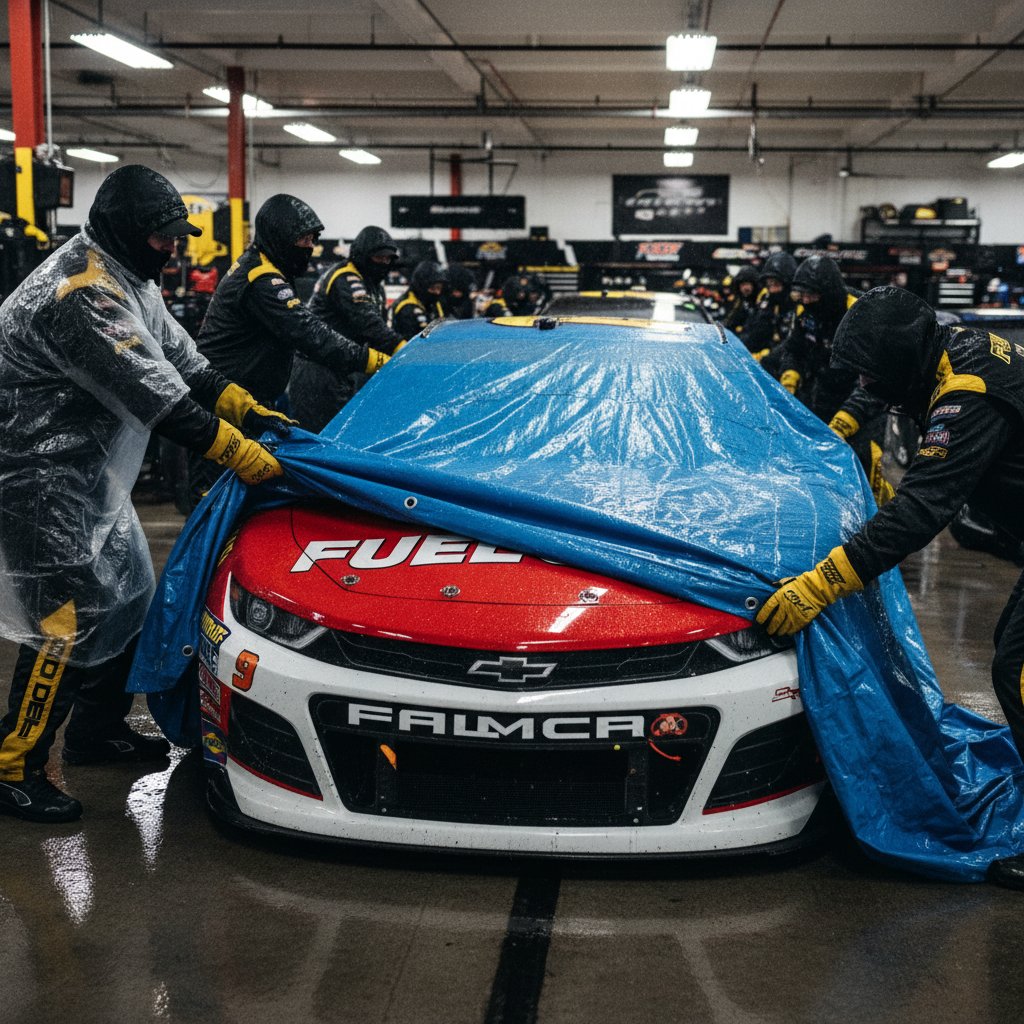
"It’s not how we wanted to earn the pole; you always want to go out there and prove the speed in the car," Reddick told reporters near the garage area as teams worked to cover their equipment. "But with the way this track races now, being up front and having that first pit stall choice is a massive advantage for our Toyota Camry."
Challenges for the Field
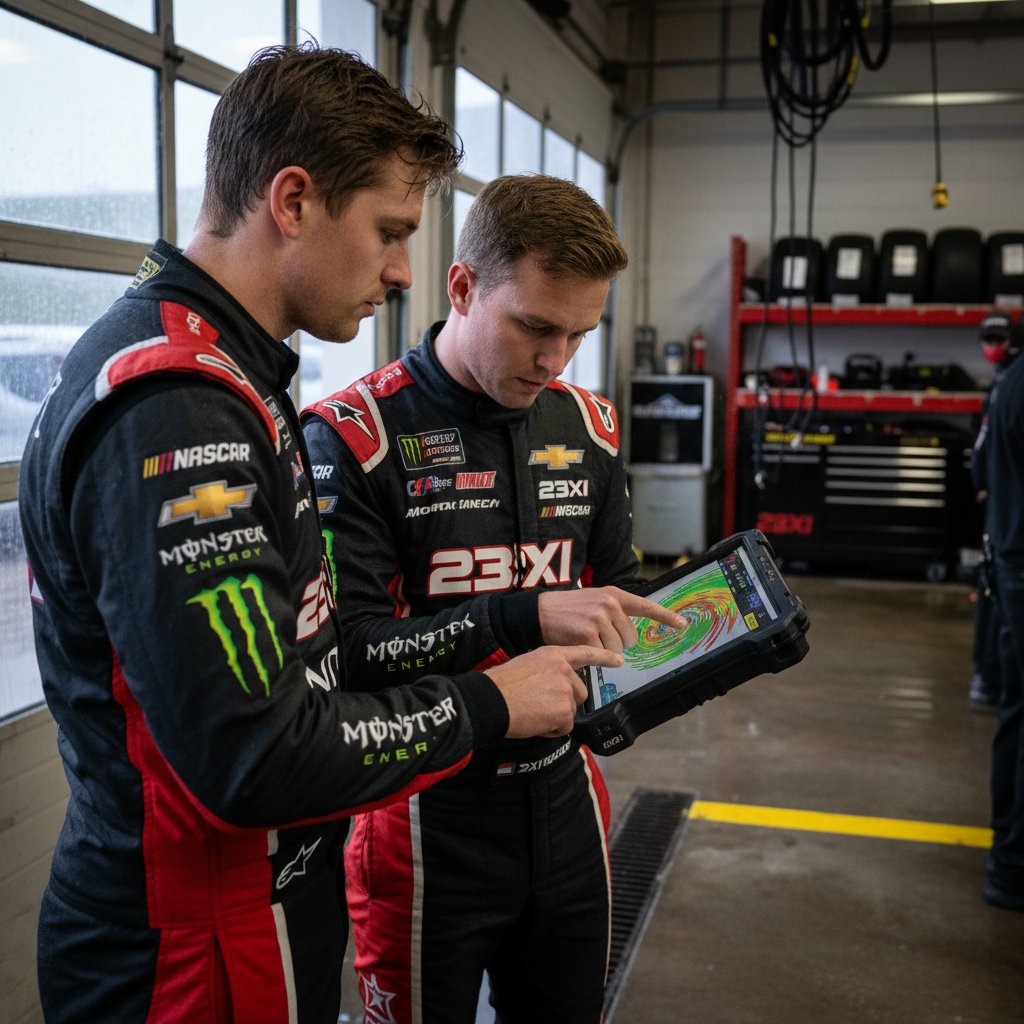
The cancellation of qualifying creates a ripple effect throughout the garage. Teams that struggled at Daytona find themselves buried deep in the field for Sunday’s event, regardless of how much speed they may have found in their shops over the last seven days.
Veterans like Kyle Busch and Chase Elliott, who faced early exits in the Daytona 500, will find themselves starting in the mid-pack. This forces their respective crews to rethink their pit strategies, potentially opting for "off-sequence" stops to leapfrog the field during the first stage of the race.
Furthermore, the lack of practice and qualifying laps means teams are heading into Sunday’s race with limited data on how the current tire compound will wear on the abrasive Atlanta asphalt under race conditions.
Weather Outlook and Race Preparedness
While Saturday’s lightning caused an immediate safety halt, NASCAR officials remain optimistic about the forecast for Sunday. Air Titans and track drying equipment were deployed immediately after the rain subsided to ensure the surface was maintained, though the lack of rubber buildup from practice sessions may result in a "green" track for the start of the race.
The Quaker State 400 is expected to draw a significant crowd, as the Atlanta market continues to be a cornerstone for NASCAR’s Southeast presence. For fans, the cancellation of qualifying is a disappointment, but it sets the stage for a high-stakes Sunday where the best in the business must rely on instinct rather than prepared qualifying data.
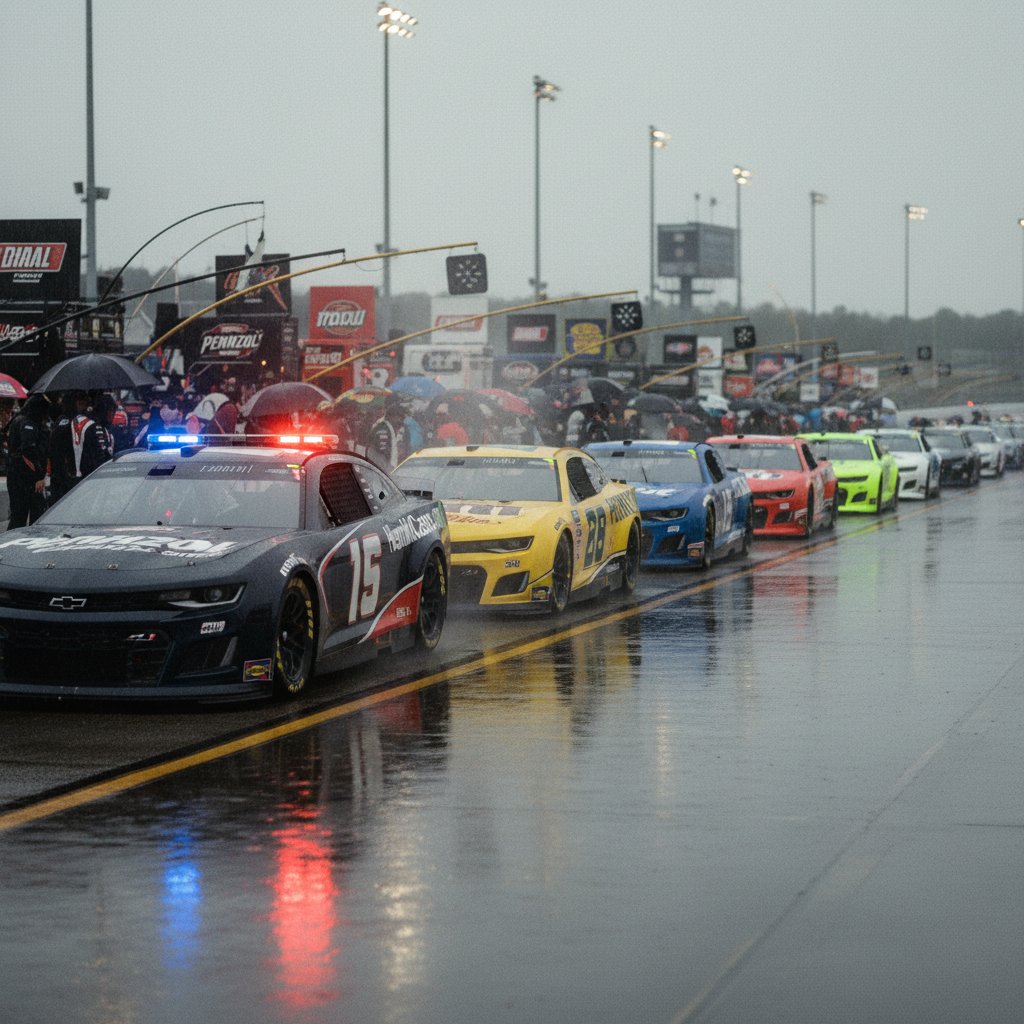
As the series moves from the high banks of Daytona to the drafting-heavy atmosphere of Atlanta, the momentum clearly sits with 23XI Racing. Whether Reddick can translate a "metric pole" into a second consecutive victory remains the primary storyline heading into tomorrow's green flag.