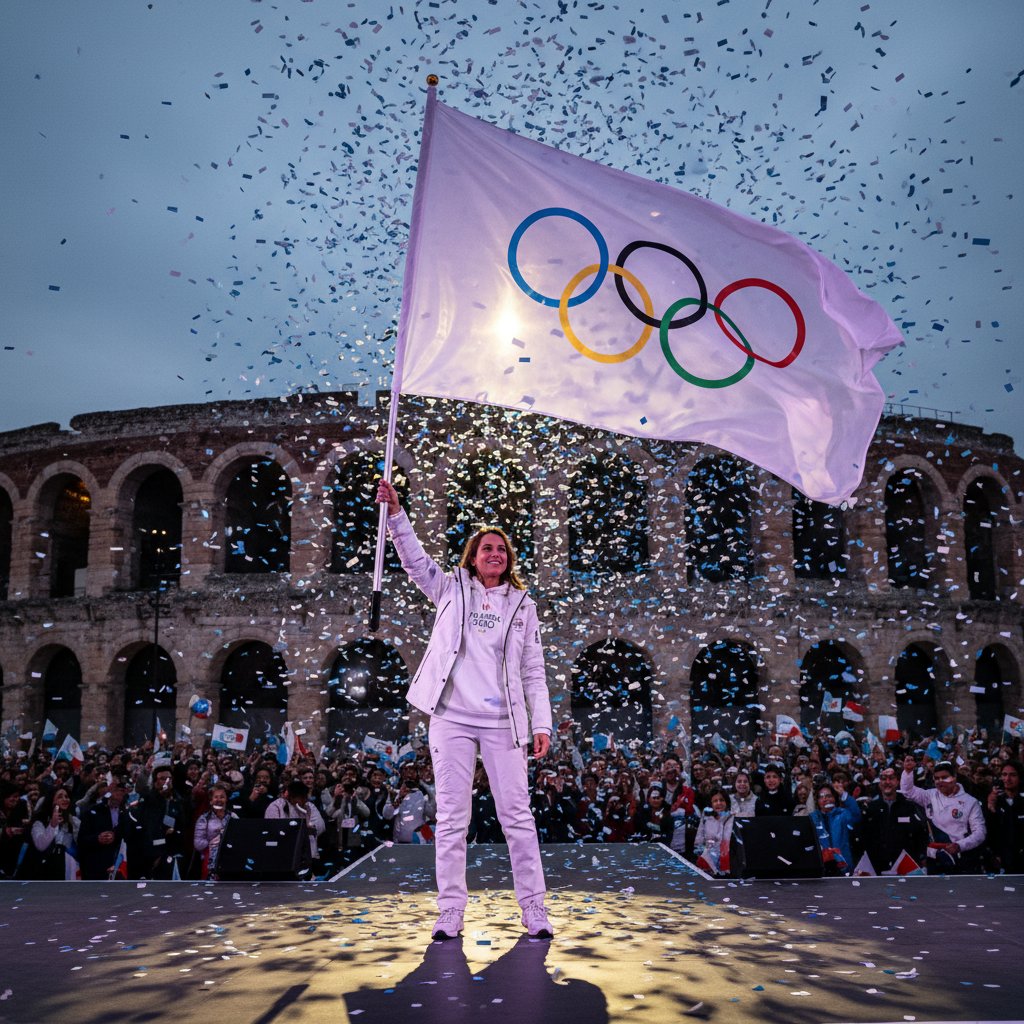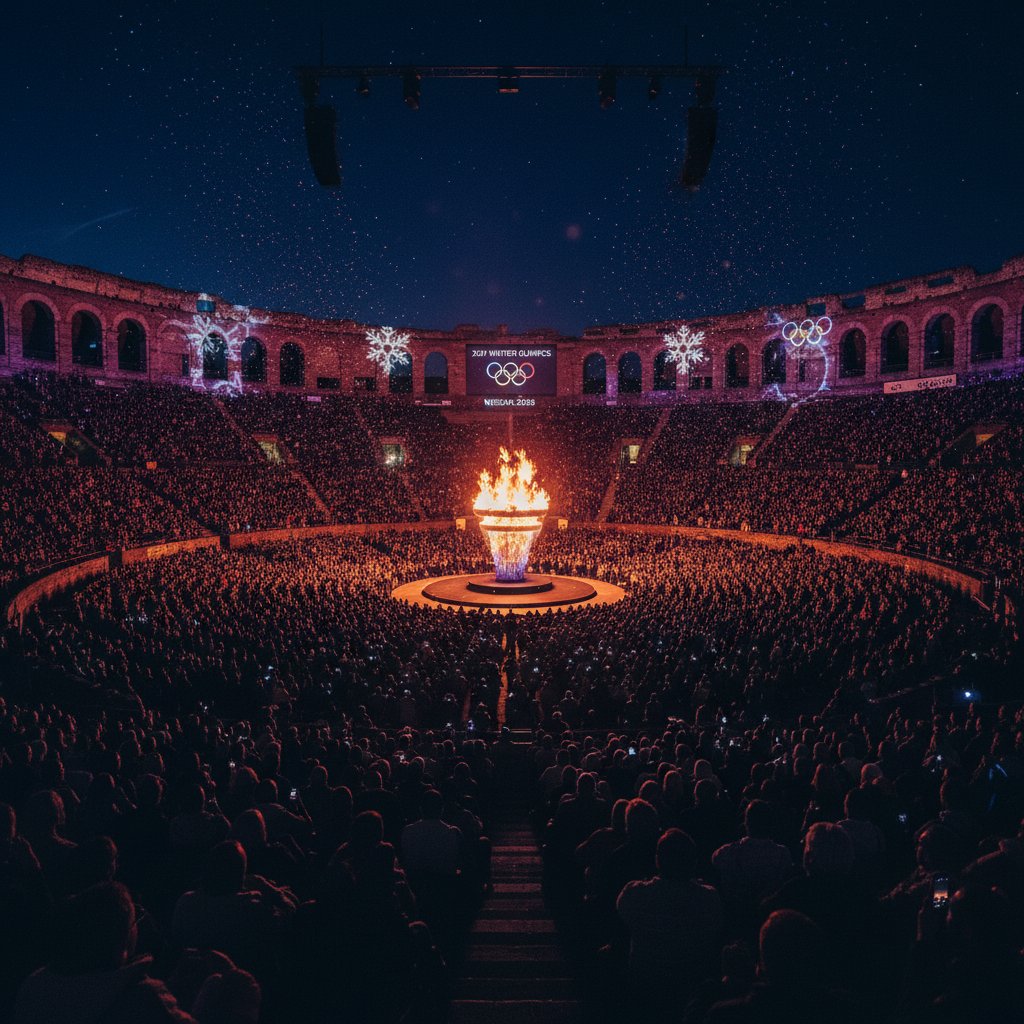
The Olympic flame was extinguished Sunday night amidst the ancient stone tiers of the Verona Arena, signaling the end of the XXV Olympic Winter Games. After 16 days of competition across the Italian Alps and the urban heart of Milan, the Milano Cortina 2026 Games have been hailed by International Olympic Committee (IOC) officials as a successful blueprint for the future of sustainable, multi-hub sporting events.
The closing ceremony, a vibrant tapestry of Italian culture, operatic tradition, and high-tech light displays, focused on the theme of "Duality and Harmony." It bridged the gap between the cosmopolitan energy of Milan and the rugged, natural beauty of the Dolomites. As the Olympic flag was handed over to the representatives of the 2030 hosts from the French Alps, the world looked back on a Winter Games that felt like a return to the roots of winter sports.
A Dominant Display on the Medal Table
Norway once again asserted its status as the world’s winter sports superpower, finishing atop the medal standings for the third consecutive Winter Games. Driven by an exceptional performance in cross-country skiing and biathlon, the Norwegian contingent fended off a late surge from Germany and the United States.
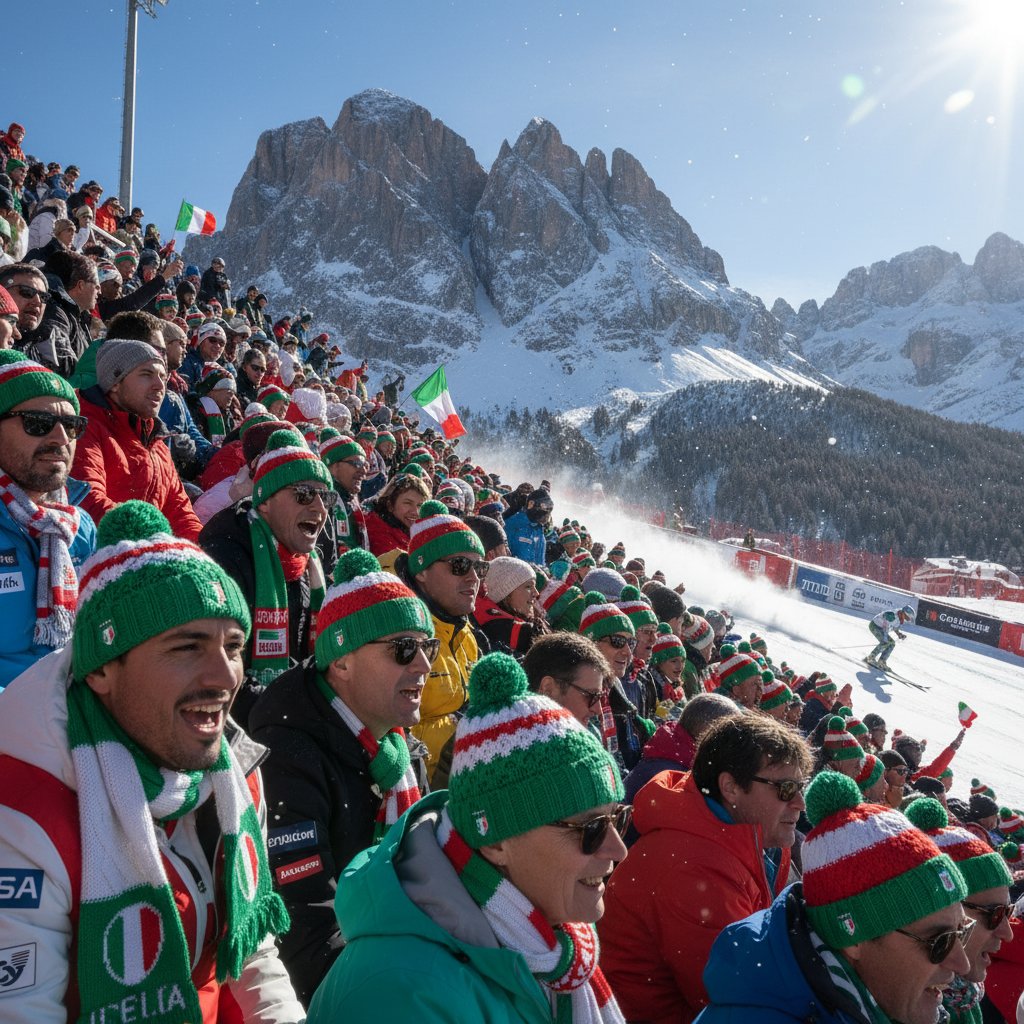
Italy, the host nation, enjoyed its most successful Winter Olympics in decades. The "Azzurri" saw a surge in Alpine skiing and short-track speed skating, buoyed by vocal home crowds in Cortina d’Ampezzo and Bormio.
| Nation | Gold | Silver | Bronze | Total |
|---|---|---|---|---|
| Norway | 16 | 11 | 13 | 40 |
| Germany | 12 | 10 | 8 | 30 |
| United States | 10 | 9 | 12 | 31 |
| Italy | 9 | 10 | 7 | 26 |
| Canada | 8 | 8 | 11 | 27 |

The Success of the Multi-Hub Model
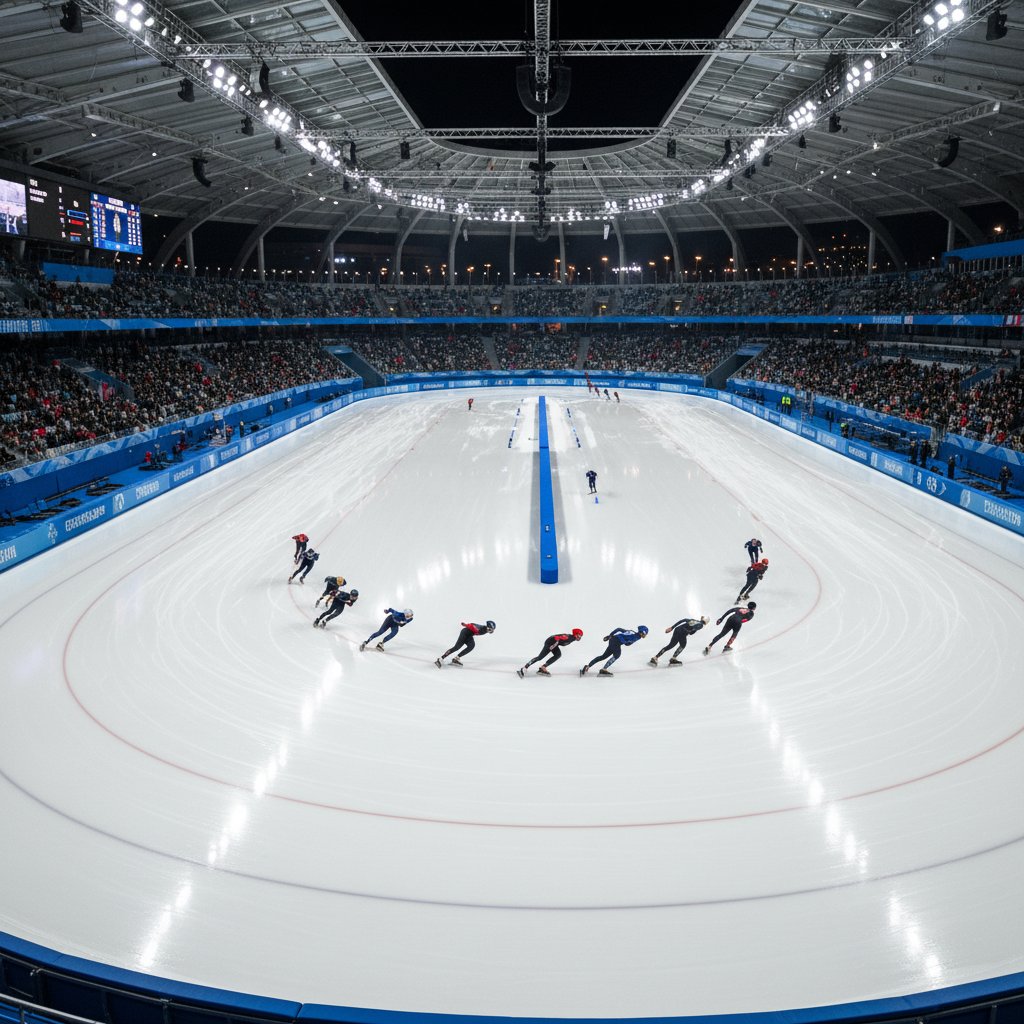
Unlike the centralized "Olympic Park" models of the past, Milano Cortina 2026 was spread across 22,000 square kilometers. While critics initially feared that the distance between venues would dilute the Olympic atmosphere, the reality proved different. By utilizing existing world-class facilities like the Stelvio slope in Bormio and the Antholz biathlon center, organizers minimized environmental impact and ensured that every event was held in a "spiritual home" for that specific discipline.
"This was the most sustainable Winter Games in history," said IOC President Thomas Bach during his closing address. "By bringing the games to the people and using the majestic Italian Alps as our stadium, we have shown that the Olympics can adapt to the environment, rather than forcing the environment to adapt to the Olympics."
Athletes generally praised the logistics, citing the proximity of Olympic villages to the actual competition sites, even if it meant the delegation was fragmented. The use of high-speed rail links between Milan and the mountain regions helped transport thousands of spectators, though some congestion was reported in the narrow valleys of the Dolomites during the final weekend.
Defining Moments and Breakthrough Stars
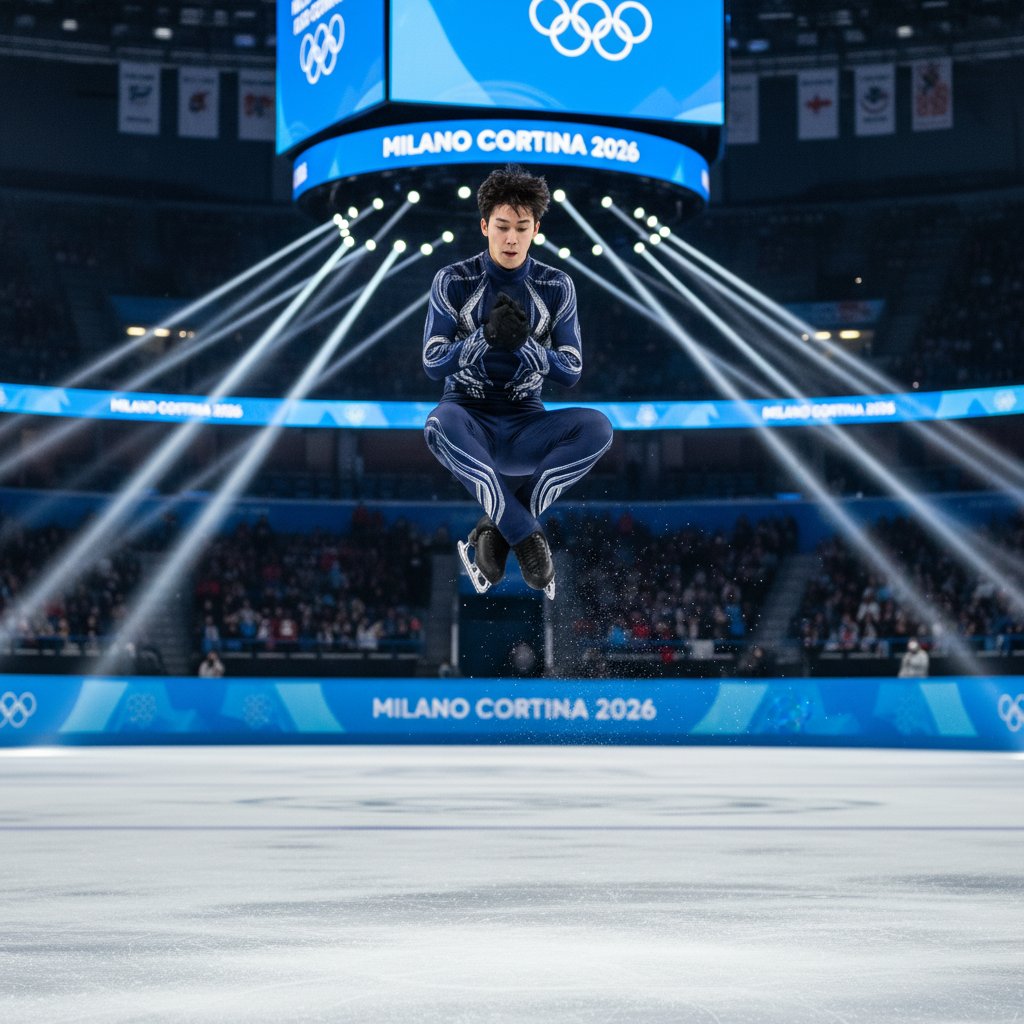
The 2026 Games will be remembered for several historic individual achievements. In the women’s figure skating, the return to grace and technical precision captivated audiences at the Mediolanum Forum. Meanwhile, the debut of Ski Mountaineering (SkiMo) as an Olympic sport proved to be a breakout hit, drawing massive television audiences and showcasing the grueling endurance required for the discipline.
Environmental concerns remained a talking point throughout the fortnight. Unseasonably warm temperatures in early February required the extensive use of sophisticated snow-making technology in Bormio, highlighting the ongoing challenges faced by winter sports in an era of climate change. Organizers countered these concerns by powering all venues with 100% renewable energy, a first for a Winter Games.
Looking Toward 2030
The "Antwerp-to-Chamonix" transition saw the Olympic flag pass into French hands. The 2030 Games, centered in the French Alps, are expected to follow a similar decentralized model to Milano Cortina. The success of the Italian games has provided a roadmap for future hosts, emphasizing the use of existing infrastructure over the construction of "white elephant" venues.
As fans depart the snowy peaks of the Valtellina and the bustling streets of Milan, the legacy of 2026 remains clear: a celebration of heritage, a victory for sustainability, and a reminder of the enduring power of the Olympic spirit to unite a fractured world.