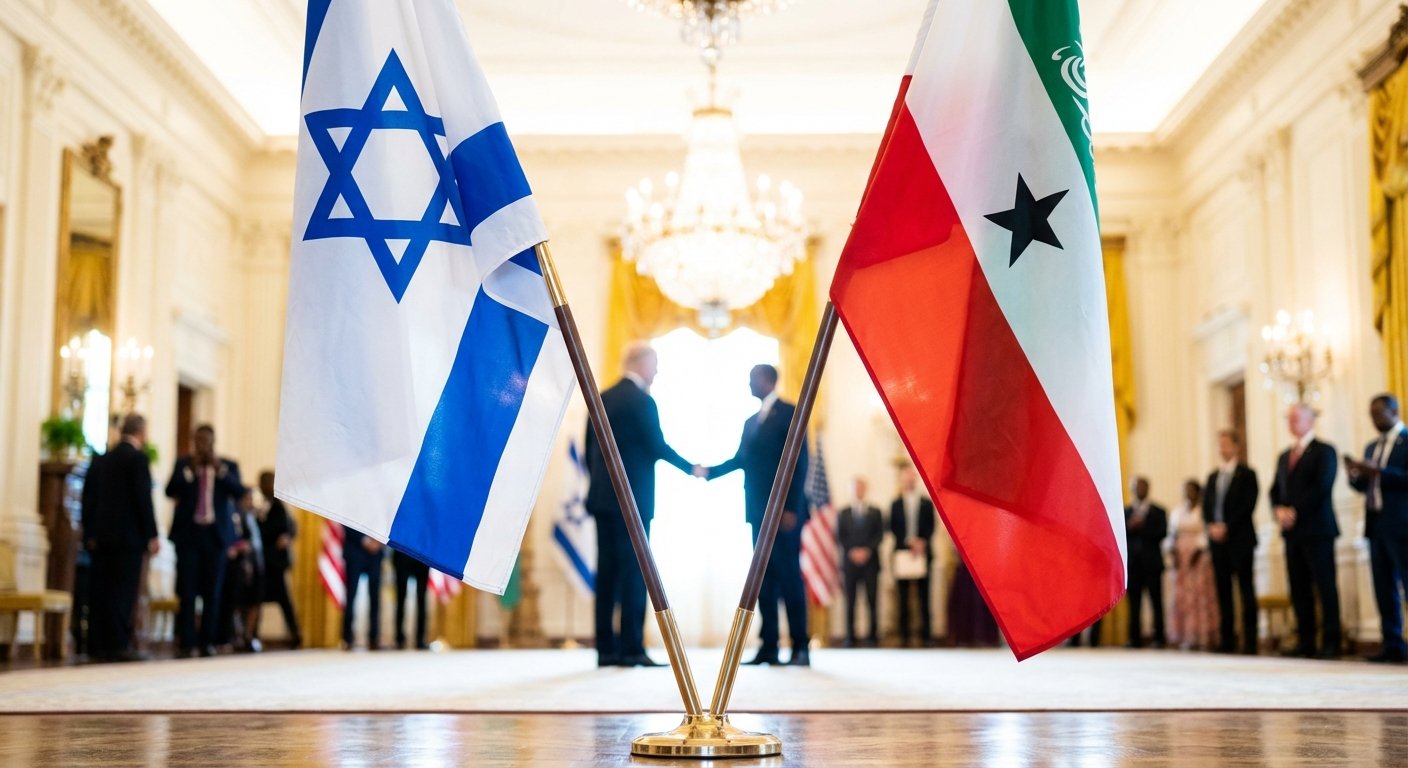
HARGEISA/JERUSALEM — In a move that has sent shockwaves through the Horn of Africa and the Middle East, Israel has officially recognized the Republic of Somaliland as a sovereign state. The announcement, made late Monday, marks a historic departure from decades of international consensus regarding the territorial integrity of Somalia and signals a bold new phase in Israel’s "periphery doctrine" of regional alliances.
The decision was formalized through a joint communiqué issued by the Israeli Ministry of Foreign Affairs and the Somaliland Ministry of Foreign Affairs and International Cooperation. According to the statement, the two nations will immediately begin the process of establishing full diplomatic missions in Jerusalem and Hargeisa.
A Strategic Pivot in the Red Sea
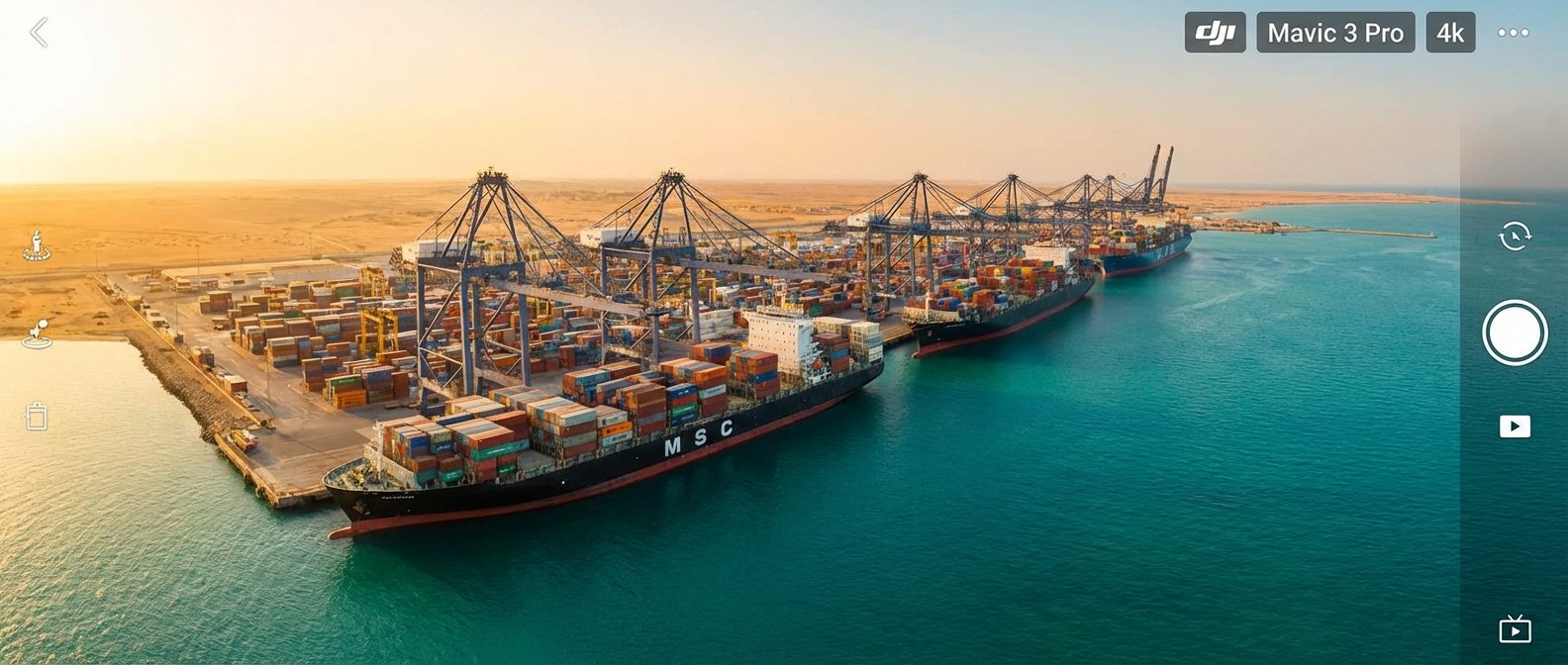
The timing of the recognition, as reported by the Wall Street Journal, reflects Israel’s growing concern over maritime security in the Red Sea. Following years of volatility in the Bab el-Mandeb strait—exacerbated by regional proxy conflicts and piracy—Jerusalem appears to be prioritizing stable partners along the East African coast.
Somaliland, which declared independence from Somalia in 1991 but has remained internationally unrecognized for 35 years, offers a unique strategic advantage. Its deep-water port at Berbera has seen significant investment from global players, including DP World, and serves as a vital gateway for landlocked Ethiopia. By formalizing ties, Israel gains a reliable democratic partner in a region often defined by instability.
Regional Reactions and Diplomatic Friction
The reaction from Mogadishu was swift and uncompromising. The Federal Government of Somalia (FGS) issued a statement condemning the move as a "blatant violation of international law and Somali sovereignty." Somalia’s leadership has already recalled its ambassador from nations perceived to be facilitating Somaliland’s quest for statehood and has called for an emergency session of the African Union (AU).
While the AU has historically been hesitant to redraw colonial-era borders, Israel's move places several African nations in a difficult position. Ethiopia, which signed a controversial Memorandum of Understanding (MoU) with Somaliland in 2024 for port access, is expected to follow Israel’s lead, potentially creating a new bloc of cooperation that bypasses the traditional authority of the Somali federal state.
"This is not just about two nations exchanging ambassadors," says Dr. Elena Vance, a senior fellow at the Institute for Horn of Africa Studies. "This is about the creation of a 'Security Corridor' linking the Mediterranean to the Indian Ocean. Israel is betting that Somaliland’s internal stability makes it a more viable long-term partner than the fragile federal structure in Mogadishu."
Economic and Security Implications
Beyond the symbolic weight of recognition, the agreement includes several bilateral frameworks for cooperation:
- Maritime Security: Joint patrols and intelligence sharing to safeguard shipping lanes against insurgent threats.
- Agricultural Technology: Somaliland will adopt Israeli arid-land farming techniques to combat the chronic droughts affecting the region.
- Cybersecurity: Israel has pledged to assist Hargeisa in building a robust digital infrastructure for its nascent banking and government sectors.
The Global Precedent
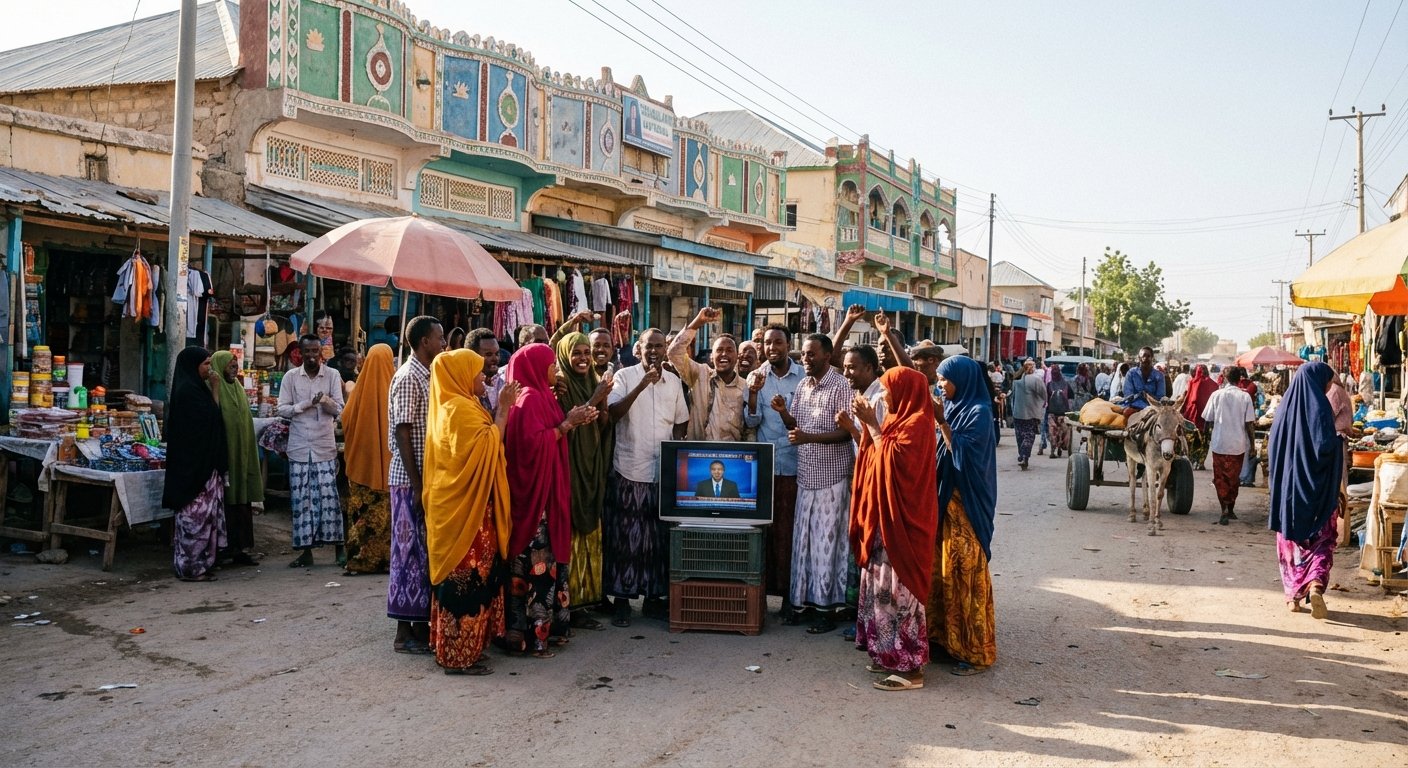
For Somaliland, this recognition is the culmination of a decades-long diplomatic marathon. Despite operating as a de facto state with its own currency, passport, and democratic elections, the international community has largely deferred to the "One Somalia" policy. Israel’s decision breaks that dam, potentially encouraging other Western and Middle Eastern nations to formalize their own ties with Hargeisa.
However, the move is not without risks. Critics argue that bypassing the central government in Mogadishu could embolden secessionist movements elsewhere in Africa and exacerbate tensions within the Arab League, where Somalia remains a member.
As of Tuesday morning, the United States State Department has issued a neutral statement, noting that while it "acknowledges the evolving regional dynamics," it continues to support the mediation efforts led by the African Union.
Frequently Asked Questions
Why has Somaliland not been recognized until now?
Since 1991, the international community, led by the African Union, has feared that recognizing Somaliland would set a precedent for other secessionist movements across the continent, potentially leading to widespread instability.
What does Israel gain from this?
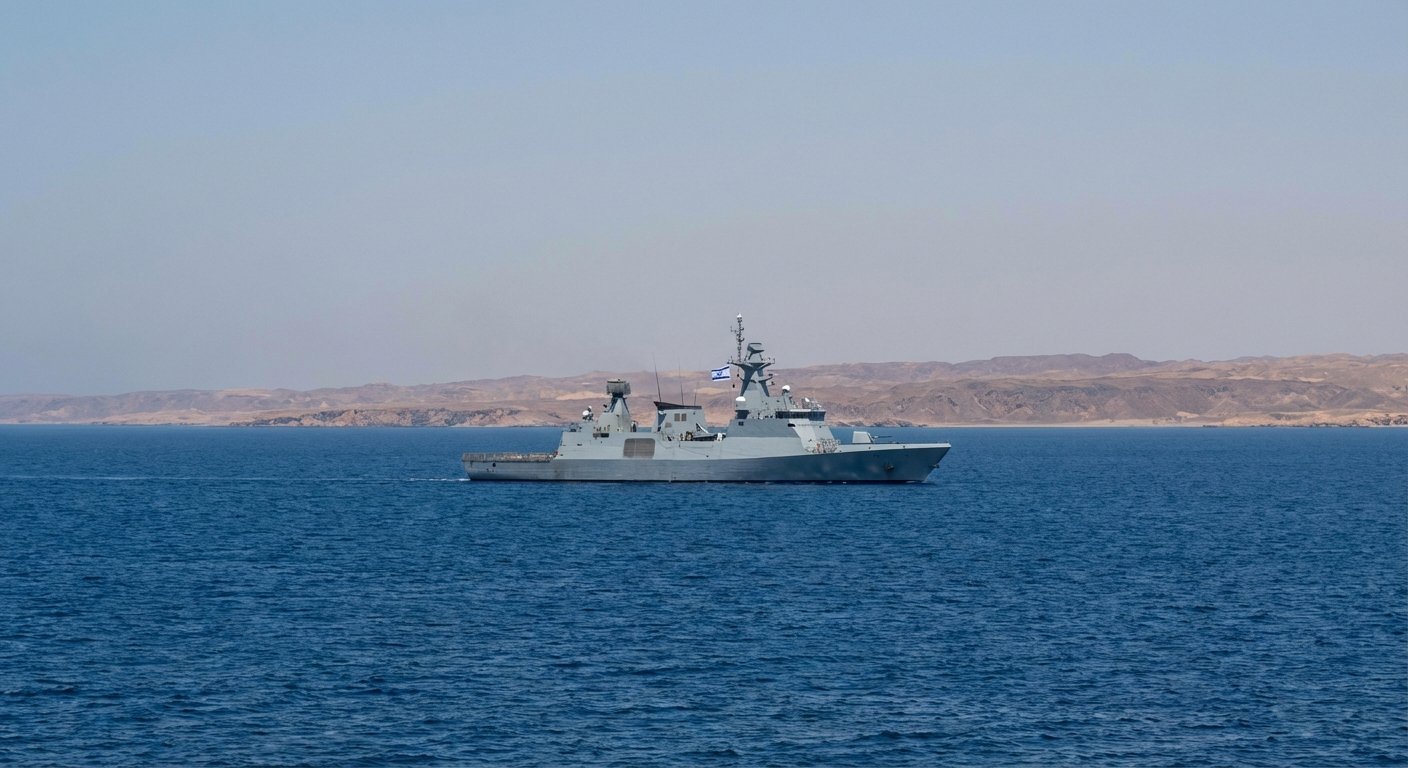
Israel gains a strategic foothold in the Horn of Africa, providing it with better surveillance and security capabilities in the Red Sea, an essential transit route for Israeli and global trade.
Will this lead to war?
While tensions are high, analysts suggest that a full-scale military conflict is unlikely. However, diplomatic and economic sanctions between Mogadishu and Hargeisa are expected to intensify in the coming weeks.