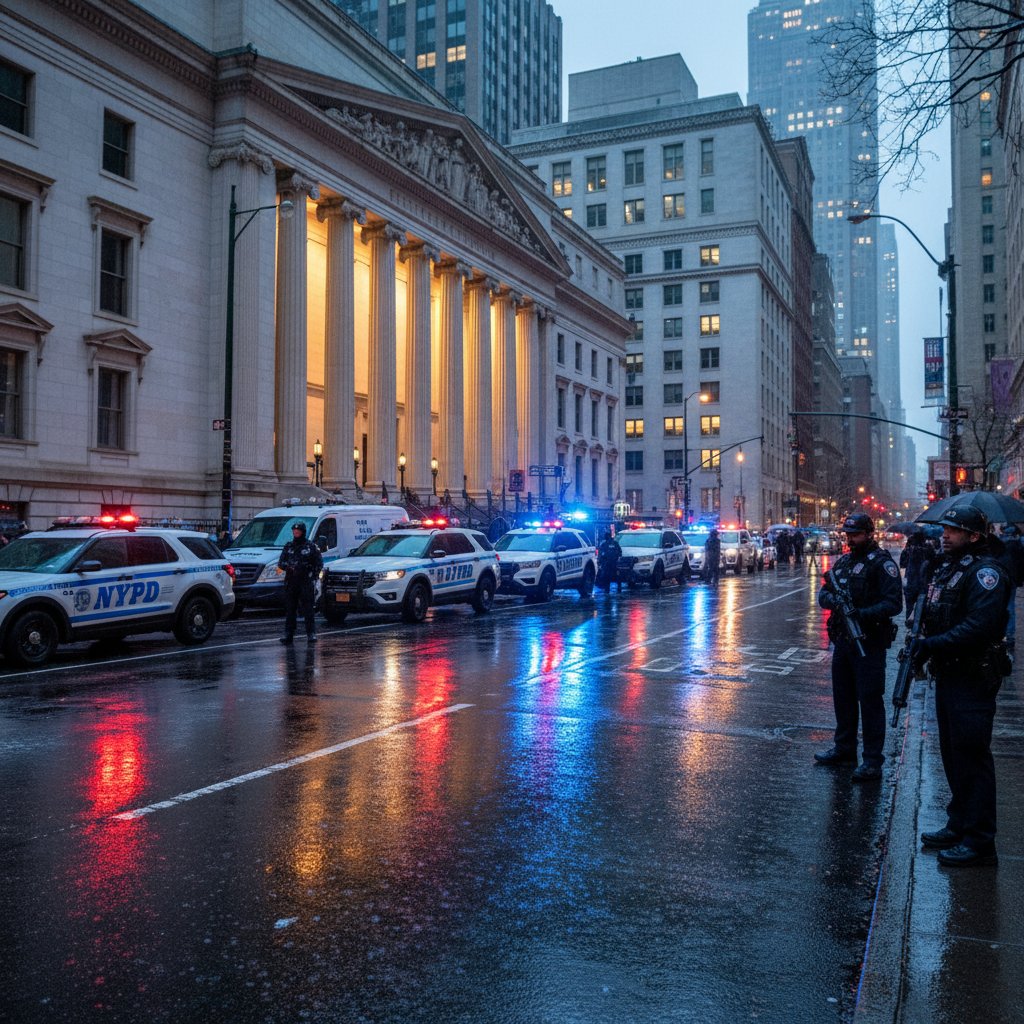
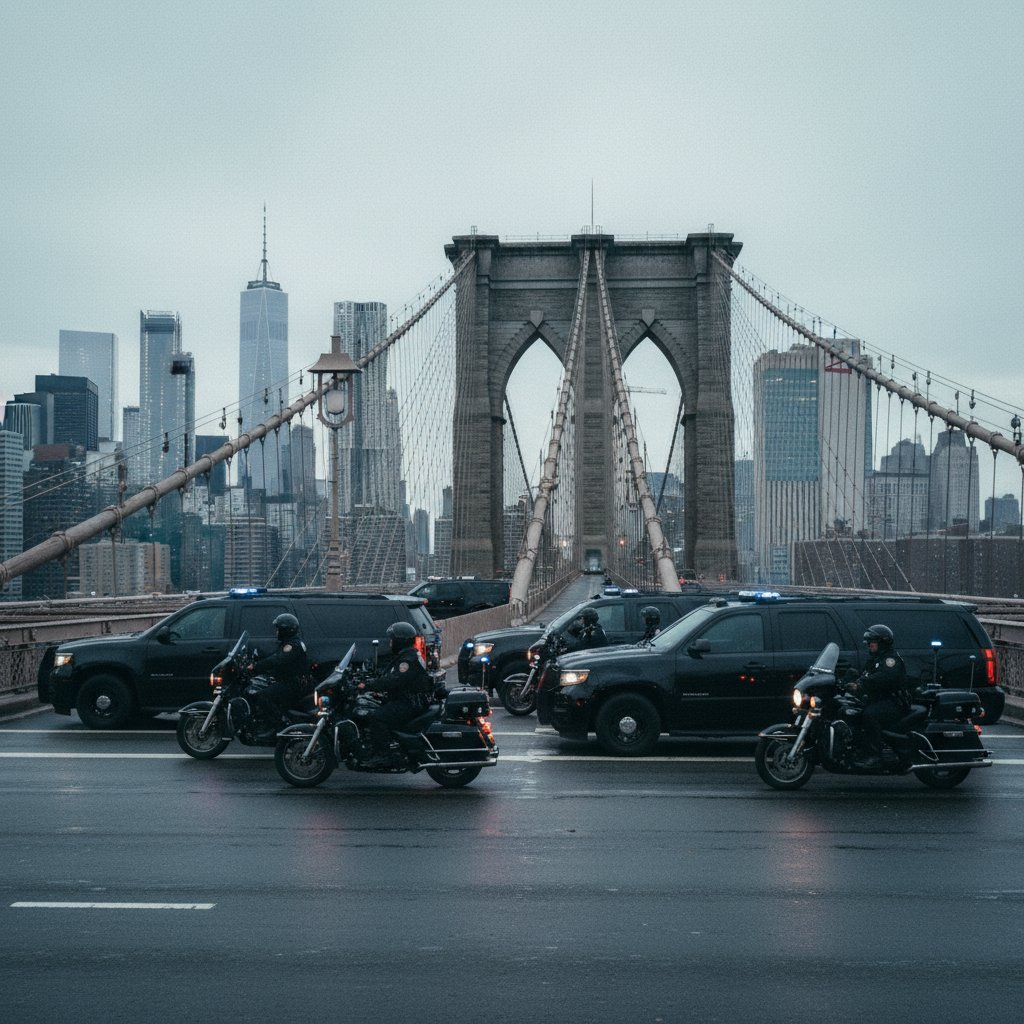
The skyline of Lower Manhattan remains under heightened security this week as former Venezuelan President Nicolás Maduro spends his first days in federal custody. Following a dramatic operation that culminated in his transfer to U.S. soil, Maduro appeared in a New York courtroom late Tuesday to plead not guilty to long-standing charges of narcoterrorism and drug trafficking.
The arrival of the former strongman in a United States jail marks one of the most significant foreign policy developments of the second Trump administration. However, the legal proceedings have quickly become secondary to a brewing political storm in Washington, where lawmakers are divided over the methods used to secure Maduro’s capture and the broader implications for American involvement in foreign conflicts.
A Historic Arraignment Under Tight Security
Maduro’s appearance at the Daniel Patrick Moynihan United States Courthouse was brief but heavy with symbolism. Clad in a standard-issue jumpsuit rather than his customary sash or military-inspired attire, the 63-year-old spoke through an interpreter to enter his plea. The Department of Justice alleges that Maduro led the "Cartel of the Suns," a drug-trafficking organization composed of high-ranking Venezuelan officials who conspired with Colombian rebels to "flood" the United States with cocaine.
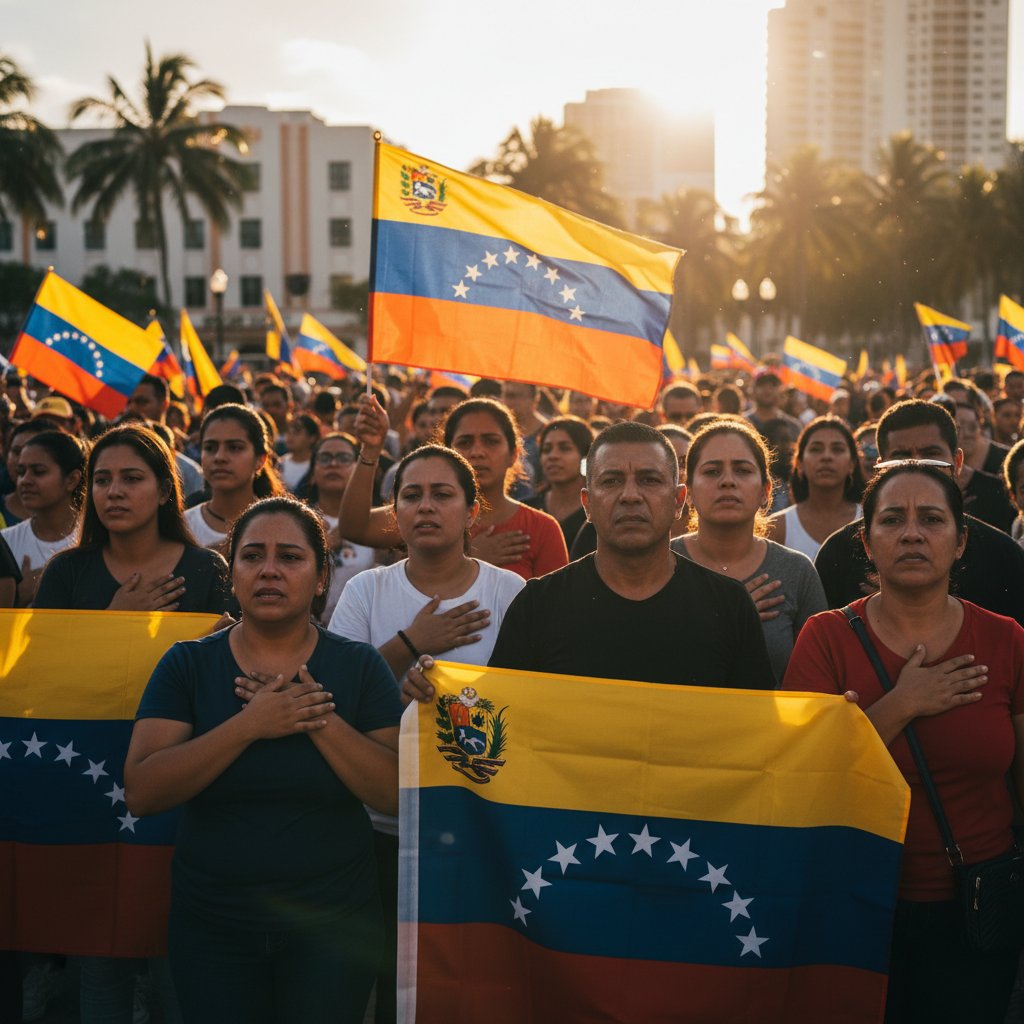
U.S. Marshals and Secret Service personnel established a multi-block perimeter around the courthouse, anticipating both celebratory demonstrations from the Venezuelan diaspora and potential security threats. Inside the courtroom, prosecutors emphasized the flight risk posed by the defendant, ensuring that Maduro will remain at the Metropolitan Detention Center in Brooklyn pending further hearings.
Capitol Hill Divided Over "Operation Venezuela"
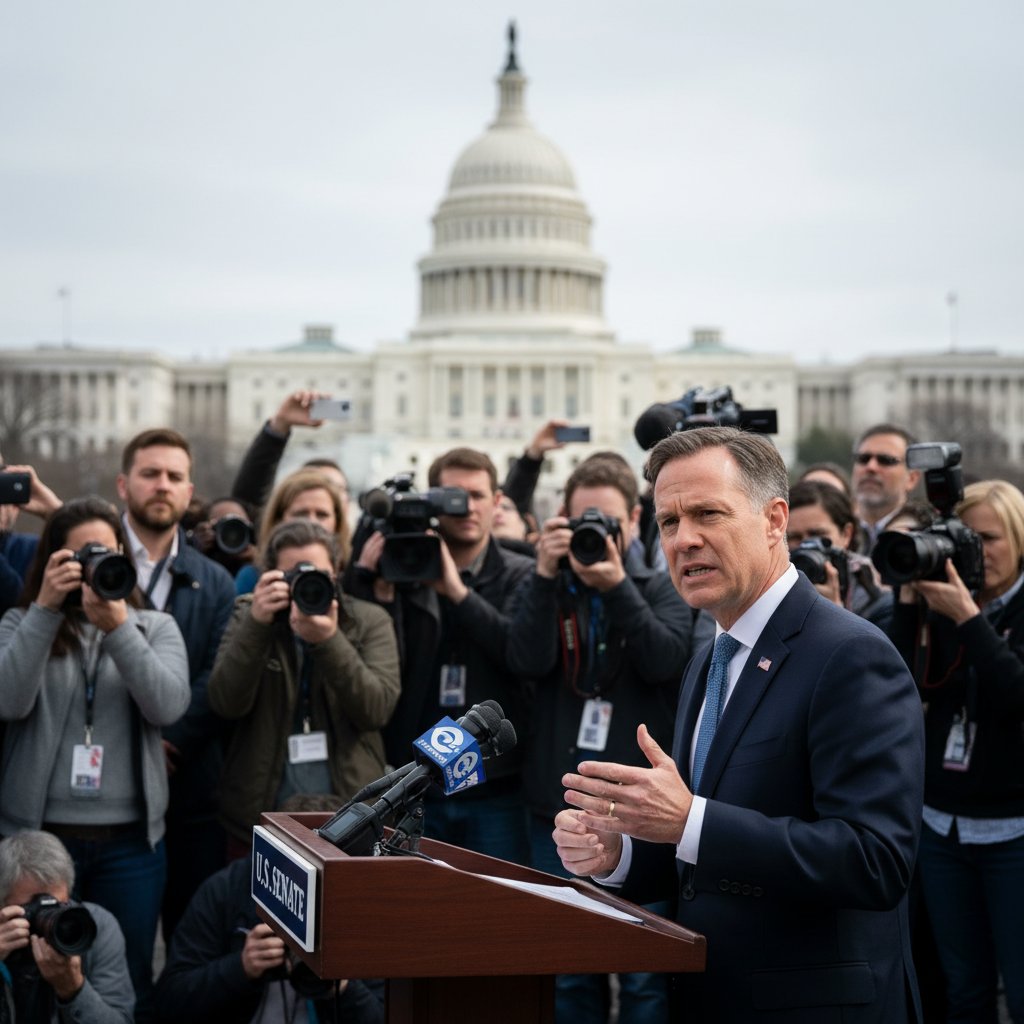
While the Department of Justice celebrates a decades-long pursuit of justice, the halls of Congress are filled with apprehension. Senator Mark Kelly (D-AZ) emerged as a prominent critic on Tuesday, questioning the strategic logic of the Trump administration’s approach. Kelly noted that the current administration campaigned on a platform of "America First" and a promise to withdraw from foreign entanglements, yet the operation to remove Maduro appears to move in the opposite direction.
"This president ran on getting us out of foreign conflicts," Senator Kelly told reporters. "And yet, we find ourselves deeply embedded in a complex, high-stakes transition in South America with no clear exit strategy or civilian governance plan for Caracas."
Supporters of the administration argue that the move was necessary to halt the flow of narcotics and restore order to a region that has seen millions of refugees flee across borders. They contend that Maduro’s removal is not "nation-building" but law enforcement on a global scale. However, the lack of a clear successor in Caracas has left a power vacuum that many fear could lead to civil unrest or a secondary military coup.
Economic and Humanitarian Implications
The immediate fallout of Maduro's arrest has sent ripples through global energy markets. Venezuela, home to the world’s largest proven oil reserves, has seen its state-run oil company, PDVSA, fall into further disarray. Analysts are closely watching for any signs of a production halt or a shift in the heavy crude exports that are vital to Gulf Coast refineries in the United States.
On the ground in Caracas, the atmosphere is reportedly one of stunned silence mixed with pockets of sporadic protest. Humanitarian organizations warn that the political instability could exacerbate existing food and medicine shortages. The Trump administration has yet to detail how it will facilitate the delivery of aid during this transitional period or whether it recognizes a specific interim governing council.
The Road to Trial
Legal experts suggest that the trial of Nicolás Maduro could take years to reach a conclusion. The discovery process alone will involve thousands of classified documents, testimony from former high-ranking Venezuelan defectors, and complex evidence gathered from international wiretaps. The case draws comparisons to the 1990 trial of Manuel Noriega, the Panamanian leader who was also brought to the U.S. on drug charges.
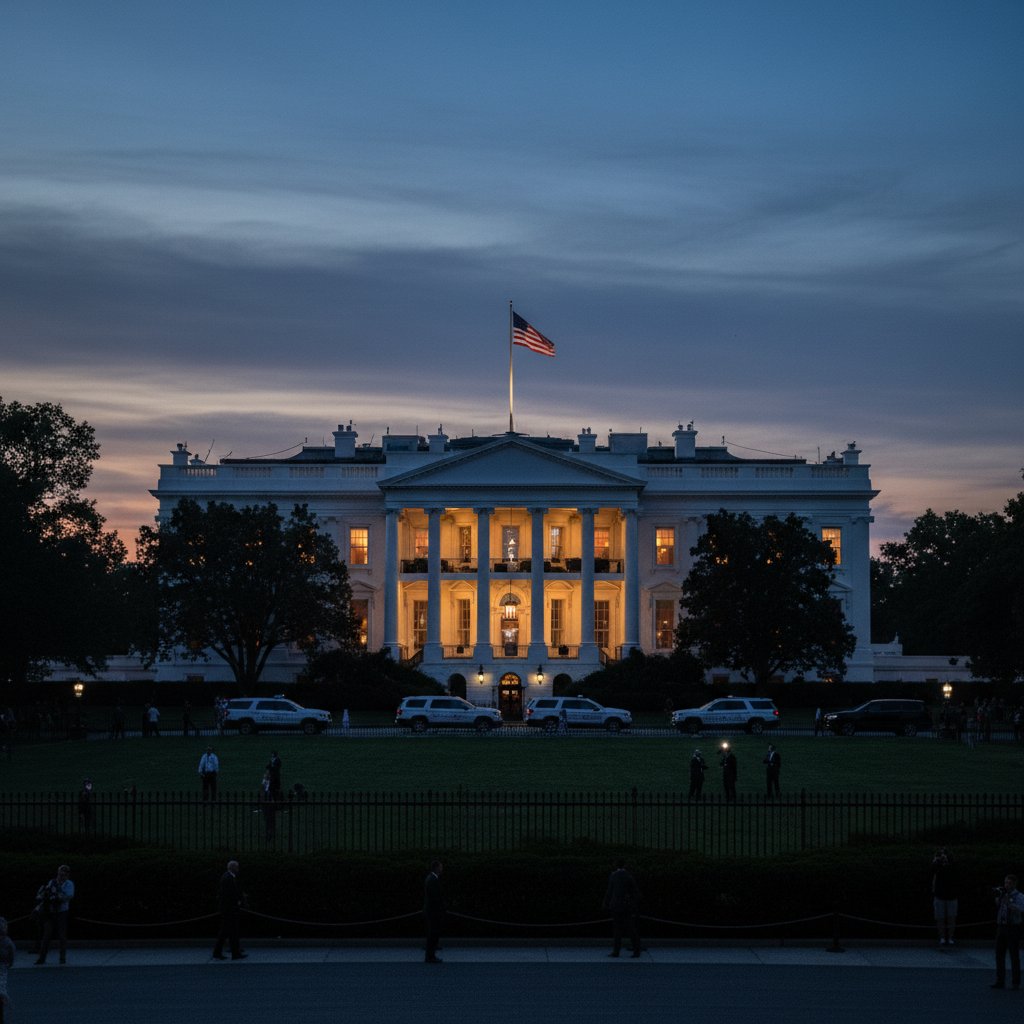
As the legal battle begins, the geopolitical focus remains on President Trump's next move. Having secured the "trophy" of Maduro's arrest, the administration must now navigate the delicate task of fostering a stable democracy in Venezuela without committing long-term American military or financial resources—a balance that has eluded previous administrations for decades.
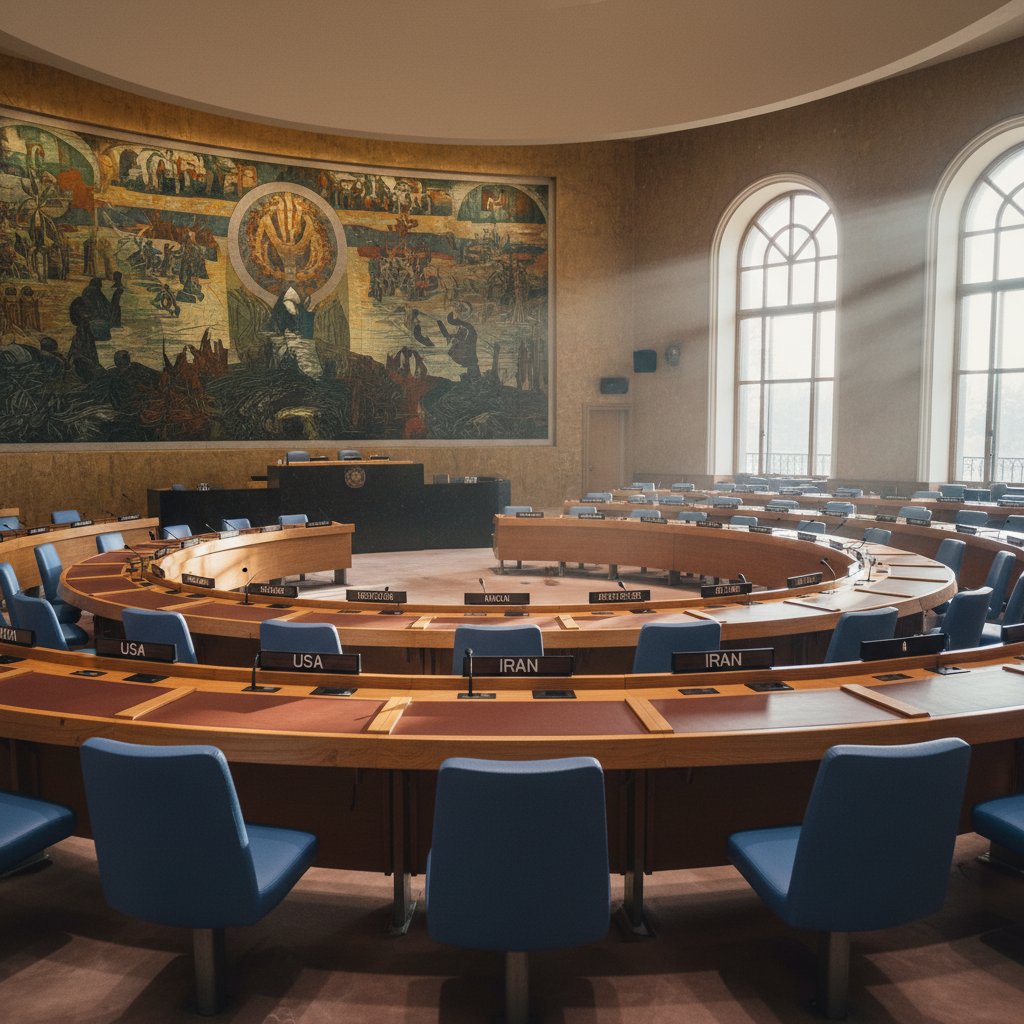
The international community is also watching closely. Allies in the Lima Group have expressed cautious support for the restoration of the rule of law, while adversaries like Russia and China have condemned the arrest as a violation of national sovereignty. The coming weeks will determine if this bold stroke leads to a democratic rebirth for Venezuela or a protracted period of regional instability.