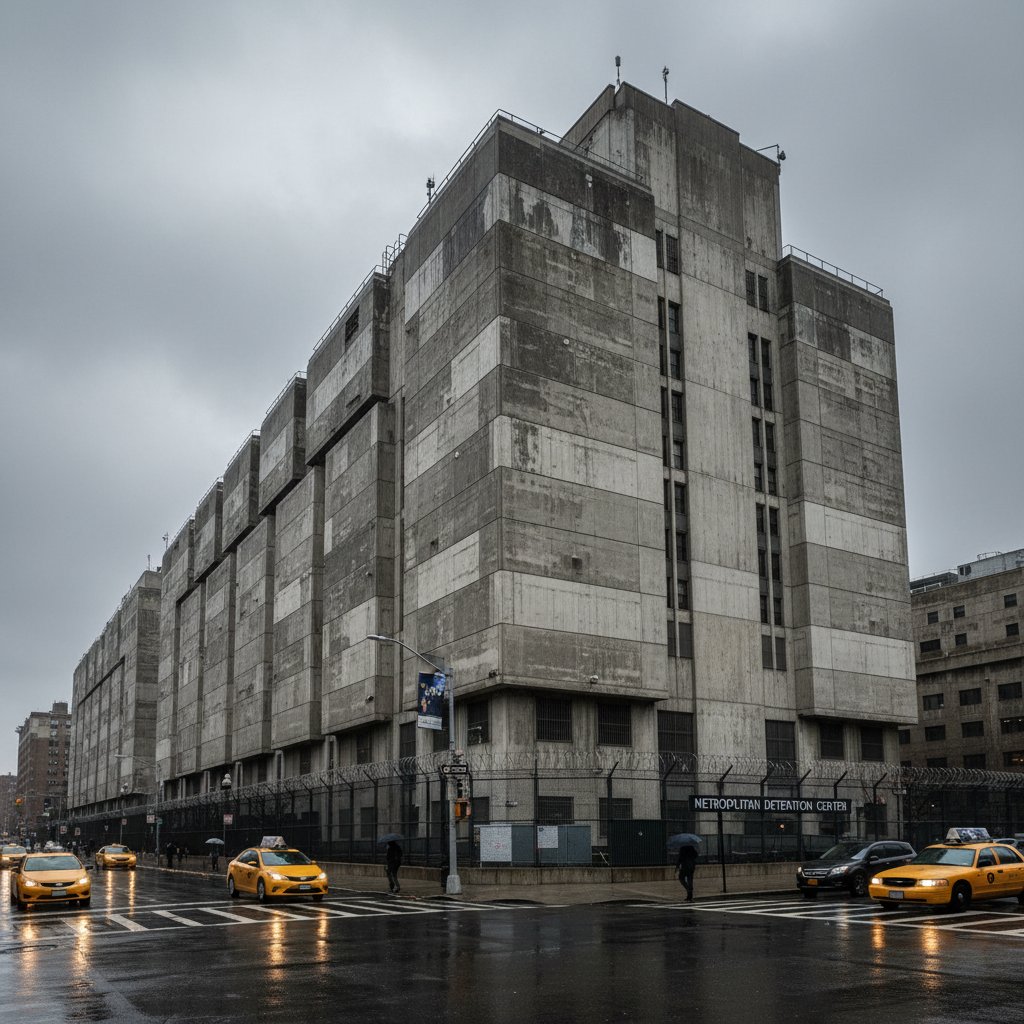
The transition from the Miraflores Palace in Caracas to the Metropolitan Detention Center (MDC) in Brooklyn represents one of the most significant falls from power in modern geopolitical history. Nicolás Maduro, the former president of Venezuela, and his wife, Cilia Flores, are now navigating the rigid, stark reality of the United States federal prison system. Following their high-profile transfer to U.S. soil earlier this week, the couple has been processed into a facility that has housed some of the world's most notorious defendants.
As of January 9, 2026, legal experts and former correctional officials indicate that the couple’s experience will be defined by two primary factors: extreme isolation and the inherent discomfort of a facility currently under intense federal scrutiny. While they were once the most powerful duo in Venezuela, their current environment is a twelve-by-eight-foot cell where every movement is monitored by the Bureau of Prisons (BOP).
The Infamous Reputation of MDC Brooklyn
The Metropolitan Detention Center in Brooklyn is not a standard correctional facility. It is a high-security administrative center that has faced years of criticism regarding its living conditions, staffing shortages, and safety protocols. The facility has previously held high-profile figures such as Jeffrey Epstein’s associate Ghislaine Maxwell and FTX founder Sam Bankman-Fried. For Maduro and Flores, the reputation of the MDC precedes their arrival, as the facility is frequently described by defense attorneys as "inhumane" due to frequent lockdowns and limited access to basic amenities.
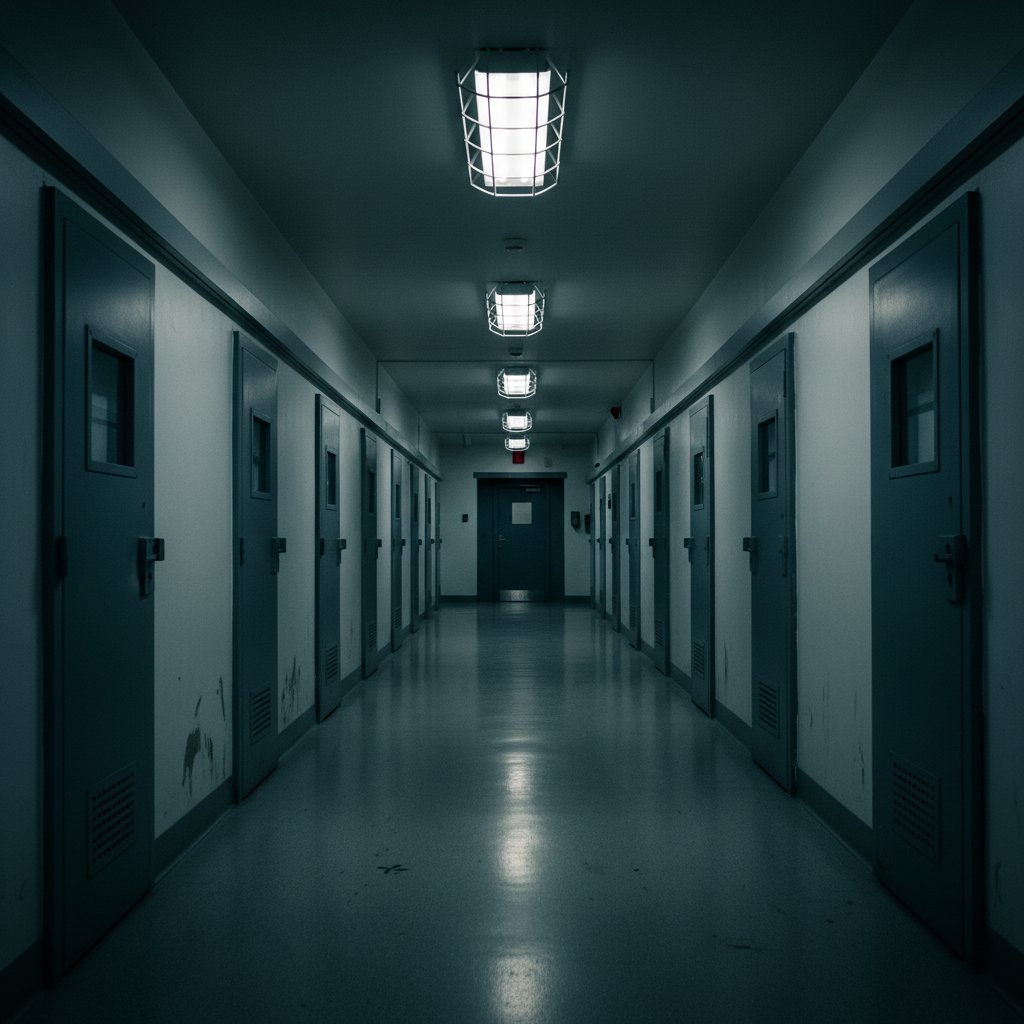
Unlike a traditional prison where inmates may have some degree of movement, the MDC functions primarily as a holding center for those awaiting trial. This means the infrastructure is designed for containment rather than rehabilitation. For the former Venezuelan first couple, the lack of natural light, the constant hum of industrial ventilation, and the sounds of a maximum-security environment will be a jarring departure from the tropical luxury of their former life.
Total Isolation and the Special Housing Unit
Perhaps the most significant aspect of their incarceration is the physical separation of the couple. Despite their decades-long partnership, Maduro and Flores are being held in separate wings of the facility, with no opportunity for contact. Standard BOP protocol for high-profile co-defendants dictates that they must be kept apart to prevent the coordination of legal strategies or the exchange of sensitive information.
Sources familiar with the arrangements suggest that Maduro is likely being held in the Special Housing Unit (SHU) or a similar administrative segregation tier. In these units, inmates are confined to their cells for up to 23 hours a day. Meals are delivered through a slot in the door, and "recreation" often consists of an hour alone in a fenced-in indoor cage. This level of isolation is intended to protect high-profile inmates from the general population, where they could be targets for violence or extortion.
Security Protocols and the Risk of Harm
The decision to keep Maduro and Flores in the SHU is as much about their safety as it is about national security. Given Maduro’s status as a former head of state and the nature of the narco-terrorism charges against him, he remains a high-value target. The Department of Justice must ensure his safety to see the legal process through to its conclusion.
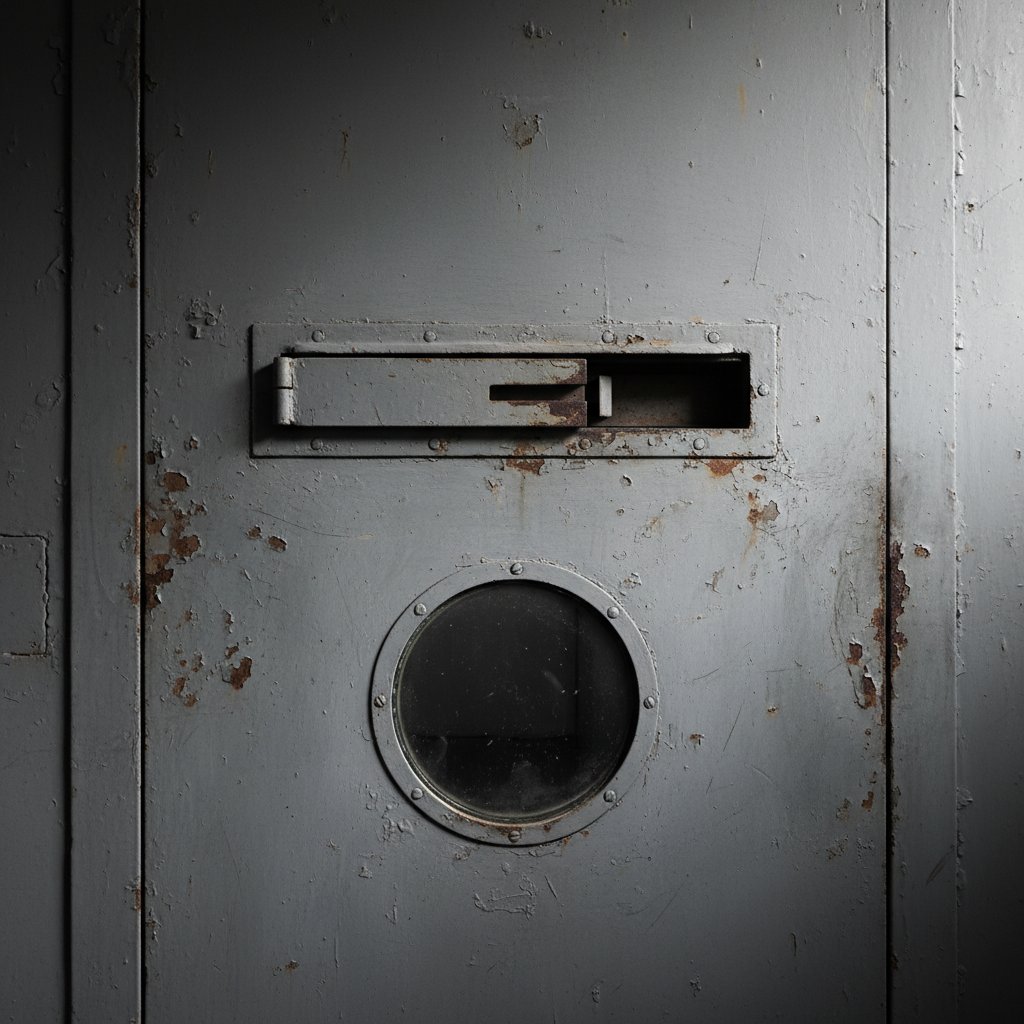
However, being "kept out of harm’s way" in a federal jail often translates to a life of sensory deprivation. Legal visits are conducted behind reinforced glass or in monitored rooms, and all correspondence is subjected to rigorous screening. For Cilia Flores, who served as Venezuela’s attorney general and a powerful political figure in her own right, the loss of agency is total. She is now subject to the same institutional rules as any other inmate: standardized jumpsuits, scheduled wake-up calls, and limited shower access.
Implications for the Venezuelan Crisis
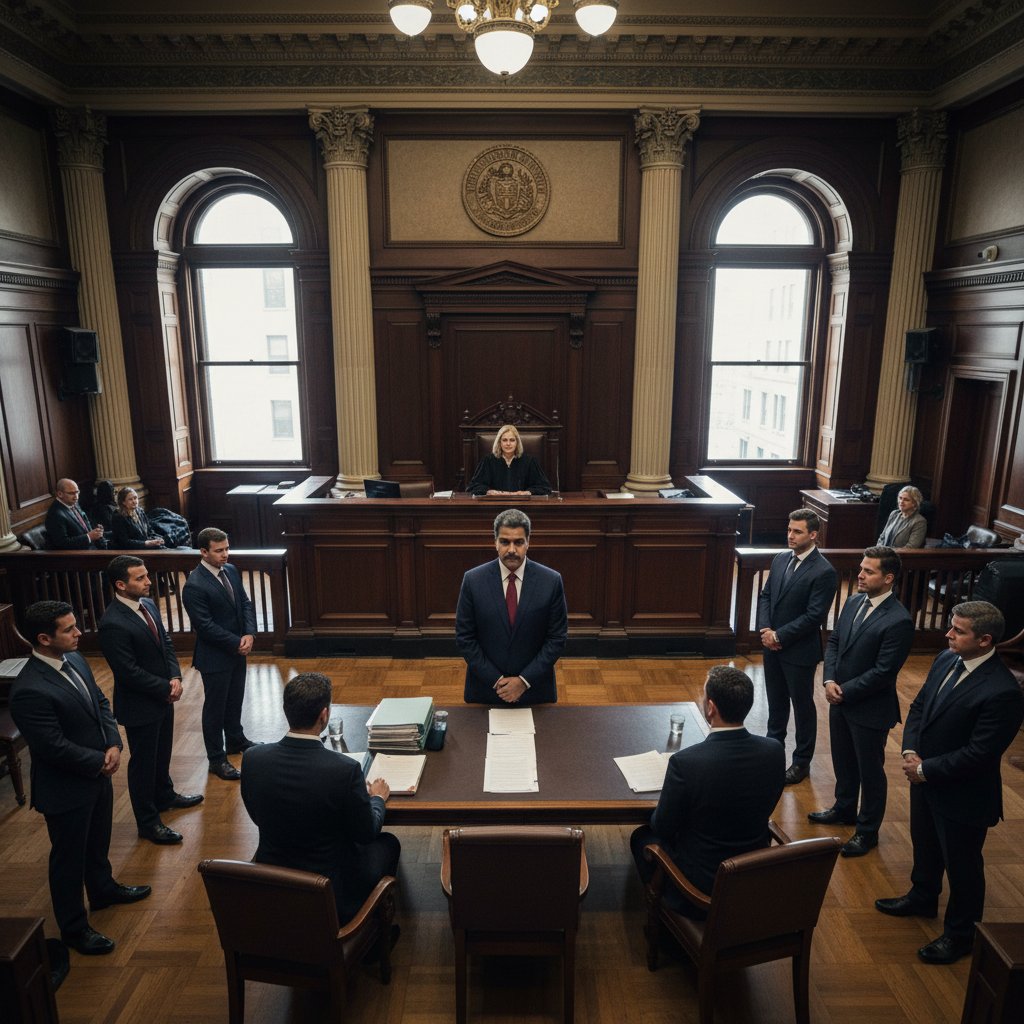
The incarceration of Maduro and Flores in New York is more than a legal proceeding; it is a pivotal moment for international relations. While the legal team representing the couple is expected to argue for improved conditions or a transfer to a less restrictive facility, the BOP rarely grants such requests for defendants facing serious racketeering and drug trafficking charges.
The following table outlines the standard daily schedule for high-security inmates at MDC Brooklyn, which the couple is expected to follow:
| Time | Activity | Notes |
|---|---|---|
| 06:00 AM | Wake-up and Count | Inmates must be visible to guards for headcounts. |
| 07:00 AM | Breakfast | Served in-cell for those in administrative segregation. |
| 09:00 AM - 11:00 AM | Legal Review / Recreation | Subject to facility staffing and lockdown status. |
| 12:00 PM | Lunch | Standardized federal prison diet. |
| 04:00 PM | Evening Count | Mandatory lockdown during counting process. |
| 05:00 PM | Dinner | Final meal of the day. |
| 10:00 PM | Lights Out | Limited power to cells; all common areas dark. |
A Long Road Ahead
As the legal proceedings begin, the couple’s defense teams will likely highlight the MDC’s history of "draconian" conditions to seek bail or house arrest—a request that prosecutors are almost certain to oppose, citing a massive flight risk. For now, the man who once controlled the largest oil reserves in the world and his wife remain in the shadows of the Brooklyn skyline, separated by concrete walls and the uncompromising machinery of the American justice system.
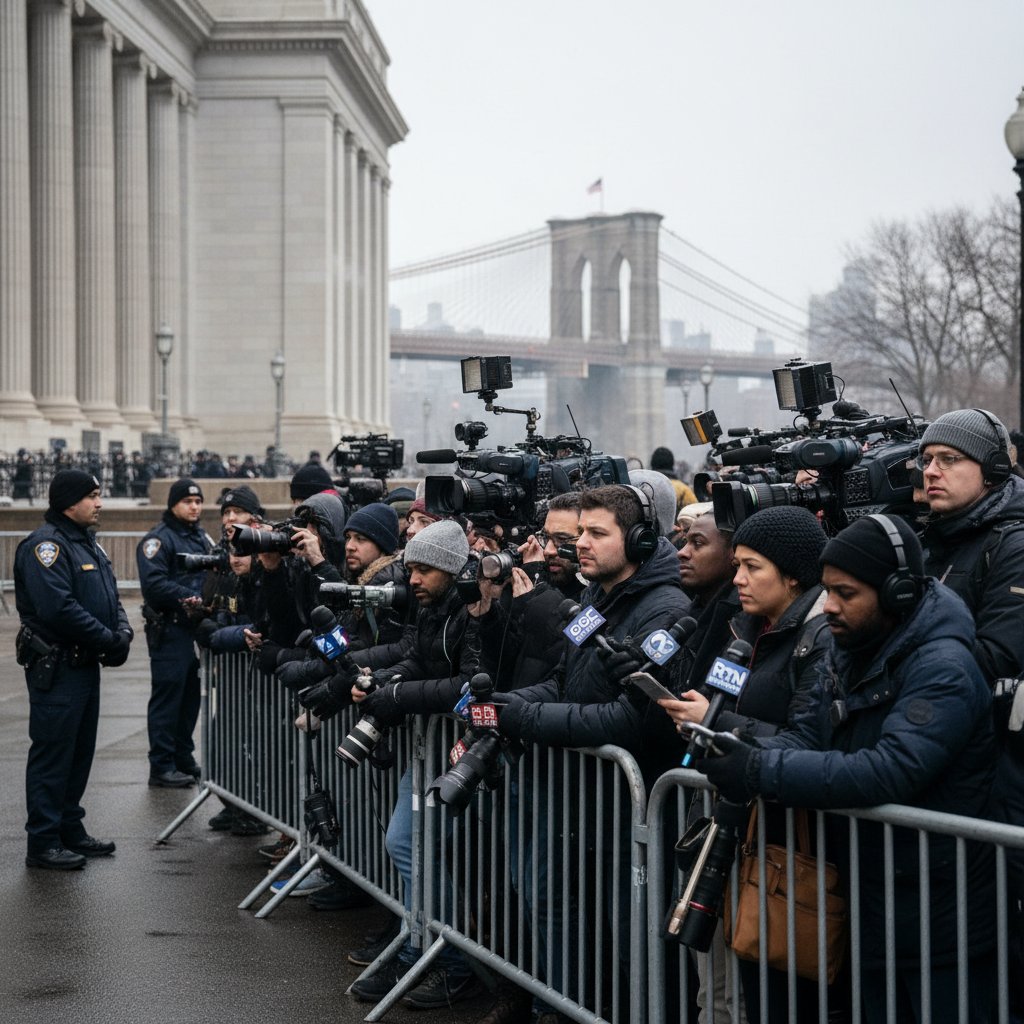
The global community continues to watch as the case unfolds, marking the first time a former head of state has been held in such conditions on U.S. soil since Manuel Noriega. The coming months will determine not only the couple's personal fate but also the future of the Venezuelan political landscape as it grapples with the vacuum left behind.