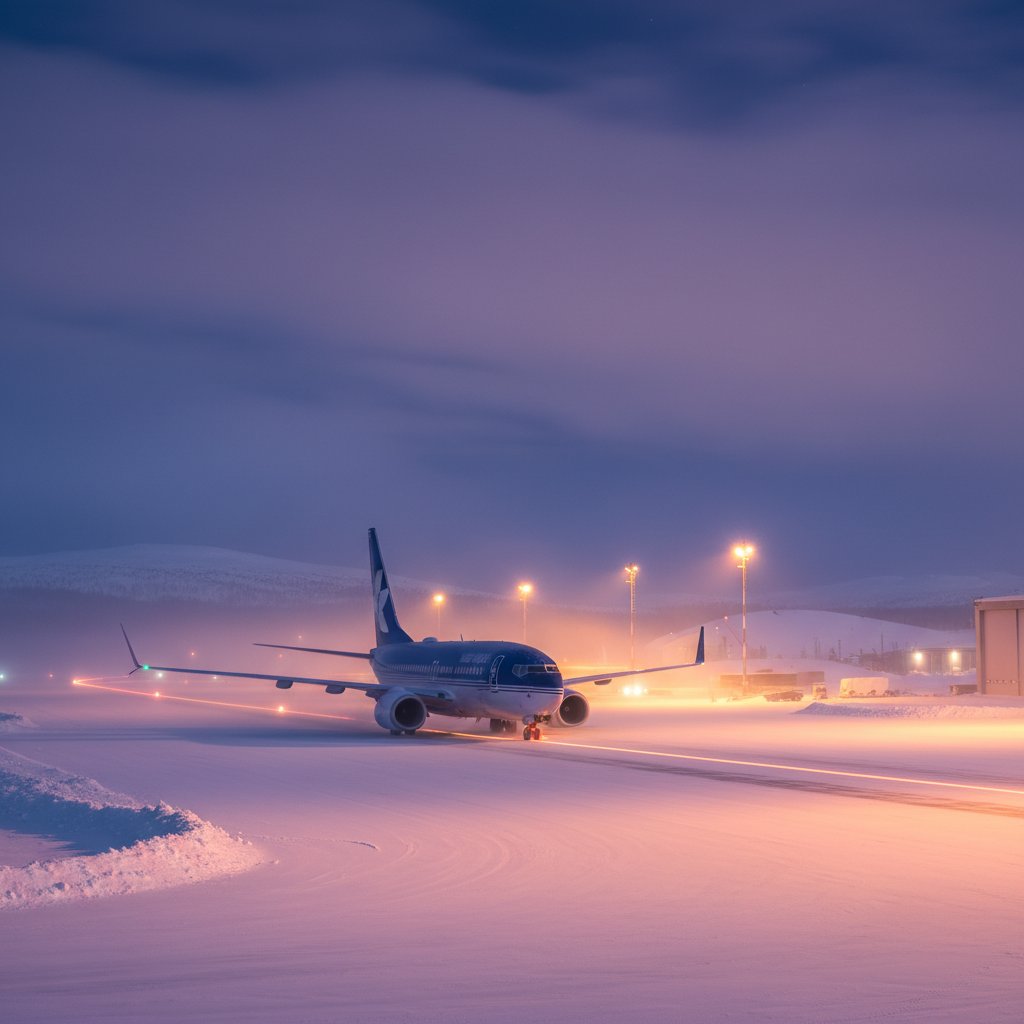
KITTILÄ, Finland — A brutal Arctic cold front has brought air travel to a standstill in northern Finland, leaving thousands of international tourists stranded in the remote Lapland region. Temperatures at Kittilä Airport plummeted to minus 37 degrees Celsius (minus 34.6 degrees Fahrenheit) on Sunday and Monday, creating conditions so severe that standard aircraft de-icing procedures became ineffective.
The grounding of flights has disrupted the travel plans of seasonal visitors who flock to the region for Northern Lights tours and winter sports. Local authorities and airport operator Finavia confirmed that the extreme cold has not only impacted machinery but also posed significant safety risks to ground crews working on the tarmac.
The Science of the Stall: Why Planes Can't Fly
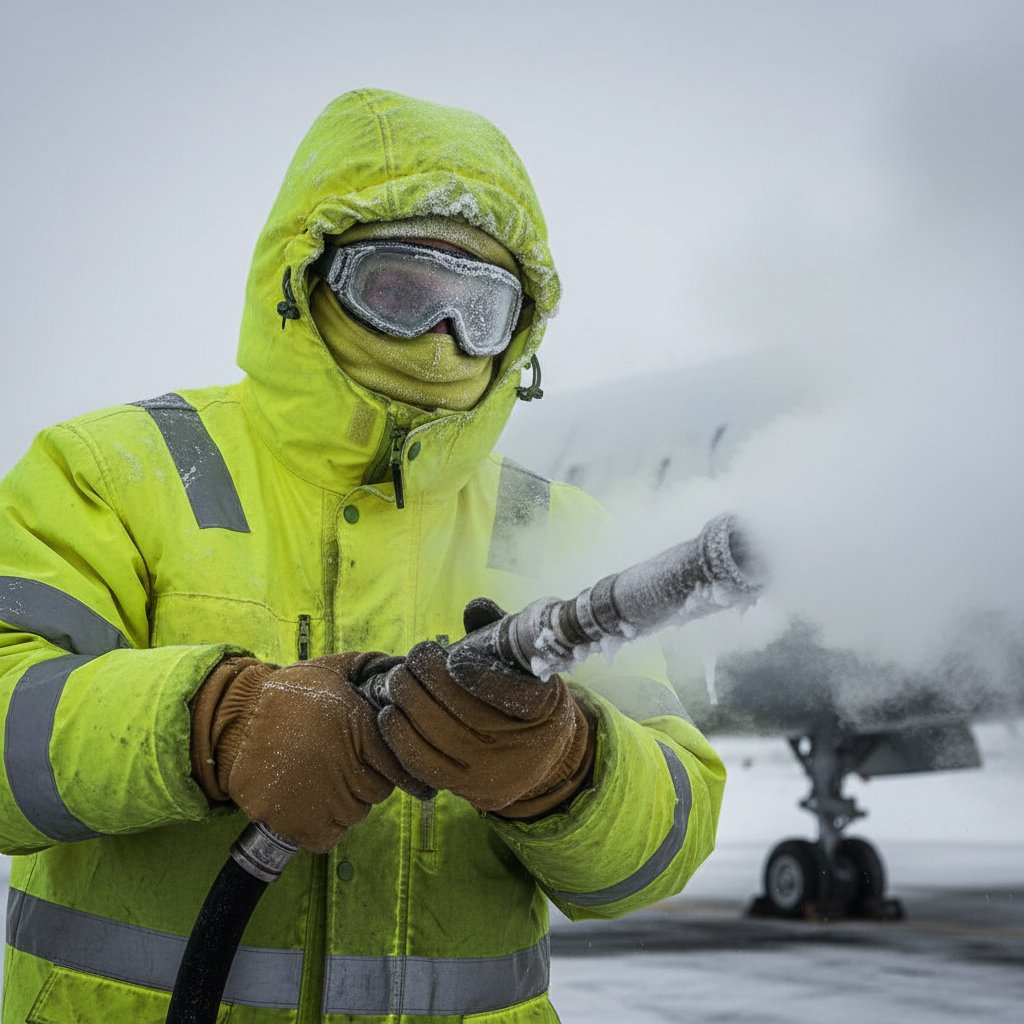
The primary obstacle for airlines is the failure of de-icing fluids. While commercial aviation is designed to operate in cold climates, the chemical composition of Type I and Type IV de-icing fluids—typically a mixture of glycol and water—has a "lowest operational use temperature" (LOUT). When ambient temperatures drop below minus 30 degrees Celsius, the effectiveness of these fluids diminishes rapidly, increasing the risk of ice reforming on wing surfaces during taxiing.
Furthermore, at minus 37 degrees, hydraulic seals can become brittle, and fuel thickening becomes a concern for some narrow-body aircraft. "We are facing a situation where the safety margins required for takeoff simply cannot be met," said a spokesperson for Finavia. "The safety of passengers and crew is our absolute priority, and currently, the physical environment is beyond operational limits."
Tourists Left in Limbo
Kittilä Airport, a major gateway for the Levi and Ylläs ski resorts, saw a surge of cancellations affecting major carriers including Finnair, Lufthansa, and several charter services from the United Kingdom and France. By Monday morning, an estimated 3,000 travelers were caught in a logistical bottleneck.
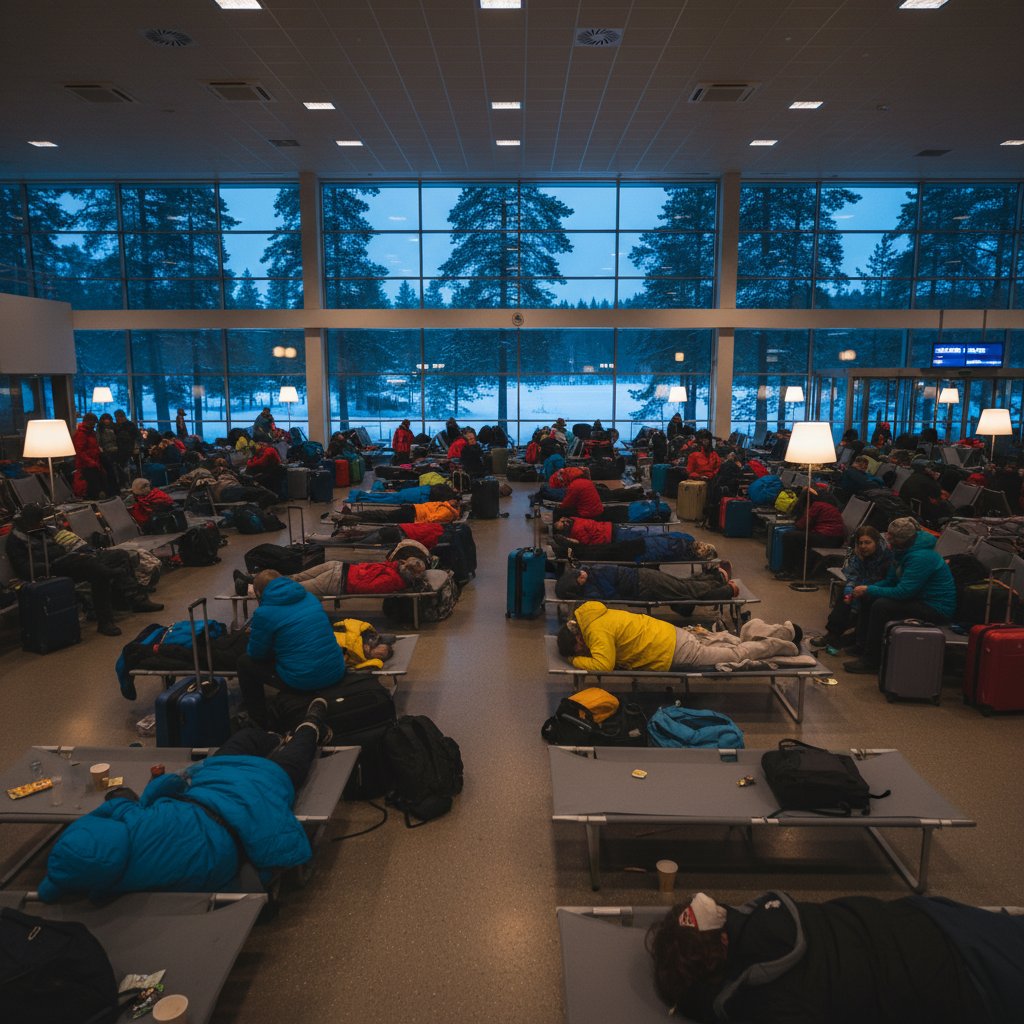
With local hotels already at peak seasonal capacity, many tourists have been forced to remain in the airport terminal or seek emergency accommodation in sports halls opened by municipal authorities. The sudden influx of stranded passengers has strained the resources of the small Arctic town.
"We were supposed to fly back to London on Sunday evening," said Mark Harrison, a traveler currently waiting in Kittilä. "The airline told us the plane was physically ready, but the ground equipment kept freezing up. Now, every hotel within fifty miles is full, and we are sleeping on cots provided by the Red Cross."
Economic and Regional Impact
The disruption highlights the vulnerability of the Arctic tourism industry to extreme weather events. While Lapland is synonymous with cold, the duration and intensity of this particular "deep freeze" have surpassed seasonal norms.
Meteorologists from the Finnish Meteorological Institute (FMI) state that a high-pressure system over Siberia has pushed ultra-cold air into Fennoscandia, and these conditions may persist for several more days.
Impact Summary at a Glance
| Current Temperature | -37°C to -40°C in low-lying areas |
| Airport Status | Kittilä (KTT) - Limited operations; heavy cancellations |
| Stranded Passengers | Approximately 3,000 - 3,500 |
| Primary Issue | De-icing fluid failure and ground crew safety |
Advice for Travelers and Residents
Travelers currently in northern Finland or scheduled to arrive are urged to monitor their flight status via airline apps before departing for the airport. The Finnish government has issued a "Level 2" cold weather alert, advising against prolonged outdoor exposure.
Safety Recommendations:
- Layering: Use the "three-layer rule" with wool or synthetic base layers.
- Communication: Ensure mobile devices are kept warm (close to the body) to prevent battery failure.
- Logistics: Contact travel insurance providers immediately to document delays caused by weather.
As of Tuesday morning, there are slight indications that the mercury may rise toward minus 25 degrees by Wednesday, which could allow a window for "rescue flights" to begin clearing the backlog of passengers. However, officials warn that a return to a full schedule will take several days as airlines reposition aircraft and crew.