The landscape of Middle Eastern security has undergone a fundamental shift this week as the United States and Israel continue a high-intensity military campaign within Iranian borders. On Tuesday, the Department of Defense released the identities of three U.S. service members killed during the opening salvos of what the Pentagon has termed Operation "Epic Fury." These fatalities represent the first American combat deaths in a direct state-on-state conflict with Iran, signaling a grim new chapter in a decades-long shadow war that has finally moved into the light.
U.S. Central Command (CENTCOM) confirmed that the service members were killed during a late-night drone and missile barrage targeting a joint tactical operations center near the Iranian-Iraqi border. Five additional personnel remain in critical condition at a regional military hospital in Amman, Jordan. The names are being withheld for 24 hours pending the notification of next of kin, following standard military protocol.
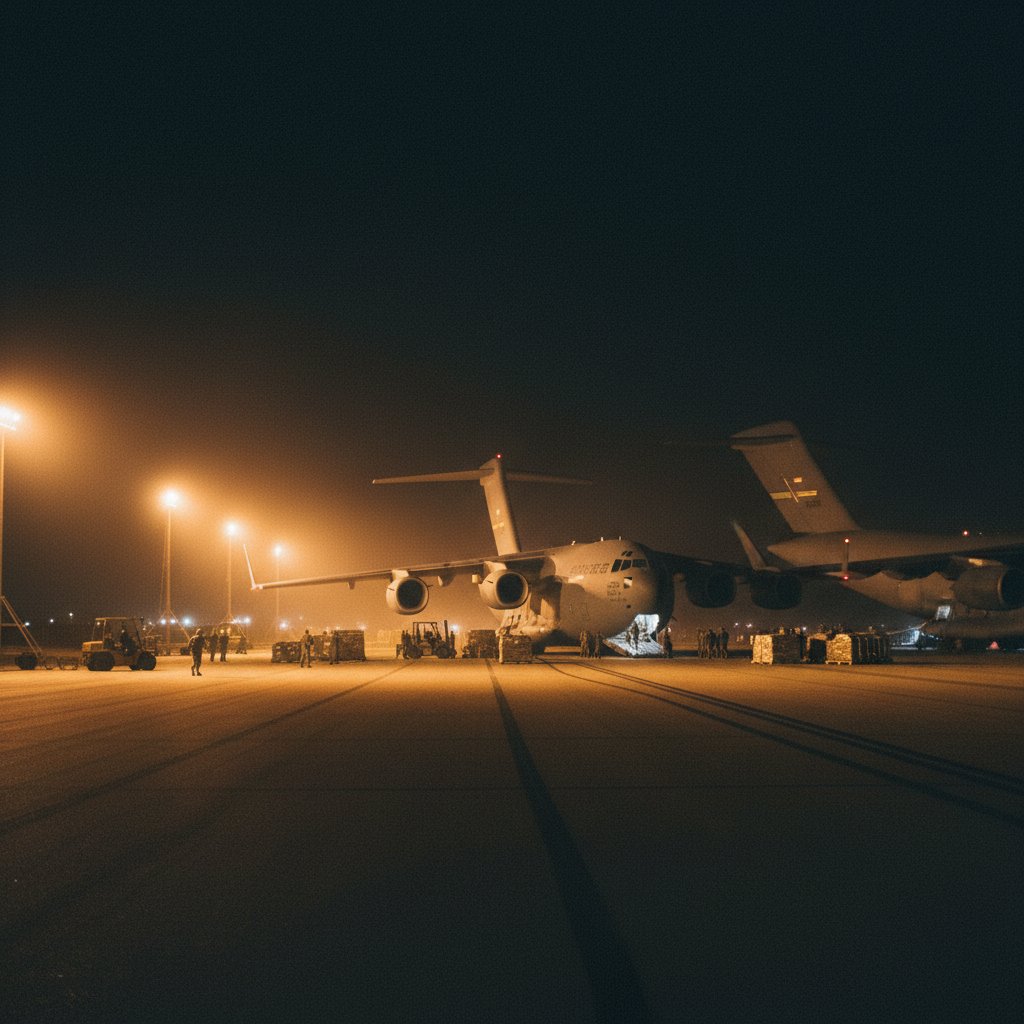
The offensive began in the early hours of Saturday, March 1, following what Washington and Tel Aviv described as "irrefutable evidence" of an imminent and large-scale Iranian proxy mobilization intended to destabilize regional energy markets. Operation Epic Fury has since expanded into a multi-domain campaign involving long-range precision strikes, cyber-warfare, and specialized naval operations in the Persian Gulf.
A Coordinated Transatlantic and Regional Response
While the United States provides significant logistical, intelligence, and aerial support, the Israeli Air Force has been spearheading the penetration of Iranian airspace. Sources within the Israeli Defense Forces (IDF) suggest that the primary objectives include the degradation of Iran’s ballistic missile manufacturing sites and the neutralization of command-and-control nodes belonging to the Islamic Revolutionary Guard Corps (IRGC).
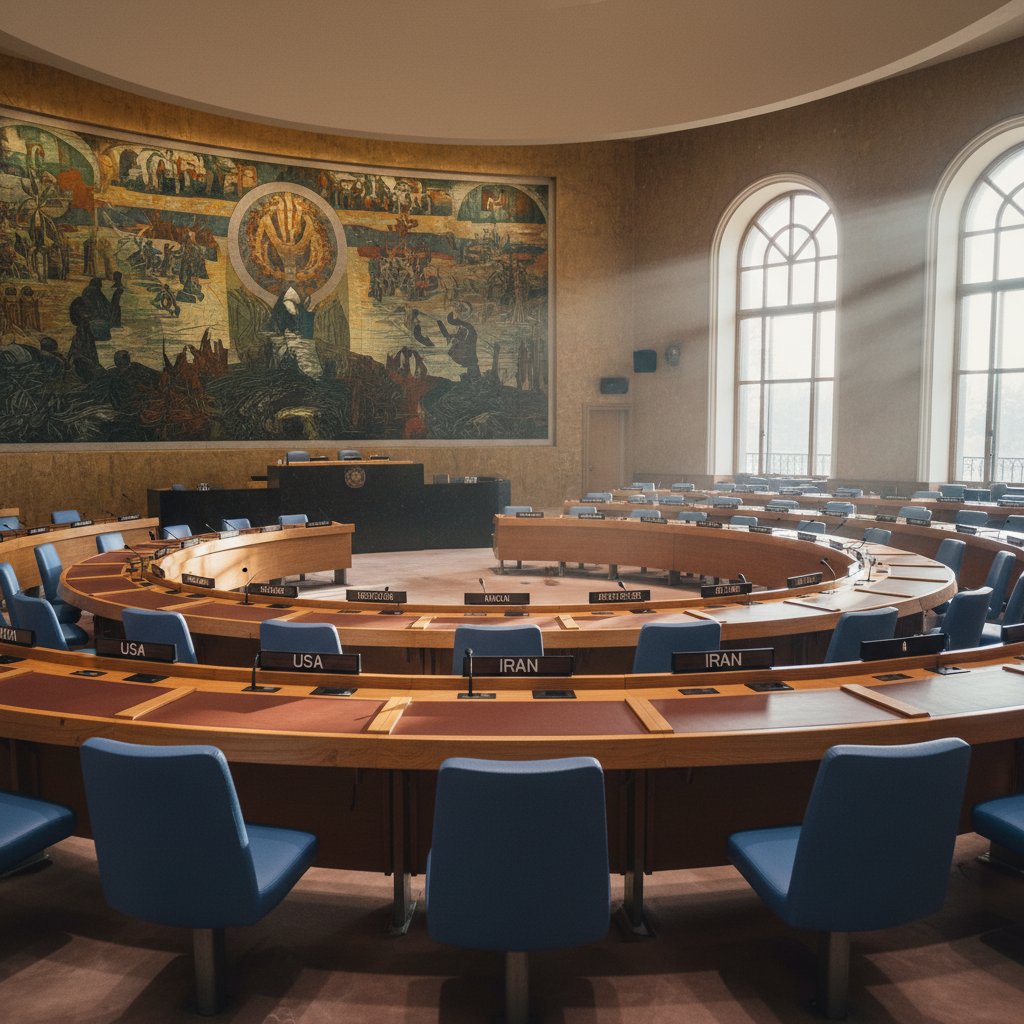
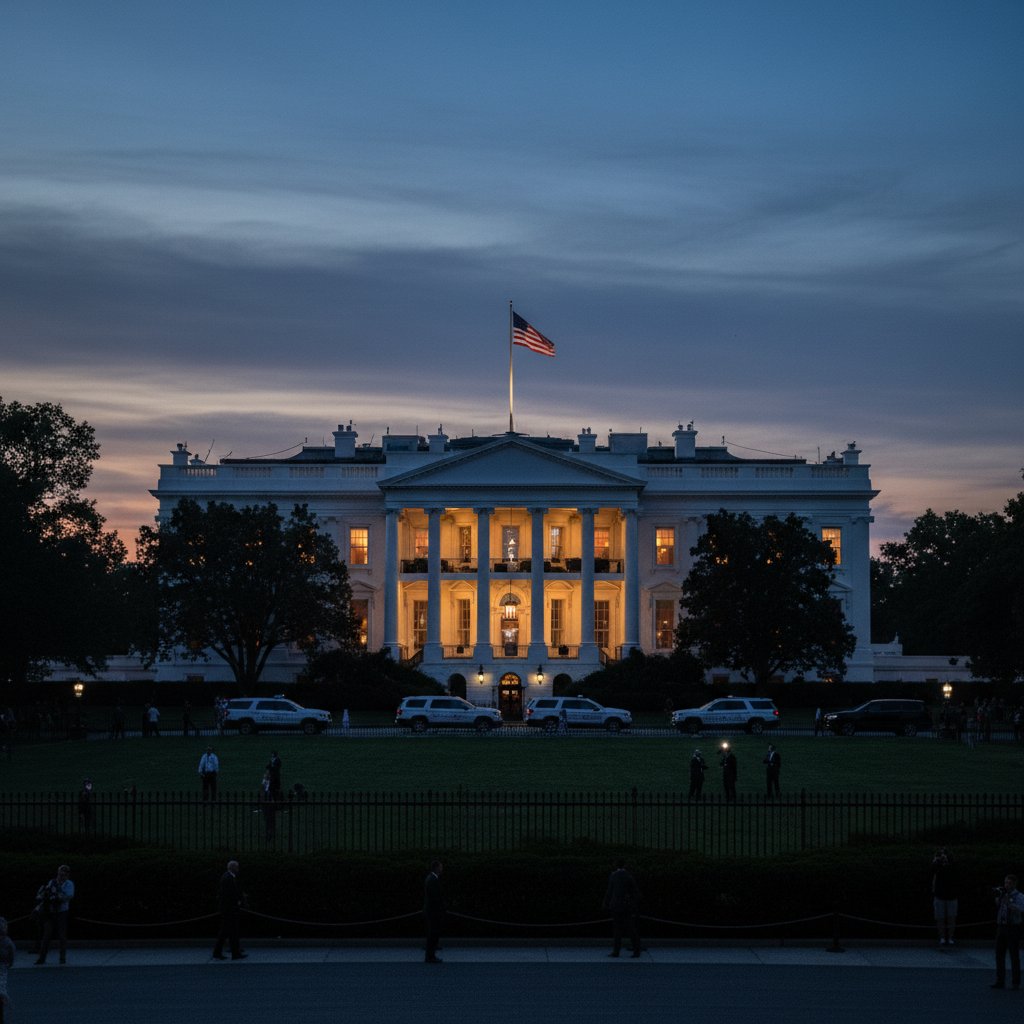
In a televised address from the Oval Office late Monday, the President emphasized that the United States does not seek the total collapse of the Iranian state but will no longer tolerate "asymmetric aggression that threatens global stability." The administration has maintained that the current kinetic actions are "proportionate and necessary" under Article 51 of the UN Charter, though this interpretation is already facing intense scrutiny in the UN Security Council.
Escalation and Casualty Overview
The scale of the conflict is reflected in the rising numbers of casualties and hardware losses reported by both sides. While Iranian state media, IRNA, has claimed significant success in intercepting coalition missiles, independent satellite imagery suggests substantial damage to infrastructure in Isfahan and Shiraz.
| Category | Reported Figures (Est.) | Source |
|---|---|---|
| U.S. Fatalities | 3 | U.S. Central Command |
| U.S. Wounded | 5+ | Department of Defense |
| Iranian Military Casualties | 140 - 210 | Regional Intelligence Estimates |
| Strategic Sites Neutralized | 12 | Satellite Reconnaissance |
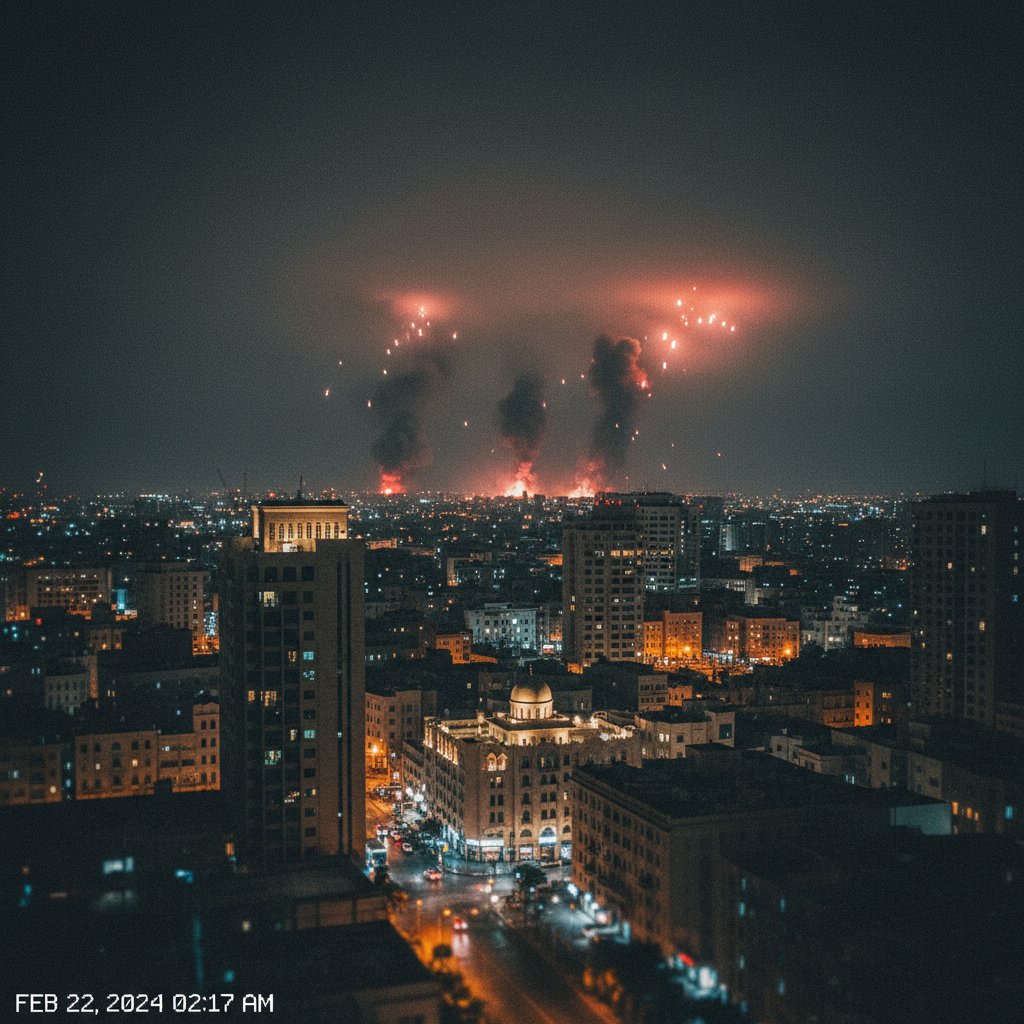
The Global Economic Impact
Financial markets have reacted with predictable volatility to the outbreak of hostilities. Brent crude prices surged past $115 per barrel on Tuesday morning as concerns grew over the potential closure of the Strait of Hormuz. Analysts warn that if the conflict persists beyond the week, the global supply chain could face disruptions not seen since the early 1970s.
The Iranian government has responded to the offensive by declaring a state of "Holy Defense," calling on regional allies in Lebanon, Yemen, and Iraq to activate "all available means of resistance." This has led to an immediate increase in security alerts across Western capitals, with the Department of Homeland Security raising the domestic threat level amid fears of retaliatory cyberattacks or lone-wolf incidents.
Diplomatic Stagnation and Regional Anxiety
Diplomatic efforts to de-escalate the situation have so far proven's futile. A late-night session of the UN Security Council ended in a stalemate, with Russia and China vetoing a resolution that would have provided a legal framework for the coalition's intervention. Both nations have called for an immediate ceasefire, accusing the U.S. and Israel of "unprovoked aggression" that threatens to ignite a Third World War.

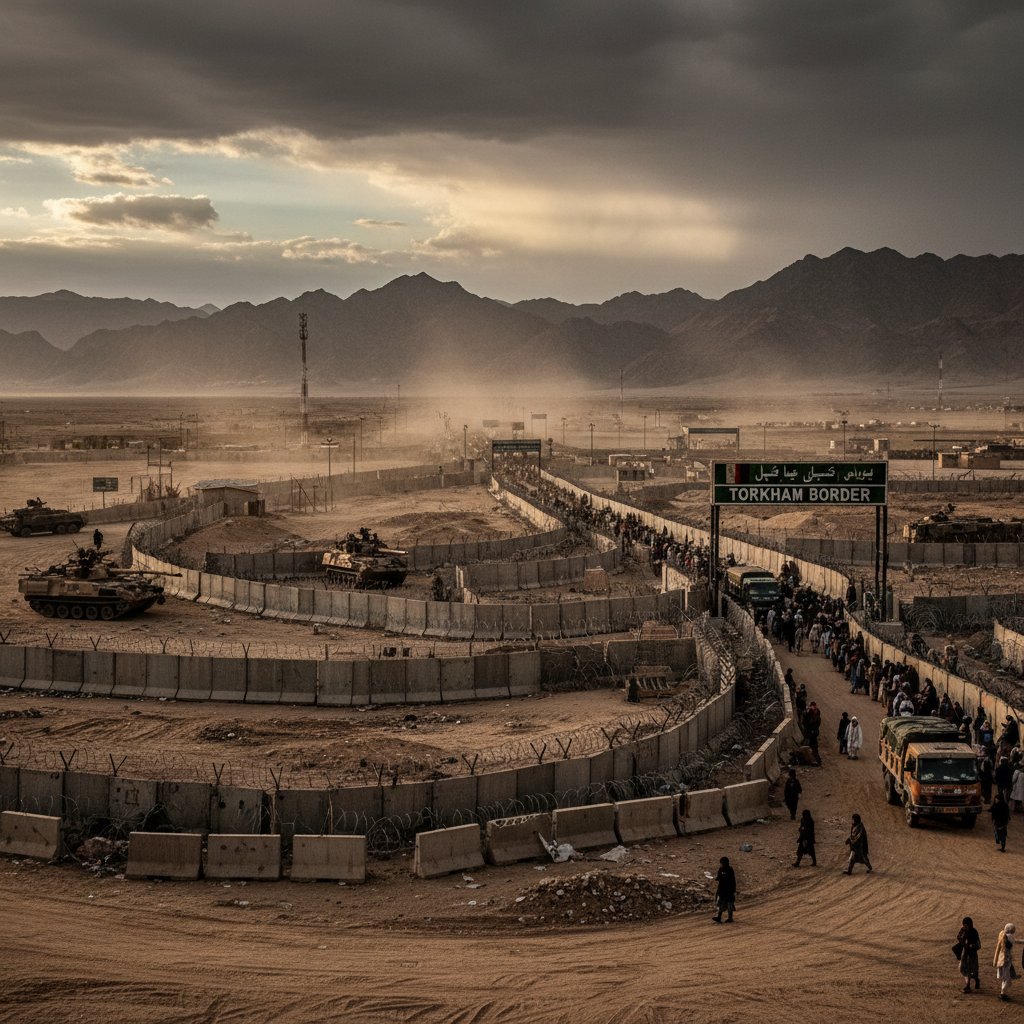
In the Middle East, neighbors like Jordan and Saudi Arabia find themselves in a precarious position. While many Gulf states have long viewed Iran’s regional ambitions with suspicion, the prospect of a full-scale war on their doorstep brings the risk of refugee crises and domestic unrest. Amman has officially closed its airspace to all non-military traffic, and humanitarian organizations are already preparing for a potential influx of displaced persons from the border regions.
As the sun sets on the fourth day of Operation Epic Fury, the path toward a ceasefire remains obscured by the smoke of active battlefronts. The loss of American life has solidified resolve in Washington, but it has also fueled a growing anti-war movement domestically, with protesters gathering outside the White House to demand a diplomatic exit strategy before the conflict expands further into the Iranian interior.