The Pentagon confirmed late Tuesday that four U.S. service members were killed and five others seriously wounded during a sophisticated counterattack by Iranian-linked forces. The fatalities mark a somber turning point in a rapidly expanding military campaign that has seen American forces strike over 1,000 targets across the Middle East in just 48 hours.
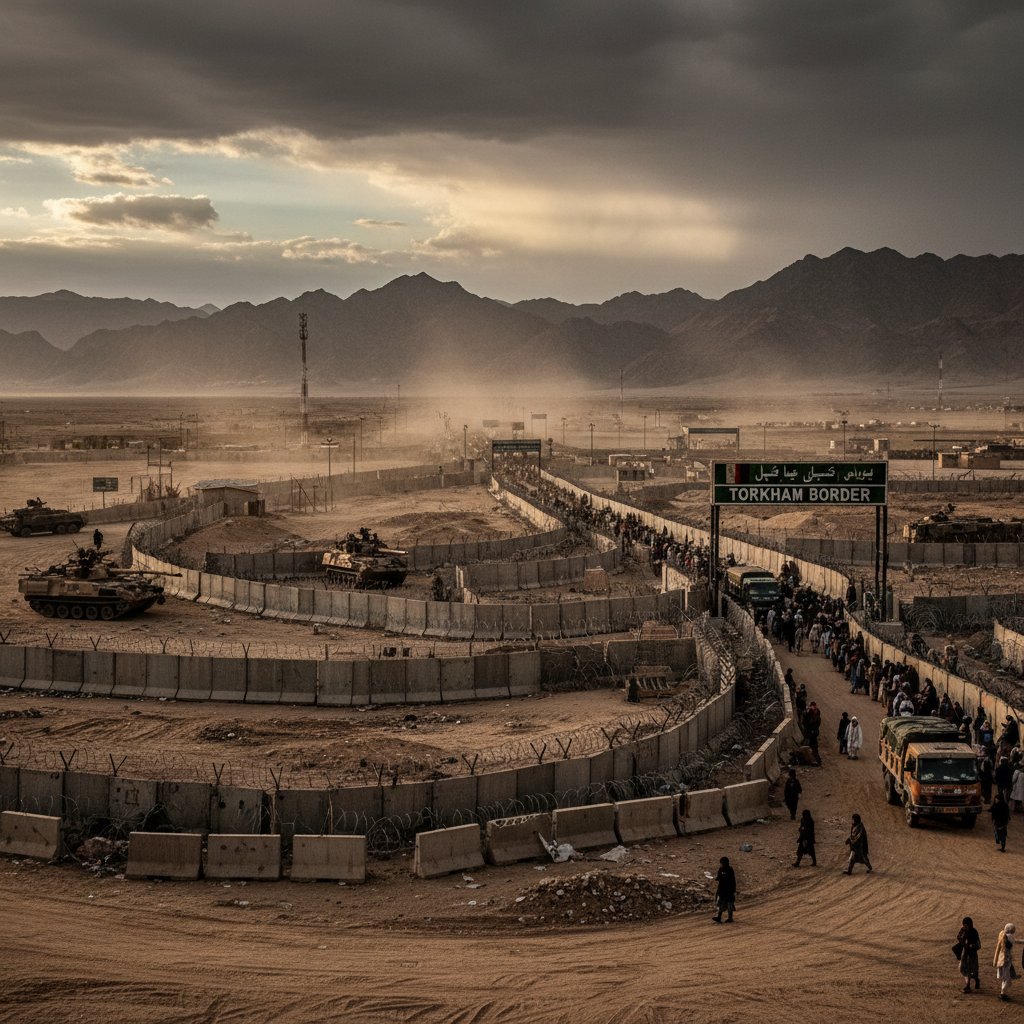
The casualties occurred at a logistics hub near the Syrian-Iraqi border, an area that has become a flashpoint as the United States attempts to dismantle Iran’s ability to threaten regional personnel. Officials speaking on the condition of anonymity stated that the attack involved a coordinated swarm of "one-way" attack drones and short-range ballistic missiles, which appeared to overwhelm local air defense systems.
A Campaign of Unprecedented Scale
The Department of Defense has characterized the current U.S. offensive as a "proactive degradation" of hostile capabilities. Over the past two days, U.S. Central Command (CENTCOM) has overseen a relentless barrage of strikes aimed at command-and-control centers, munitions depots, and drone manufacturing sites. The scale—hitting 1,000 targets in 48 hours—is a significant escalation compared to previous "tit-for-tat" exchanges.
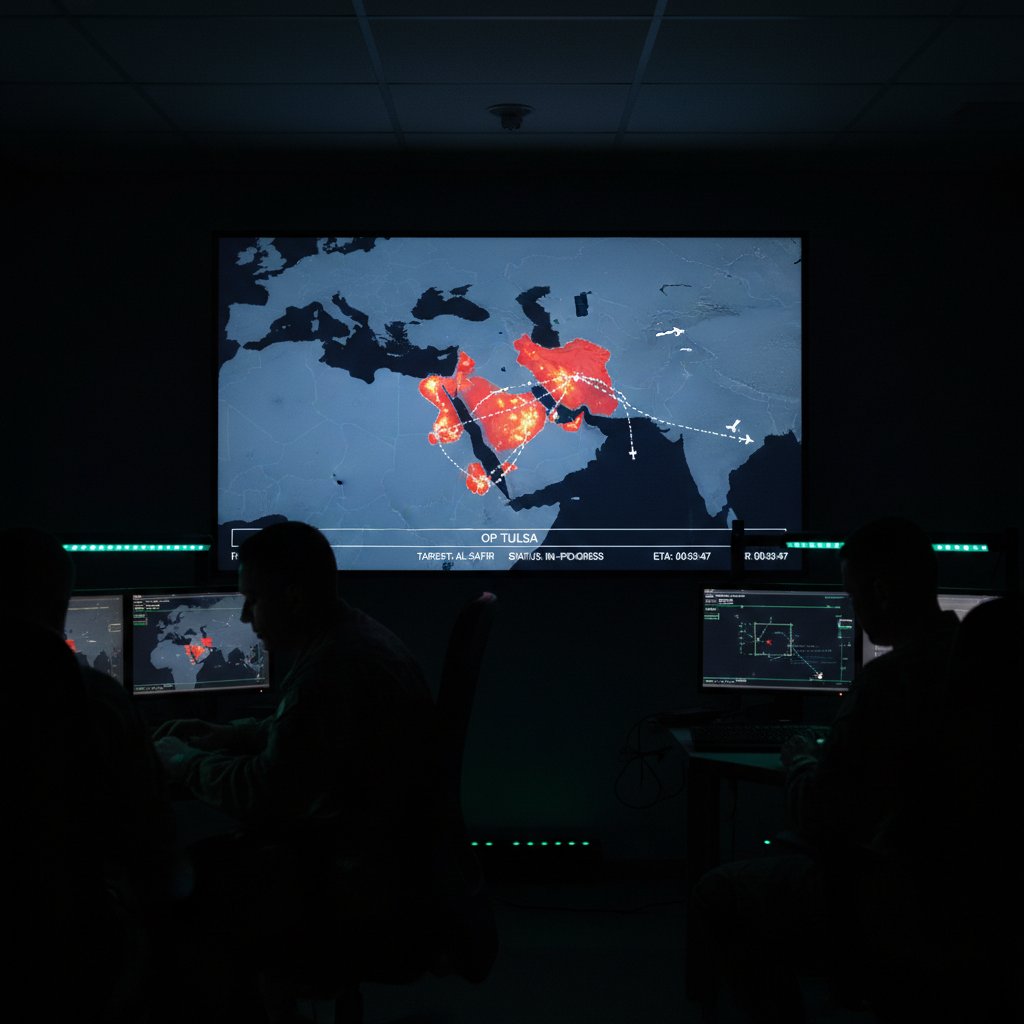
Military analysts suggest that the sheer volume of U.S. strikes indicates a shift in strategy. Rather than responding to individual provocations, the Biden administration appears to be attempting to "zero out" the kinetic threat posed by Iranian proxies before they can launch a wider regional offensive. However, the loss of American life despite these preemptive measures has raised difficult questions about the limits of offensive air power in preventing decentralized insurgent strikes.
The Vulnerability of Air Defenses
The deaths have fueled an immediate and intense debate in Washington regarding the efficacy of current air defense architectures. Despite billions of dollars in investment into systems like the Patriot and the more recent C-RAM (Counter Rocket, Artillery, and Mortar) technologies, the "saturation" tactics used by Iranian-backed groups continue to find gaps.
Defense experts point to the evolving nature of the threat. The drones used in the recent counterattack are often low-cost, low-altitude flyers that can be difficult for traditional radar to distinguish from ground clutter. When launched in swarms, they force defensive batteries to prioritize targets, a split-second process where even a single missed drone can result in a catastrophic loss of life.
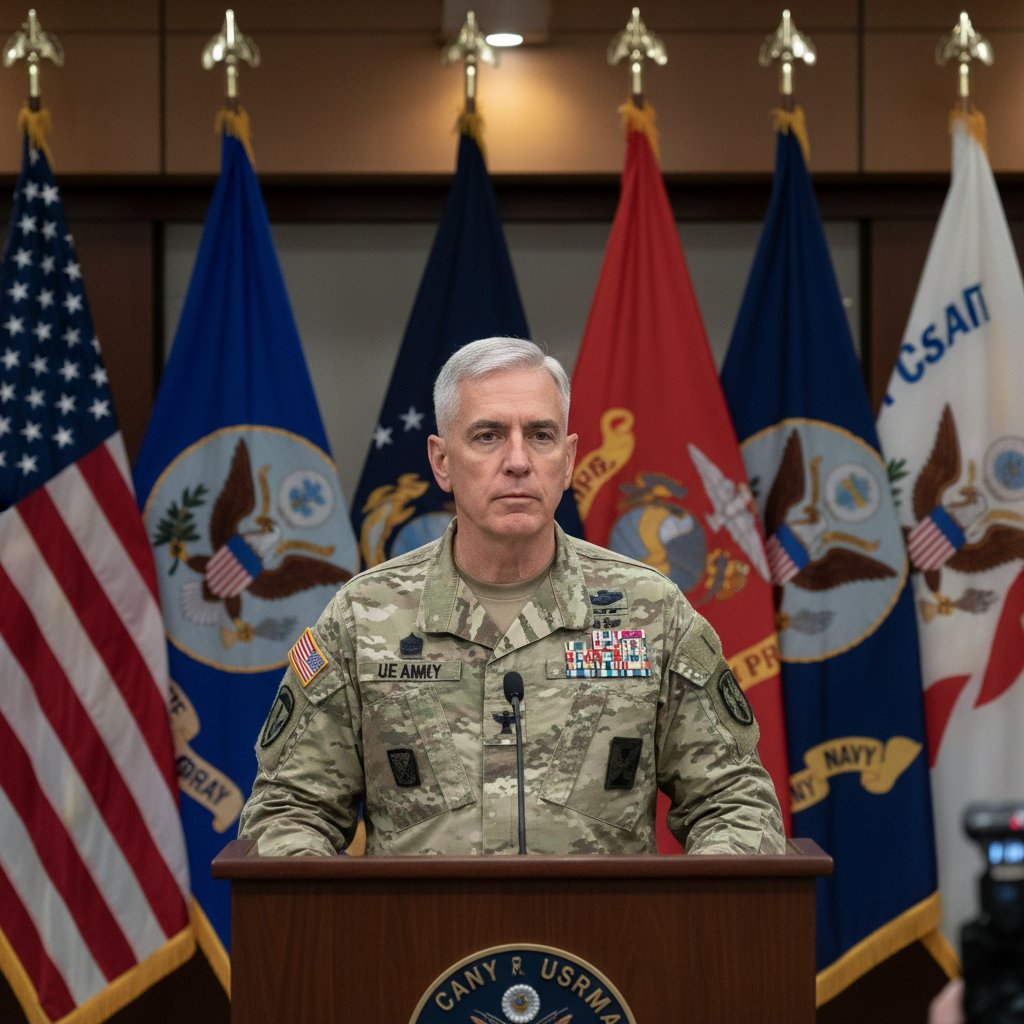
Pentagon spokesperson Maj. Gen. Patrick Ryder addressed the concerns during a press briefing, stating that while the U.S. maintains a high interception rate, no system is "100 percent effective against every possible configuration of attack." He emphasized that the primary goal of the ongoing 1,000-target campaign is to destroy these weapons on the ground before they can ever be launched.
Regional Repercussions and Diplomatic Strains
The escalation is reverberating through regional capitals. Allies in the Gulf have expressed private concerns that the intensity of the U.S. campaign could draw the region into a broader, direct conflict with Tehran. While the U.S. maintains that it does not seek a war with Iran, the death of American troops significantly narrows the diplomatic path forward.
In Congress, the reaction has been divided. Some lawmakers are calling for even more decisive action against Iranian territory itself, arguing that striking proxies is insufficient to stop the flow of weaponry. Others are demanding a clear "exit ramp" and an explanation of the long-term strategy, fearing that the U.S. is being pulled into another protracted Middle Eastern conflict without a defined victory condition.

The Path Forward
As the families of the fallen service members are notified, the U.S. military remains on high alert. Sources within CENTCOM indicate that more strikes are likely in the coming hours as intelligence assets identify relocated Iranian assets. The focus remains on "dynamic targeting"—hitting mobile launchers and personnel who are actively preparing for further counter-strikes.
The next 72 hours are viewed by many as a critical window. If the U.S. can successfully suppress the next wave of Iranian responses, there may be a cooling-off period. However, if casualties continue to mount despite the massive aerial campaign, the pressure for a more direct and potentially much larger military intervention will become nearly impossible for the administration to ignore.