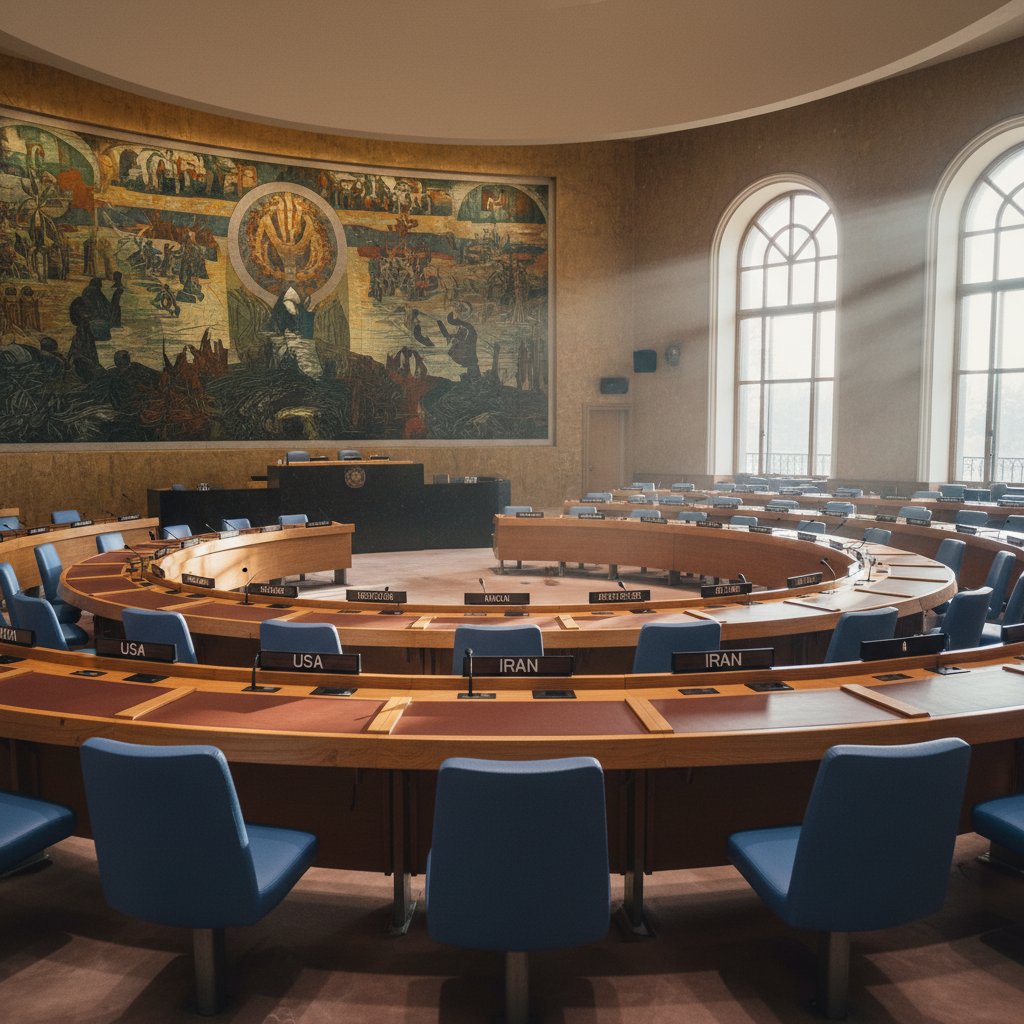
The geopolitical landscape of the Middle East shifted dramatically this week following the death of Iran’s Supreme Leader, Ayatollah Ali Khamenei. In the wake of this vacuum of power and ongoing military tensions, U.S. President Donald Trump has signaled a surprising willingness to engage in direct negotiations with Tehran’s emerging leadership.
Speaking in an exclusive interview with The Atlantic magazine published late Sunday, President Trump stated that the current Iranian leadership has reached out through intermediaries to express a desire for dialogue. This development comes after months of "maximum pressure" and sporadic military exchanges that many feared would escalate into a full-scale regional war.
"They want to talk," Trump told the magazine. "The situation has changed significantly over the last 48 hours. They have a new reality to deal with, and I think they realize that the old path leads nowhere but to ruin. We’ll be seeing if we can make a deal that actually works."
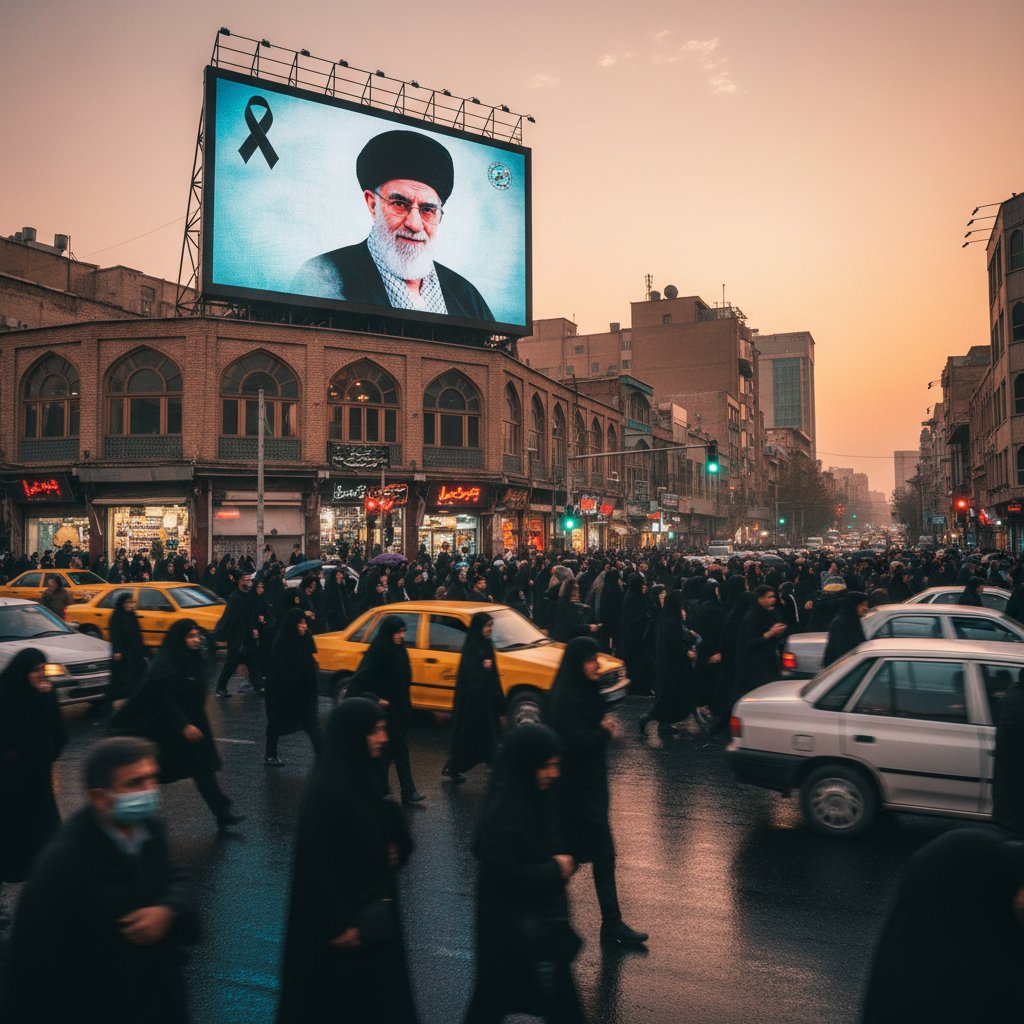
A Sudden Vacancy in Power
The death of Ayatollah Ali Khamenei, who had ruled Iran since 1989, has plunged the Islamic Republic into a period of profound uncertainty. While the Assembly of Experts has moved quickly to establish a transitional council, reports from Tehran suggest intense internal debates regarding the future direction of the country’s foreign policy.
The "Iran strikes" mentioned in recent military briefings—a reference to limited but high-impact U.S. and allied surgical strikes against drone manufacturing facilities and IRGC command centers—appear to have played a role in the current diplomatic opening. Analysts suggest that the combination of internal succession struggles and external military pressure has forced a reassessment within the Iranian halls of power.
The transition comes at a time when the Iranian economy remains crippled by international sanctions. For the first time in years, the prospect of sanctions relief in exchange for a restructured nuclear agreement and a cessation of regional proxy activities seems to be on the table.
European Coordination: Merz Heads to Washington
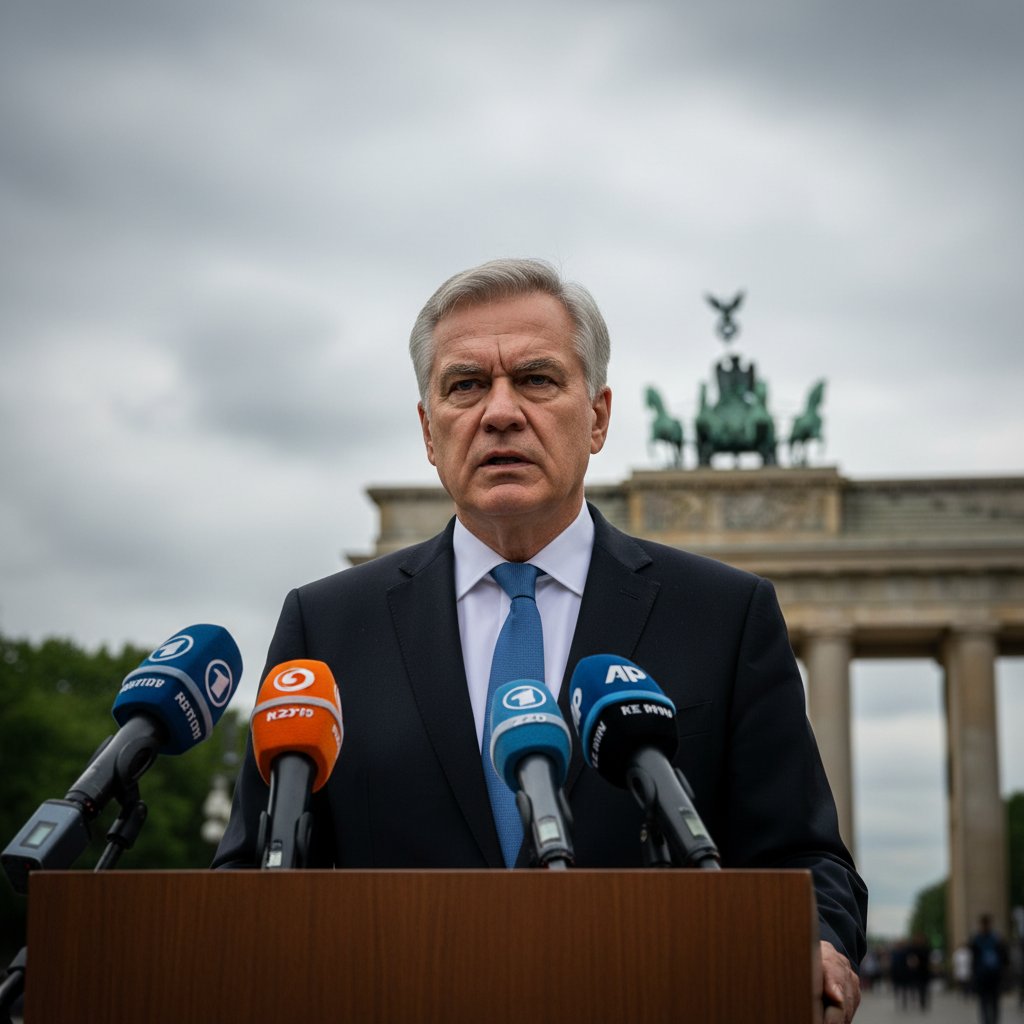
The international community is watching the developments with a mixture of hope and caution. German Chancellor Friedrich Merz announced on Monday that he would be traveling to Washington later this week to coordinate a unified Western response.
Speaking from Berlin, Chancellor Merz emphasized that while the opportunity for diplomacy is welcome, the West must remain vigilant. "Berlin shares the assessment that a window of opportunity may be opening," Merz said. "However, any negotiation must be grounded in verifiable actions, not just rhetoric. I will be discussing the specifics of a joint European-American strategy with President Trump during my visit."
European leaders are particularly concerned with ensuring that any new deal addresses not only Iran’s nuclear ambitions but also its ballistic missile program and its influence in Lebanon, Yemen, and Syria. The Chancellor's visit is seen as a crucial step in preventing a fragmented approach that Tehran could exploit.
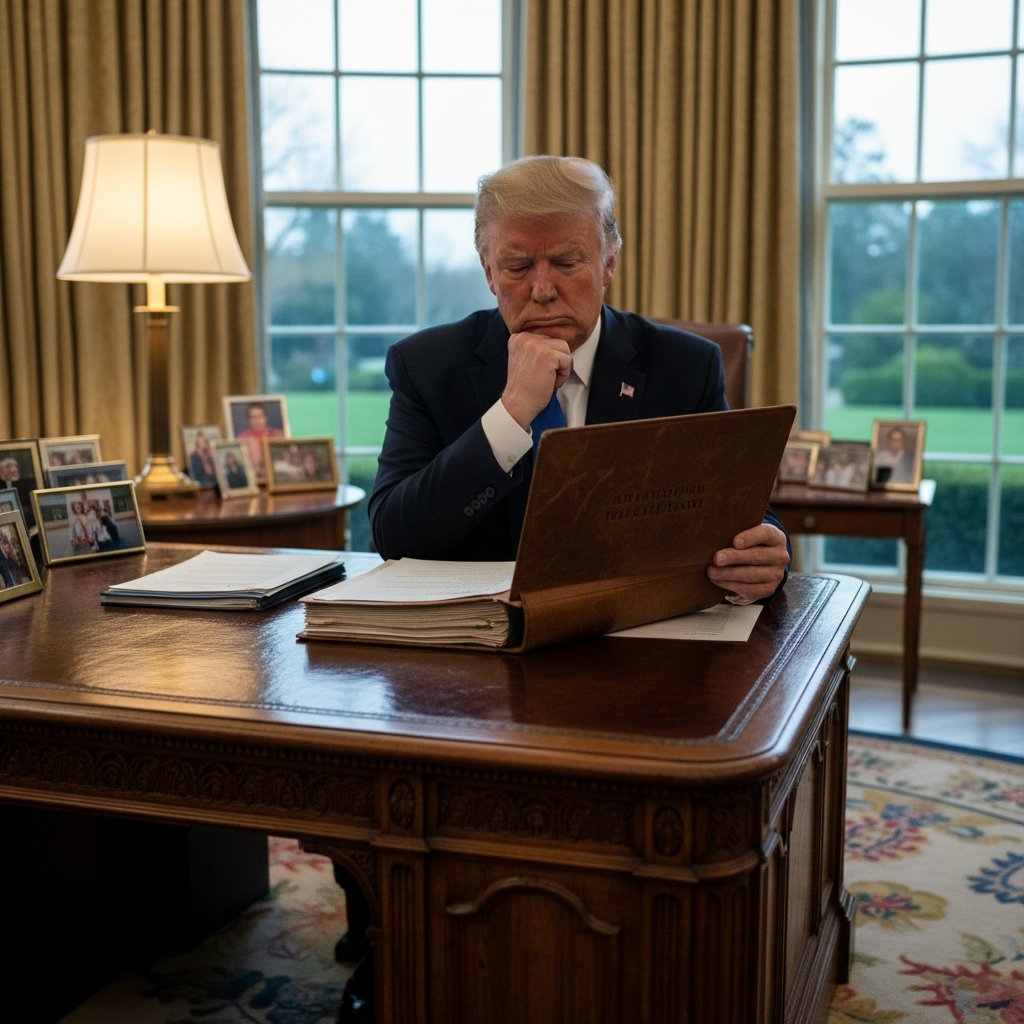
The Risks of a Fragile Transition
Despite the optimistic tone from the Oval Office, intelligence officials warn that the situation remains highly volatile. The death of a Supreme Leader often leads to power struggles between "pragmatists" who seek economic stability and "hardliners" within the Islamic Revolutionary Guard Corps (IRGC) who may view negotiations as an act of surrender.
Furthermore, the "Iran strikes" of the past month have left a residue of resentment among the Iranian military's top brass. If the transitional government is unable to consolidate power, the risk of rogue military actions or a crackdown on domestic dissent remains high.
"We are essentially looking at a 'black box' scenario," said Dr. Elena Vance, a senior fellow at the Institute for Middle East Policy. "Trump is betting on his ability to strike a 'Grand Bargain,' but he is dealing with a leadership structure that is currently in a state of flux. It is a high-stakes gamble."
What Comes Next?
The White House has not yet released a timeline for potential talks, nor has it specified where such a meeting might take place. Historical precedents suggest a neutral ground, such as Oman or Switzerland, could serve as a venue for preliminary discussions.
For now, the world waits to see if the rhetoric of the past few days translates into a formal diplomatic framework. With global oil markets reacting sensitively to every headline out of Tehran and Washington, the pressure to reach a stable resolution has never been higher.
As President Trump noted at the conclusion of his interview, "The world is watching. We have the upper hand, but we also have the responsibility to see if peace is possible."