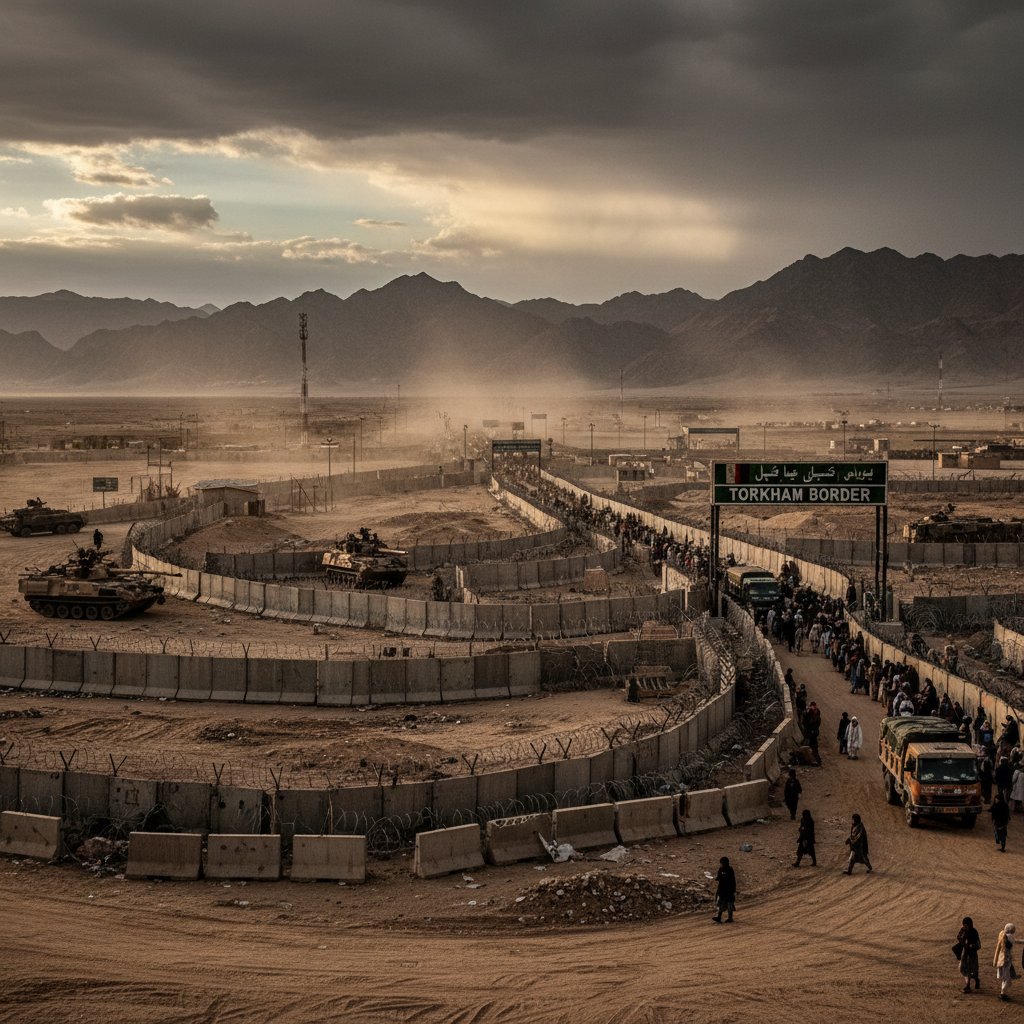
The long-simmering tensions between the Taliban-led administration in Kabul and the government in Islamabad reached a violent breaking point this week. On February 26, Afghan security forces launched a series of coordinated attacks against Pakistani military outposts along the disputed Durand Line. The engagement, confirmed by Al Jazeera and local witnesses, represents the most significant military escalation between the two neighbors since the Taliban returned to power in 2021.
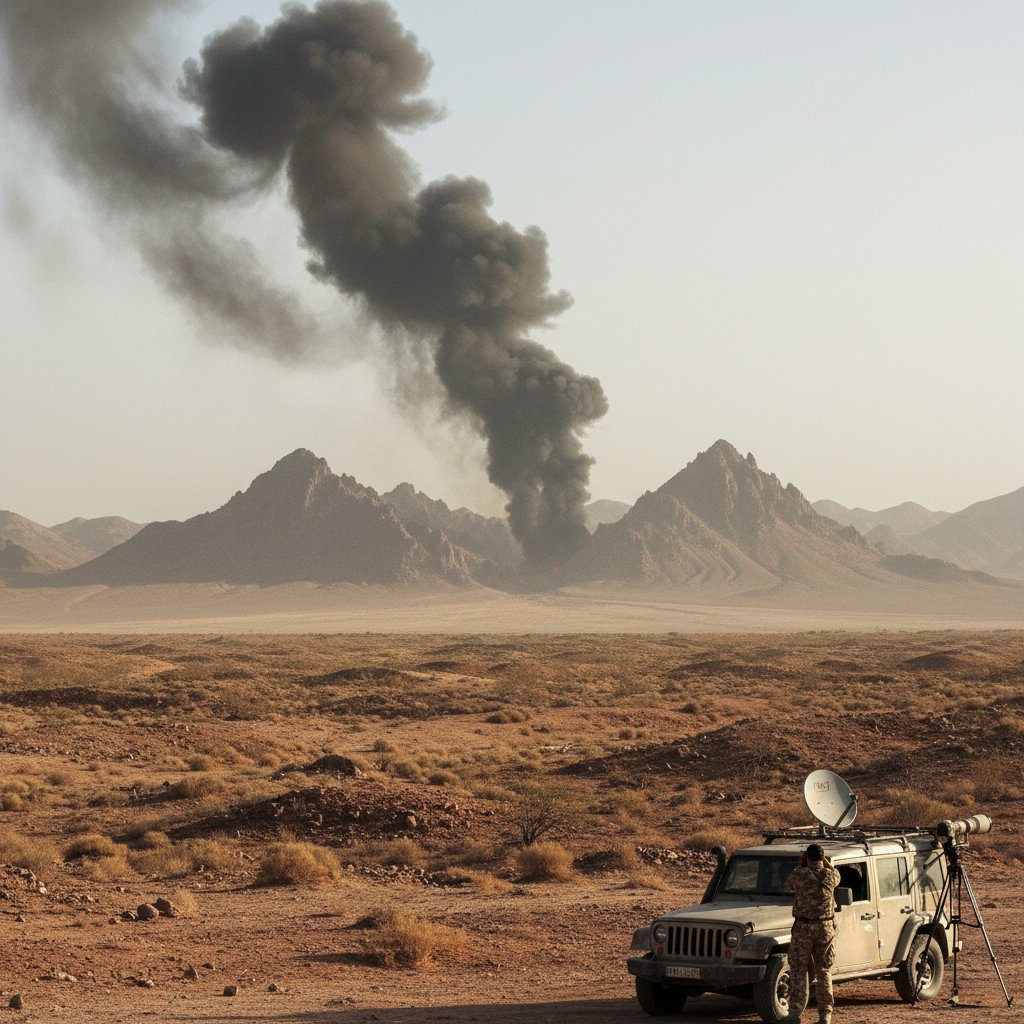
Heavy artillery and small-arms fire were reported in several flashpoints, including the Torkham crossing and parts of the Khost and Kunar provinces. While the Afghan Ministry of Defense described the actions as a response to "unprovoked Pakistani aggression," Islamabad has characterized the strikes as a violation of its territorial integrity and a direct threat to regional peace.
A Surge in Cross-Border Hostilities
The immediate catalyst for the February 26 attacks appears to be a dispute over the construction of new security outposts by Pakistani forces. For decades, the 2,640-kilometer Durand Line has remained a point of deep contention; Kabul has never formally recognized it as an international border, while Islamabad views it as a settled frontier.
According to military sources in Kabul, Afghan forces targeted at least three Pakistani border facilities after several days of verbal warnings went unheeded. The skirmishes resulted in casualties on both sides, though exact figures remain difficult to verify due to the remote, mountainous terrain and restricted access for independent journalists.
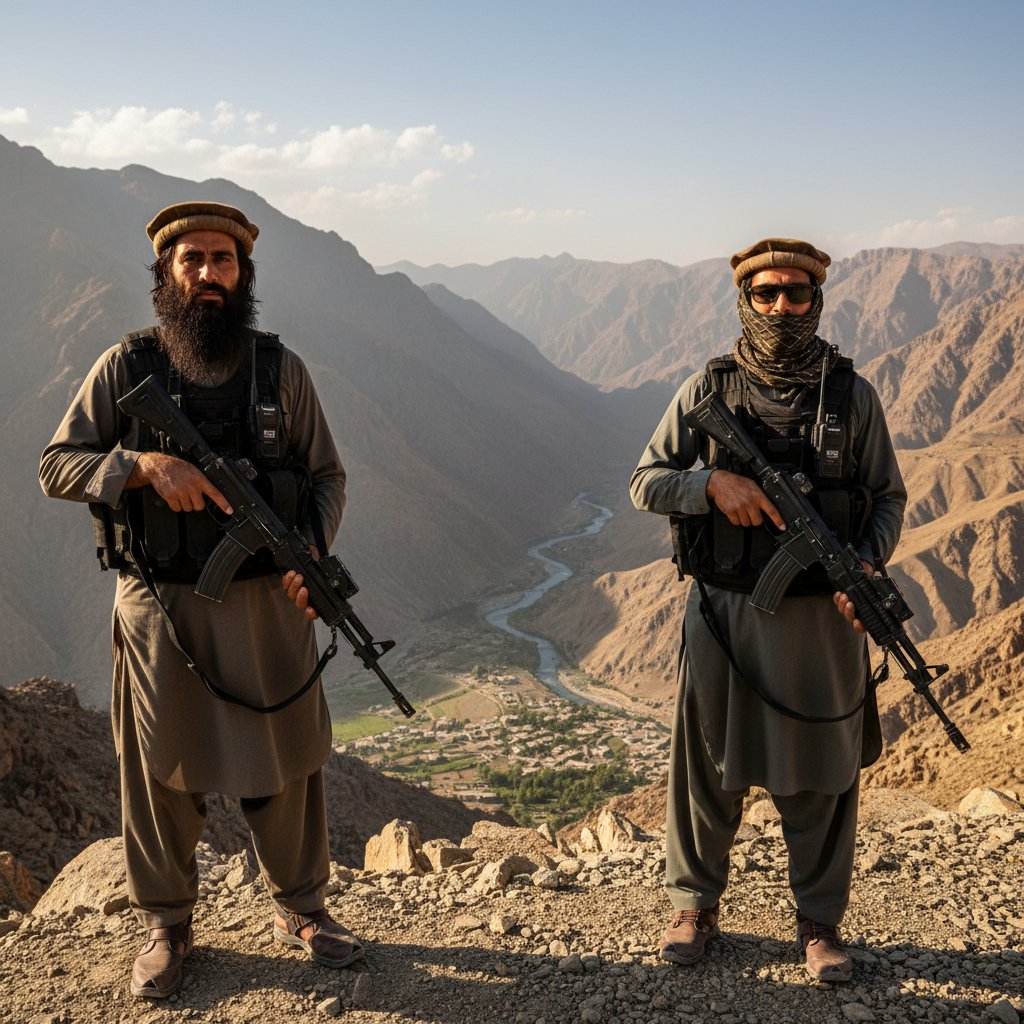
The geopolitical implications of this clash are profound. Pakistan, a nuclear-armed state with one of the largest standing armies in the world, finds itself in a precarious position. For years, Islamabad faced international criticism for its perceived support of the Taliban; now, it faces a direct military challenge from that same group.
The Roots of the Confrontation
The deterioration of the relationship is rooted in more than just border posts. Pakistan has repeatedly accused the Taliban of providing a safe haven for the Tehrik-i-Taliban Pakistan (TTP), a militant group that has launched a wave of deadly attacks inside Pakistan over the last year.
Kabul has consistently denied these allegations, countering that Pakistan is using the TTP as a pretext to launch airstrikes inside Afghan territory. This "blame game" has stalled diplomatic efforts and led to frequent closures of vital trade routes, strangling the economies of both nations.
Recent Incidents on the Durand Line
| Date | Location | Incident Type | Outcome |
|---|---|---|---|
| 2026-02-26 | Torkham Pass | Artillery Fire | Border crossing closed indefinitely |
| 2026-02-27 | Khost Province | Small Arms Skirmish | Displacement of local villagers |
| 2026-02-28 | Spin Boldak | Troop Buildup | High military alert on both sides |
Humanitarian and Regional Implications
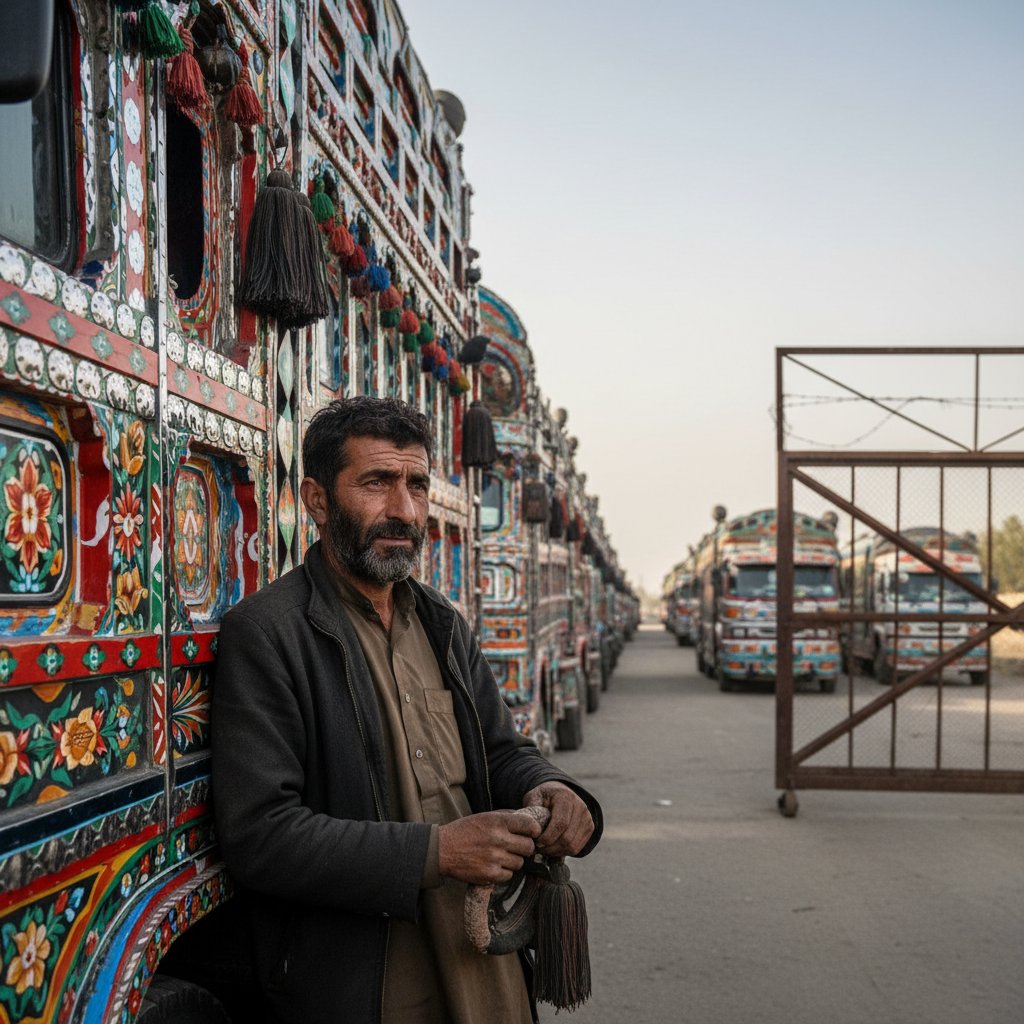
The human cost of this escalation is mounting rapidly. Civilians living in border villages have begun fleeing their homes as the sound of shelling echoes through the valleys. The closure of the Torkham and Chaman border crossings has also left thousands of trucks carrying perishable goods stranded, exacerbating the humanitarian crisis in Afghanistan, where millions already face acute food insecurity.
Regional powers, including China and Iran, have called for "maximum restraint." Beijing, which has significant economic interests in the region via the China-Pakistan Economic Corridor (CPEC), is particularly concerned that a protracted conflict could destabilize its investments and provide an opening for extremist groups to expand their influence.
Diplomatic Deadlock
Despite the violence, neither side has shown a willingness to return to the negotiating table without significant concessions. The Taliban administration, seeking to bolster its domestic legitimacy through nationalist rhetoric, appears unwilling to back down on the border issue. Meanwhile, the Pakistani government is under immense domestic pressure to secure its citizens against cross-border militancy.
Expert analysts suggest that without a neutral third-party mediator, the risk of these skirmishes evolving into a broader conflict remains high. The United Nations has expressed concern over the "deteriorating security situation," urging both nations to utilize existing communication channels to prevent further loss of life.
As the sun sets over the Hindu Kush today, the situation remains extremely volatile. Military reinforcements continue to arrive on both sides of the Durand Line, and the sound of occasional gunfire serves as a grim reminder that the decades-old border dispute is far from over.