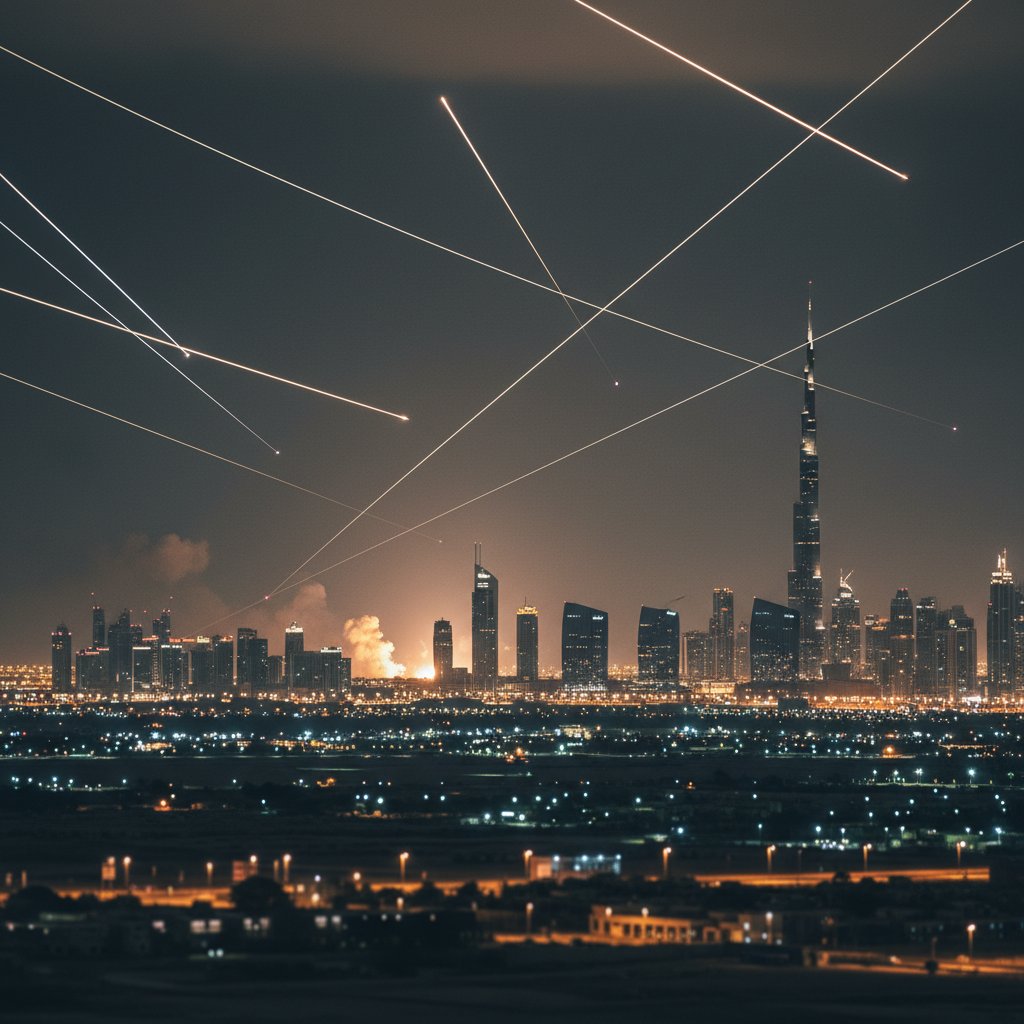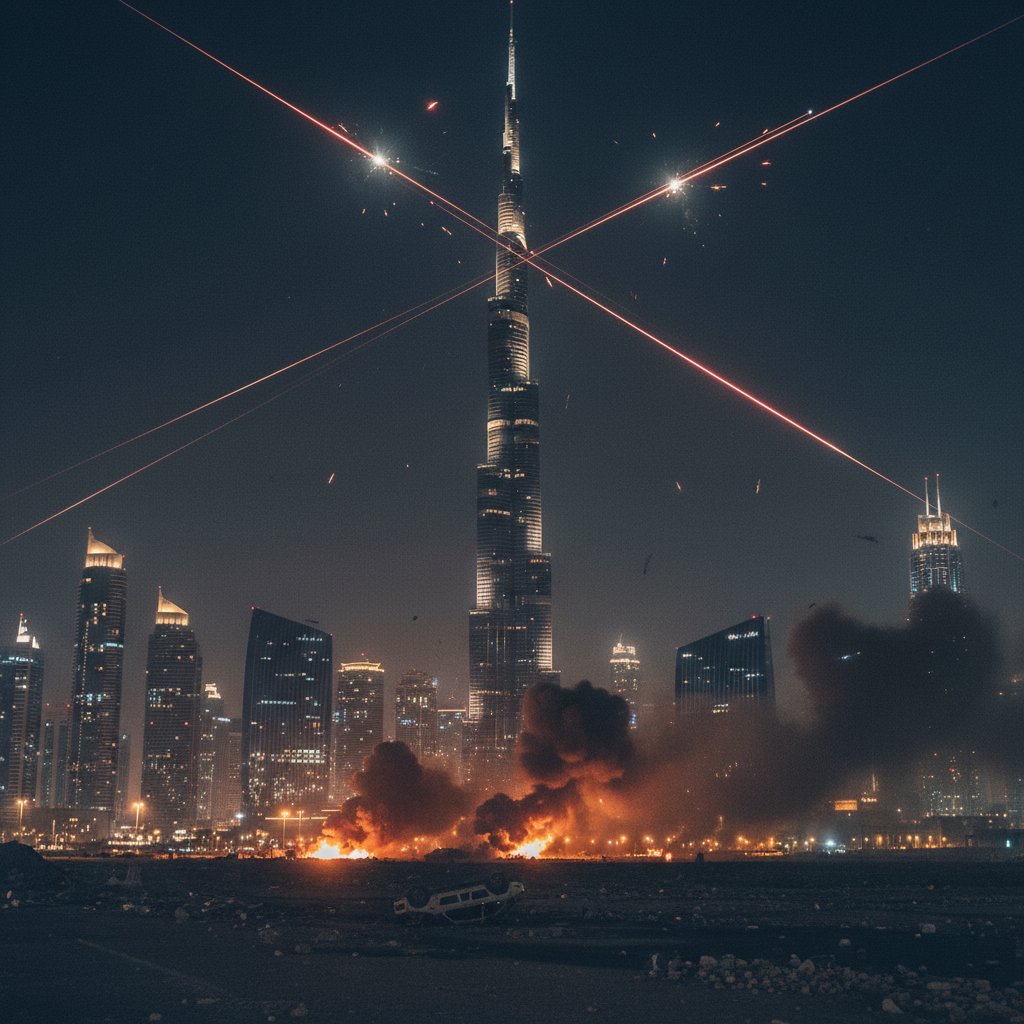
The long-feared regional spillover of the Middle East conflict reached a critical inflection point early Wednesday morning as explosions were reported in the financial and transit hubs of Dubai, Abu Dhabi, and Doha. The strikes, which coincide with a significant escalation in the war between Israel and Hezbollah, have prompted President Donald Trump to issue a direct and severe warning to the Iranian leadership, threatening "larger strikes" should the aggression continue.
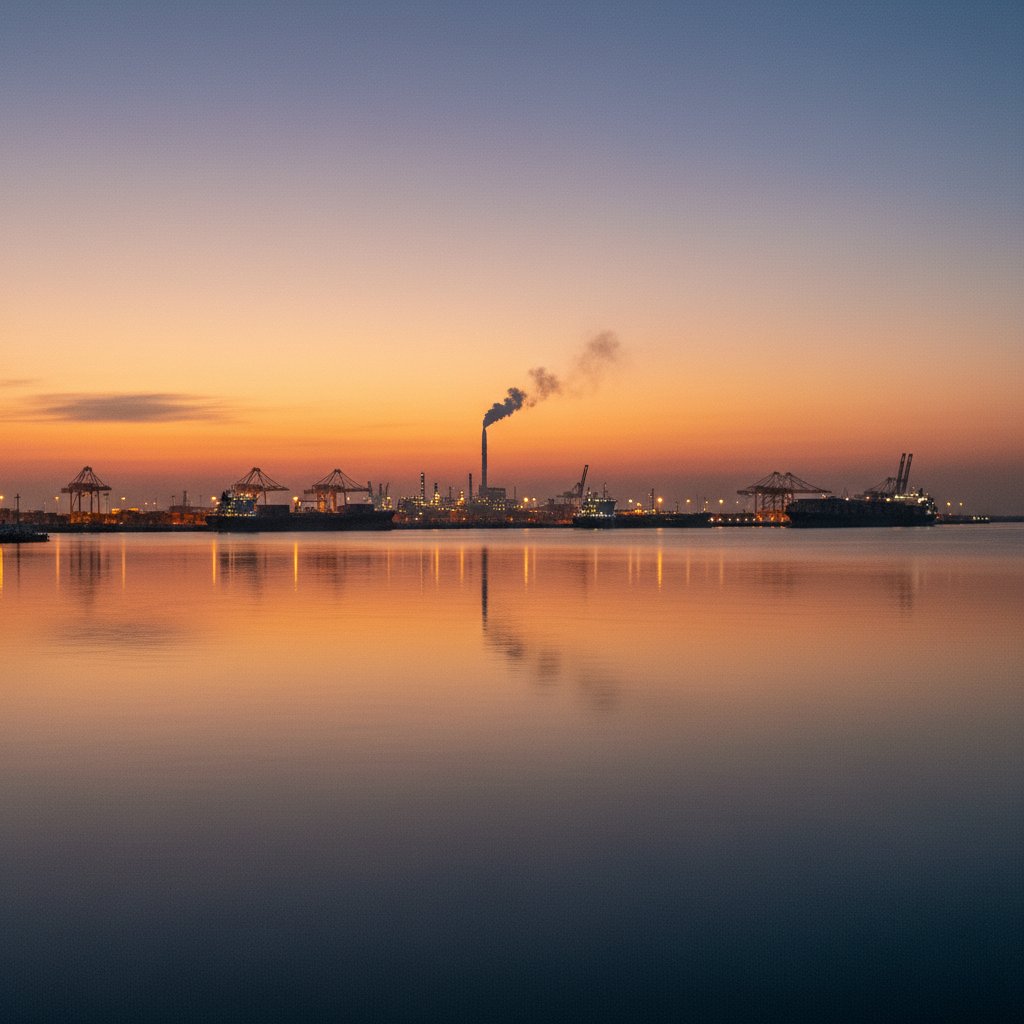
The escalation marks the first time that major Gulf metropolitan areas have been directly targeted or affected by the widening arc of the conflict. While the source of the explosions remains under investigation, early intelligence assessments point toward a coordinated drone and cruise missile offensive launched from regional proxies or Iranian territory.
A Night of Panic in the Gulf
Residents in Dubai and Abu Dhabi reported hearing thunderous booms shortly after midnight. Video footage shared on social media showed anti-missile defense systems engaging targets over the Persian Gulf. In Doha, the sounds of explosions near the city's outskirts led to a temporary grounding of flights at Hamad International Airport, one of the world's busiest aviation hubs.
The impact on these global cities represents a shift in strategy that targets the economic stability of the region. "The targeting of neutral commercial centers is a red line that has been crossed," said Marcus Thorne, a senior regional analyst at the Global Security Institute. "This is no longer a localized border war; it is a full-scale regional confrontation."
The Human Cost in Beit Shemesh
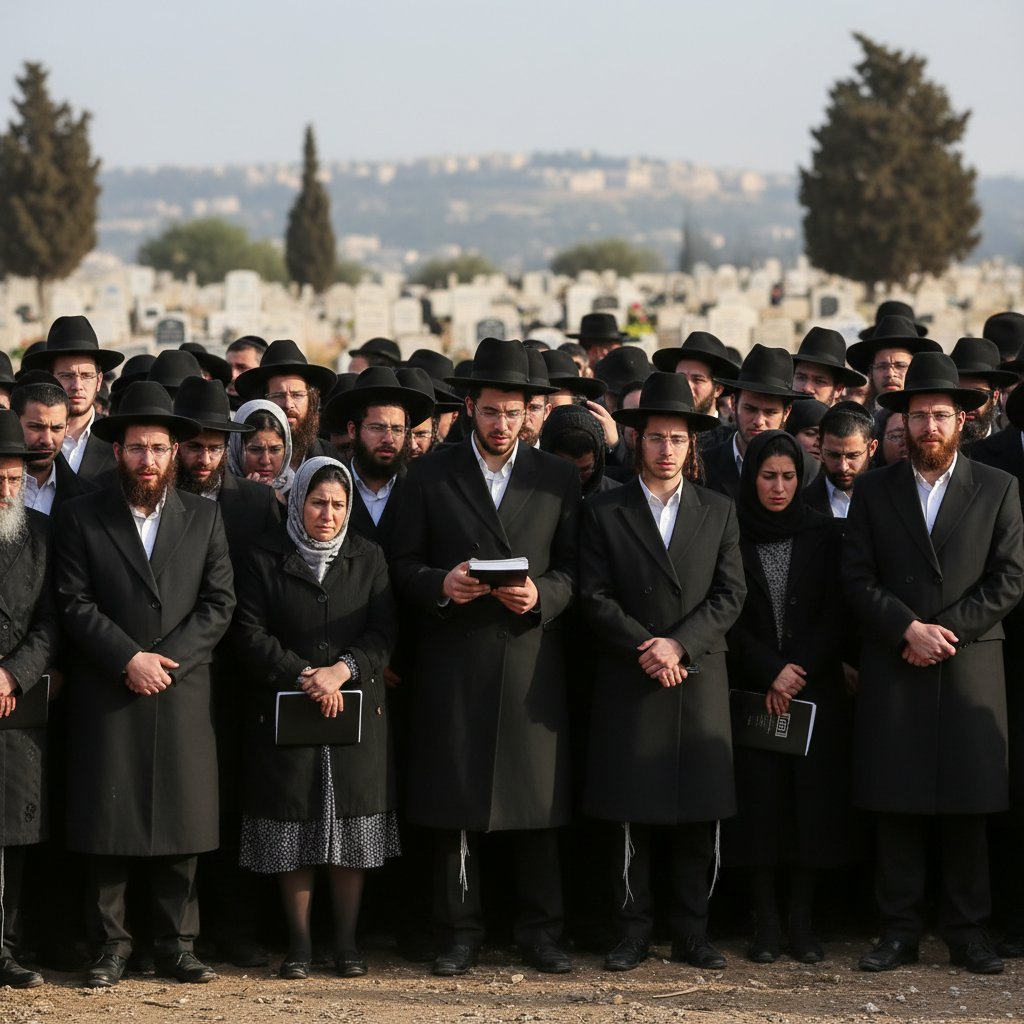
While the Gulf remains on high alert, the human toll of the conflict continues to mount in Israel. In the city of Beit Shemesh, located near Jerusalem, a funeral was held today for three teenage siblings killed when an Iranian missile struck a residential complex.
The victims—Yaakov, 17, Sarah, 15, and David, 13—were reportedly in their home when the strike occurred. The Beit Shemesh municipality confirmed the deaths, which have become a focal point for domestic calls for a more decisive military response. The tragedy has galvanized public sentiment in Israel, as the IDF continues to trade heavy fire with Hezbollah units across the Lebanese border.
Washington Issues an Ultimatum
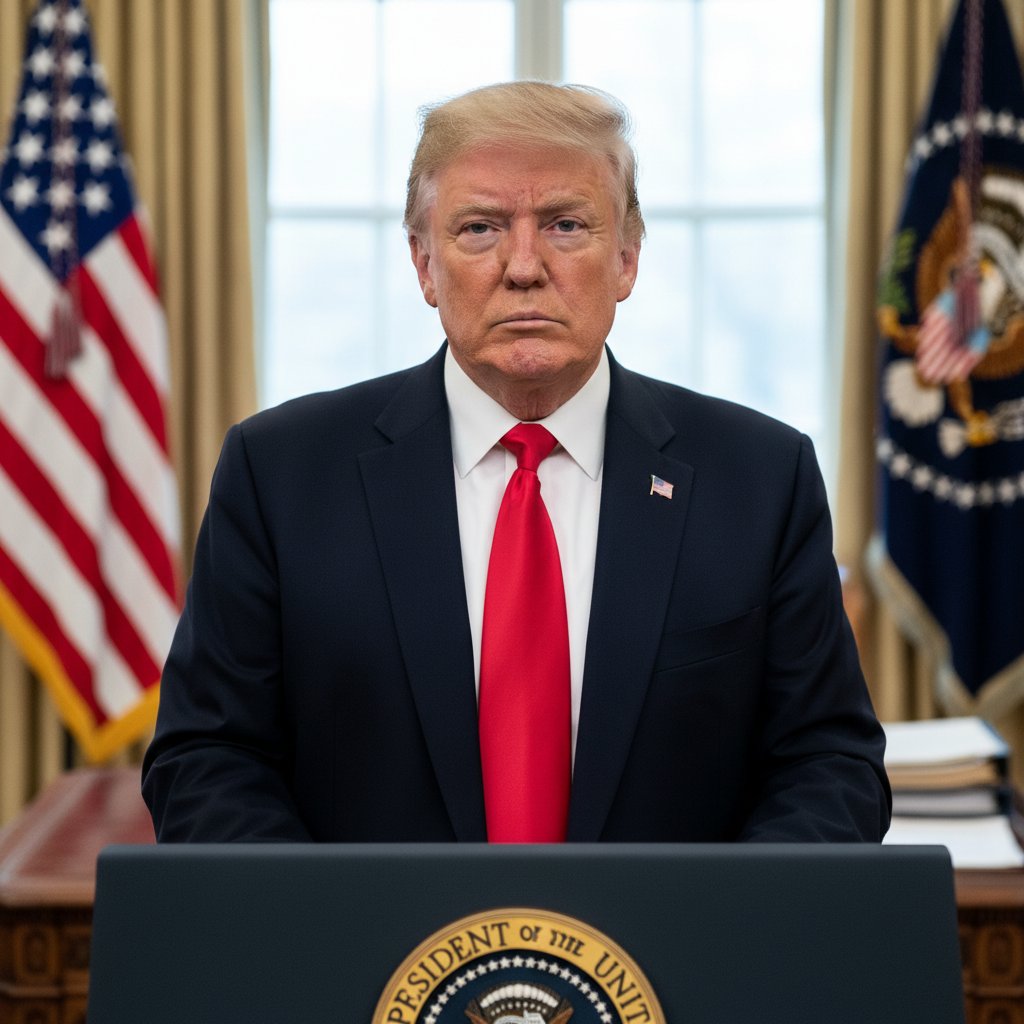
In a televised address from the Oval Office, President Trump condemned the strikes and placed the responsibility squarely on Tehran. "Iran is making a very big mistake," the President stated. "They are seeing the results of their provocations, and if they continue, they will face strikes the likes of which have never been seen before. We will not allow our allies to be targeted, and we will not allow the global economy to be held hostage by a rogue regime."
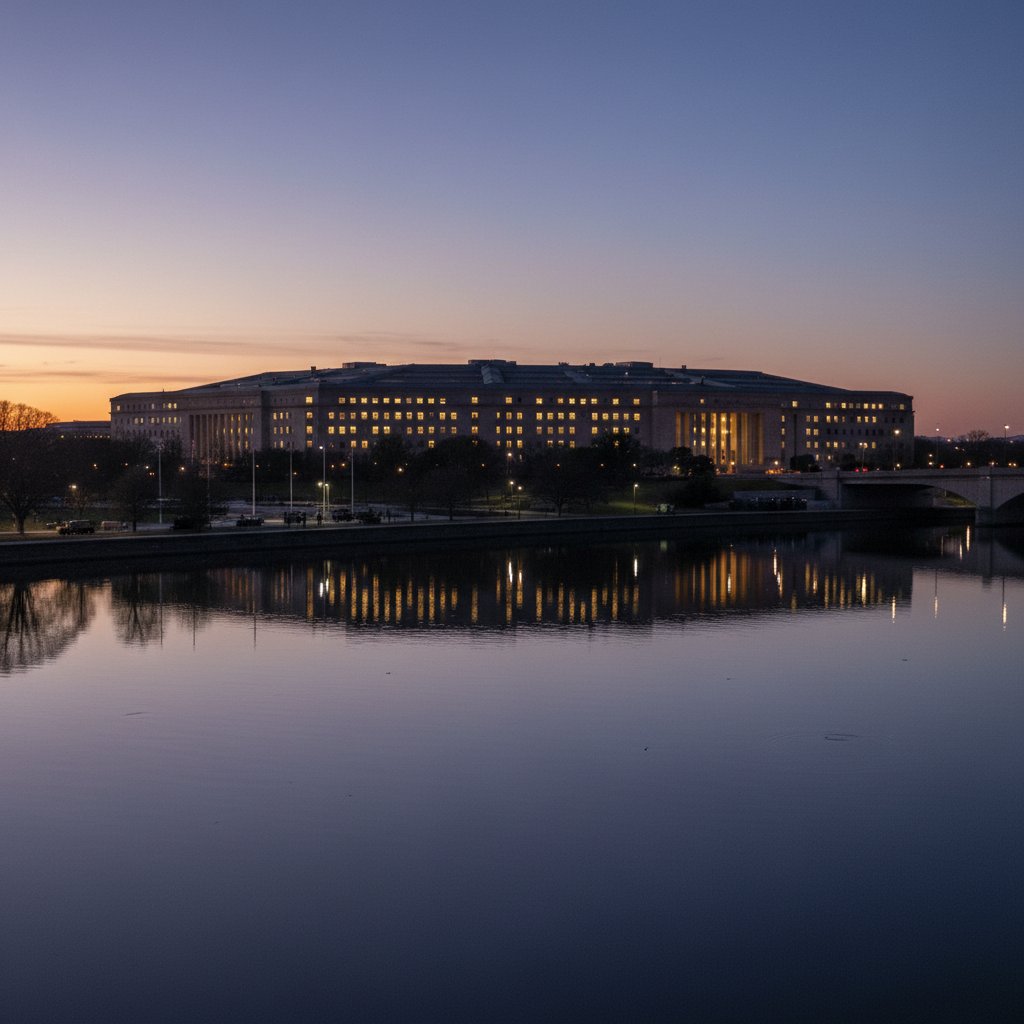
The administration has reportedly authorized the movement of additional carrier strike groups to the Eastern Mediterranean and the North Arabian Sea. Defense officials suggest that the U.S. is currently reviewing a list of "high-value targets" within Iranian borders, signaling a departure from the previous policy of containment through proxy engagement.
Economic and Geopolitical Implications
The immediate fallout of the Gulf explosions was felt on global markets. Brent crude oil prices surged by 7% in early trading, as investors feared a prolonged disruption to the Strait of Hormuz. Shipping companies have already begun rerouting vessels, a move that experts warn could lead to a significant spike in global inflation.
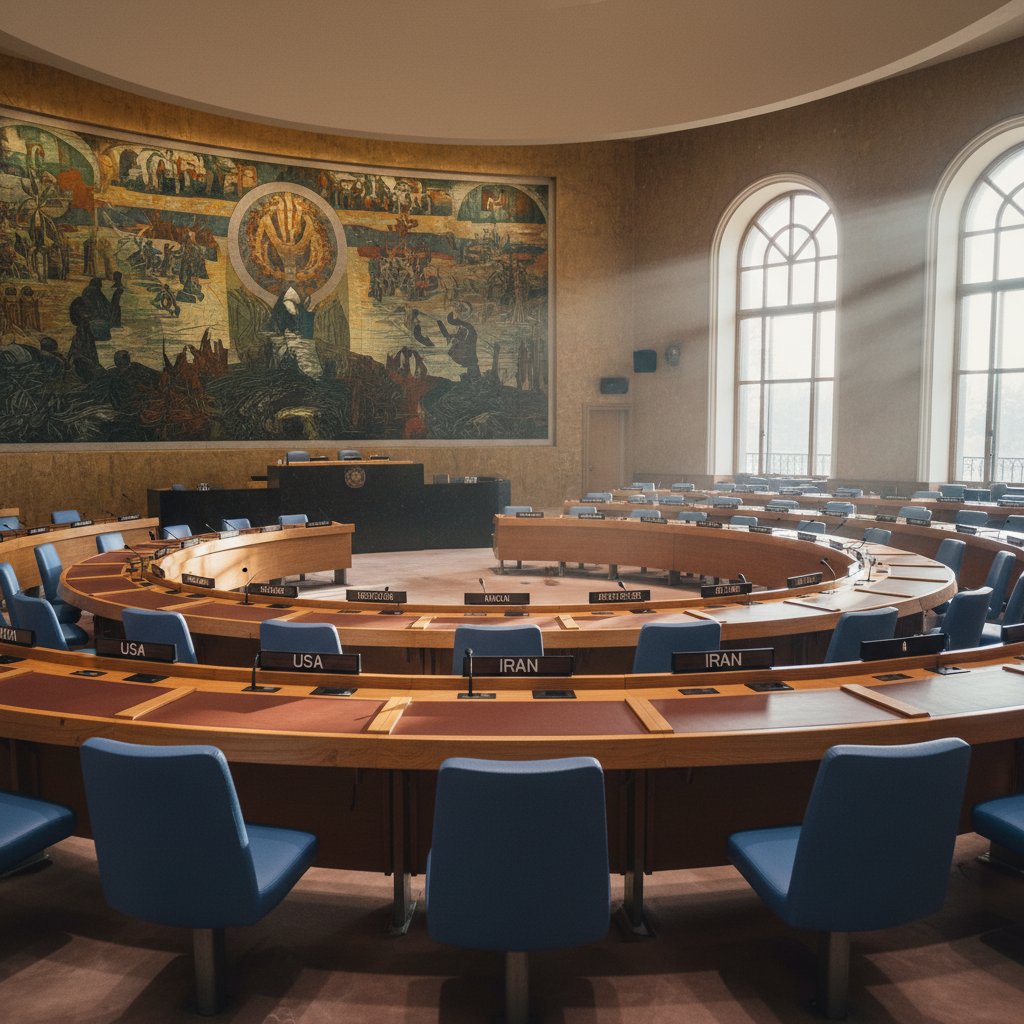
The diplomatic situation remains fragile. While several European nations have called for an immediate ceasefire, the rhetoric coming from both Tehran and Jerusalem suggests that neither side is ready to back down. Iran’s Foreign Ministry issued a statement claiming that their actions are a "legitimate response" to "continued Zionist aggression," though they did not explicitly claim responsibility for the explosions in Dubai or Doha.
| Region | Primary Incident Type | Current Status | | :--- | :--- | :--- | | Dubai/Abu Dhabi | Reported Explosions / Air Defense Activation | High Alert | | Doha | Reported Explosions | Flight Disruptions | | Beit Shemesh | Missile Strike / Civilian Casualties | Mourning / Recovery | | Southern Lebanon | Ongoing Air Strikes / Ground Operations | Active Combat |
The Path Toward Escalation
As the sun rises over a jittery Middle East, the international community remains on edge. The transition from border skirmishes to strikes on major international cities suggests that the traditional "rules of engagement" have been discarded.
Military analysts suggest the next 48 hours will be decisive. If the U.S. follows through on Trump's warning of "larger strikes," the region could enter a state of total war that would inevitably involve every major power in the world. For now, the world watches the skies over the Gulf, waiting to see if diplomacy can find a foothold in a landscape increasingly defined by fire and rhetoric.