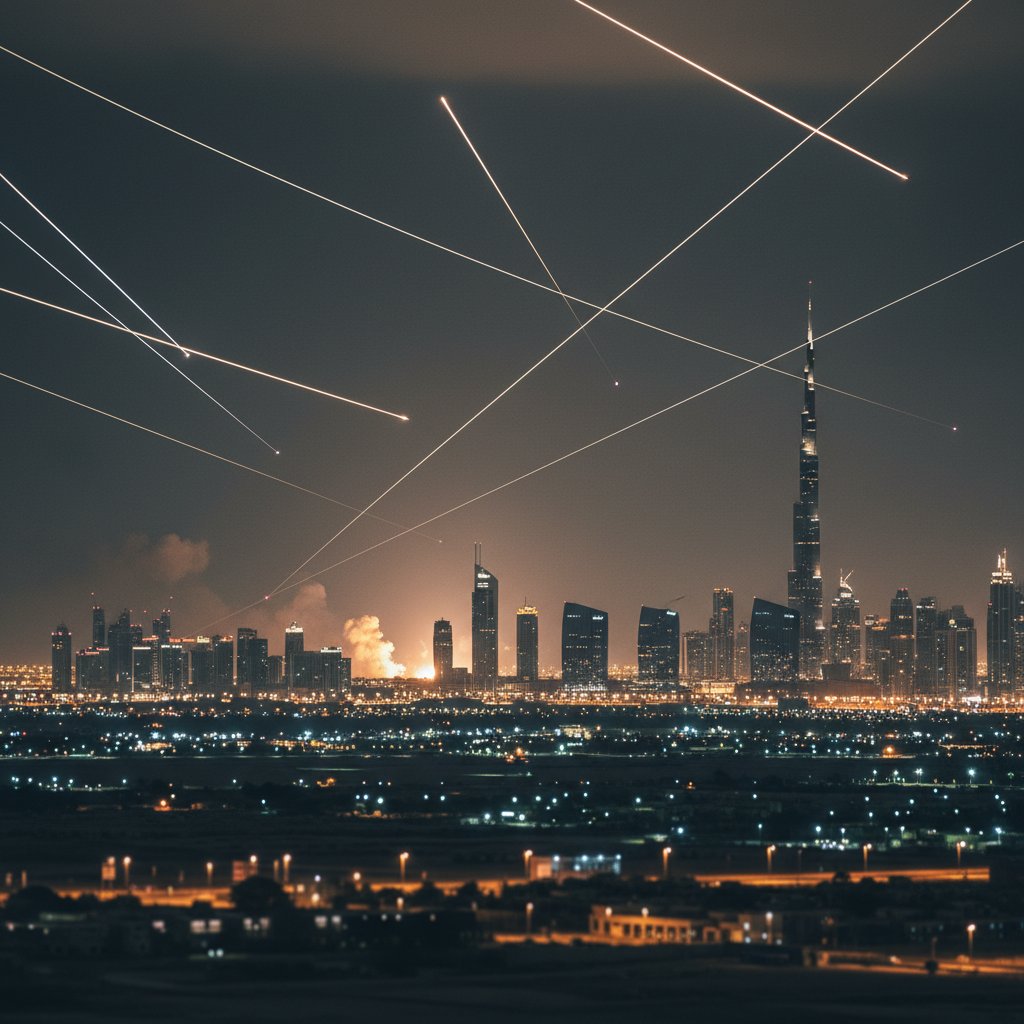
The Middle East has entered a period of unprecedented volatility following a series of coordinated Iranian strikes targeting United States military installations and key regional allies. The attacks, which began late Saturday and continued through Sunday, have struck locations in Dubai, Doha, Bahrain, and Kuwait, marking a significant escalation in a conflict that has now transcended localized skirmishes to become a full-scale regional confrontation.
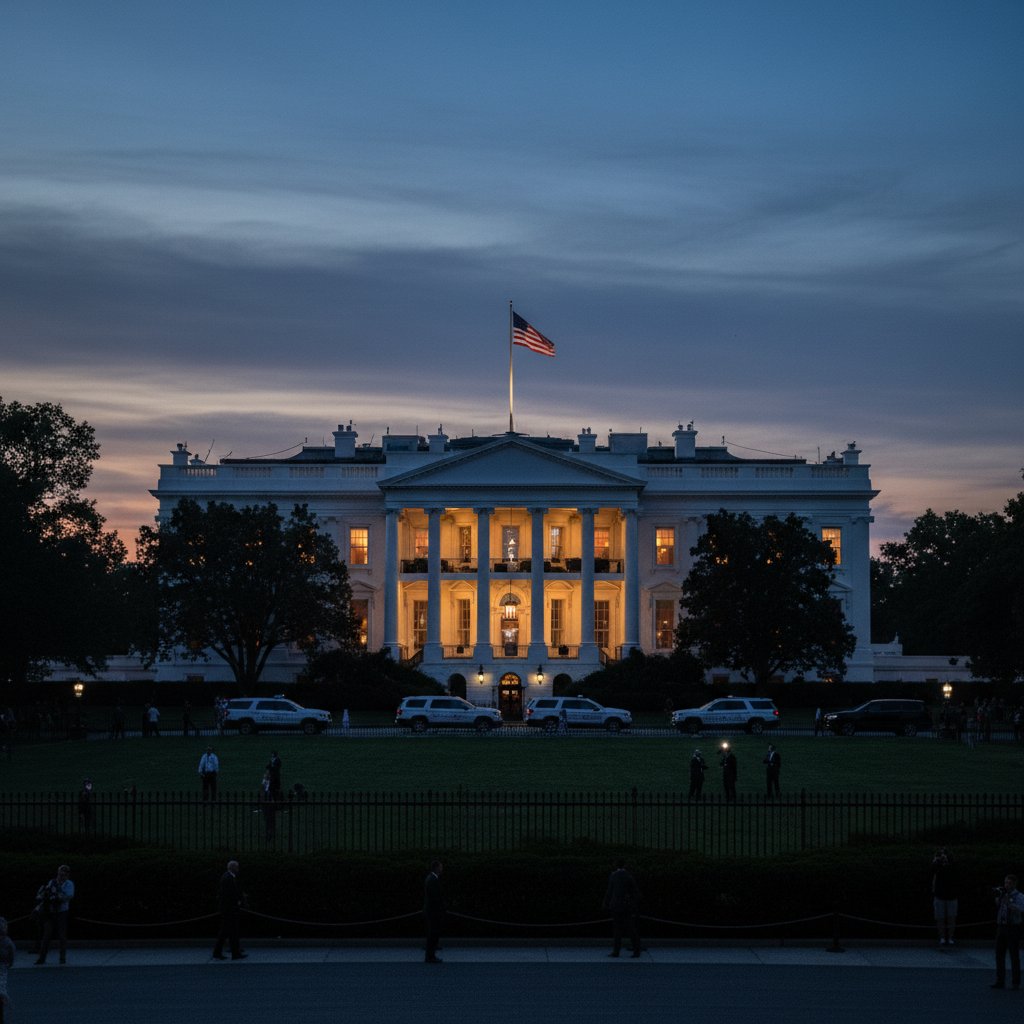
The strikes follow a televised address by President Donald Trump on February 28, in which he confirmed that "major combat operations" were under way within Iranian territory. While the White House has remained largely silent since that announcement, the kinetic reality on the ground across the Persian Gulf suggests a rapid and violent response from Tehran’s Islamic Revolutionary Guard Corps (IRGC).
A Coordinated Retaliation Across the Gulf
Reports from the ground indicate that the strikes involved a sophisticated mix of ballistic missiles and one-way "suicide" drones. In Dubai, witnesses reported multiple explosions near the outskirts of the city, targeting logistics hubs frequently used by Western contractors. Similarly, in Doha, Qatar—home to the massive Al Udeid Air Base—anti-air batteries were seen intercepting projectiles throughout the early hours of Sunday morning.
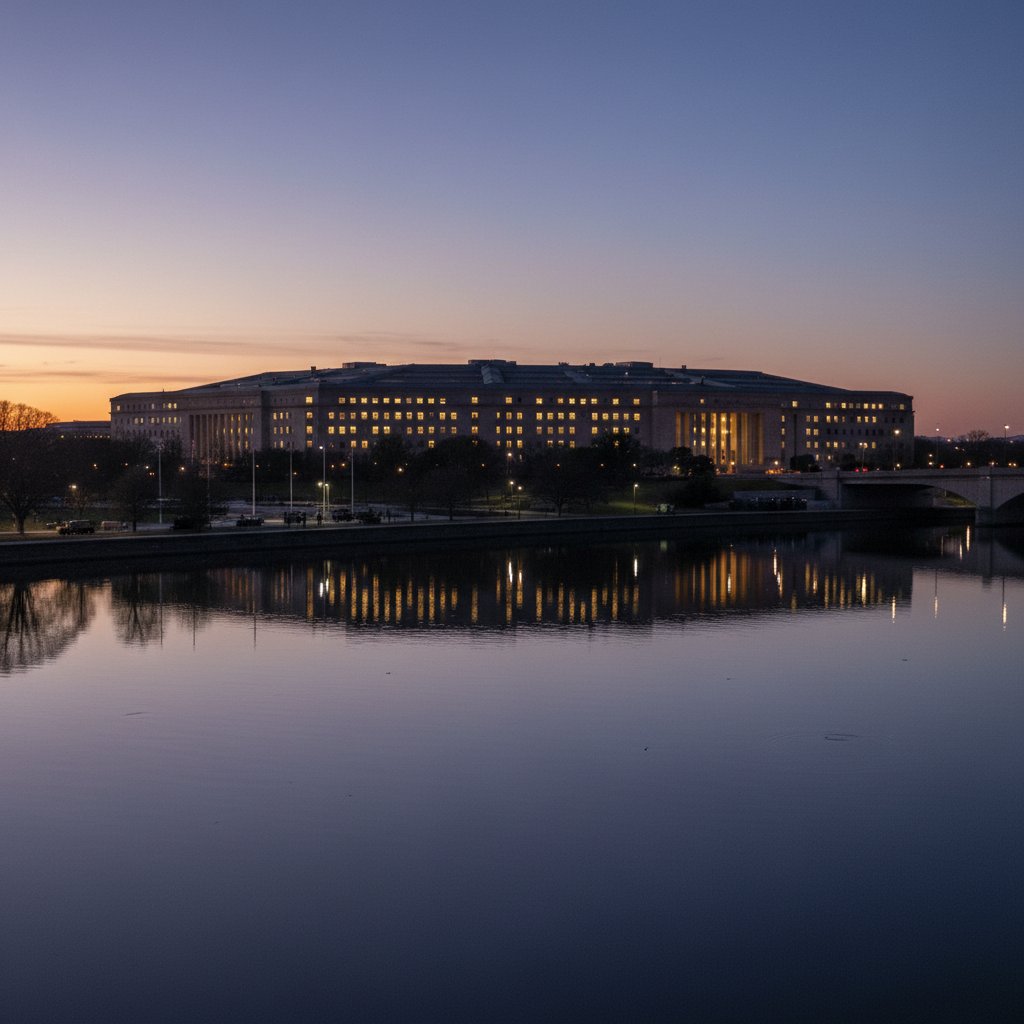
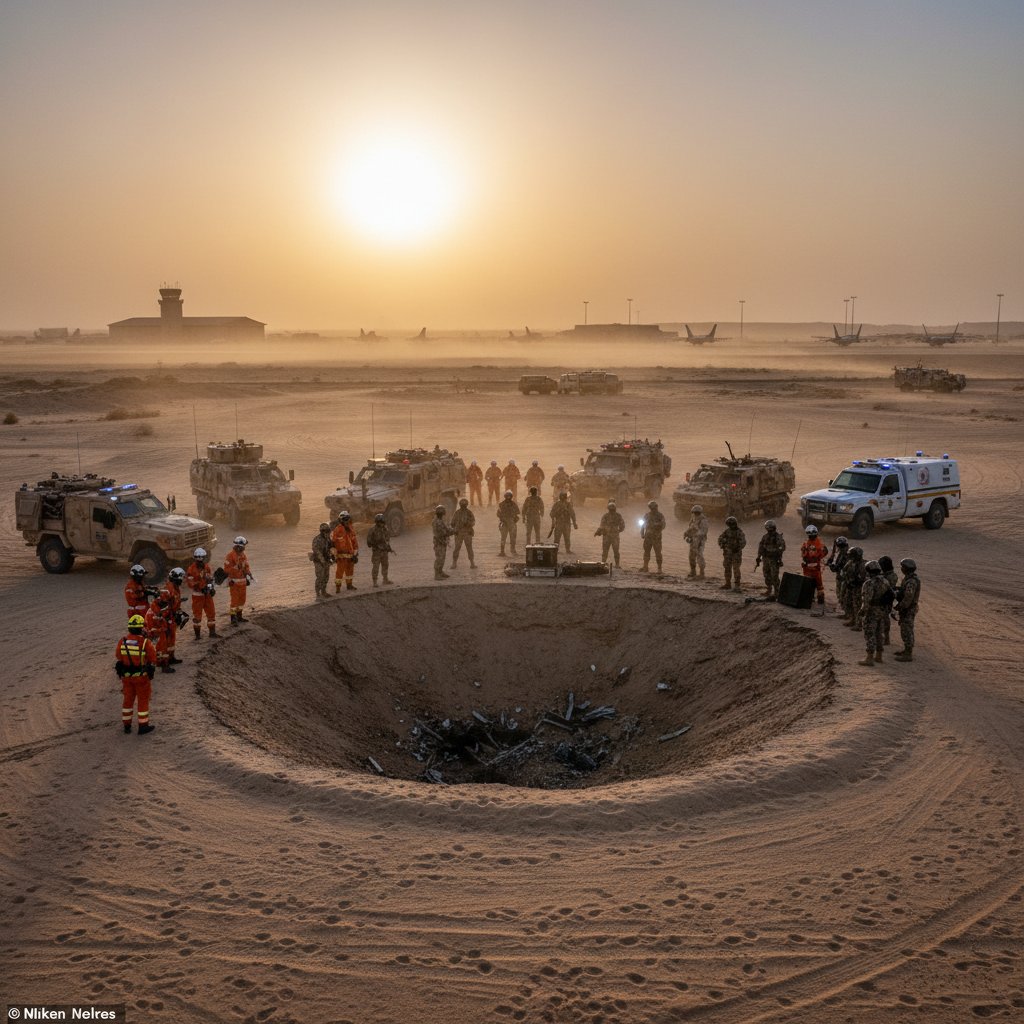
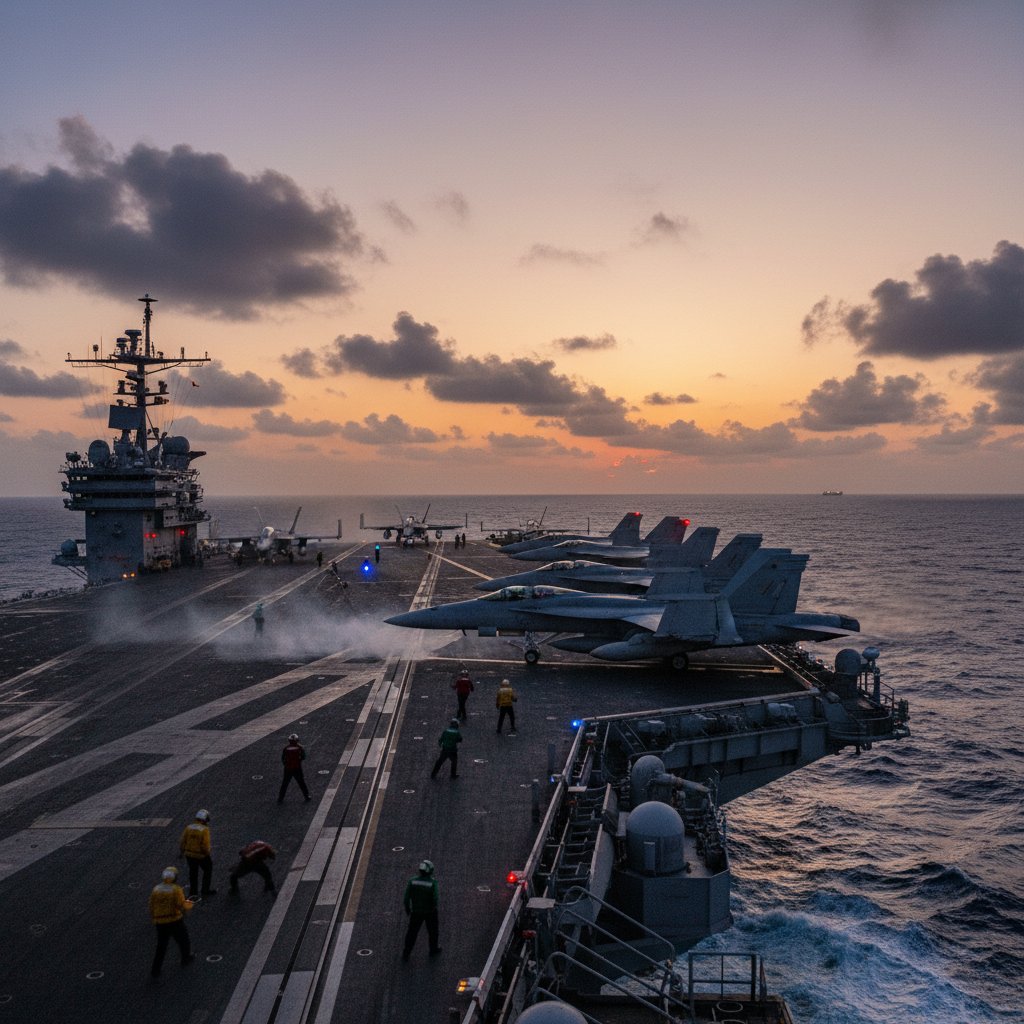
The Pentagon has confirmed that U.S. personnel were targeted at several sites, though a full casualty assessment is still being compiled. Early reports suggest significant structural damage to hangars and fuel depots at bases in Kuwait and Bahrain. The U.S. Navy’s 5th Fleet, headquartered in Manama, Bahrain, is reportedly on "maximum alert" as additional carrier strike groups move toward the North Arabian Sea.
Impact on Global Markets and Energy Security
The immediate impact of the hostilities has been felt most sharply in the global energy markets. Brent Crude surged by over 12% in early Monday trading, as traders fear a prolonged closure of the Strait of Hormuz—the world’s most critical oil transit chokepoint. Analysts at major financial institutions warn that a sustained conflict could push oil prices well above $150 per barrel, potentially triggering a global inflationary shock.
Shipping companies have already begun rerouting vessels away from the Persian Gulf. This mass redirection is expected to cause significant delays in the delivery of liquefied natural gas (LNG) and consumer goods, further complicating a global supply chain that was only recently beginning to stabilize after previous regional tensions.
The Diplomatic Vacuum and International Reaction
International reaction has been swift but divided. In Brussels, European Union leadership issued a stern warning, calling for an immediate cessation of hostilities and a return to the negotiating table. "The risk of a total regional conflagration has never been higher," a spokesperson for the EU Foreign Policy chief stated. "We urge all parties to exercise maximum restraint to prevent further loss of civilian life."
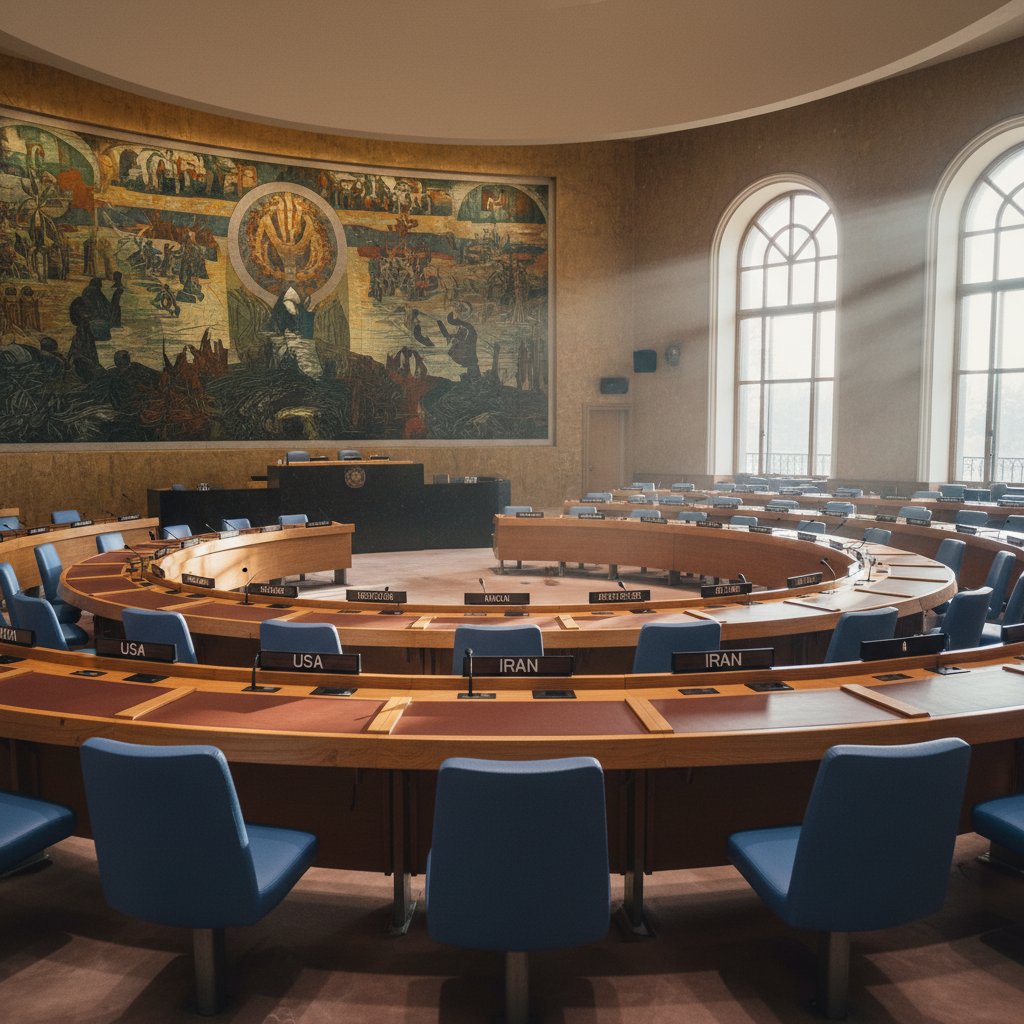
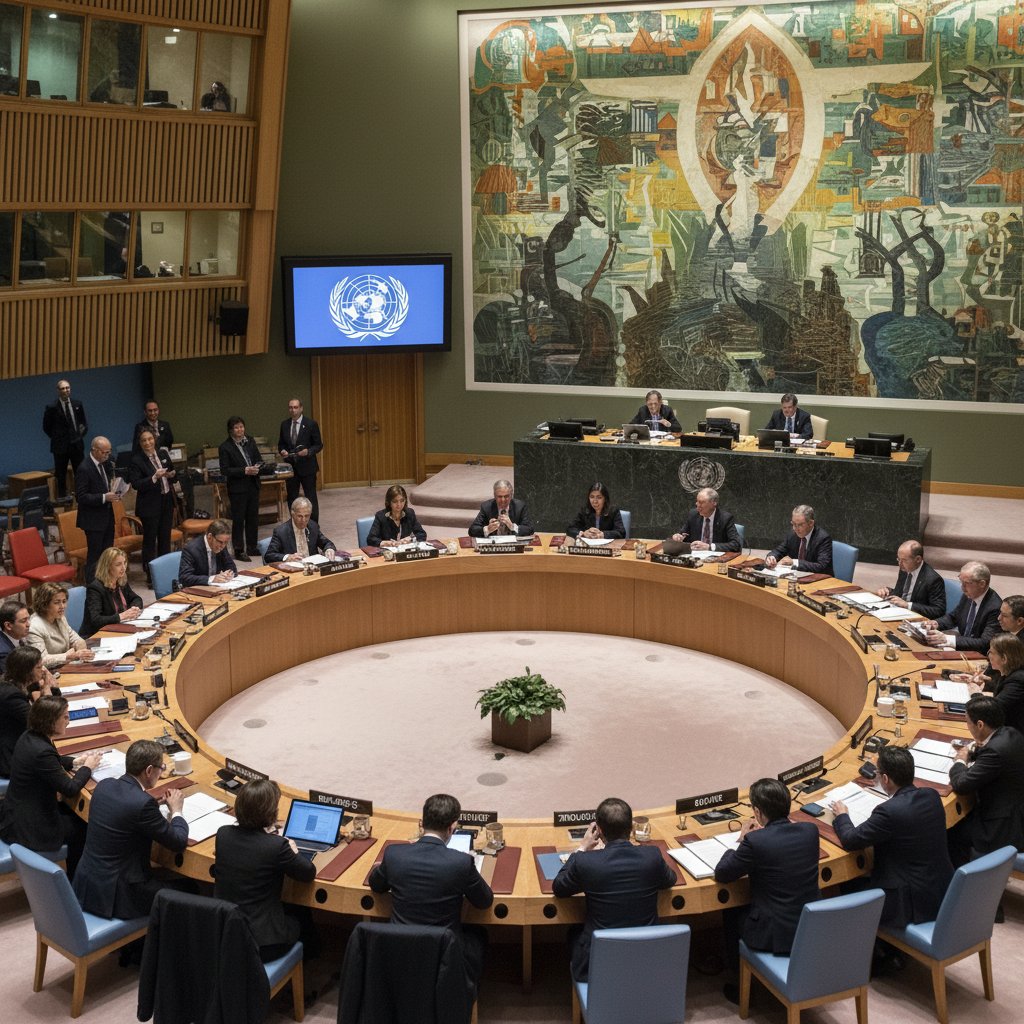
Conversely, several nations have expressed support for the U.S. military actions, citing Iran's long-standing influence over regional proxy groups. The diplomatic divide was mirrored in an emergency session of the United Nations Security Council, where permanent members remained deadlocked over a resolution to condemn the escalating violence.
Strategic Objectives and the Road Ahead
Military analysts suggest that Tehran’s objective is to demonstrate that any strike on Iranian soil will carry a prohibitive cost for U.S. allies in the region. By targeting financial and logistical hubs like Dubai and Doha, Iran seeks to leverage economic pressure against the U.S. administration.
"This is no longer a shadow war," says Dr. Elena Vance, a senior fellow at the Institute for Middle Eastern Studies. "Tehran is signaling that it is willing to risk everything to protect its sovereignty. The 'major combat operations' mentioned by President Trump appear to have triggered a survivalist response from the Iranian leadership, the consequences of which we are only beginning to see."
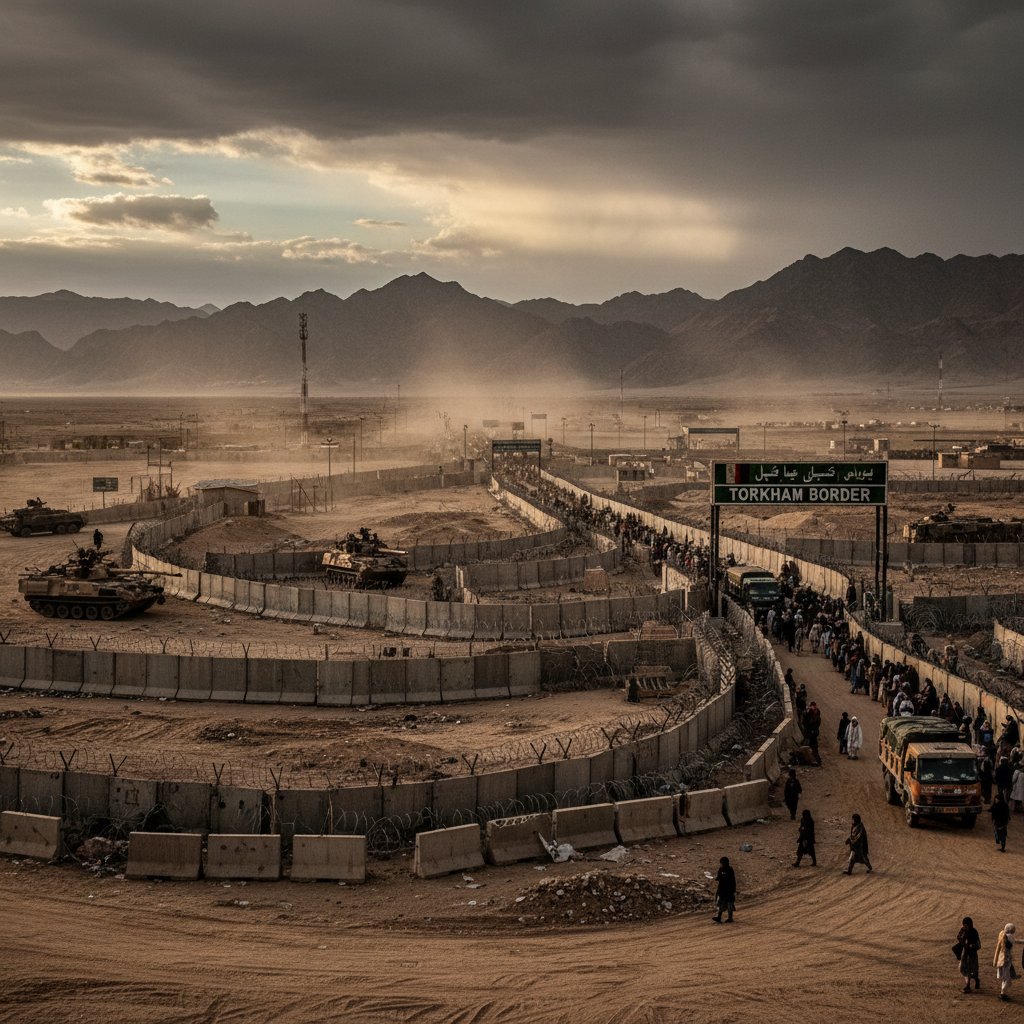
As of Monday morning, the situation remains fluid. There are unconfirmed reports of further troop movements along the Iran-Iraq border, and civilian air traffic across the Gulf remains grounded. The world now waits for a formal statement from the Oval Office to clarify the scope of the ongoing U.S. mission and the strategy for containing a conflict that threatens to engulf the entire region.
Understanding the Regional Security Architecture
The Persian Gulf is home to a complex web of military alliances and defense pacts. The U.S. maintains a significant footprint through the following key installations:
- Al Udeid Air Base (Qatar): The largest U.S. military base in the Middle East.
- Naval Support Activity Bahrain: Home to the U.S. 5th Fleet.
- Ali Al Salem Air Base (Kuwait): A critical hub for aerial logistics and transport.
- Al Dhafra Air Base (UAE): Often hosts advanced fighter aircraft and surveillance assets.
The targeting of these locations represents a direct challenge to the security guarantees the United States has provided to its Gulf partners for decades.