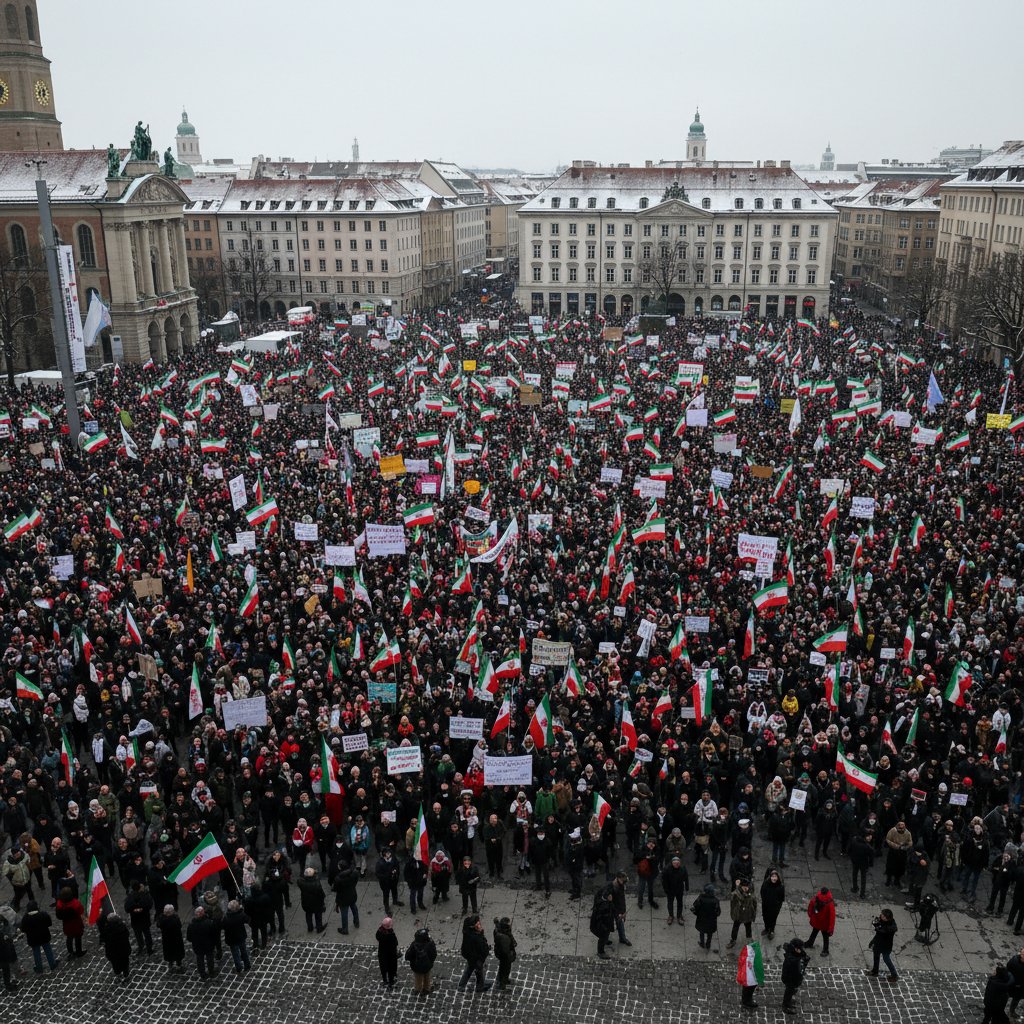
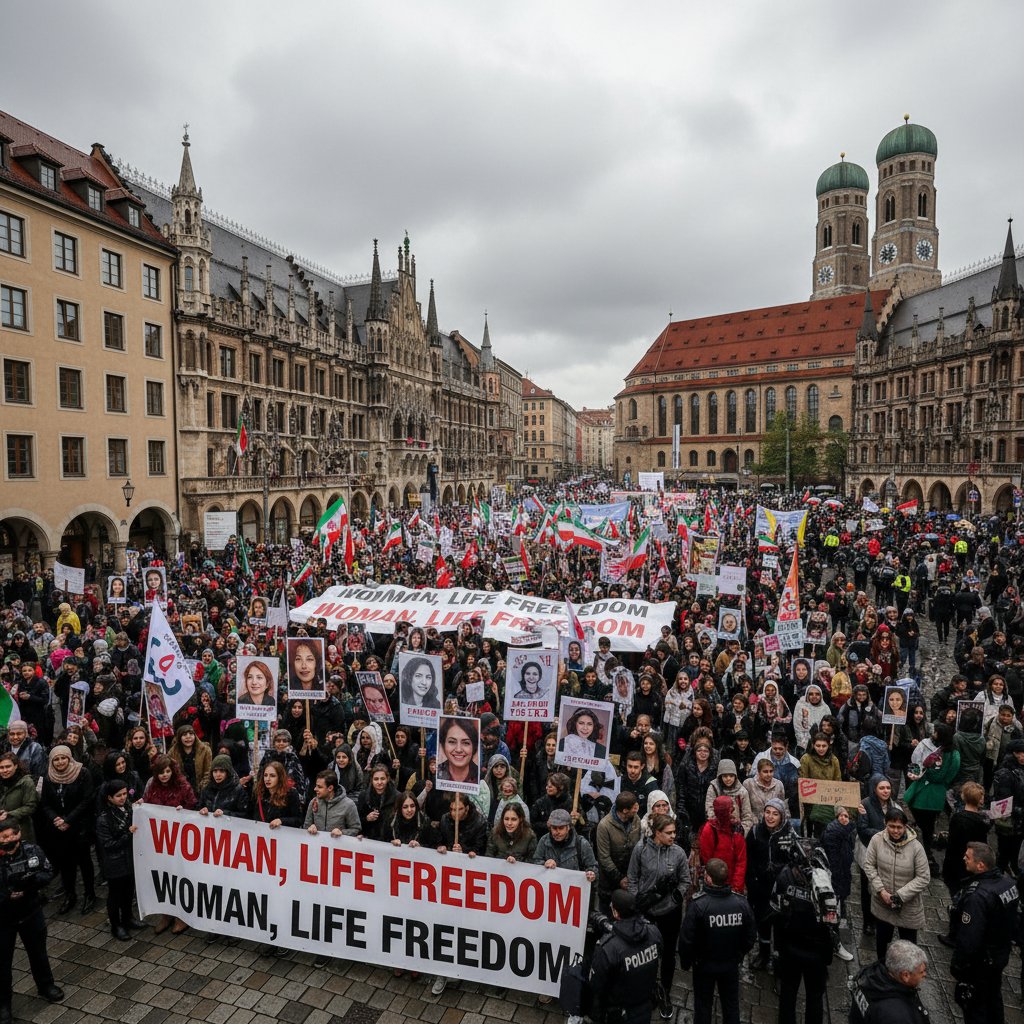
In one of the largest displays of political dissent ever seen on the sidelines of the Munich Security Conference, an estimated 200,000 protesters gathered on Saturday to demand a fundamental shift in Western policy toward the Islamic Republic of Iran. The demonstration, which paralyzed parts of the Bavarian capital, was galvanized by a rare appearance from the exiled Crown Prince Reza Pahlavi, who delivered a stinging critique of international "hesitation" in dealing with Tehran.
The protest coincided with the arrival of senior global leaders for the annual summit, a forum traditionally reserved for high-level defense and security dialogue. This year, however, the conversation on the floor of the conference was frequently interrupted by the chants of the massive crowd outside, signaling a growing disconnect between grassroots Iranian opposition and the cautious diplomatic maneuvers of Western chancelleries.
The 'Signal to Every Bully'
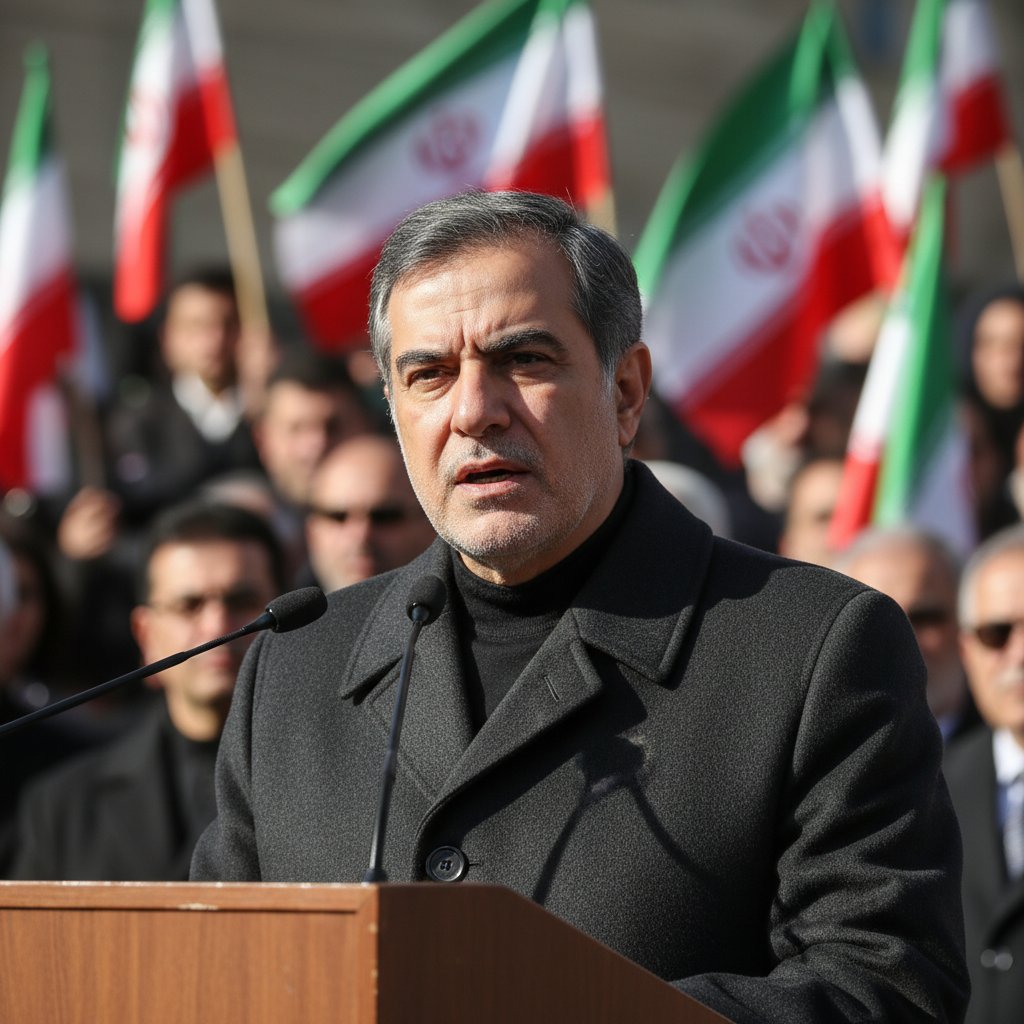
Addressing the sea of protesters—many waving the pre-revolutionary "Lion and Sun" flag—Reza Pahlavi argued that the continued survival of the current Iranian government is no longer merely a domestic human rights issue. He framed the regime's persistence as a dangerous precedent for global stability, suggesting that Tehran’s ability to withstand international sanctions and internal unrest provides a blueprint for other authoritarian states.
"The survival of this government sends a clear signal to every bully in the world," Pahlavi told the crowd. He argued that when the international community fails to support the Iranian people’s quest for a secular democracy, it effectively tells autocrats everywhere that they can suppress their own populations and threaten their neighbors with impunity. Pahlavi called for "cranked up" international pressure, including the designation of the Islamic Revolutionary Guard Corps (IRGC) as a terrorist organization across all EU member states.
A Geopolitical Crossroads
The timing of the Munich protest is significant. It comes at a moment when the "Woman, Life, Freedom" movement continues to simmer within Iran, despite a brutal crackdown by state security forces. While Western nations have increased individual sanctions, there remains a deep-seated reluctance among some European powers to completely sever diplomatic ties or abandon the hope of a renewed nuclear framework.
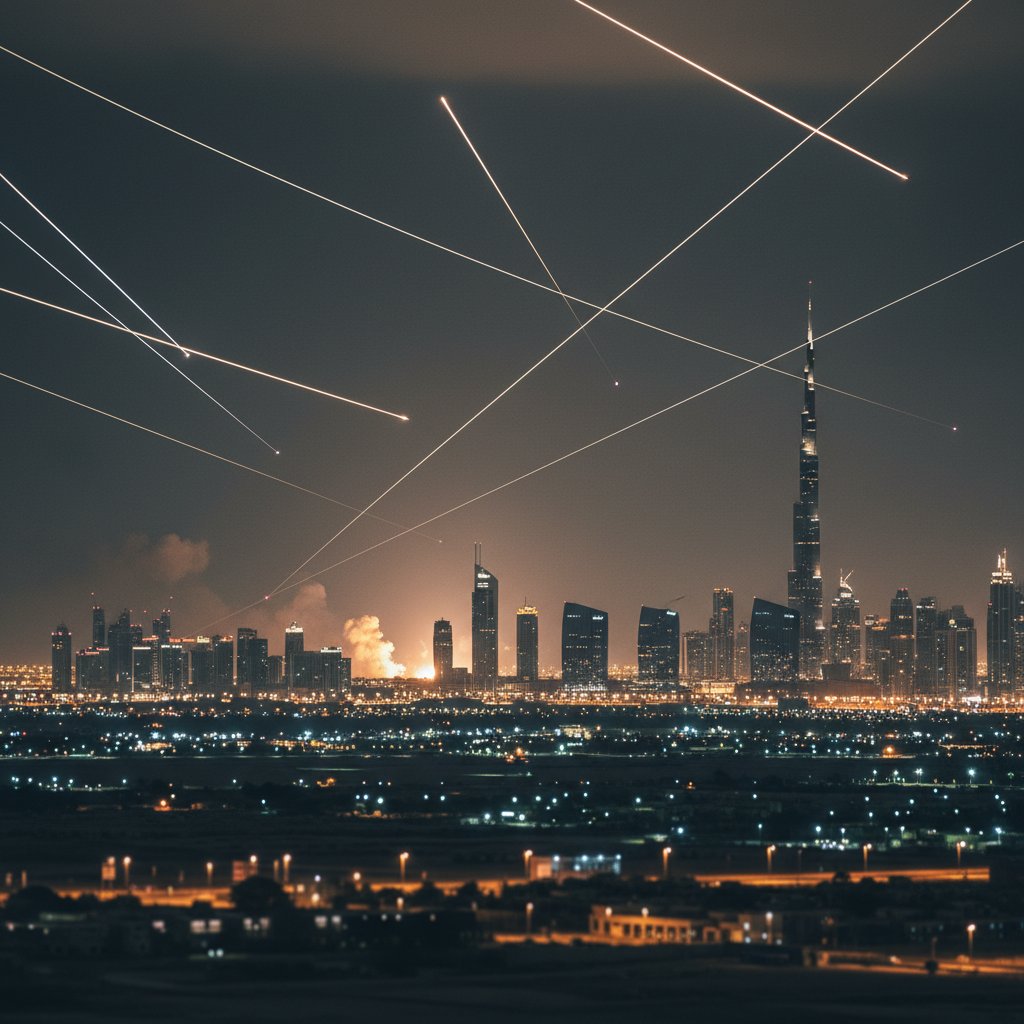
Critics of the current policy argue that Tehran has become a central node in a "new axis of instability," pointing to the regime's provision of loitering munitions to Russia for use in Ukraine and its continued support for regional proxies. The protesters in Munich highlighted these connections, carrying banners that linked the struggle for freedom in Iran to the defense of democracy in Europe.
The Role of the Diaspora
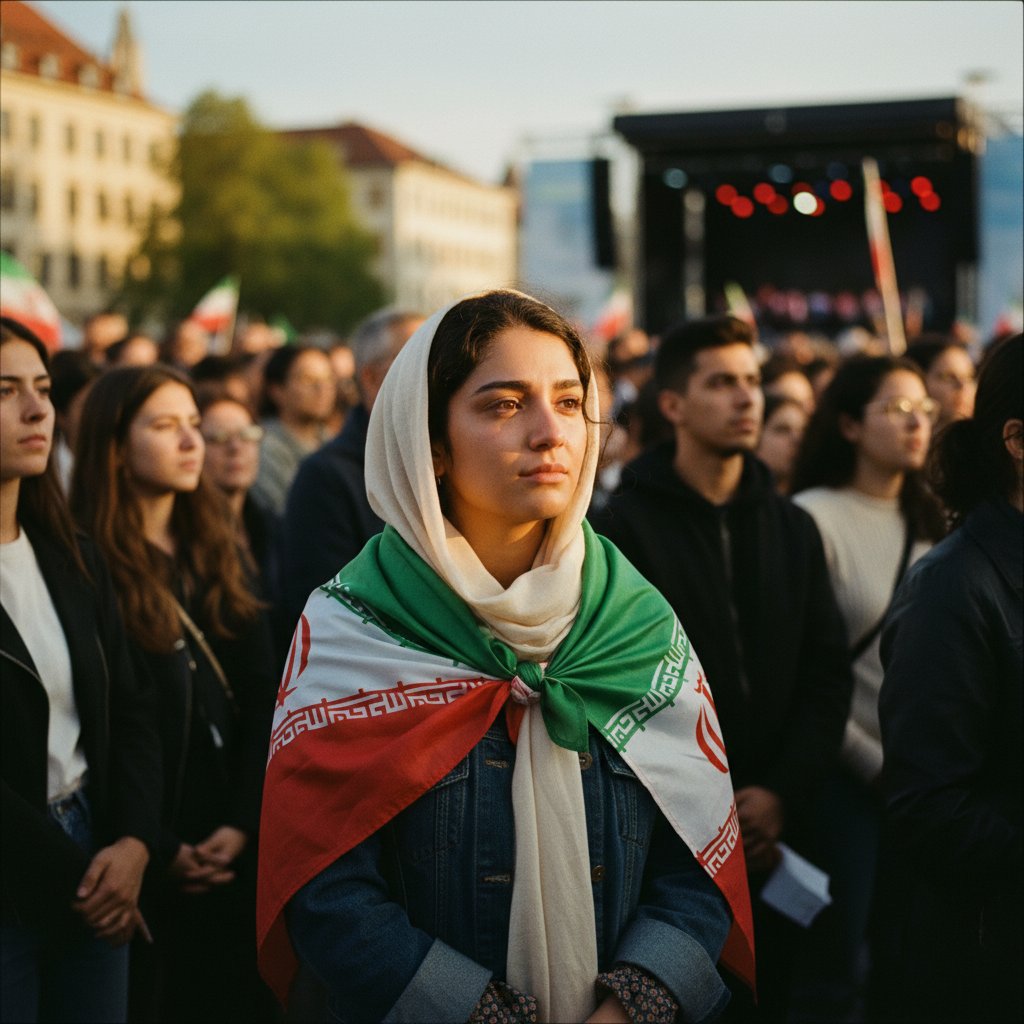
The sheer scale of the Munich demonstration underscores the increasing organization and unity of the Iranian diaspora. Historically fragmented, various opposition groups have recently made efforts to coordinate their messaging to Western governments. The presence of 200,000 people—verified by local police sources—suggests that the exile community has found a powerful, singular voice in calling for "regime change" rather than "reform."
For the German authorities, the scale of the event presented a significant logistical challenge. Police spokesperson Stefan Heibl noted that while the protest was largely peaceful, the volume of participants exceeded all initial projections, requiring reinforcements from surrounding regions to maintain security near the conference venue at the Hotel Bayerischer Hof.
Defining the Path Forward
What does the Iranian opposition want from the West? The demands articulated in Munich go beyond symbolic gestures. The "Munich Manifesto," as some activists have dubbed it, includes several key pillars for international action:
The first priority is the total diplomatic isolation of the current leadership, treating the government as illegitimate. The second involves providing technological and financial support to circumvent the "digital curtain" in Iran, allowing protesters on the ground to communicate and organize. Finally, there is a call for a legal framework to freeze the assets of high-ranking officials and redirect them to a fund to support striking workers within Iran.
Understanding the Stakes: A Brief Explainer
To understand why this protest matters now, one must look at the intersection of Iranian domestic policy and global security.
Why Munich? The Munich Security Conference is the world's leading forum for debating international security policy. By holding the protest here, the opposition ensures their message is heard directly by the defense ministers, intelligence chiefs, and heads of state who shape global strategy.
The Pahlavi Factor As the son of the last Shah, Reza Pahlavi remains a polarizing figure for some, yet his ability to draw hundreds of thousands of supporters in Europe suggests he is currently the most prominent figurehead for the "secular-democratic" transition the diaspora seeks.
The Global Impact If the Iranian government continues to export military technology and suppress internal dissent without facing total isolation, analysts warn that other middle powers may adopt similar "hybrid" strategies of repression and regional provocation.
As the Munich Security Conference draws to a close, the echoes of the Saturday protest remain. Whether world leaders will heed Pahlavi’s warning or continue the path of "containment" remains the defining question of Middle Eastern diplomacy in 2026.