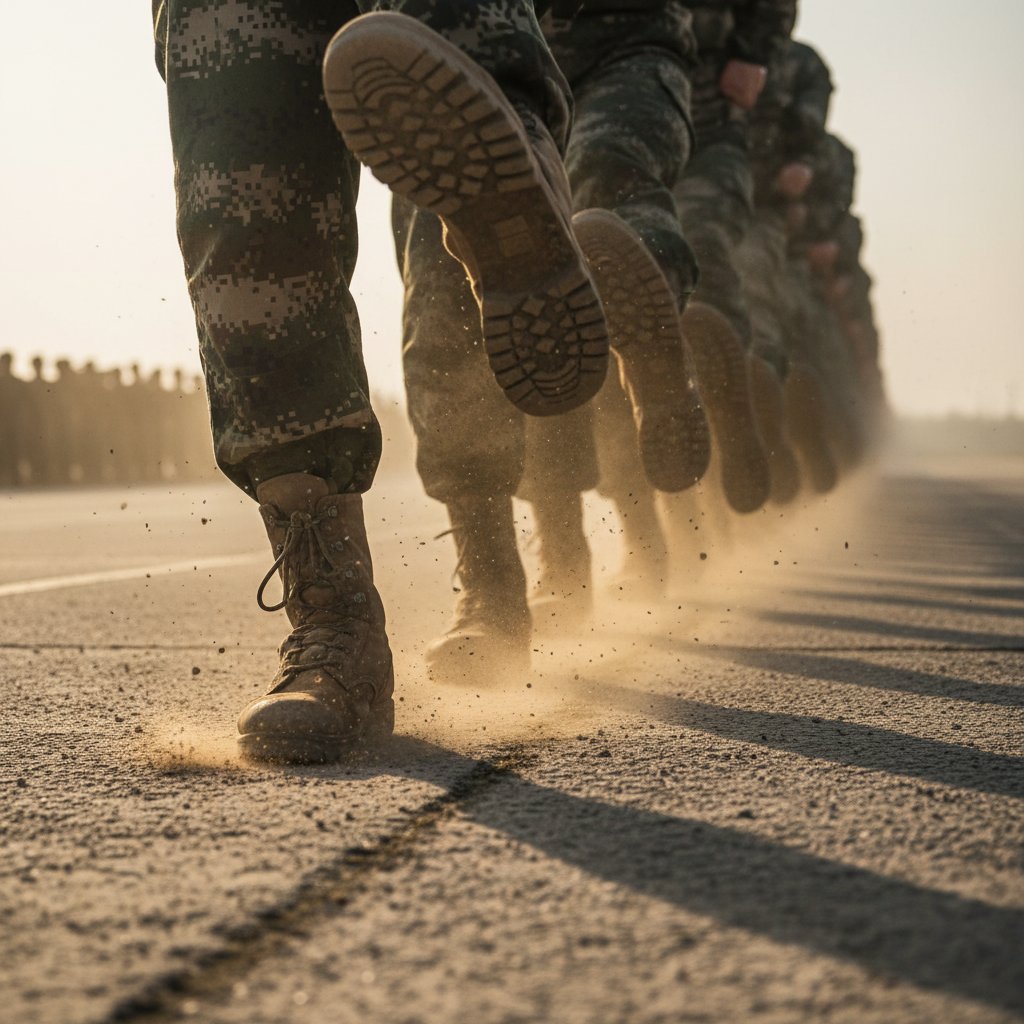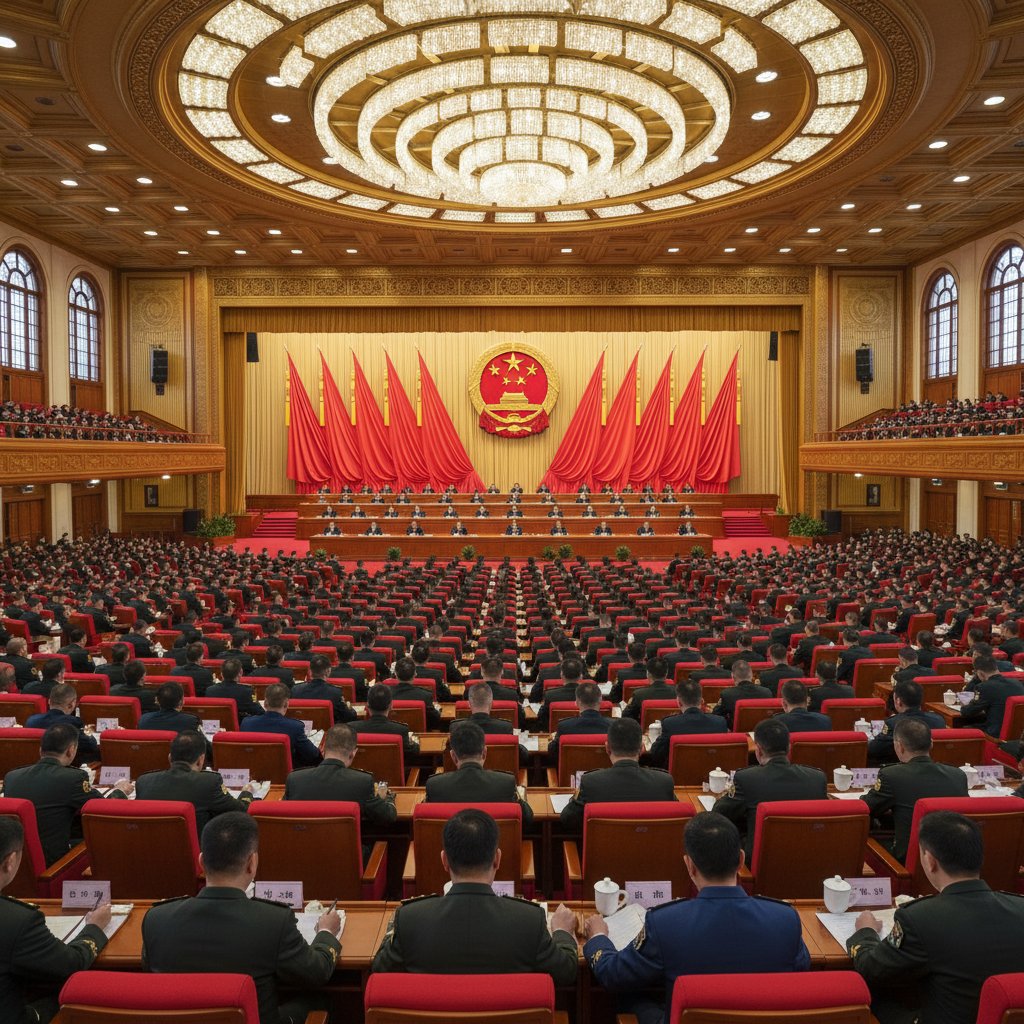
BEIJING — As 2026 opens with heightened geopolitical tensions across the Indo-Pacific, Chinese President Xi Jinping has accelerated an aggressive campaign to restructure the leadership of the People’s Liberation Army (PLA). This sweeping purge, which has seen the removal of top generals and procurement officials, marks one of the most significant internal upheavals in the Chinese military since the founding of the People’s Republic.
The latest wave of dismissals, detailed in recent reports from the Financial Times and regional intelligence analysts, highlights a persistent friction between the Chinese Communist Party (CCP) and its military wing. While Beijing frames these moves as a crackdown on deep-seated corruption, international observers suggest the purge is equally focused on ensuring absolute political loyalty as China prepares for what it terms "complex security challenges."
The Scope of the Reshuffle
The focus of the current purge has centered heavily on the PLA Rocket Force—the branch responsible for China’s conventional and nuclear missiles—and the Equipment Development Department. Over the past several months, senior commanders have been quietly removed from their posts or disappeared from public view, only to be replaced by loyalists from outside these specialized branches.
Analysts point to two primary drivers for these actions. First, widespread corruption in the military procurement process has reportedly compromised the quality of hardware and infrastructure. Investigations have allegedly uncovered discrepancies in the manufacturing and storage of strategic assets. Second, there appears to be a systemic effort to weed out any "passive resistance" to Xi’s rapid modernization directives.
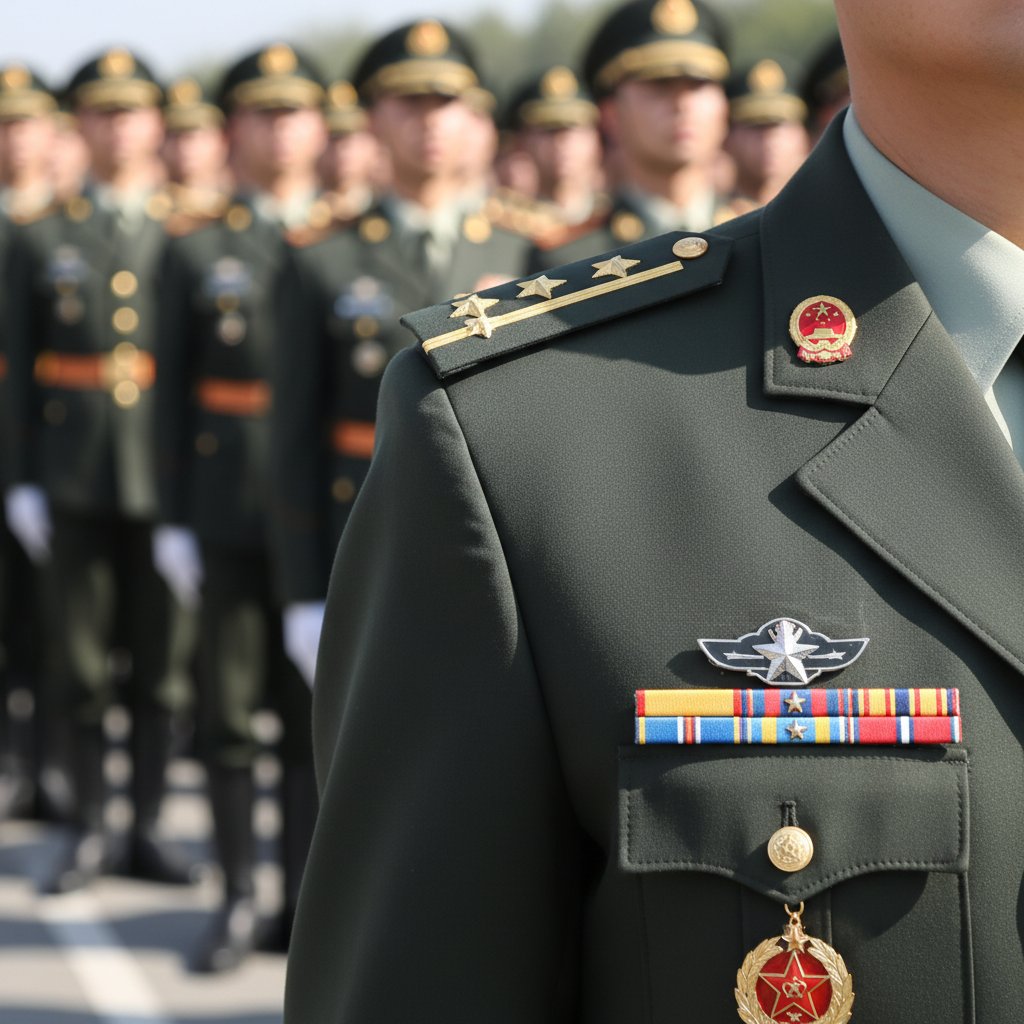
Historical Context: The Party and the Gun
The relationship between the CCP and the PLA has always been defined by Mao Zedong’s famous dictum: "The Party commands the gun, and the gun must never be allowed to command the Party." Unlike most national militaries, the PLA serves as the armed wing of the Communist Party rather than the state itself.
However, this bond has often been strained by the military's desire for professional autonomy and the Party's demand for ideological purity. Historical precedents, such as the purge of Lin Biao in the 1970s and the anti-corruption drives of 2012, show that whenever the military gains significant independent influence, the central leadership initiates a forceful re-alignment.
Geopolitical Implications and Combat Readiness
The timing of this purge has raised questions among defense departments in Washington, Tokyo, and Canberra. A military in the midst of a leadership crisis is often viewed as less capable of executing complex operations, such as a blockade or an amphibious assault on Taiwan.
However, some experts argue that the purge might actually enhance China's long-term combat readiness. By removing "corrupt or incompetent" officials, Xi may be attempting to create a more streamlined and lethal fighting force. The risk for Beijing is that these aggressive tactics could lead to a climate of fear, stifling the initiative of field commanders who are afraid to make decisions that might later be viewed as politically incorrect.
Recent Leadership Changes in the PLA
| Department | Change Status | Focus Area | | :--- | :--- | :--- | | Rocket Force | High Turnover | Nuclear Deterrence & Missile Tech | | Equipment Development | Active Investigation | Procurement & Supply Chain | | Strategic Support Force | Restructured | Cyber & Electronic Warfare |
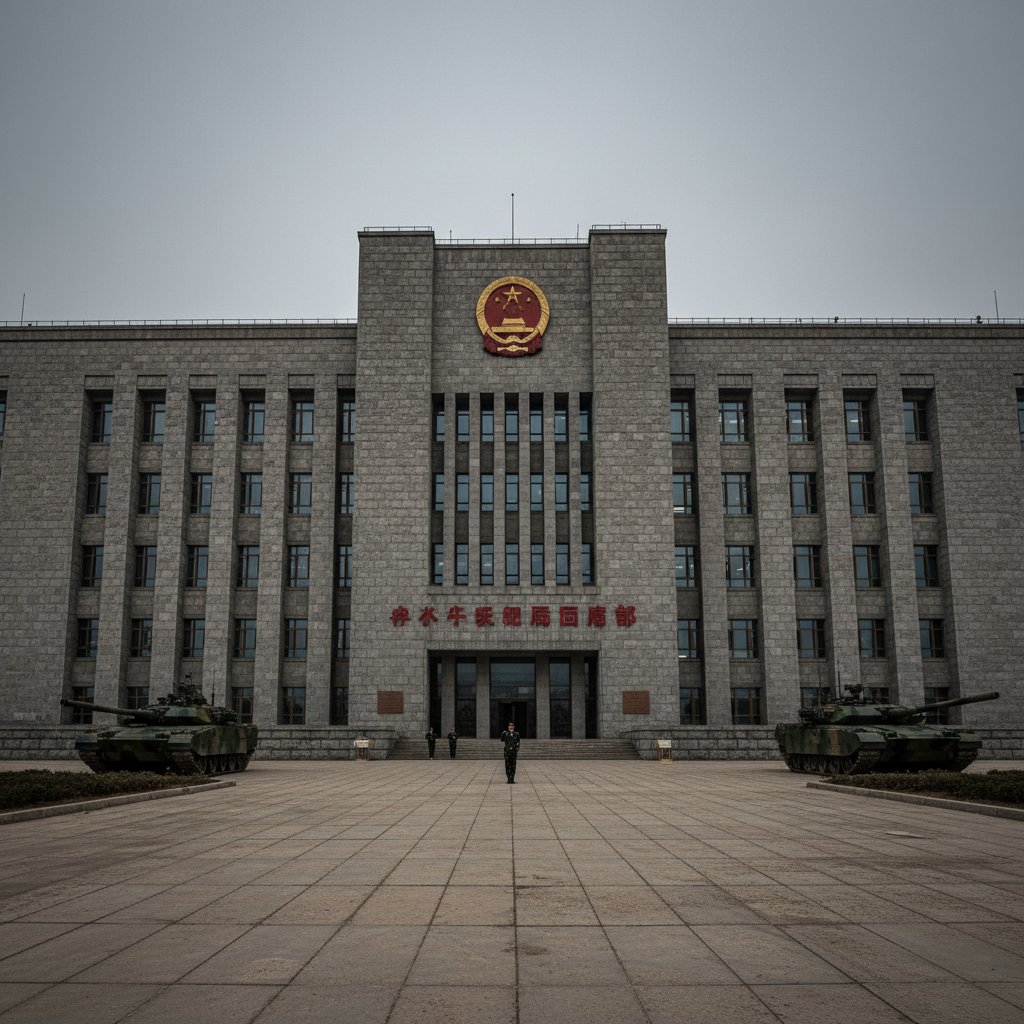
The Road Ahead for 2026
As China continues to navigate an economic slowdown and a demographic shift, the stability of the PLA remains the cornerstone of Xi Jinping's "Great Rejuvenation" project. The purge is not merely about removing bad actors; it is a signal to the entire apparatus that the path to promotion lies through ideological alignment with the Central Military Commission.
For the international community, the meaning of this purge is clear: Xi Jinping is willing to tolerate short-term internal instability to ensure that, in the event of a conflict, his commanders will follow orders without hesitation. Whether this results in a more disciplined force or a hollowed-out command structure remains the critical question for global security in the coming years.