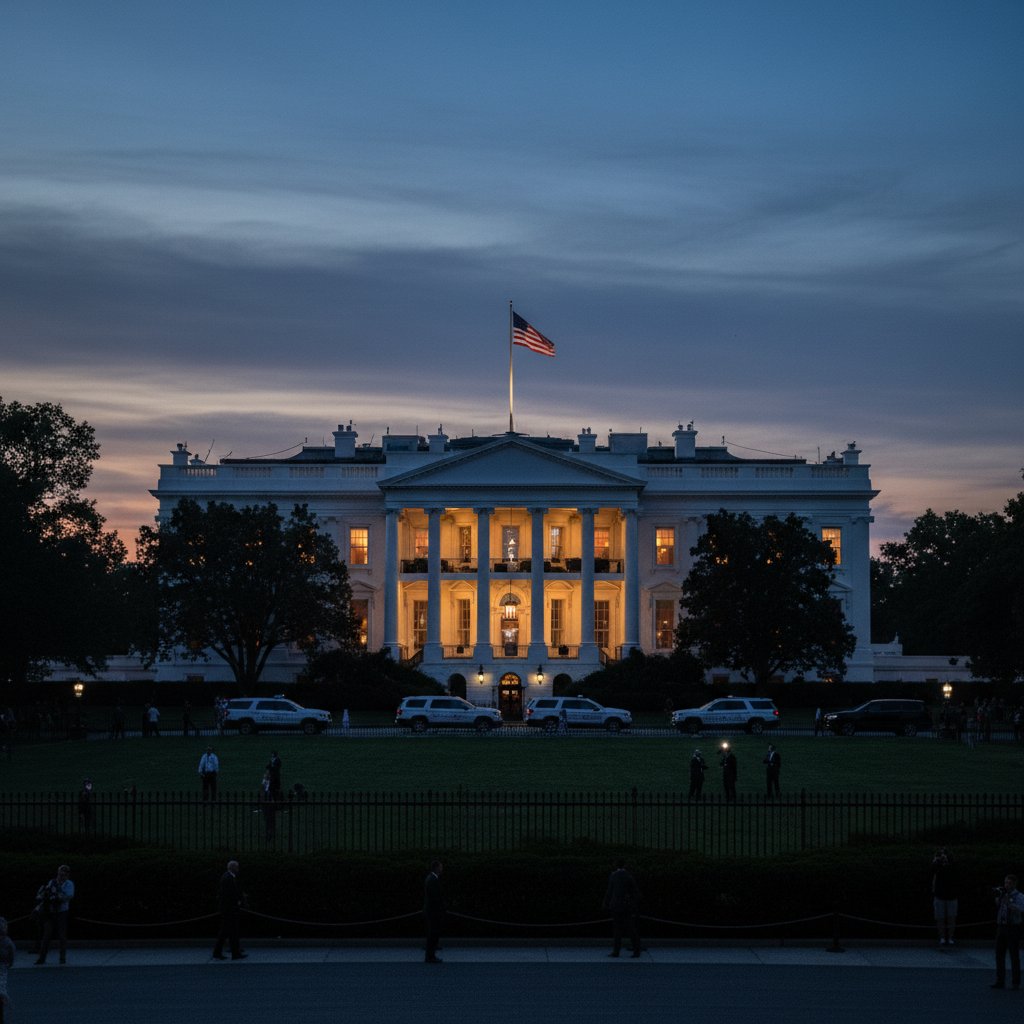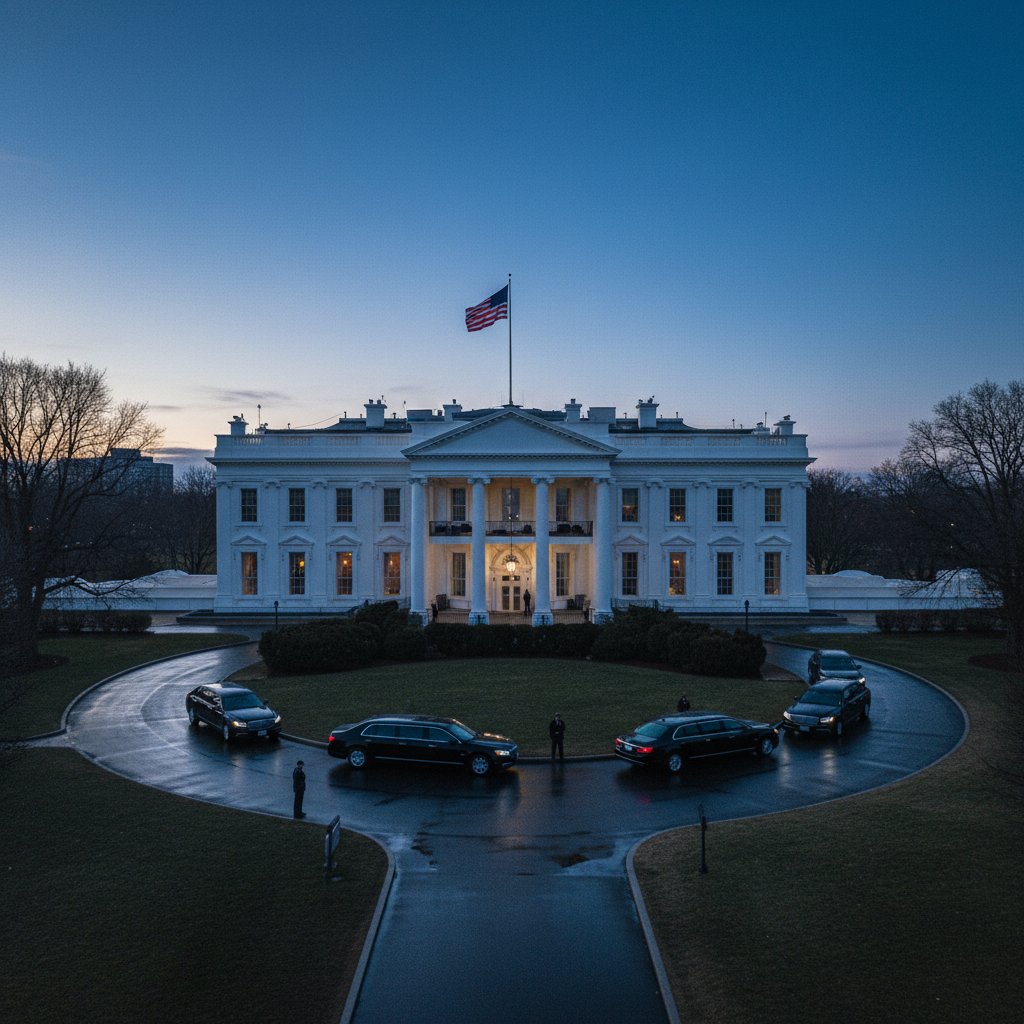
In a period of heightening geopolitical friction, several of Washington’s closest Middle Eastern allies have privately urged the Trump administration to refrain from launching military strikes against Iran. The diplomatic pressure comes in response to reports that the White House is considering kinetic options following the Iranian government’s recent deadly crackdown on domestic protesters.
According to an Arab diplomat familiar with the ongoing discussions, several regional capitals have signaled that a direct military escalation could have "uncontrollable consequences" for the stability of energy markets and regional security. The warnings highlight a growing rift between the administration’s "Maximum Pressure 2.0" strategy and the risk-aversion of partners who would be on the front lines of any retaliatory action.
Regional Partners Call for Caution
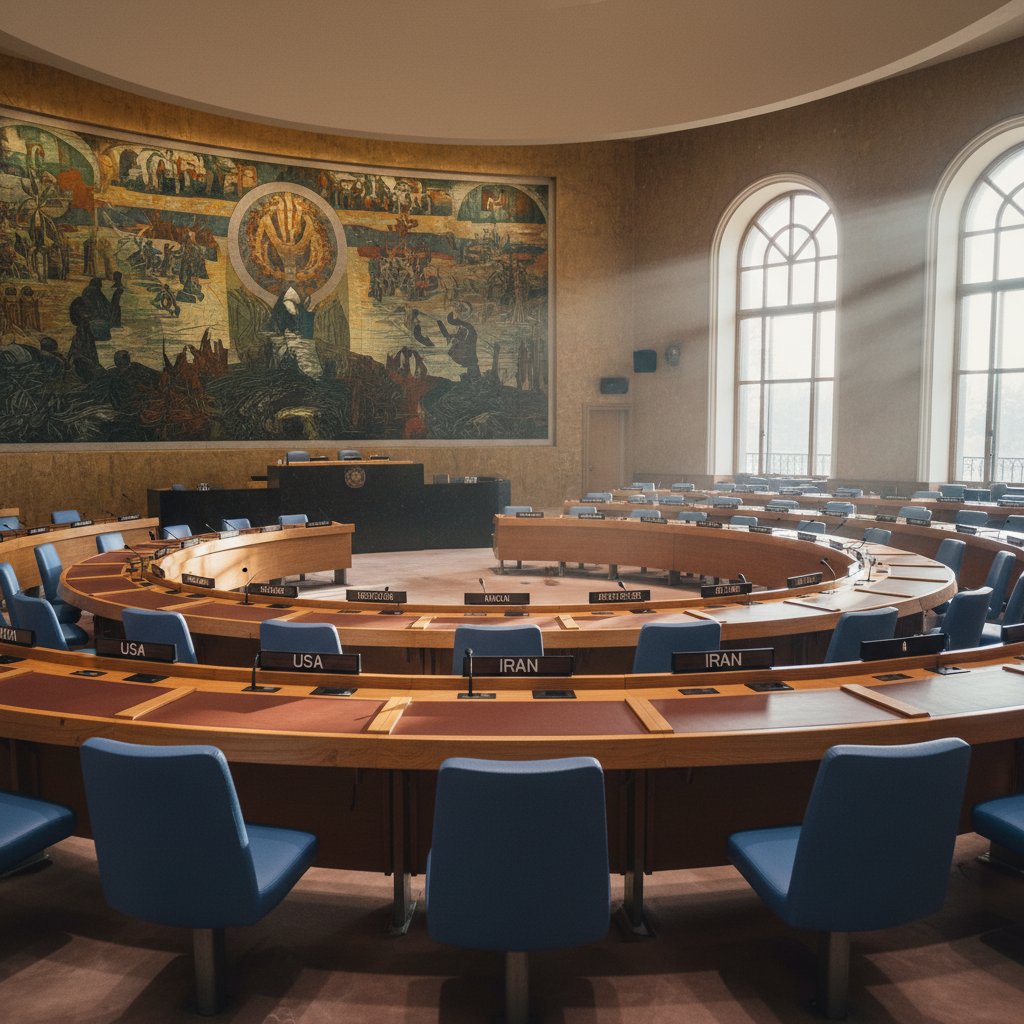
The diplomatic push for restraint is led by a coalition of Gulf nations and neighboring states that traditionally rely on the U.S. security umbrella. While these nations remain deeply concerned about Iran’s regional influence and its nuclear program, the prospect of a full-scale military conflict in the Persian Gulf remains a primary fear.
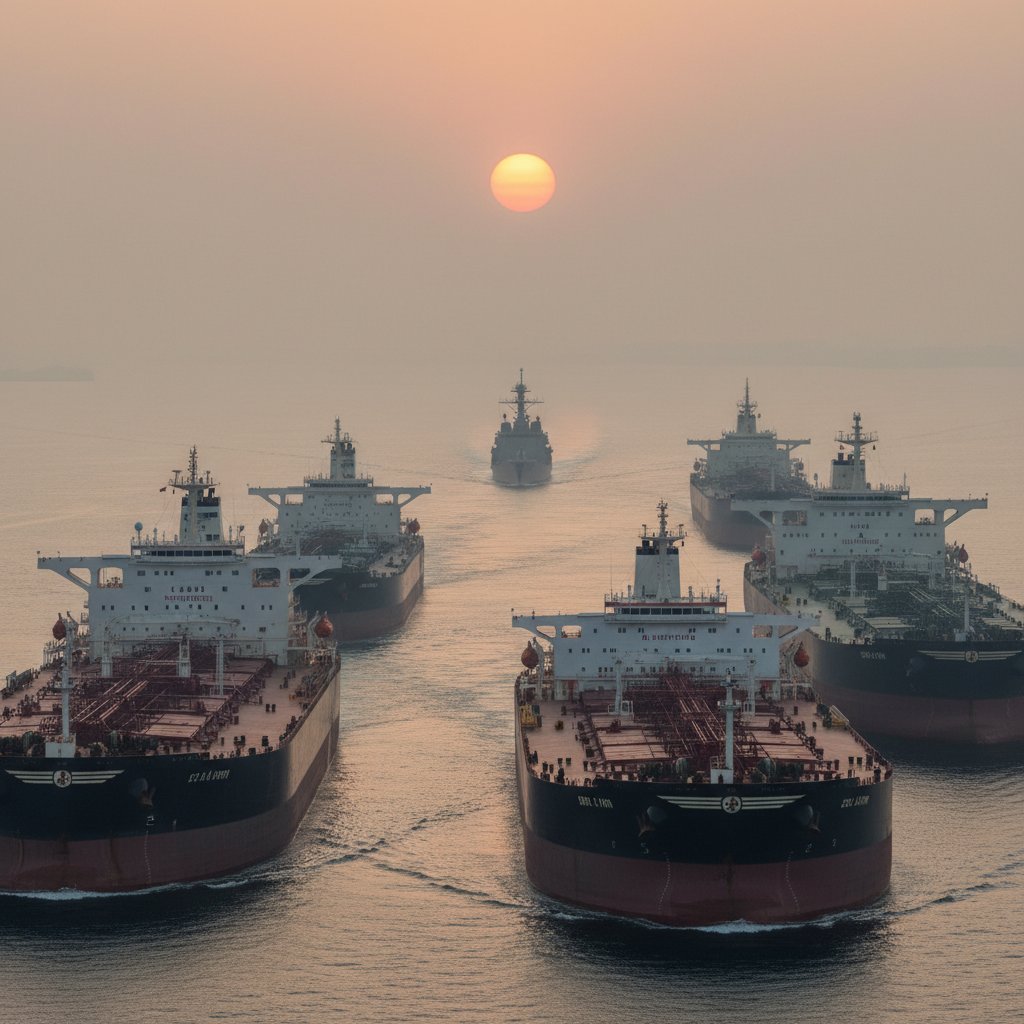
The diplomat, speaking on the condition of anonymity to discuss sensitive security matters, noted that countries like the United Arab Emirates and Qatar have been particularly vocal. Their concerns center on the vulnerability of desalination plants, oil refineries, and shipping lanes in the Strait of Hormuz, which remain susceptible to Iranian asymmetric warfare and drone strikes.
"The message being sent to Washington is clear," the diplomat stated. "While the crackdown on protesters in Iran is abhorrent, a military response from the outside may consolidate the regime’s power under a banner of national defense rather than weakening it."
The Crackdown and the Response
The current tension was ignited by a series of protests across major Iranian cities, which were met with a severe and lethal response by the Islamic Revolutionary Guard Corps (IRGC). International human rights organizations have reported hundreds of casualties, leading to a bipartisan outcry in Washington for the Trump administration to "hold Tehran accountable."
President Trump, nearly a year into his second term, has signaled a willingness to use force to support the "aspirations of the Iranian people." However, this stance is being weighed against the strategic reality of the Middle East. The administration has already implemented a series of new, stringent sanctions, but the White House has not yet ruled out targeted strikes on Iranian internal security infrastructure.

Domestic Politics and Economic Context
The debate over Iran is taking place against a backdrop of shifting domestic sentiment. A recent AP-NORC survey indicates that President Trump’s work on the economy has not met the expectations of many within his own party. With inflation remaining a persistent concern for American voters in early 2026, a conflict that spikes global oil prices could be politically disastrous.
Military analysts suggest that the administration is caught between a desire to project strength and the need to maintain domestic economic stability. The following table outlines the key factors currently influencing the White House's decision-making process:
| Factor | Pro-Strike Argument | Restraint Argument |
|---|---|---|
| Regional Stability | Deterrence against future IRGC aggression. | Risk of a multi-front regional war. |
| Global Economy | Asserting control over energy corridors. | Immediate spike in Brent Crude prices. |
| Human Rights | Punishing the regime for killing protesters. | Potential for high civilian "collateral damage." |
Risk of Escalation
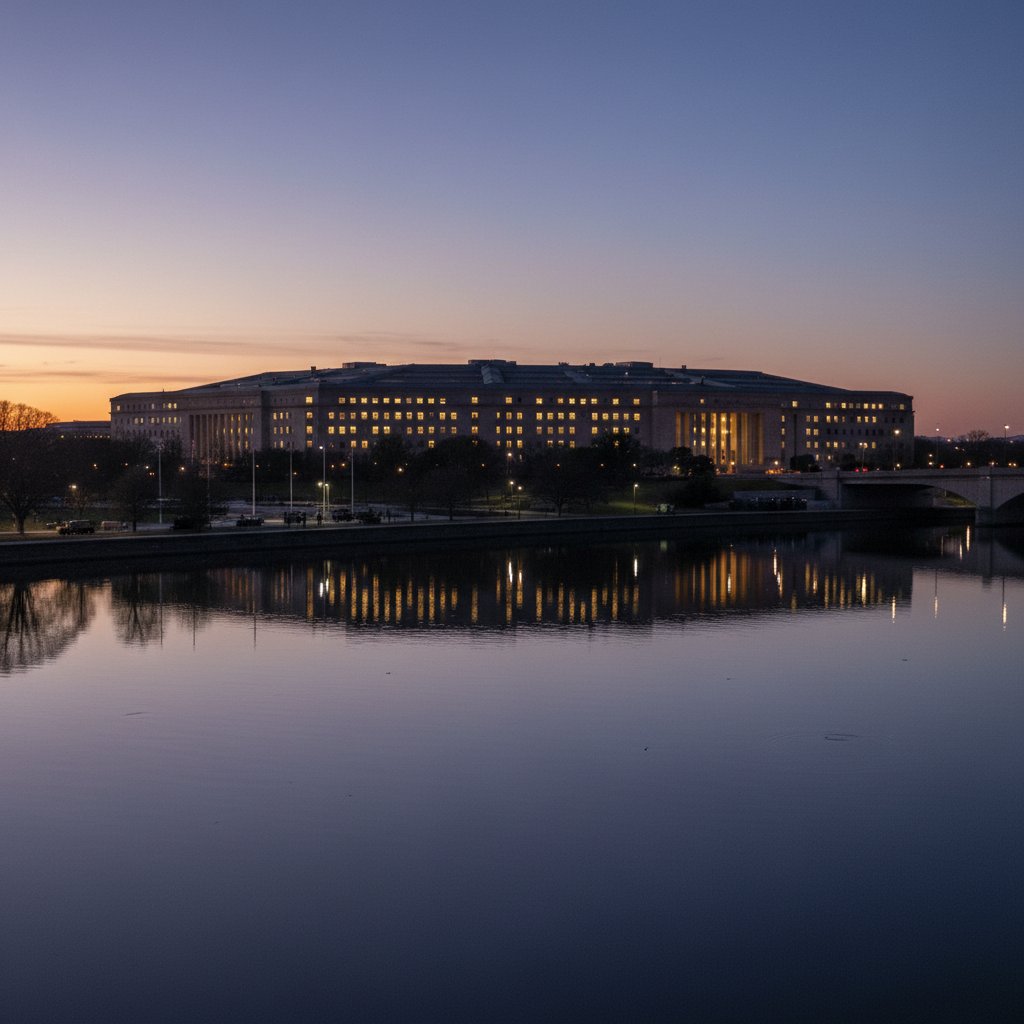
The Pentagon has reportedly presented several "limited" strike options to the Oval Office, ranging from cyberattacks on Iranian command-and-control centers to missile strikes on IRGC bases. However, critics argue that there is no such thing as a "limited" strike when dealing with Tehran.
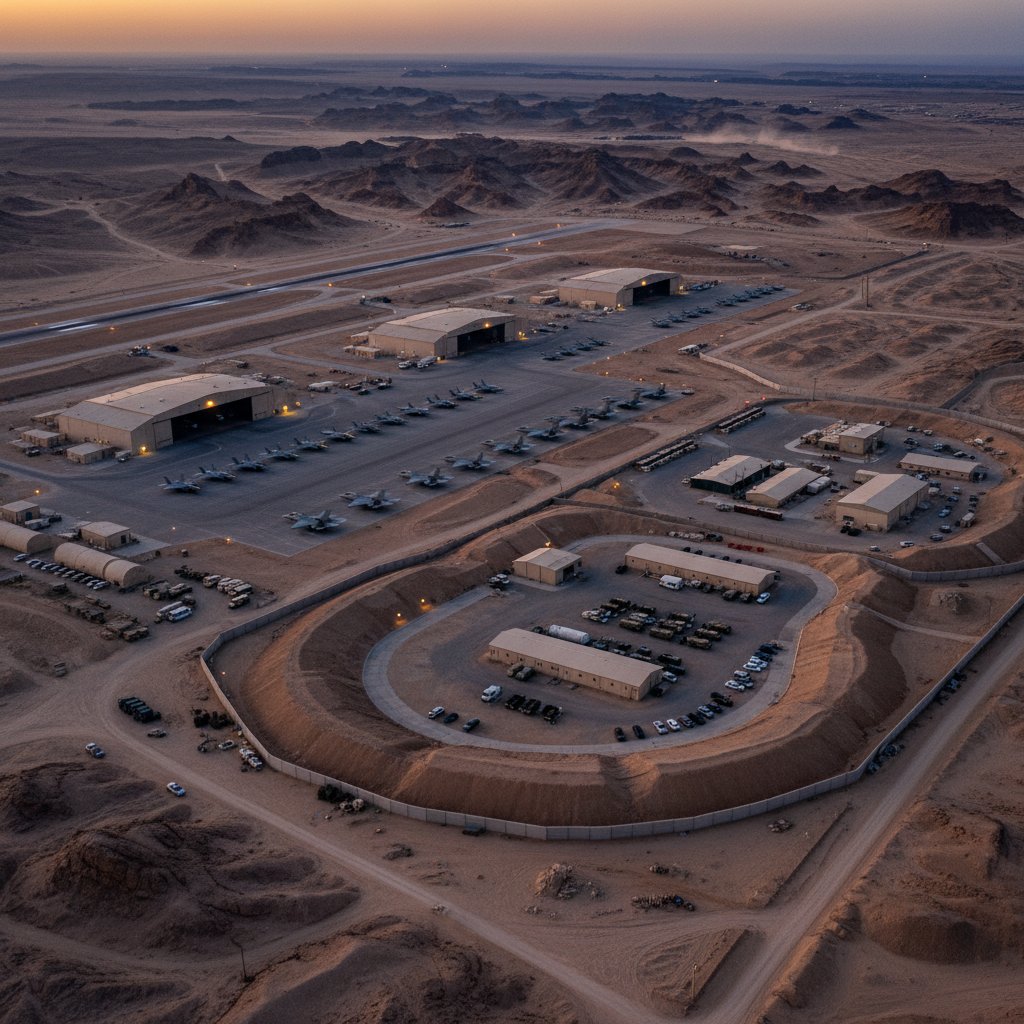
"The Iranians have spent decades preparing for exactly this scenario," says Dr. Elena Vance, a senior fellow at the Institute for Middle East Policy. "They have a sophisticated network of proxies in Iraq, Lebanon, and Yemen. If the U.S. hits the mainland, the response will likely not come from Iran itself, but from the entire 'Axis of Resistance,' targeting U.S. bases and allied infrastructure across the map."
A Delicate Balancing Act
As of January 18, the White House has not issued a formal statement regarding the specific requests for restraint from its allies. Press Secretary officials have maintained that "all options remain on the table" to ensure that the Iranian government is held responsible for its actions against its own citizens.
The coming days will be critical for regional diplomacy. With a high-level security summit scheduled in Riyadh next week, the Trump administration will have to navigate the fine line between satisfying a domestic base that demands a "tough on Iran" stance and maintaining the trust of the very allies required to keep the region stable.
For now, the Middle East remains on a knife-edge, watching Washington’s next move with a mixture of hope for Iranian reform and dread of a wider conflagration.