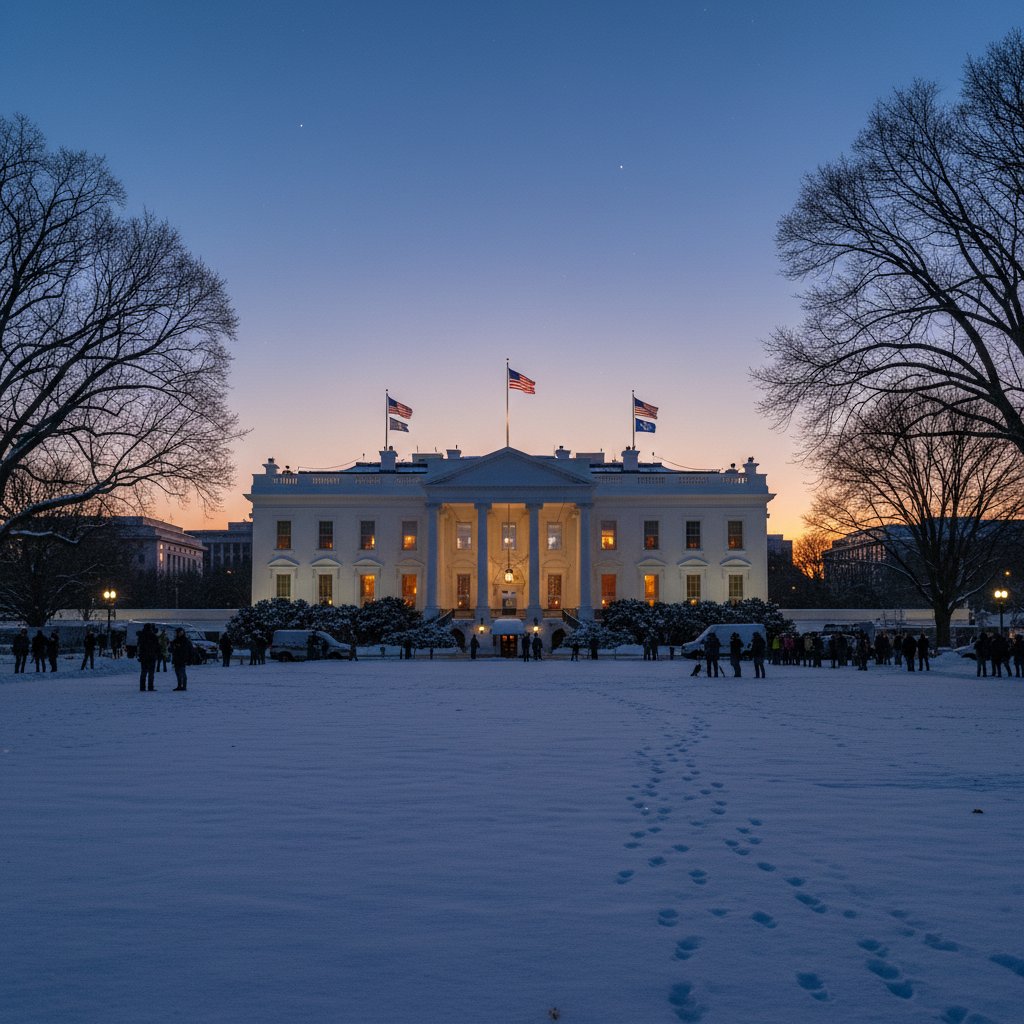
President Donald Trump has escalated his campaign to bring Greenland under United States control, asserting there is "no going back" on his administration's pursuit of the Arctic territory. The declaration, made through a series of official statements and social media communications over the last 48 hours, has sent shockwaves through European capitals and placed the NATO alliance under its most significant strain in decades.
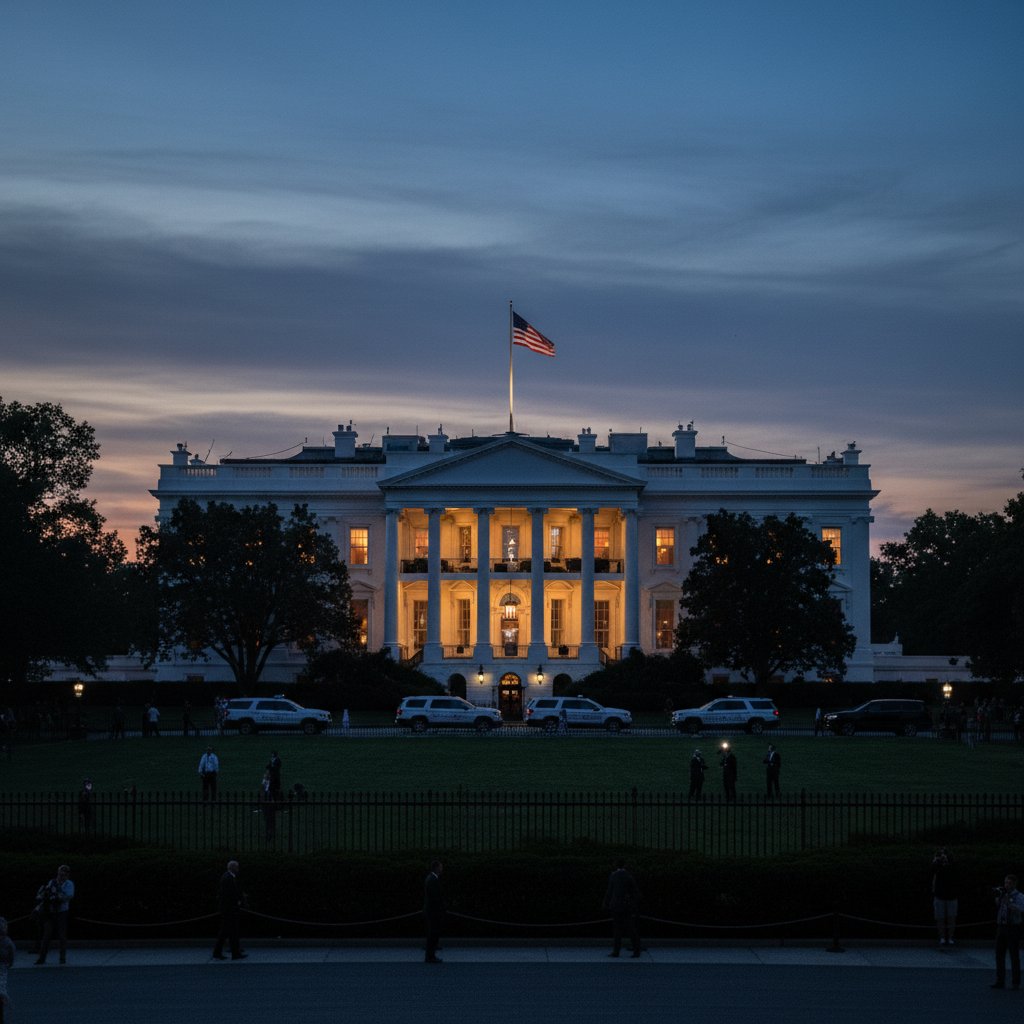
The White House insists that the acquisition of the world’s largest island is a matter of "supreme national security" and economic necessity. However, the government of Denmark, which maintains sovereignty over Greenland, has repeatedly dismissed the proposal as absurd. The burgeoning conflict now threatens to spill over into a broader trade war with the European Union, as Washington suggests that cooperation on defense and commerce may be contingent on progress regarding the Greenland "transfer."
A Strategic Mandate for the Arctic
The administration’s renewed focus on Greenland is driven by the rapidly changing geostrategic landscape of the Arctic. As polar ice continues to recede, new shipping lanes and vast deposits of untapped natural resources—including rare earth minerals, oil, and gas—have become accessible. U.S. officials argue that if the United States does not secure a permanent foothold in the region, China and Russia will inevitably fill the vacuum.
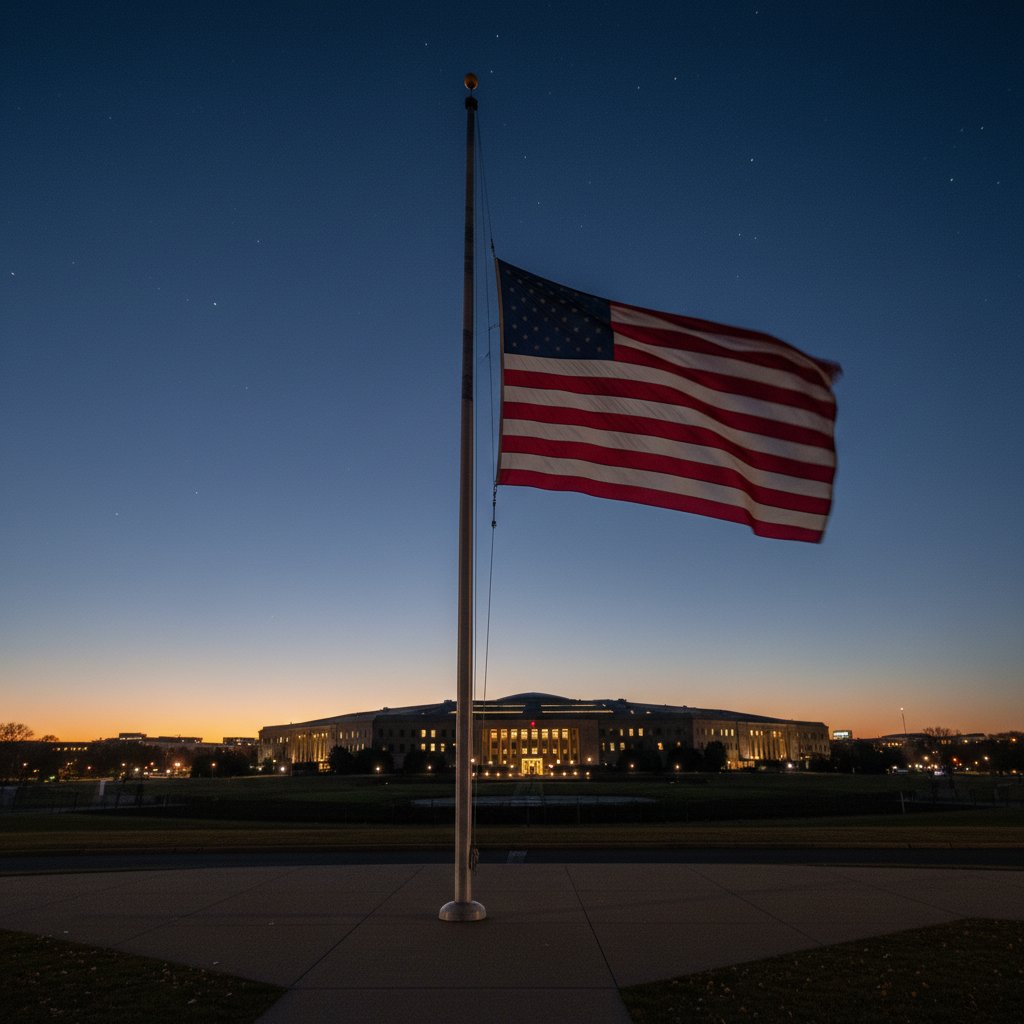
Pentagon analysts have pointed to the strategic importance of Pituffik Space Base, formerly known as Thule Air Base, as the linchpin of American northern defenses. By seeking full sovereignty over the island, the Trump administration aims to expand its military infrastructure without the constraints of current bilateral agreements with Copenhagen. This "America First" approach to the Arctic is viewed by the White House as a necessary evolution of the Monroe Doctrine.

Diplomatic Deadlock and European Resistance
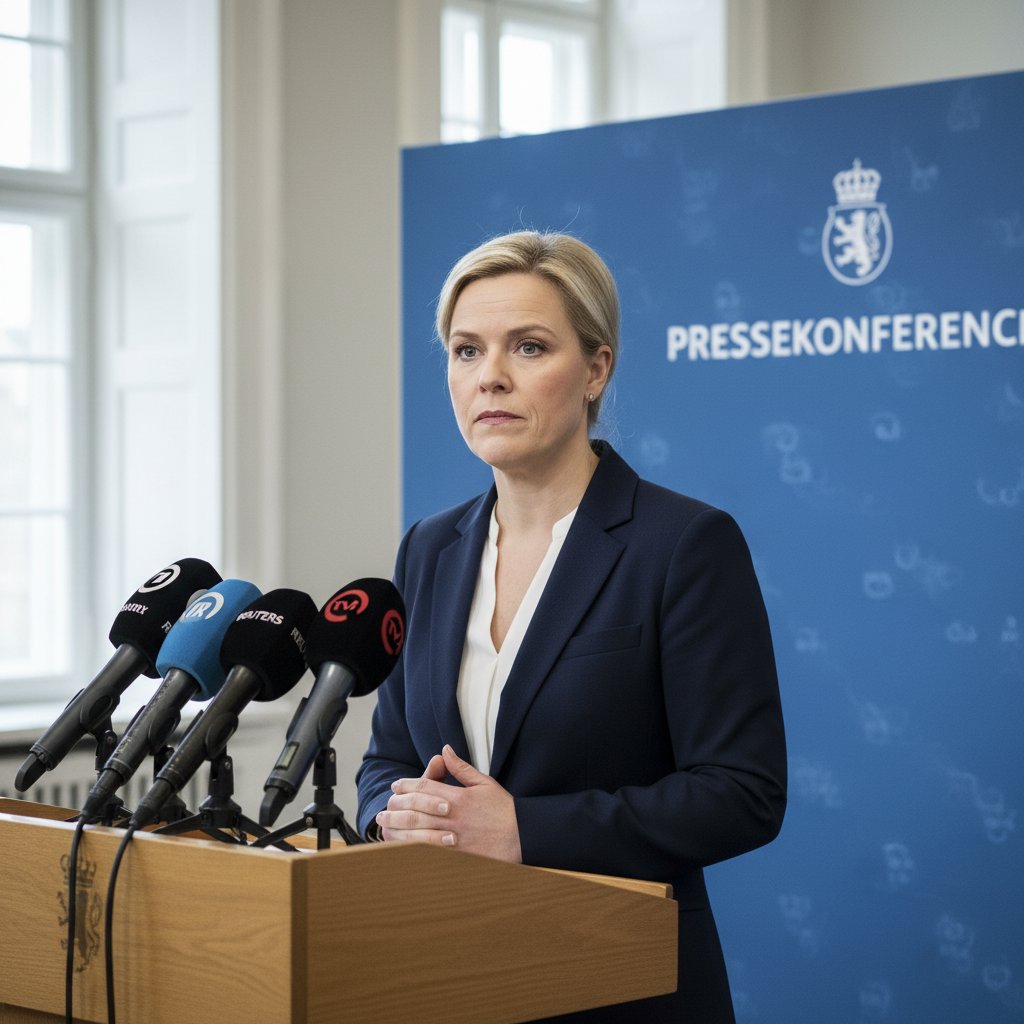
In Copenhagen, the reaction has been one of unified defiance. Prime Minister Mette Frederiksen, speaking from the Folketing, reiterated that Greenland is not for sale and that the island’s 57,000 residents are the only ones who can decide their future. The Danish government has characterized the American pressure as an "unprecedented violation" of diplomatic norms between close allies.
The European Union has signaled its full support for Denmark. In a joint statement issued from Brussels, EU leaders warned that any attempt to use economic coercion to force a territorial change would be met with "proportional and decisive" retaliatory tariffs. This development has raised the specter of a multi-front trade war that could disrupt global markets already reeling from fluctuating energy prices.
Implications for the NATO Alliance
The Greenland dispute is now casting a long shadow over the future of NATO. President Trump has suggested that the U.S. commitment to Article 5—the principle of collective defense—could be re-evaluated if European allies continue to "obstruct" American strategic interests. This rhetoric has caused deep unease in the Baltic states and Poland, which rely heavily on the U.S. security umbrella.
Foreign policy experts warn that the Greenland issue is no longer a mere eccentricity of the administration but a core pillar of U.S. foreign policy. The insistence that there is "no going back" suggests that Washington may be prepared to bypass traditional diplomatic channels entirely, potentially seeking a direct deal with Greenlandic local authorities or utilizing aggressive economic incentives.
The Greenlandic Perspective
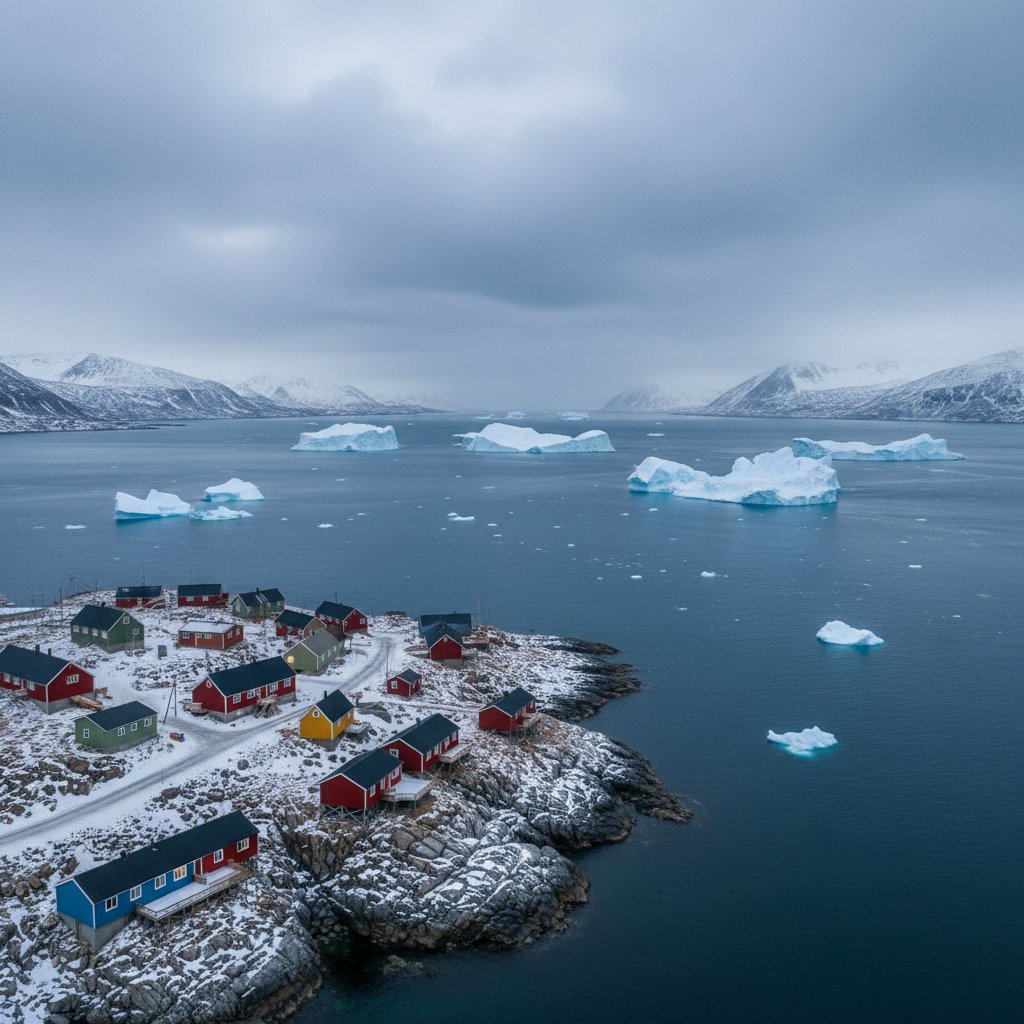
Within Greenland, the population remains divided on the prospect of increased U.S. involvement, though the consensus remains firmly against a total "takeover." While some local politicians see the potential for massive infrastructure investment and an accelerated path to full independence from Denmark, others fear the loss of their cultural identity and the environmental degradation that could follow large-scale American mining operations.
The Greenlandic government in Nuuk has called for a calm dialogue but remains steadfast in its right to self-determination. "We are open for business, but we are not for sale," a spokesperson for the Greenlandic Premier stated. The tension between Nuuk, Copenhagen, and Washington continues to escalate as the U.S. State Department prepares to send a high-level delegation to the region for "exploratory talks" later this month.
Conclusion: A World in Waiting
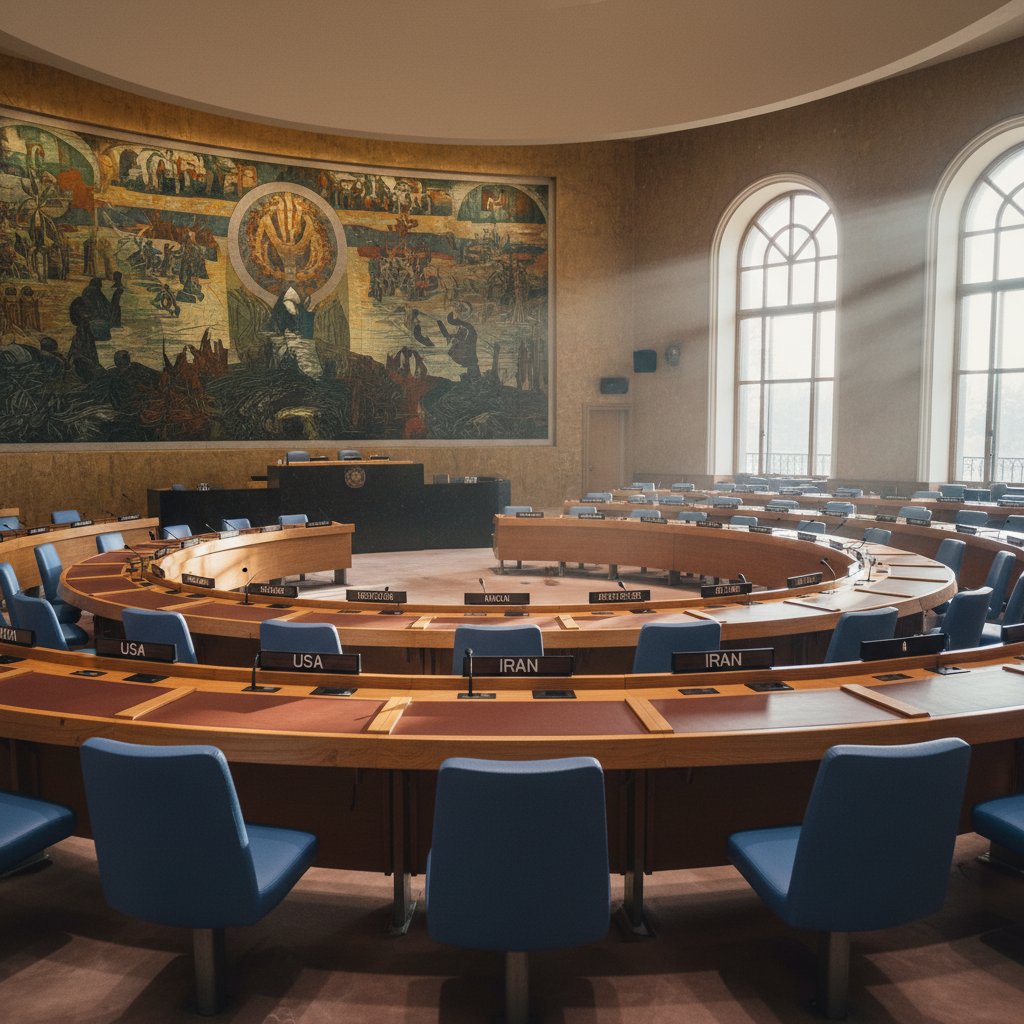
As the Jan. 20 blitz of messages transitions into formal policy, the international community is left to navigate a world where traditional borders and long-standing alliances are being questioned. The coming weeks will be critical as the UN Security Council prepares to discuss the matter, and NATO defense ministers convene for an emergency summit. For now, the "no going back" stance from the White House indicates that the Arctic is set to become the primary theater of 21st-century geopolitical competition.