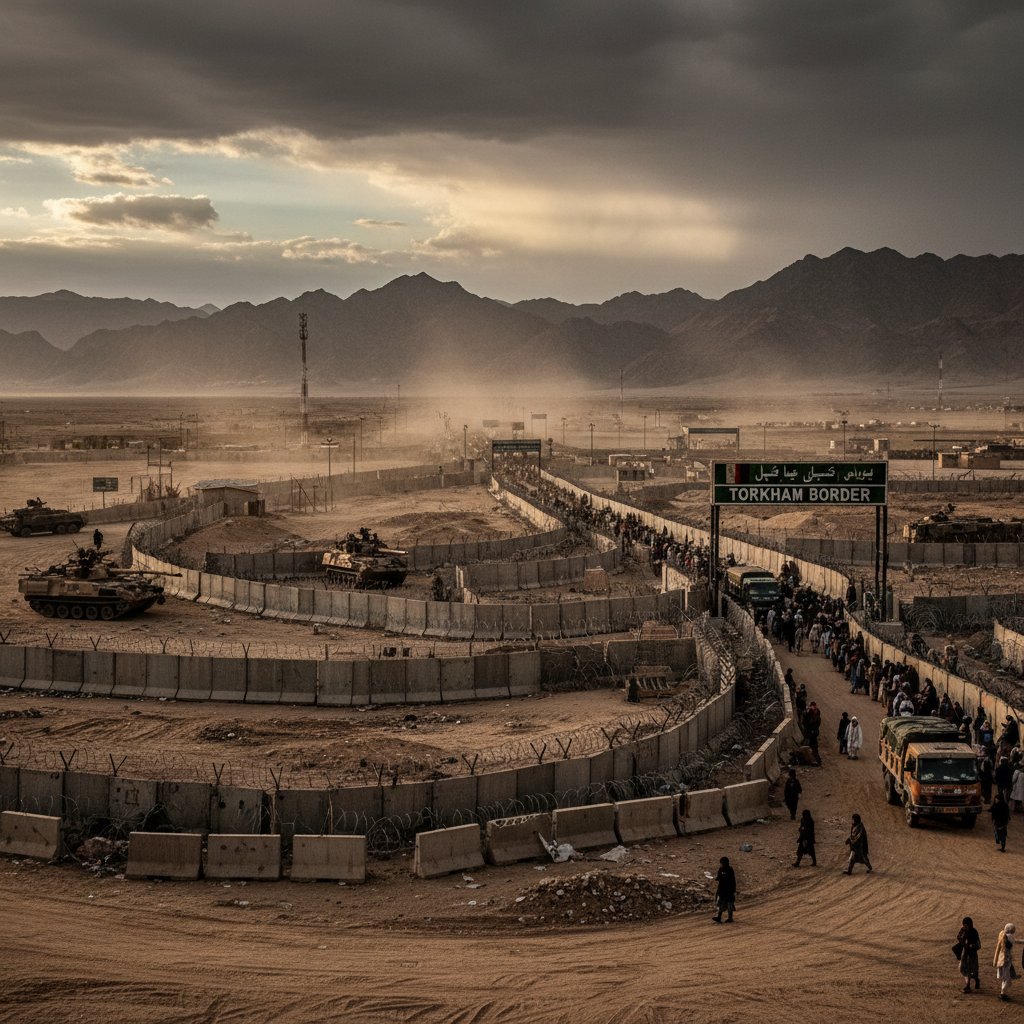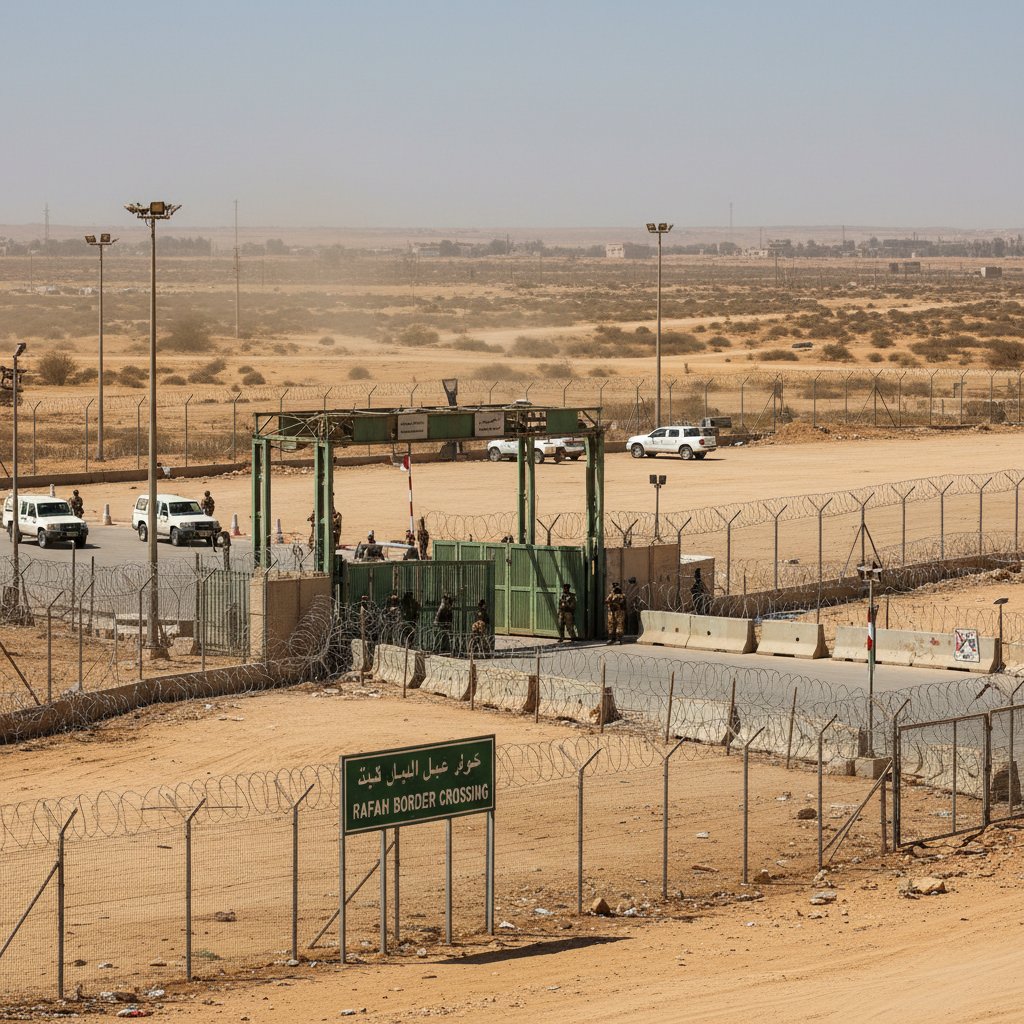
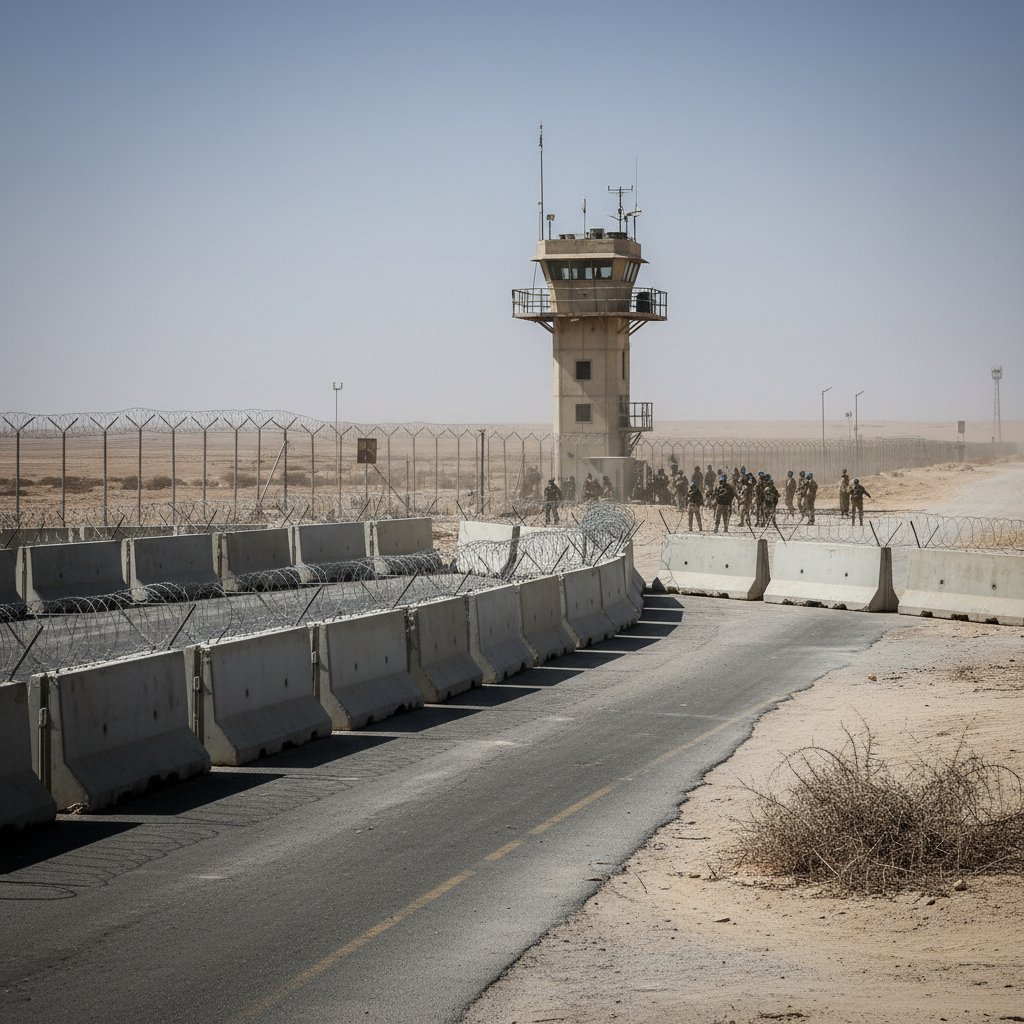
In a move that marks a significant yet cautious shift in the humanitarian landscape of the region, Israeli authorities have authorized the partial reopening of the Rafah border crossing between the Gaza Strip and Egypt. The crossing, which has remained largely shuttered to civilian traffic for months, began processing a limited number of individuals this week, providing a narrow window of movement for a population grappling with severe resource shortages and a collapsed healthcare infrastructure.
The decision follows weeks of intense diplomatic negotiations involving regional mediators and international aid organizations. However, officials have been quick to temper expectations regarding the scale of the reopening. According to reports from the BBC and local border authorities, the current protocol allows only dozens of Palestinians to cross in either direction daily, with a strict prohibition remains on the transit of commercial goods and bulk aid through this specific corridor.
Strict Limitations and Security Protocols
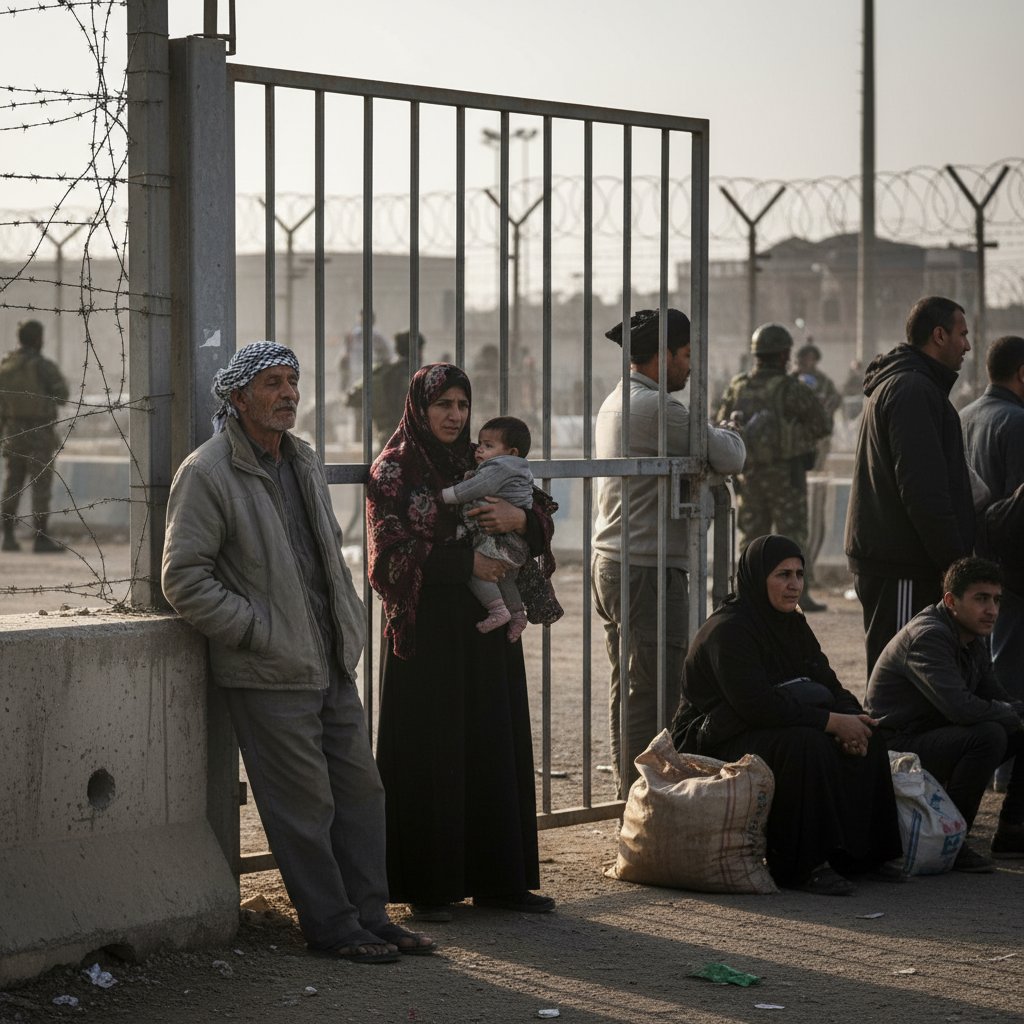
The reopening is characterized by its "highly controlled" nature. Israeli defense officials stated that the measure is intended primarily for humanitarian cases, including patients requiring urgent medical treatment unavailable within Gaza and individuals with foreign residency or dual citizenship. Each person permitted to cross undergoes a rigorous security vetting process, a requirement that has contributed to the slow pace of transit.
While the movement of people offers a psychological and practical reprieve for some families, the absence of cargo transit remains a critical point of contention. Currently, the Rafah crossing is not being utilized for the entry of food, fuel, or medical supplies, which continue to be diverted through alternative checkpoints subject to different inspection regimes. This distinction has led to concerns among aid agencies that the reopening, while symbolic, may not yet address the systemic "food shortages and hunger" cited by those on the ground.
The Humanitarian Crisis and Healthcare Collapse
The necessity of the Rafah crossing is most visible in the collapse of Gaza’s internal medical capabilities. Before the escalation of the conflict, patients with chronic conditions, such as kidney disease or oncology requirements, relied on a steady stream of referrals to hospitals in Egypt, East Jerusalem, or the West Bank.
For many, the months-long closure of the border has been catastrophic. Medical professionals in Gaza report that patients who once relied on routine monitoring—including ultrasound imaging and specialized blood tests—have seen their conditions deteriorate rapidly. The scarcity of clean water and specialized nutritional supplies has exacerbated these issues, turning manageable chronic illnesses into acute life-threatening emergencies.
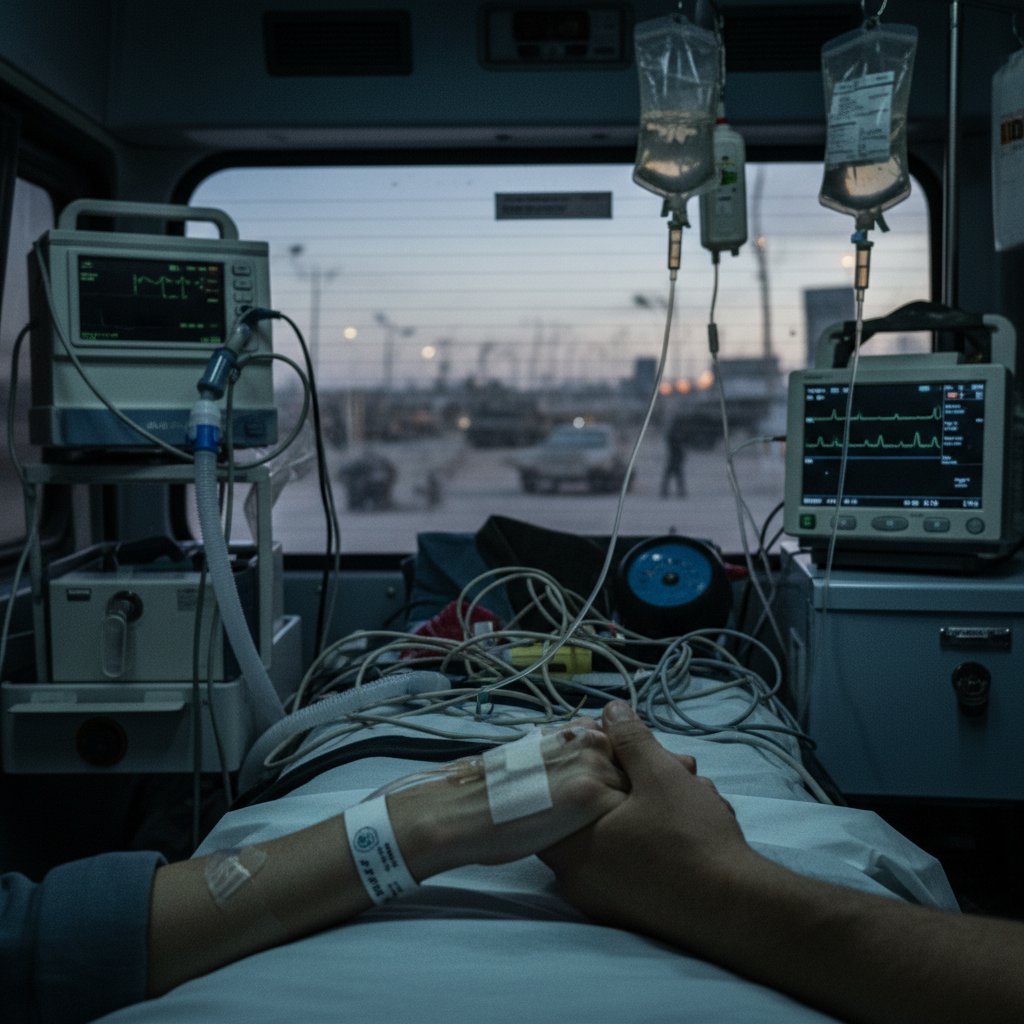
Experts suggest that even with the reopening, the backlog of medical evacuees is so significant that at the current rate of "dozens per day," it would take years to clear the list of those requiring urgent care. The World Health Organization (WHO) has repeatedly called for a predictable and systematic evacuation process for the critically ill, noting that the ad hoc nature of current border openings often leaves the most vulnerable in a state of perpetual uncertainty.
Geopolitical Implications and Regional Security
The reopening of Rafah is inextricably linked to the broader security dynamics between Israel and Egypt. The Philadelphi Corridor, a narrow strip of land along the border, remains a focal point of military and political sensitivity. Israel’s control over the Gazan side of the border is a key component of its current security strategy, aimed at preventing the smuggling of weapons and the movement of unauthorized personnel.
Egypt, meanwhile, faces the dual challenge of managing its own national security concerns while facilitating humanitarian relief. Cairo has consistently advocated for a full reopening of the crossing under Palestinian Authority supervision, but current realities on the ground have necessitated this "phased and limited" compromise. International observers view the move as a "test case" for broader cooperation, suggesting that if the limited reopening proceeds without security incidents, the volume of traffic could gradually increase.
Outlook for the Coming Weeks
As the first groups of travelers move through the terminal, the international community remains focused on whether this opening will eventually lead to the restoration of commercial ties. The economic impact of the border closure has been total, with local markets depleted and the agricultural sector unable to export or import necessary equipment.
For the families waiting at the gates of Rafah, the reopening is a moment of bittersweet relief. While a few are able to seek safety or medical care, thousands more remain behind, waiting for a broader diplomatic breakthrough that would see the crossing return to its former status as the primary gateway between Gaza and the outside world.
The next 14 days will be critical in determining the viability of this arrangement. If the security protocols hold, diplomatic pressure is expected to mount on Israel and Egypt to expand the criteria for crossing and, crucially, to begin the transit of life-saving goods through the Rafah gates once again.