In a development that marks the most significant blow to organized crime in a decade, the Mexican government confirmed on Tuesday that Nemesio “El Mencho” Oseguera Cervantes, the elusive leader of the Jalisco New Generation Cartel (CJNG), was killed during a targeted military operation. The operation, which took place on Sunday, February 22, concluded a multi-year manhunt for the man who transformed a regional criminal cell into a global paramilitary empire.
The Mexican Ministry of National Defense (SEDENA) reported that the operation was the result of months of intelligence gathering, involving the coordination of Special Forces and Navy personnel. The confrontation occurred in a remote, mountainous region of the state of Jalisco, a long-standing stronghold for Oseguera Cervantes. While initial reports were guarded, officials have now verified the identity of the deceased through biometric data and DNA analysis.
A Decisive Strike in the Jalisco Highlands
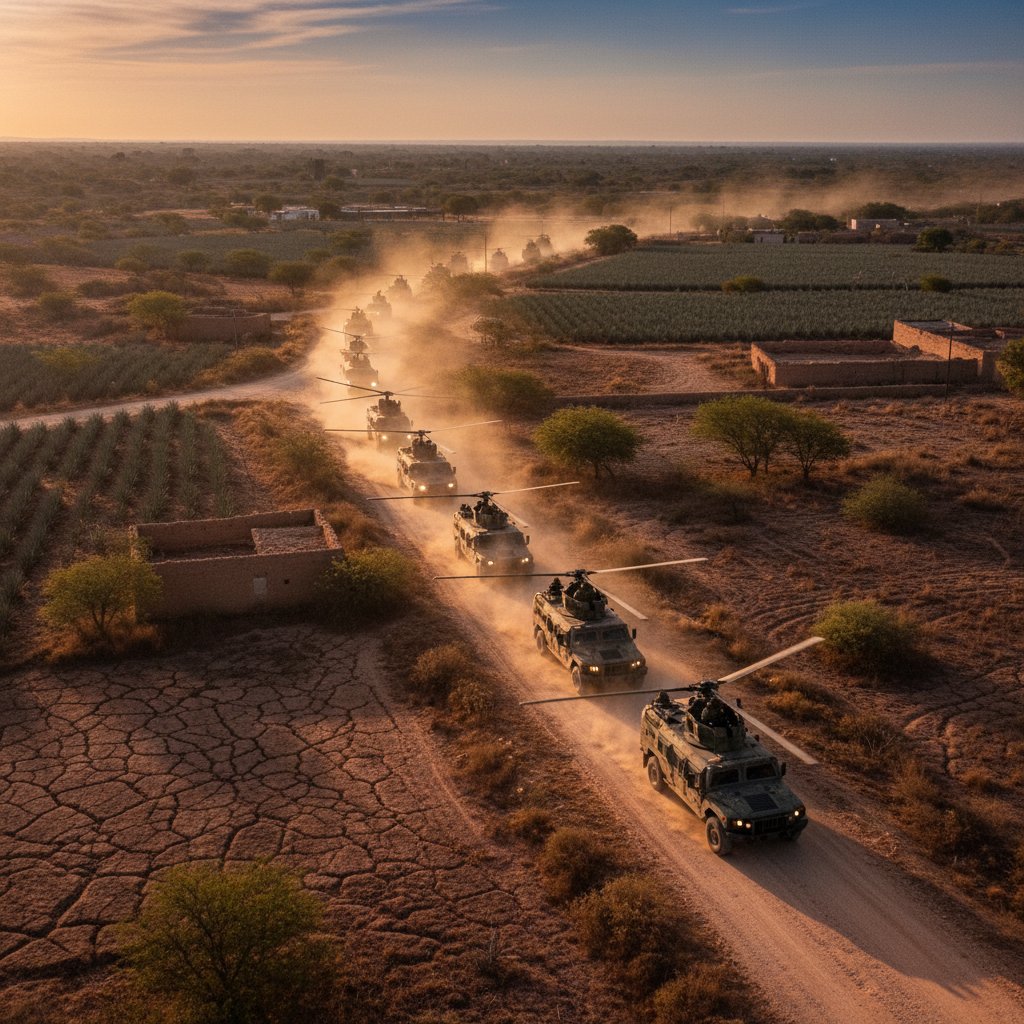
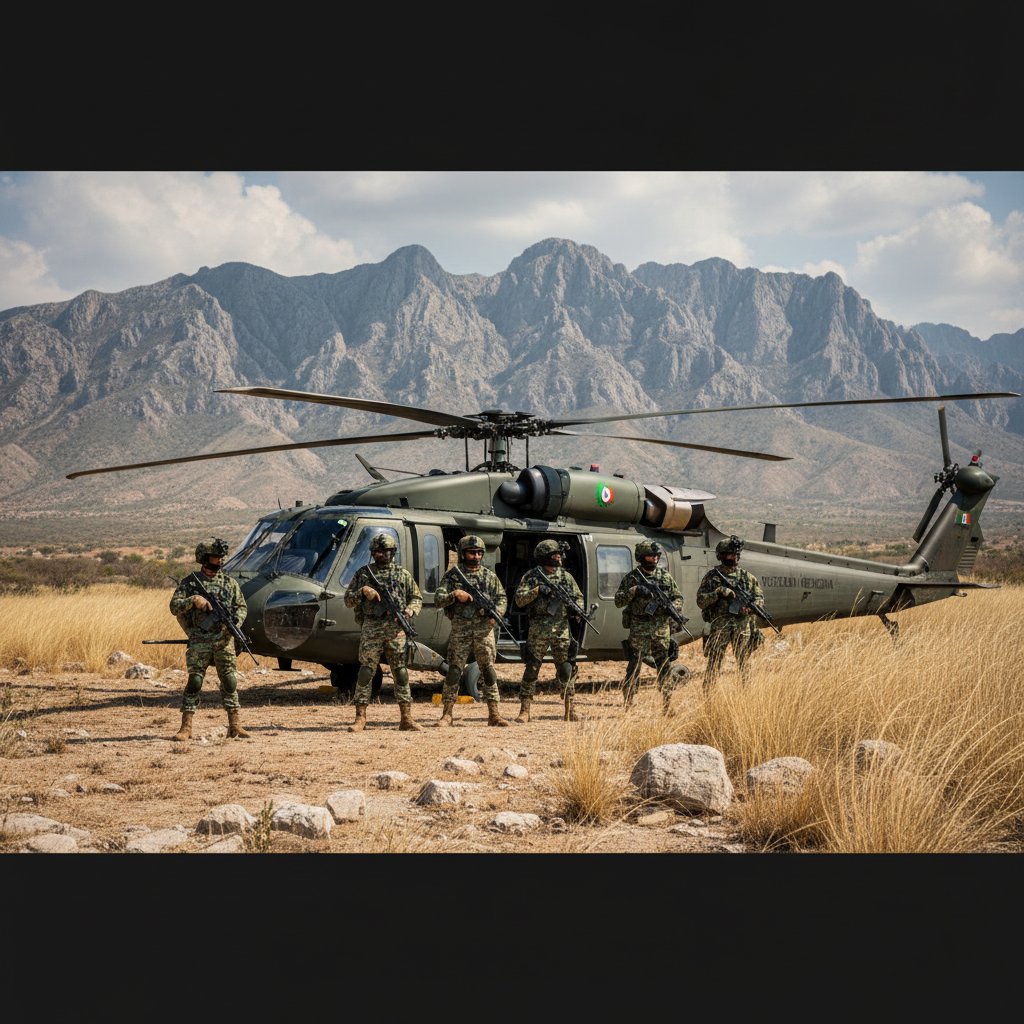
The military operation began in the early hours of Sunday morning when elite units descended on a fortified compound in the Sierra Madre Occidental. According to military spokespeople, the assault was met with heavy resistance from the cartel’s inner circle of bodyguards. The ensuing firefight lasted several hours, involving ground troops and air support.
Government sources indicate that the operation was specifically designed to minimize civilian casualties by targeting the remote hideout. For years, El Mencho had avoided capture by utilizing a sophisticated network of lookouts and moving frequently between mobile camps in the rugged terrain. His death ends a reign of terror characterized by extreme violence and the rapid expansion of the CJNG’s territory across Mexico and into international markets.
The Rise of CJNG and the Reign of Oseguera
Nemesio Oseguera Cervantes was not always a household name. A former police officer who served time in the United States for drug trafficking in the 1990s, he returned to Mexico and eventually rose to lead the CJNG after a split from the Milenio Cartel. Under his leadership, the organization became known for its corporate-like efficiency and its willingness to directly challenge the Mexican state.
The CJNG distinguished itself from its rivals, such as the Sinaloa Cartel, through its use of high-grade military weaponry, including rocket-propelled grenades used to down a military helicopter in 2015. Oseguera’s strategy focused on the control of strategic ports, such as Manzanillo and Lázaro Cárdenas, which allowed the cartel to dominate the importation of precursor chemicals used in the production of synthetic drugs like fentanyl and methamphetamine.
Security Implications and Potential Backlash
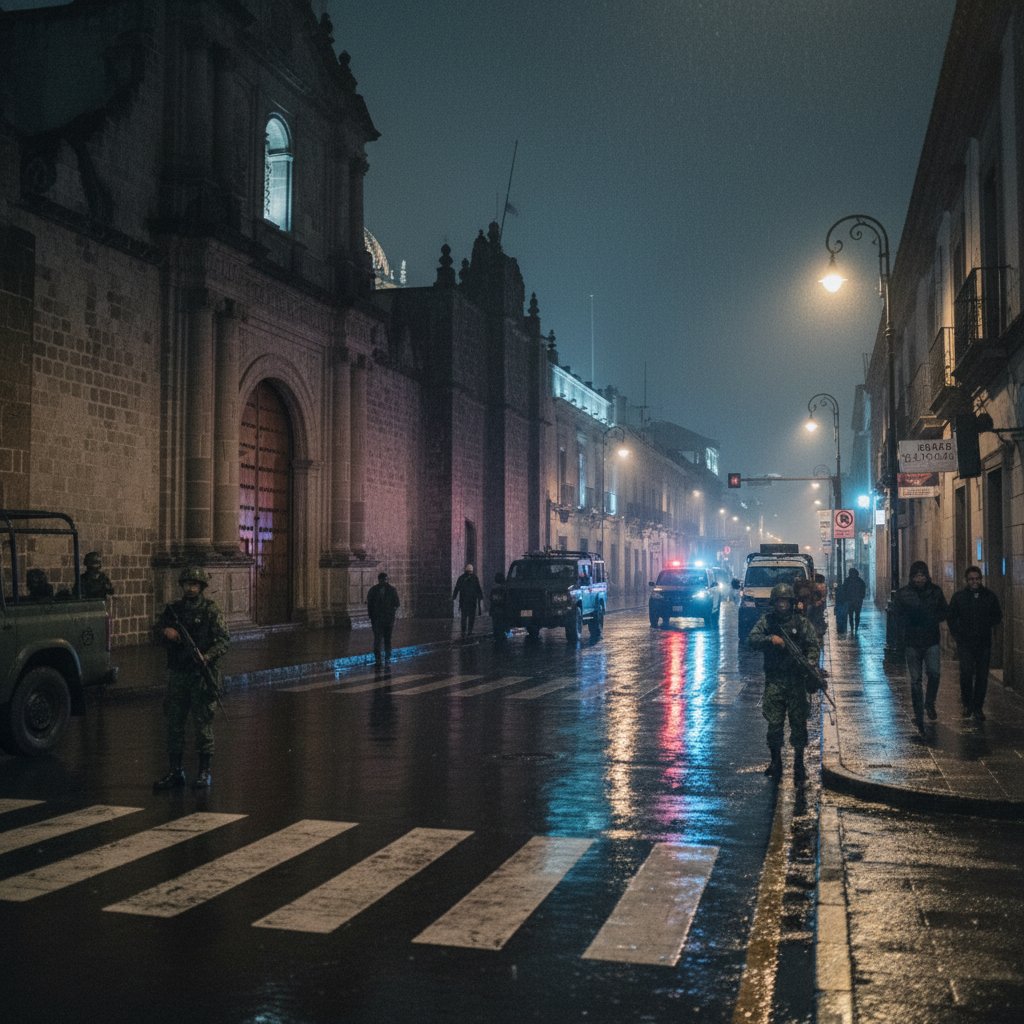
While the death of El Mencho is being hailed as a major victory for the administration of President Claudia Sheinbaum, security analysts warn that the vacuum created by his absence could trigger a period of intense volatility. The CJNG is a highly decentralized organization, yet Oseguera’s cult-like status served as a unifying force.
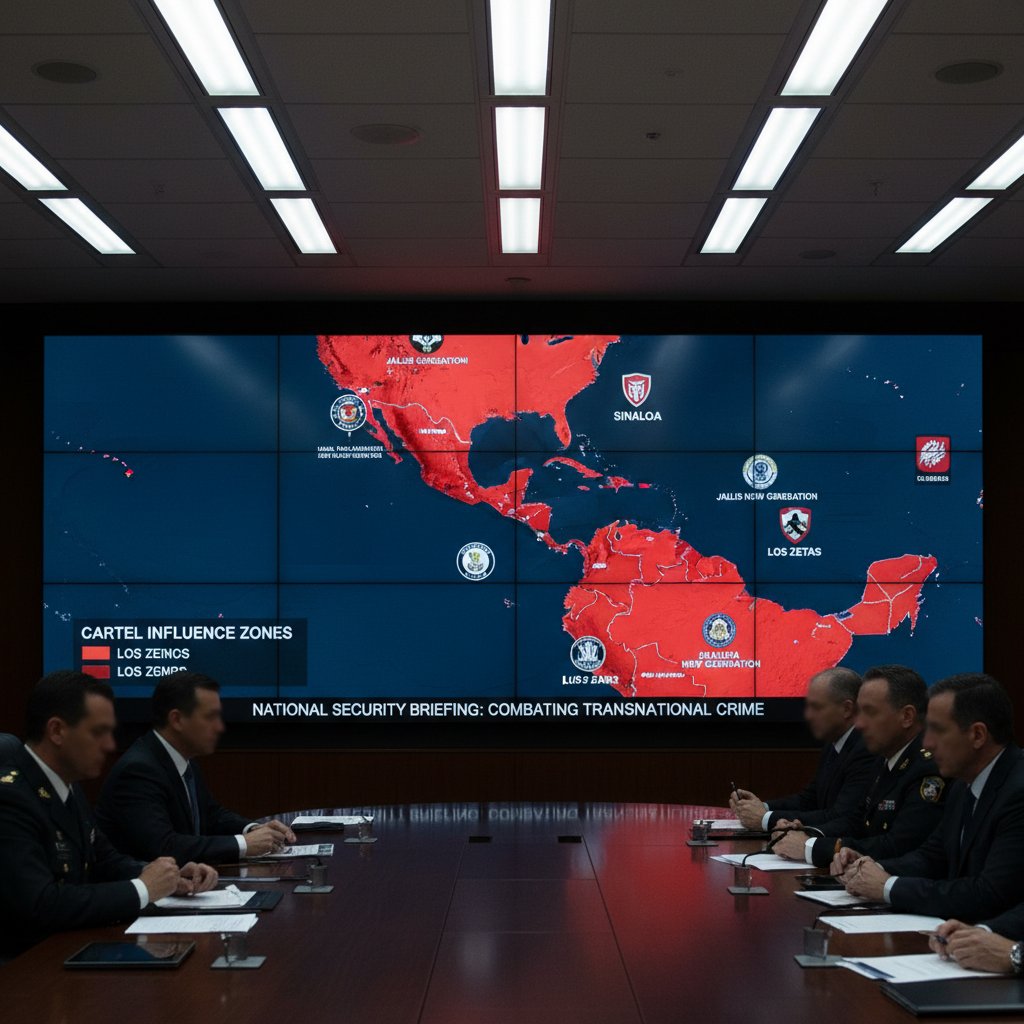
Experts anticipate two primary risks in the coming weeks. First, internal power struggles between lieutenants may lead to fragmentation and localized violence as various factions vie for control of lucrative smuggling routes. Second, rival organizations, most notably the Sinaloa Cartel, may attempt to move into CJNG-held territories, sparking "turf wars" in states like Guanajuato, Zacatecas, and Michoacán.
International Cooperation and the Fentanyl Trade
The death of El Mencho is expected to have immediate repercussions for international drug policy, particularly in the United States. The U.S. Drug Enforcement Administration (DEA) had previously offered a $10 million reward for information leading to his arrest, identifying him as a primary driver of the fentanyl crisis that has claimed tens of thousands of American lives annually.
U.S. officials have expressed cautious optimism, noting that while the removal of a top-tier target is essential, the infrastructure of the CJNG remains largely intact. "The elimination of Oseguera Cervantes is a milestone," said a senior U.S. law enforcement official. "However, our focus remains on dismantling the entire network that facilitates the flow of synthetic opioids across our borders."
Looking Ahead: A Tense Transition
As the Mexican government maintains a heightened state of alert in Jalisco and surrounding states, the public remains wary of retaliatory "narcobloqueos"—the practice of burning vehicles to block major highways. Security forces have been deployed to major urban centers to prevent any spillover of violence into civilian areas.
The death of El Mencho represents the end of a chapter in Mexico’s drug war, but the structural issues driving the trade—corruption, poverty, and high demand—persist. Whether this victory leads to a sustained reduction in violence or merely a reshuffling of the criminal hierarchy will depend on the government’s ability to follow up with institutional reforms and continued pressure on the cartel's financial assets.