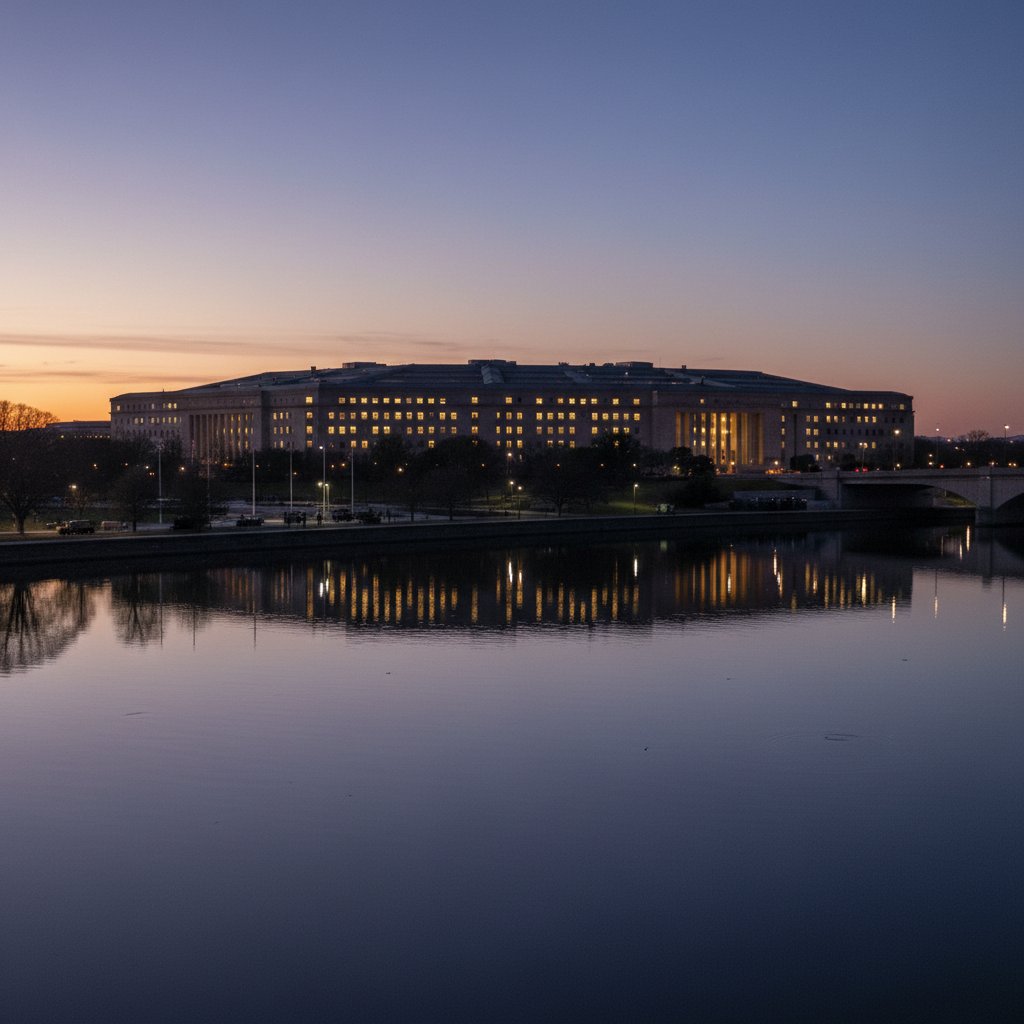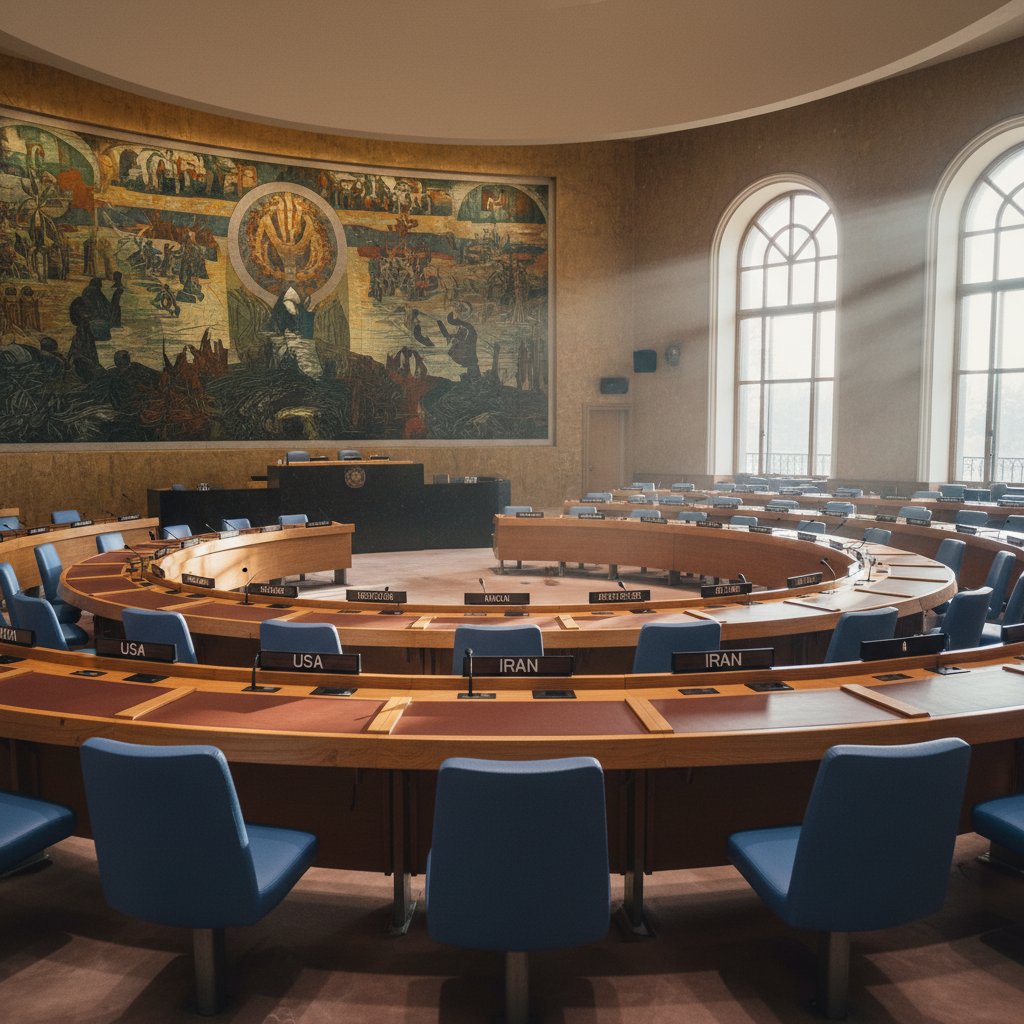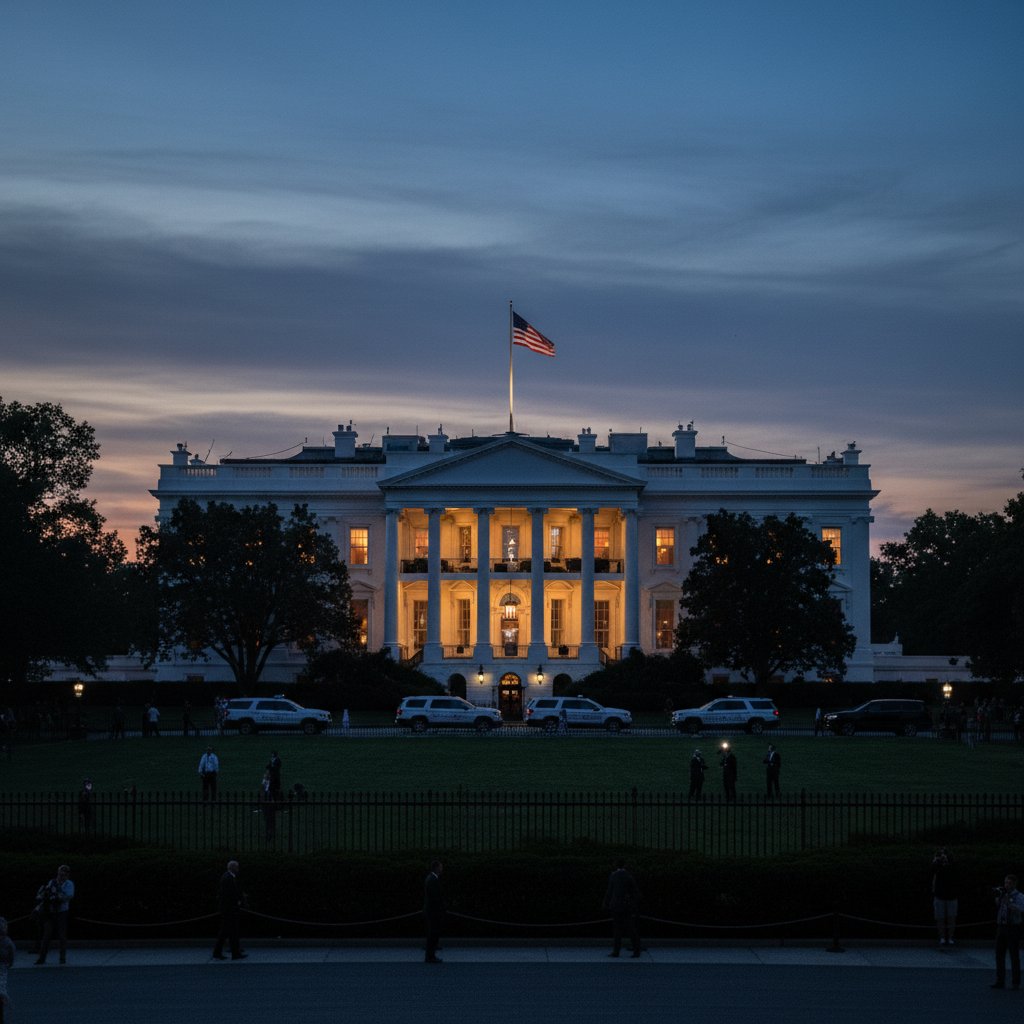
Senior U.S. officials have characterized recent high-stakes discussions between the United States and Iran as "positive," signaling a potential shift in the Trump administration’s approach to Middle Eastern stability. The talks, which took place over the course of a full day, represent the most significant direct engagement between Washington and Tehran in years.
The meetings featured a specific delegation representing President Donald Trump: special envoy Steve Witkoff and Jared Kushner. They met with Iranian Foreign Minister Abbas Araghchi for two extensive sessions—one in the morning and one in the afternoon—to discuss the future of Iran’s nuclear program and the crippling economic sanctions currently in place.

A Shift Toward Personal Diplomacy
The inclusion of Steve Witkoff and Jared Kushner underscores the Trump administration’s preference for personal, high-level envoys over traditional State Department channels. Sources familiar with the talks suggest that the sessions were focused on establishing a "transactional framework" that could replace previous failed agreements.
According to reports first published by Axios, the outcome of these discussions is viewed as a "make-or-break" moment for the administration. Insiders suggest that the success of these diplomatic overtures will likely determine whether President Trump continues to pursue a negotiated settlement or pivots toward a more aggressive "maximum pressure" campaign that could include military options.
Foreign Minister Araghchi, a veteran diplomat who was instrumental in the original 2015 nuclear deal, has reportedly expressed a willingness to discuss technical limits on enrichment in exchange for "verifiable and immediate" sanctions relief.
The Geopolitical Stakes
The timing of these talks is critical. With regional tensions at an all-time high and proxy conflicts continuing across the Middle East, the prospect of a nuclear-armed Iran remains a primary concern for the U.S. and its allies, particularly Israel.
For the Trump administration, a successful deal would represent a significant foreign policy victory, potentially neutralizing one of the world's most volatile flashpoints. However, the "positive" label applied by U.S. officials is being met with cautious skepticism by some members of Congress and international observers.
Experts note that several key hurdles remain:
- Verification: How the U.S. will ensure Iran adheres to new enrichment limits.
- Regional Activity: Whether the deal will address Iran's support for militant groups.
- Domestic Pressure: Both leaders face significant opposition from hardliners within their respective countries who view compromise as a sign of weakness.
Security and Economic Implications
The global energy markets have already begun to react to the news, with oil futures showing slight volatility as traders weigh the possibility of Iranian crude returning to the global market in significant volumes. If a formal agreement is reached, analysts predict a stabilizing effect on energy prices.
"This is a delicate dance," said one senior diplomatic source. "The sessions were described as positive because both sides were actually listening, rather than simply reciting talking points. But the gap between 'positive talks' and a 'signed treaty' is still quite large."
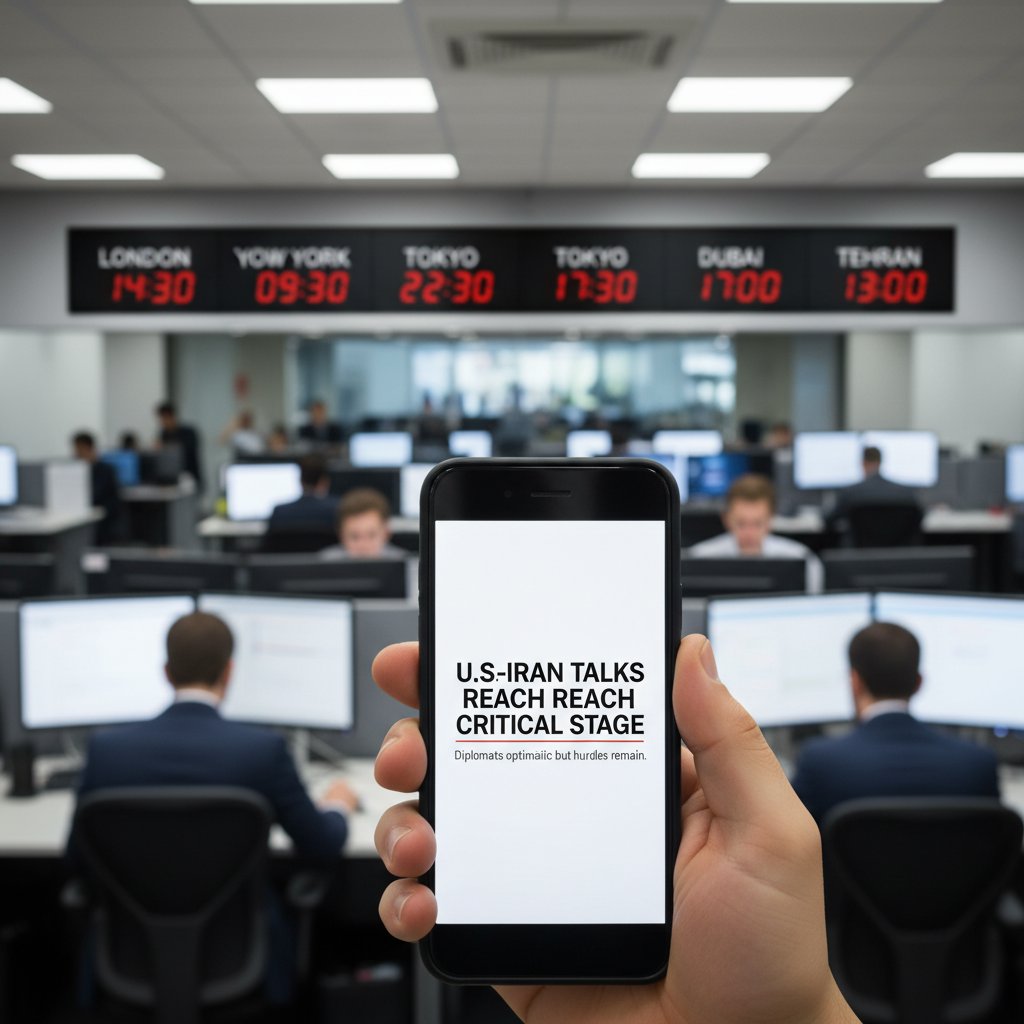
What Happens Next?
Following the conclusion of these sessions, the U.S. delegation is expected to brief President Trump at the White House. Meanwhile, Abbas Araghchi has returned to Tehran to consult with the Supreme Leader and other high-ranking officials.
The international community is now looking toward a potential second round of talks, possibly in a neutral third country like Switzerland or Oman. Whether this "positive" momentum can be sustained into a concrete framework remains the defining question of 2026's geopolitical landscape.