WASHINGTON D.C. — The United States has drafted a comprehensive plan to oversee a potential ceasefire in Ukraine through a sophisticated network of high-tech surveillance, according to reports first detailed by the Financial Times. The proposal marks a significant shift in the Western strategy to end the conflict, positioning the U.S. military as the primary technical guarantor of peace while European allies provide the physical "reassurance force" on the ground.
Under the draft proposal, the U.S. would not deploy combat troops to the front lines. Instead, Washington would leverage its unparalleled intelligence and surveillance infrastructure—including advanced satellites, long-range drones, and ground-based sensor arrays—to monitor compliance along a proposed buffer zone.
A Technical Shield for a Fragile Peace
The core of the American strategy relies on "remote verification." By using high-resolution thermal imaging and acoustic sensors, the U.S. aims to create a "digital tripwire" that can detect troop movements, artillery fire, or the activation of radar systems in real-time. This data would be shared instantly with an international monitoring body and the European-led peacekeeping units stationed in the region.
"The goal is to remove the 'he-said, she-said' element of ceasefire violations," says Dr. Elena Vance, a senior fellow at the Institute for Global Security. "By providing objective, high-fidelity data, the U.S. can identify the aggressor in any skirmish without needing to have boots on the ground in the traditional sense."
The European 'Reassurance Force'
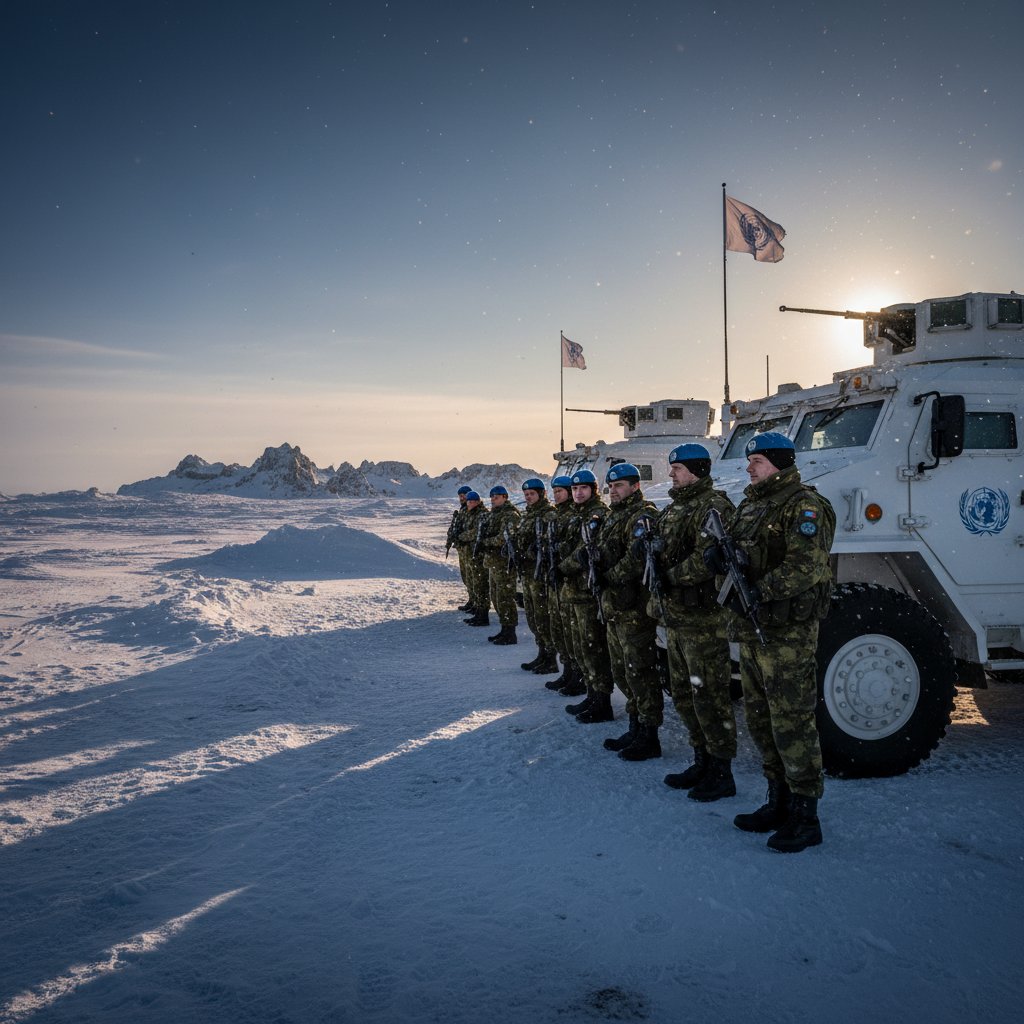
While the United States provides the "eyes in the sky," the plan calls for European nations to provide the physical presence required to maintain stability. This "reassurance force" would likely consist of troops from major EU powers and potentially non-NATO states, tasked with patrolling the buffer zone and facilitating humanitarian aid.
The distinction is politically vital for the Biden administration, which has faced domestic pressure to limit direct military involvement. By focusing on a technical support role, the U.S. can fulfill its commitments to Ukrainian security while shifting the burden of physical policing to regional partners.
However, the proposal has already sparked intense debate in European capitals. While Poland and the Baltic states have expressed cautious optimism, other members are wary of the long-term costs and the risk of their soldiers becoming targets for "spoilers" on either side of the conflict.
Challenges to Implementation
The success of the plan hinges on two major factors: Russian acquiescence and the precise demarcation of the buffer zone. Moscow has historically been skeptical of Western-led monitoring missions, often viewing them as a tool for NATO intelligence gathering.
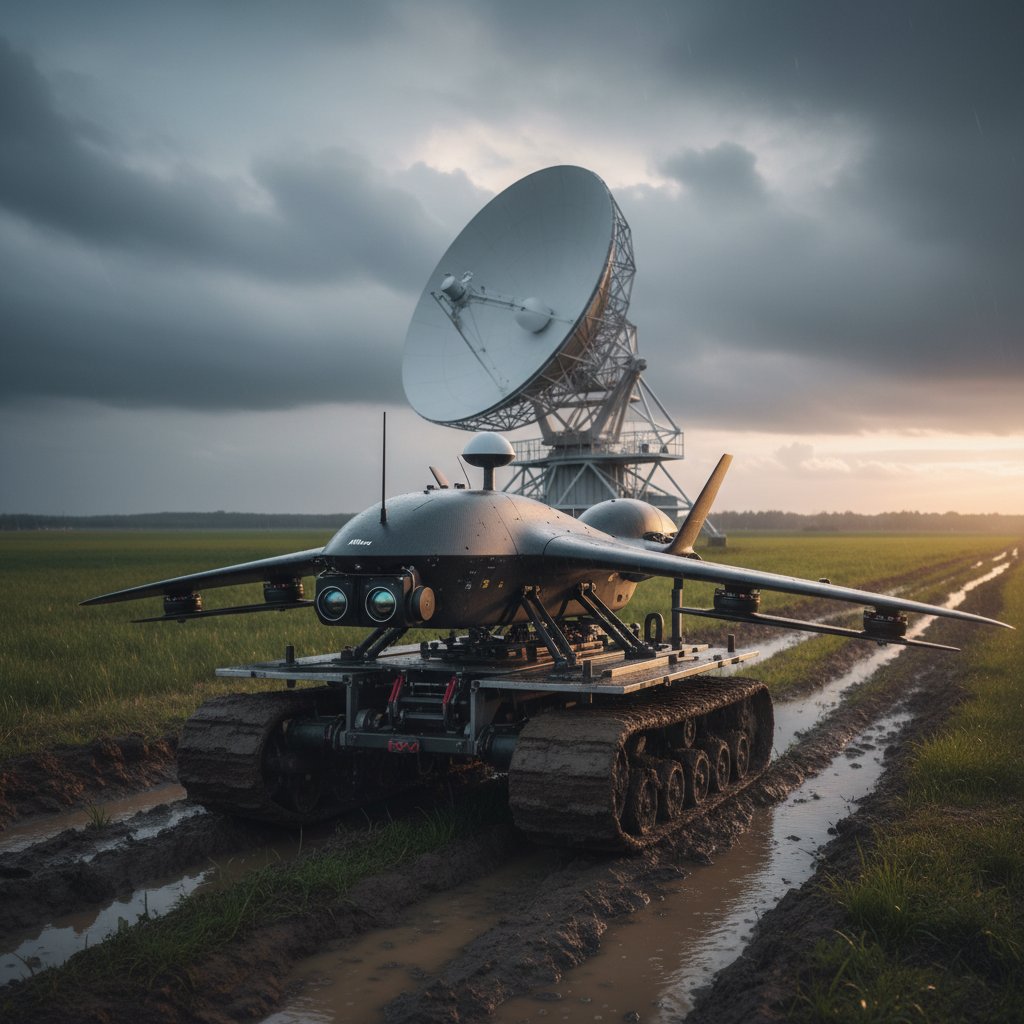
Furthermore, the "high-tech" nature of the monitoring could be vulnerable to electronic warfare. Both Russian and Ukrainian forces have spent years refining GPS jamming and drone-disruption techniques. For a remote monitoring system to be effective, it must be hardened against the very electronic interference that has characterized the war thus far.
Key Components of the Surveillance Plan
| Technology | Purpose | Implementation | | :--- | :--- | :--- | | SAR Satellites | All-weather, day/night imaging | Constant orbital coverage of the 1,000km front line. | | Acoustic Sensors | Detecting artillery launches | Ground-based arrays to triangulate fire sources. | | HALE Drones | Persistent aerial overwatch | High-altitude, long-endurance platforms monitoring movements. | | AI Data Link | Pattern recognition | Automated alerts for unusual troop concentrations. |
The Road Ahead
The draft plan is currently being circulated among G7 leaders and Ukrainian officials. Kyiv has remained publicly non-committal, insisting that any ceasefire must be accompanied by ironclad security guarantees and a clear path to the restoration of territorial integrity.
"Technology is a tool, not a solution," a senior Ukrainian diplomatic source told reporters on Wednesday. "We welcome the monitoring, but sensors cannot stop a tank. We need to know what happens if the sensors show an invasion is beginning."
As winter continues to grip the region, the urgency for a viable peace framework grows. The U.S. proposal represents the most detailed technical roadmap produced to date, but the transition from a "draft plan" to a functioning ceasefire remains a monumental diplomatic challenge.
Frequently Asked Questions
Will U.S. soldiers be in the buffer zone?
No. The current draft specifies that the U.S. role is limited to technical surveillance and intelligence sharing, with European forces providing the physical presence.
Who pays for the high-tech monitoring?
The proposal suggests a shared funding model among NATO and EU members, though the U.S. would likely provide the hardware and satellite access as an "in-kind" contribution.
How does this differ from previous OSCE missions?
The proposed mission would have significantly higher technological capabilities and a more robust mandate for the accompanying European force compared to the unarmed OSCE monitors used between 2014 and 2022.