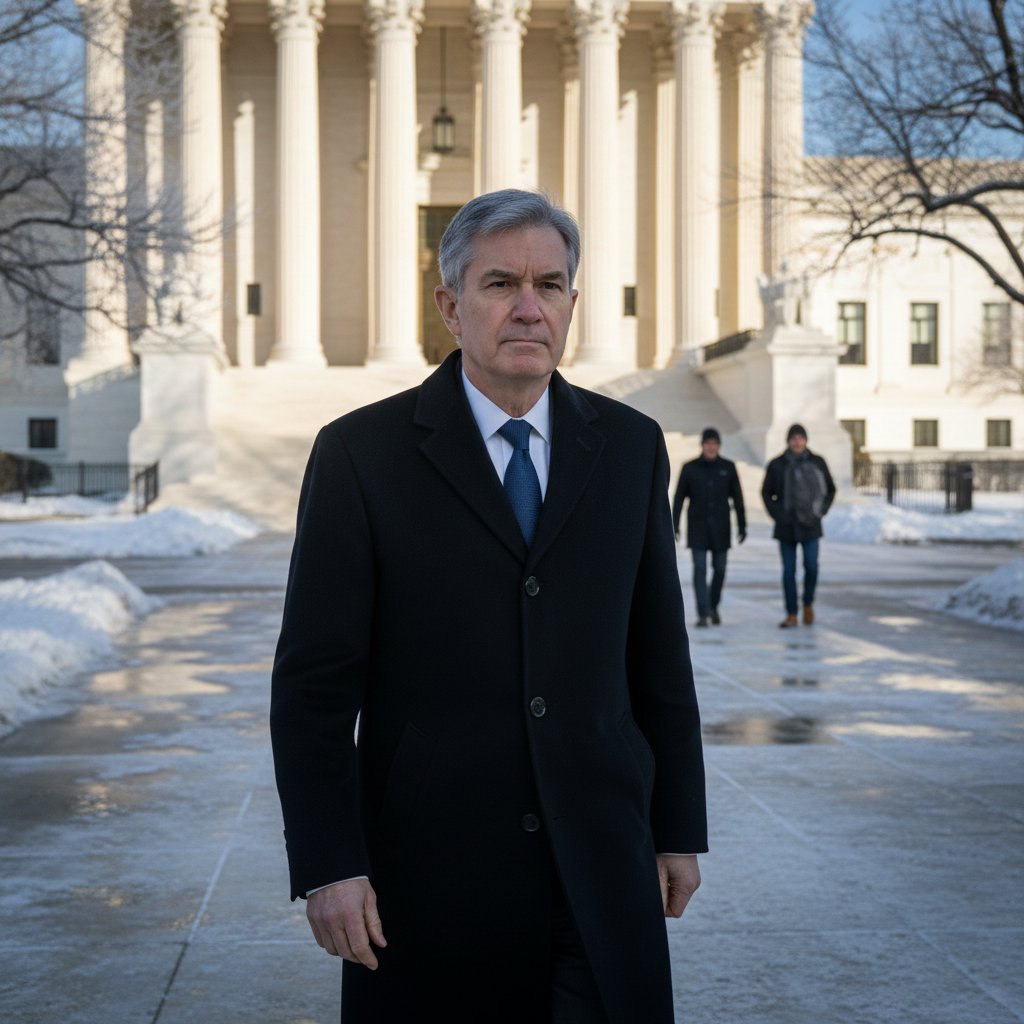
President Donald Trump has announced his intention to file a lawsuit against JPMorgan Chase within the next 14 days, alleging the financial institution engaged in "debanking" practices against him and his associates. The move, announced over the weekend, marks a definitive collapse in the relationship between the White House and Jamie Dimon, the bank’s long-serving Chief Executive Officer.
In a statement that has sent ripples through the financial sector, the President also explicitly ruled out Jamie Dimon as a potential candidate for Chair of the Federal Reserve. This reversal comes after months of speculation that Dimon, once considered a top choice for Treasury Secretary during the 2024 campaign, might take a leading role in steering the nation’s monetary policy.
The 'Debanking' Allegations
The core of the President’s legal threat rests on the concept of "debanking"—the practice where financial institutions close the accounts of individuals or organizations deemed to pose a reputational or legal risk. President Trump has frequently alleged that major banks have weaponized these internal policies to discriminate against conservative figures and his specific political movement.
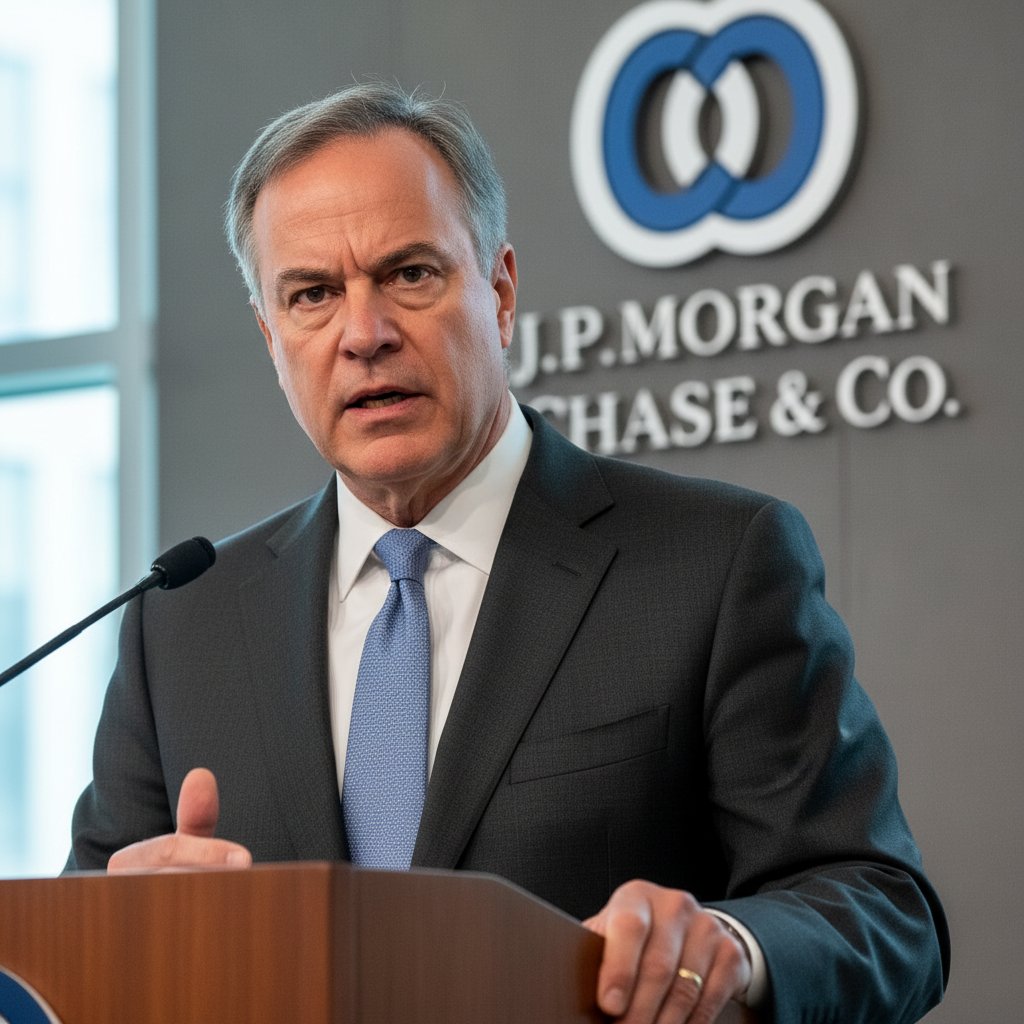
While JPMorgan has not issued a formal rebuttal to the specific threat of a lawsuit, the bank has historically maintained that its account closure decisions are based on strict adherence to "Know Your Customer" (KYC) and Anti-Money Laundering (AML) regulations. However, the President’s legal team is expected to argue that the bank’s actions constitute a breach of contract and a violation of consumer protection laws, specifically targeting what they describe as political discrimination in the provision of essential financial services.
The timing of the lawsuit—set for "the next two weeks"—suggests a coordinated legal offensive designed to coincide with broader legislative efforts to curb the discretionary power of large financial institutions.
The Rupture with Jamie Dimon
The exclusion of Jamie Dimon from the Federal Reserve shortlist marks the end of a complicated "will-they-won't-they" dynamic between the President and the Wall Street veteran. Throughout 2024, Dimon was frequently praised by the President for his business acumen, with reports suggesting he was a frontrunner for a cabinet-level position.
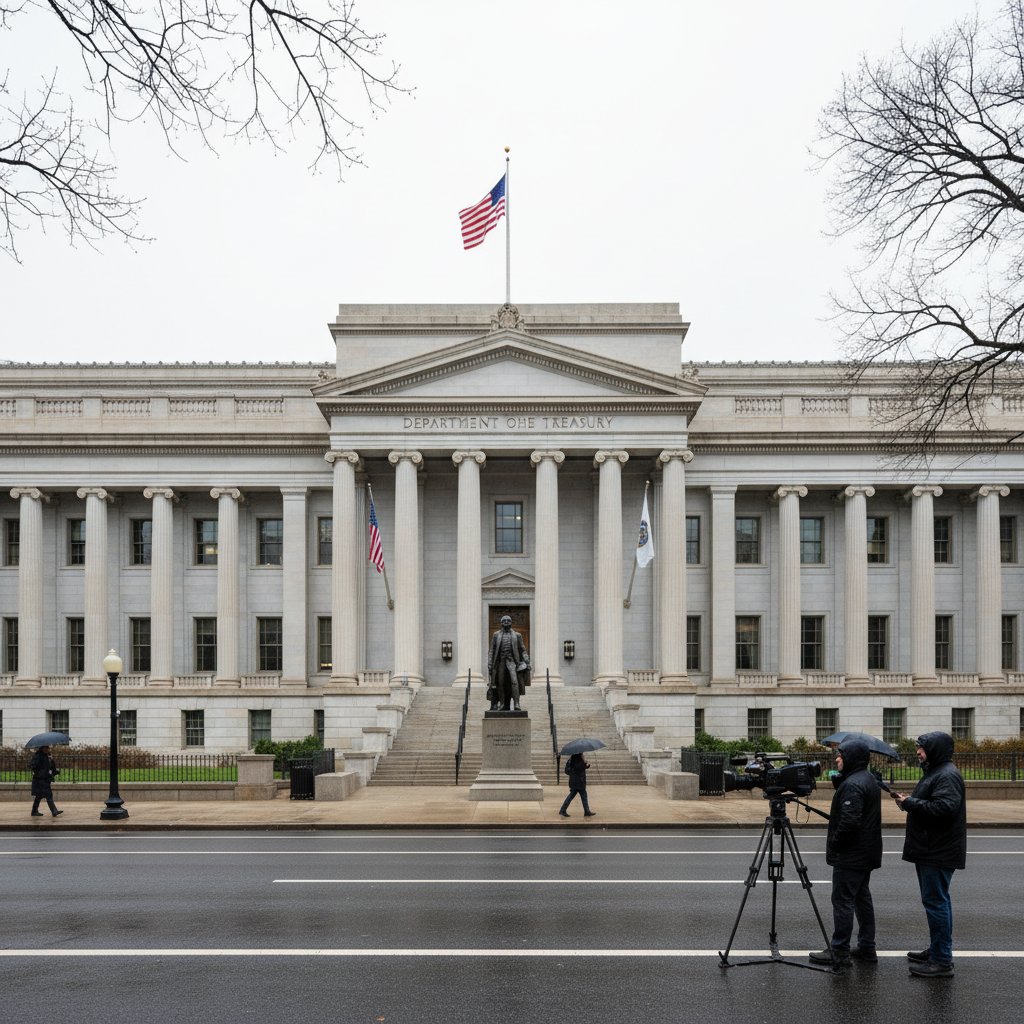
However, the relationship began to sour in late 2025 following public disagreements over trade policy and the administration’s approach to banking deregulation. The President’s rhetoric turned sharply critical in August, when he began publicly questioning the loyalty of JPMorgan and other "Too Big to Fail" institutions. By ruling Dimon out for the Fed Chair position, the administration has signaled a pivot toward more populist candidates who are more aligned with the President's skepticism of traditional Wall Street influence.
Market and Political Implications
The prospect of a sitting president suing the nation’s largest bank is unprecedented and presents significant challenges for both the judicial system and the markets. Legal experts suggest that proving "political bias" as the sole motivator for account closures is a high evidentiary bar, as banks are granted broad latitude in managing risk.
Comparison of Reported Bank Policies vs. Administration Demands
| Feature | Current Banking Policy (JPMorgan) | Administration Proposed Standard | | :--- | :--- | :--- | | Account Closure | Discretionary based on risk profile | Requires specific, non-political proof of illegality | | Regulatory Oversight | Focus on AML/KYC compliance | Focus on "Fair Access" to financial services | | Political Neutrality | Internal corporate governance | External oversight and transparency mandates |
Industry analysts warn that a prolonged legal battle could lead to increased volatility in the banking sector. "If the administration successfully challenges the right of a private bank to choose its clients, it fundamentally changes the risk-assessment model of the entire industry," said Sarah Jenkins, a senior analyst at a Washington-based think tank.
What Happens Next?
As the two-week deadline approaches, the financial world is watching for the official filing. The lawsuit is expected to be filed in a federal court, potentially in a jurisdiction favorable to the administration’s arguments regarding fair access to banking.
Simultaneously, the search for a new Federal Reserve Chair has widened. With Dimon officially off the table, the focus turns to candidates who favor the President’s "Main Street over Wall Street" economic agenda.
For now, the standoff remains a high-stakes game of chicken between the executive branch and the most powerful bank in the United States. Whether the lawsuit materializes or serves as a tool for political leverage will become clear before the end of the month.