WASHINGTON — Department of Homeland Security (DHS) Secretary Kristi Noem signaled a significant shift in the administration's stance on Thursday, admitting that her department’s initial characterization of a fatal shooting in Minneapolis may have been incorrect.
Speaking to reporters following a closed-door briefing with the House Homeland Security Committee, Noem addressed the mounting controversy surrounding the death of a 37-year-old man, identified by local activists and family members as "Pretti." The incident, which occurred earlier this month, involved Customs and Border Protection (CBP) agents operating within the Twin Cities.
"We were being relayed information from on the ground from CBP agents and officers that were there," Noem said, responding to questions about why her initial statements appeared to contradict video evidence that surfaced later. "We were using the best information we had at the time. Looking back, we have to acknowledge that the initial picture we were painted might not have been the complete reality of what transpired on that street."
The Minneapolis Incident
The shooting occurred during a high-stakes federal operation targeting an alleged human smuggling ring. According to initial DHS reports, agents were "confronted by an armed individual" and acted in self-defense. However, eyewitness accounts and a partially recovered doorbell camera video suggest that Pretti was unarmed and attempting to comply with conflicting verbal commands when the fatal shots were fired.
The discrepancy has ignited a firestorm in Minneapolis, a city with a long and painful history of friction between law enforcement and its citizenry. In the weeks since the shooting, the Department of Justice (DOJ) has opened a parallel civil rights investigation into the conduct of the federal agents involved.
Challenges to Agency Oversight
Secretary Noem’s admission comes at a precarious time for the DHS. For months, lawmakers from both sides of the aisle have questioned the transparency of the agency’s internal review processes. During Thursday’s hearing, Noem was reportedly pressed on whether the "information from the ground" she cited was vetted before being released to the public as fact.
Critics argue that the DHS has a systemic issue with "circle-the-wagons" culture, where initial officer statements are prioritized over objective evidence. "What we saw today was a Secretary realizing that the official narrative is no longer sustainable," said one committee member, speaking on the condition of anonymity. "The concern isn't just that a man is dead; it’s that the agency’s first instinct was to obfuscate."
Noem, however, defended the agents' difficult working conditions. She maintained that while the communication may have been flawed, the agents were operating in a "high-threat environment" where split-second decisions carry life-or-death consequences.
A Growing Political Liability
The fallout from the Pretti shooting is beginning to have broader political implications for the administration. In Minneapolis, local leaders have called for a moratorium on federal-local law enforcement partnerships until more stringent oversight mechanisms are in place.
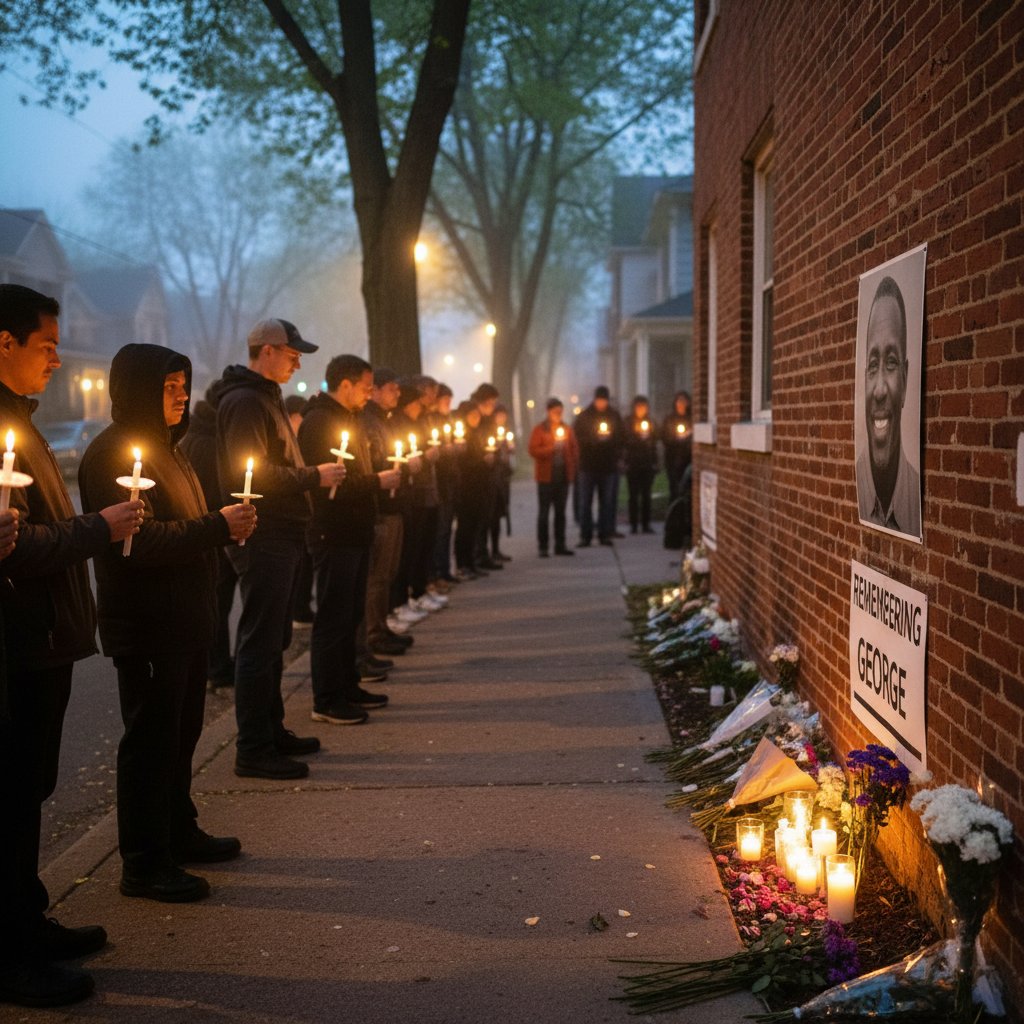
The incident has also mobilized civil rights groups who argue that the deployment of CBP agents deep into the interior of the United States—far from any international border—represents an overreach of federal authority. The DHS has countered that its jurisdiction covers the entire country when investigating cross-border crimes like smuggling and human trafficking.
Accountability and Future Reforms
In her remarks, Noem promised a "top-to-bottom" review of how information is communicated from field offices to the Secretary’s desk. She stoped short of apologizing to the family of the deceased, citing the ongoing litigation and internal investigations.
"Transparency is a goal, but accuracy is the requirement," Noem stated. "If we failed in accuracy, we will hold the responsible parties accountable. We owe that to the public and to the integrity of the department."
The DHS Office of Inspector General is expected to release a preliminary report on the Minneapolis shooting by late February. Until then, the administration faces a difficult balancing act: supporting its federal agents while addressing a public that is increasingly skeptical of the "best information" provided by the government.
Frequently Asked Questions
What is the '100-mile border zone' rule? Current federal regulations allow CBP and other DHS agencies expanded search and seizure authorities within 100 air miles of any U.S. "external boundary." Minneapolis, while far from the southern border, falls within a complex jurisdictional area often utilized for federal task force operations.
How does this impact federal-local relations? Many cities are reconsidering "Memorandums of Understanding" (MOUs) that allow local police to assist federal agents. Incidents like the Pretti shooting often lead to a breakdown in trust, making it harder for local police to gain cooperation from the communities they serve.