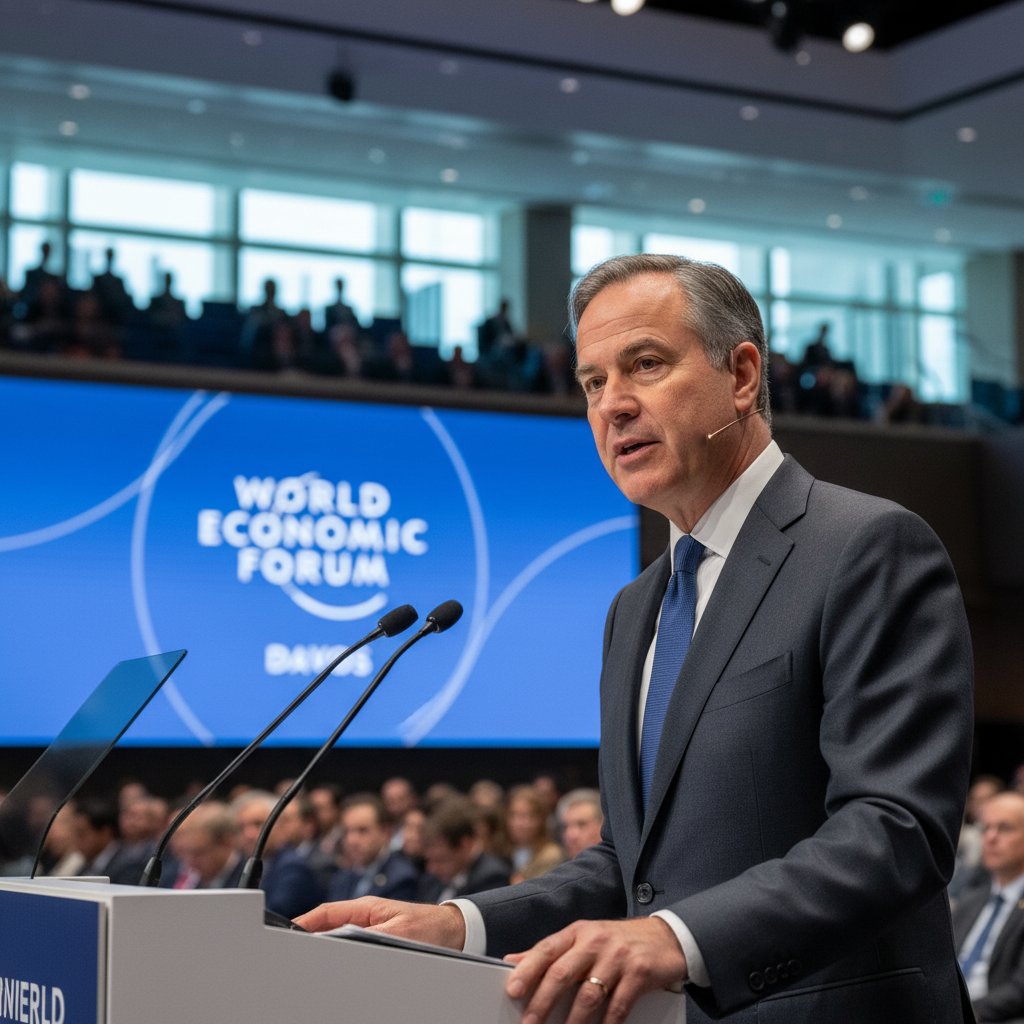
Speaking from the World Economic Forum in Davos, Switzerland, JPMorgan Chase CEO Jamie Dimon issued a stark warning regarding the future of the American financial system. While the veteran banker has historically navigated political waters with a degree of pragmatism, he did not mince words when addressing President Donald Trump’s latest proposal to impose a federal 10% cap on credit card interest rates. Dimon characterized the plan as a looming "economic disaster" that could fundamentally break the mechanics of consumer credit.
The comments, made during a high-stakes question-and-answer session on Wednesday, mark a significant escalation in the tension between Wall Street’s most prominent leader and the White House. While Dimon has previously praised certain aspects of the administration's deregulatory stance and tax policies, he argued that price controls on lending represent a dangerous intervention into free-market operations.
The Case Against Price Controls in Credit
Dimon’s primary concern centers on the relationship between risk and reward in the lending industry. In his address to the global elite gathered in the Swiss Alps, he explained that interest rates are not arbitrarily set but are calibrated to the risk profile of the borrower. By capping these rates at 10%, a figure significantly lower than the current national average for many revolving credit accounts, the government would essentially make it impossible for banks to lend to millions of Americans with lower credit scores.
When the cost of providing credit—including the risk of default and the cost of capital—exceeds the maximum allowable interest rate, financial institutions typically respond by withdrawing the product from the market. Dimon warned that this would lead to a massive contraction in the availability of credit, forcing "subprime" or even "near-prime" borrowers out of the formal banking system and into the hands of unregulated, predatory lenders.

Political Populism vs. Financial Reality
The proposal for a 10% cap is a cornerstone of the administration's populist economic agenda, designed to provide immediate relief to households struggling with high debt burdens. Supporters of the move argue that double-digit interest rates are exploitative and contribute to a cycle of poverty. However, the banking industry views such caps as a blunt instrument that ignores the complexities of modern credit underwriting.
Dimon acknowledged the political appeal of the cap but insisted that the long-term consequences would far outweigh the short-term optics. He suggested that if the policy were enacted, it would not only hurt the banks' bottom lines but would also stall consumer spending, which serves as the primary engine of the United States economy. The ripple effect could lead to a broader slowdown in retail, housing, and small business investment.
Analyzing the Market Reaction
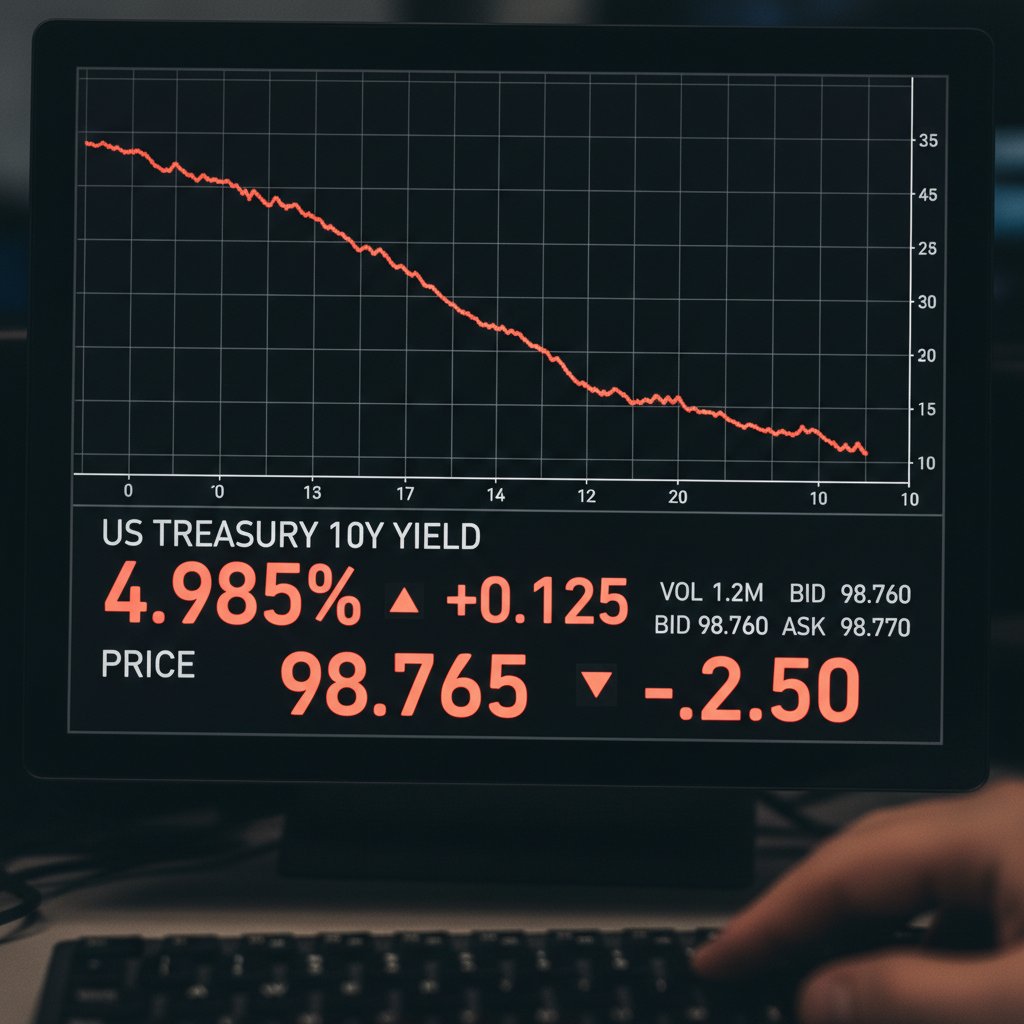
Wall Street has watched the Davos proceedings with a mixture of anxiety and calculation. Following Dimon's remarks, shares in major credit card issuers saw increased volatility as investors weighed the likelihood of the proposal becoming law. Analysts suggest that while the executive branch can signal policy shifts, a federal cap of this magnitude would likely face significant hurdles in Congress and near-certain legal challenges from the financial sector.
Despite these hurdles, the rhetoric alone is enough to shift how banks approach their 2026 lending strategies. Many institutions are already tightening their credit standards in anticipation of tighter margins. Dimon’s "economic disaster" label reflects a growing consensus among financial executives that the era of relatively predictable regulatory environments may be giving way to more volatile, interventionist policies.

The Global Perspective from Davos
The debate over American credit card rates resonated with the international audience at Davos, where many European and Asian leaders are grappling with their own versions of cost-of-living crises. While some nations have successfully implemented interest rate ceilings, few are as low as the 10% proposed by the Trump administration, especially in an environment where central bank base rates remain elevated.
Economists present at the forum noted that the U.S. credit market is uniquely dependent on revolving debt compared to other G7 nations. A sudden disruption to this system would not only be a domestic issue but could also shake global confidence in the dollar-denominated consumer market. Dimon’s intervention is seen by many as an attempt to rally international peer support against what he views as a "reckless" domestic policy.
What Happens Next for Borrowers?
As the debate moves from the Swiss Alps back to Washington D.C., the immediate future for American consumers remains uncertain. If the administration pushes forward with the 10% cap, the first sign of impact will likely be a surge in credit card application rejections. Banks may also begin reducing credit limits for existing customers to mitigate the increased risk profile of their portfolios.
For the average consumer, the "actionable insight" here is one of caution. Financial advisors are suggesting that individuals look to consolidate high-interest debt now, while the credit markets are still functioning under the old rules. Should Dimon’s "disaster" scenario manifest, the window for moving debt or securing new lines of credit could close rapidly.

The standoff between the White House and JPMorgan Chase serves as a reminder of the delicate balance between consumer protection and market efficiency. While the goal of lowering debt costs is a noble political aim, the mechanisms used to achieve it can have unintended, systemic consequences that even the most powerful bankers in the world may not be able to contain.