The second week of 2026 has opened with a decisive shift in market sentiment as Wall Street’s most influential analysts issued a series of high-stakes ratings for the world's largest technology firms. Following Monday’s flurry of research notes from firms including Goldman Sachs, Morgan Stanley, and J.P. Morgan, the Nasdaq Composite showed resilience, driven by a renewed appetite for artificial intelligence infrastructure and a stabilizing outlook for consumer electronics.
The reports, which covered heavyweights such as Nvidia, Apple, Tesla, and Microsoft, serve as a critical barometer for investor expectations in the first half of the year. As the global economy continues to navigate the tail end of inflationary pressures, these analyst "calls" are dictating the flow of institutional capital into the 2026 fiscal year.
The AI Narrative Deepens: Nvidia and Microsoft
Nvidia remains the undisputed focal point of the semiconductor sector. On Monday, analysts at several major houses raised their price targets for the chipmaker, citing the "unprecedented" demand for the new Blackwell-2 architecture. The consensus suggests that despite concerns over supply chain bottlenecks in Southeast Asia, Nvidia’s dominant position in the AI data center market remains unchallenged.
Microsoft also saw a "Buy" reiteration, with analysts highlighting the successful integration of advanced generative agents into the Office 365 ecosystem. The consensus among the big banks is that the "AI monetization phase" is no longer a future projection but a current reality, significantly boosting Microsoft’s cloud revenue margins.

Apple’s Recovery and Tesla’s Margin Tightrope
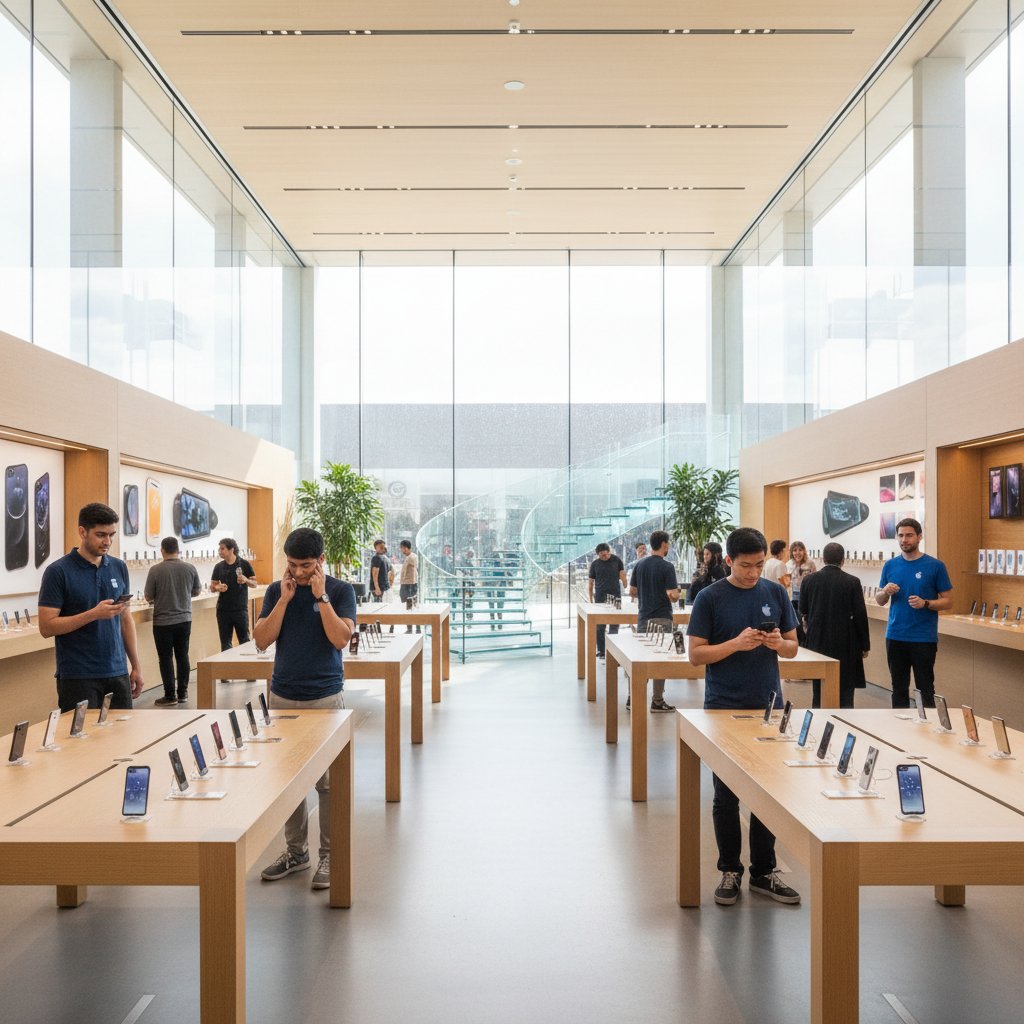
Apple received a notable "Overweight" rating from Barclays, a shift from the more cautious stance seen in late 2025. The optimism is centered on the upcoming "iPhone 17 Pro" cycle, which is rumored to feature the first fully integrated hardware-level AI processing suite. Analysts suggest that the replacement cycle for smartphones is accelerating as consumers seek to leverage localized AI features that require higher RAM and processing power.
In contrast, the outlook for Tesla remains mixed. While some analysts maintained their "Hold" positions, others voiced concerns over shrinking margins as the company continues its aggressive pricing strategy in the European and Chinese markets. The "Tesla call" on Monday highlighted a growing divide on Wall Street between those who view Tesla as a pure-play automotive company and those who value it as an AI and robotics conglomerate.
Streaming and Software: Netflix, Roku, and Zoom
The media and software-as-a-service (SaaS) sectors were not ignored. Netflix received several upgrades following strong viewership data for its holiday slate and its expanding ad-supported tier. Analysts noted that Netflix has successfully "cracked the code" on password-sharing monetization, providing a stable floor for its stock price.
Roku and Zoom, however, faced a more skeptical reception. Zoom’s rating was adjusted downward by some analysts who argue that the company is struggling to find a "second act" beyond its core video conferencing software. Meanwhile, Roku is navigating a complex advertising landscape where big-budget advertisers are shifting spends toward integrated social media platforms.
Understanding the Analyst Call
For the retail investor, these calls can often feel like a deluge of jargon. However, their importance cannot be overstated. An analyst call typically involves a research firm changing its "Rating" (e.g., from Neutral to Buy) or its "Price Target" (what they believe the stock will be worth in 12 months).
Key Terms in This Week's Reports
| Term | Meaning | Impact | | :--- | :--- | :--- | | Overweight | The stock is expected to outperform its industry. | Usually leads to a price increase. | | Price Target | The projected future price of a security. | Sets the benchmark for "value." | | Margin Pressure | When costs rise or prices fall, reducing profit. | Often leads to a "Sell" or "Hold" rating. |
The Broader Market Impact
The cumulative effect of Monday's calls has been a flight to quality. Investors are increasingly moving away from speculative "pre-revenue" tech firms and toward "Cash Flow Kings" like Microsoft and Apple. This "flight to safety" within the tech sector suggests that while the bull market remains intact, the era of "easy money" for startups without a clear path to profitability may be ending.
As the week progresses, traders will be looking toward Friday’s consumer price index (CPI) data to see if the optimistic analyst projections align with the broader macroeconomic reality. For now, the message from Wall Street is clear: Bet on the winners of the AI revolution and the giants with the strongest balance sheets.