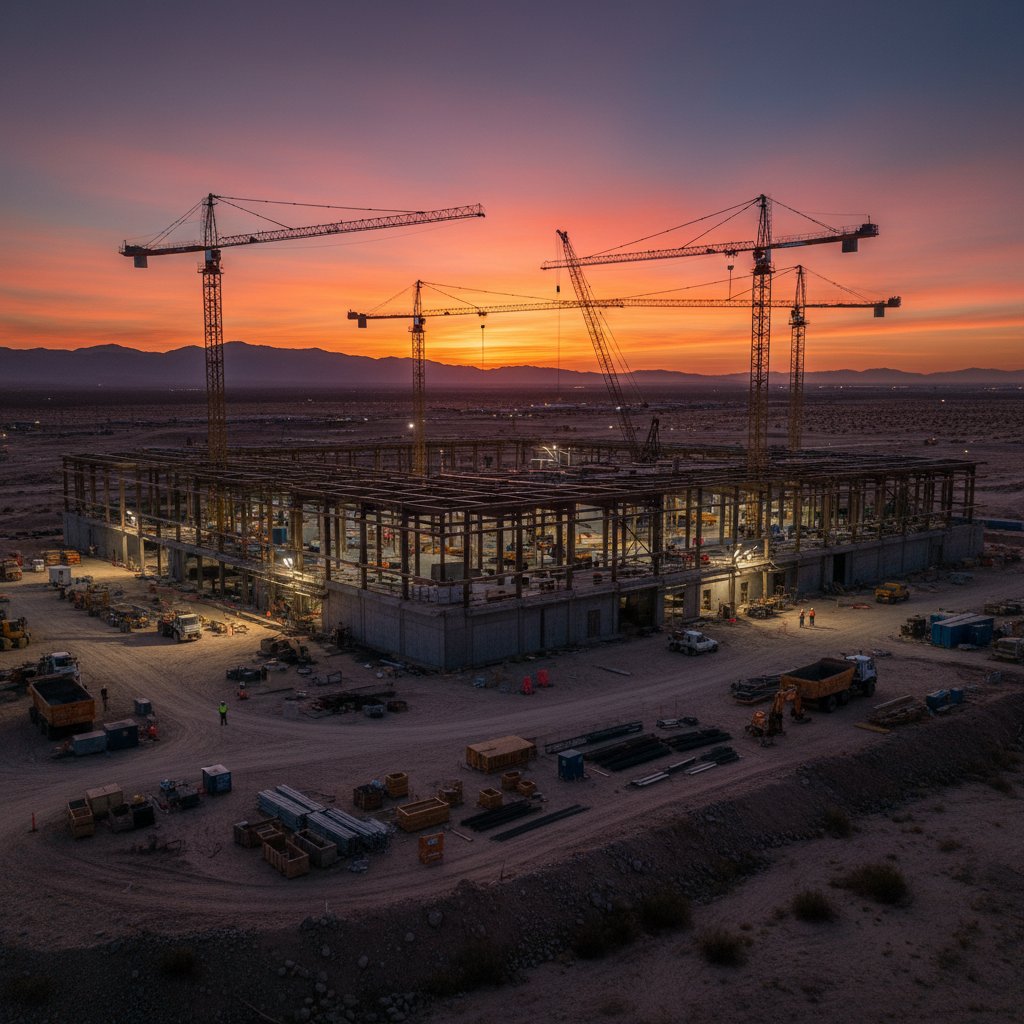
The scale of the artificial intelligence arms race has reached a new, unprecedented financial peak. According to data released this week, the four largest US technology companies—Microsoft, Alphabet, Amazon, and Meta—have collectively forecast capital expenditures that will reach an estimated $650 billion in 2026. This tidal wave of investment is primarily earmarked for the construction of massive data centers and the acquisition of the specialized hardware required to power next-generation generative AI.
This figure represents a significant escalation from previous years, signaling that the industry's leaders see no immediate ceiling for AI demand. The expenditure is not merely a vote of confidence in software capabilities but a massive bet on the physical infrastructure of the 21st century.
The Physicality of the Virtual World
While AI is often discussed in terms of intangible algorithms, the $650 billion spend highlights the grueling physical requirements of the "cloud." The majority of this capital is being channeled into land acquisition, specialized cooling systems, and the latest iteration of high-performance chips.
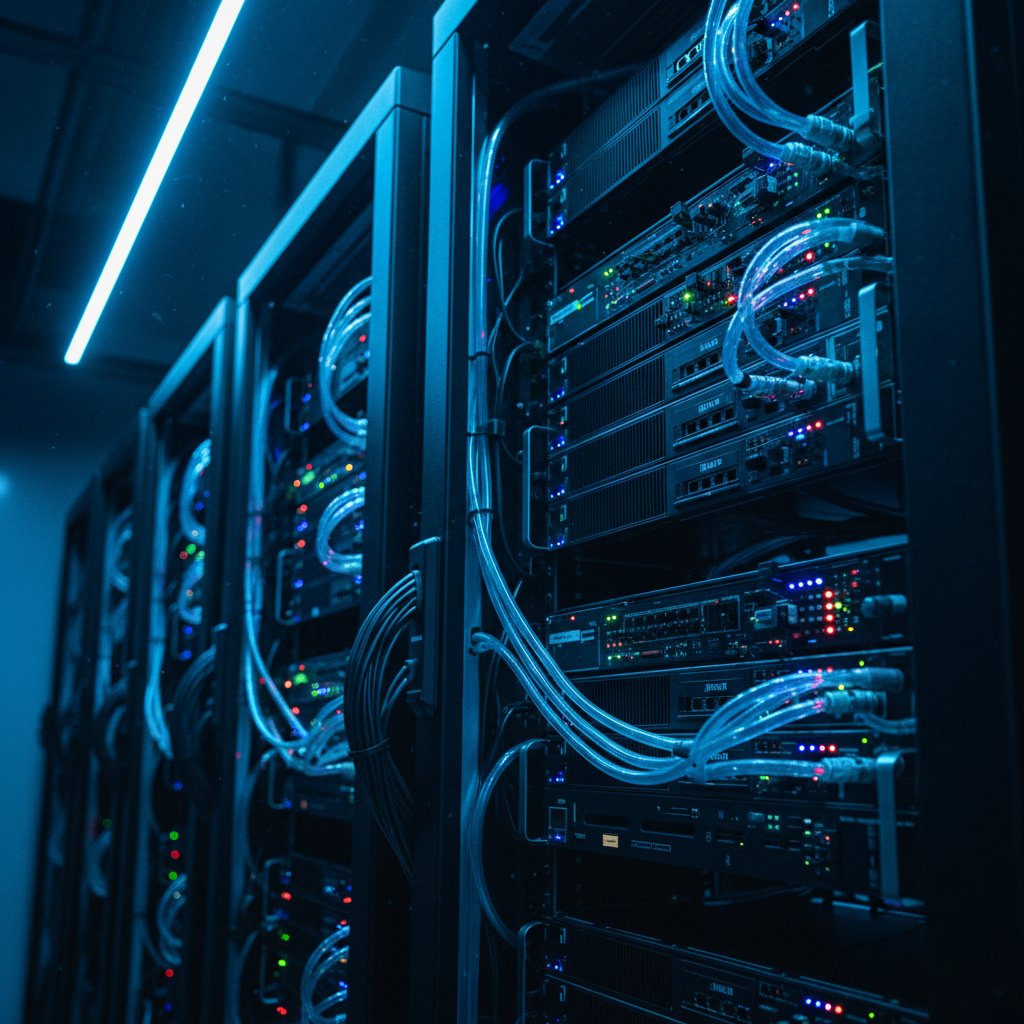
Industry analysts note that the transition from general-purpose computing to AI-centric processing requires a complete architectural overhaul of traditional data centers. Modern facilities now require significantly higher power density and more sophisticated liquid cooling solutions to manage the heat generated by thousands of interconnected GPUs.
The Investor Tightrope
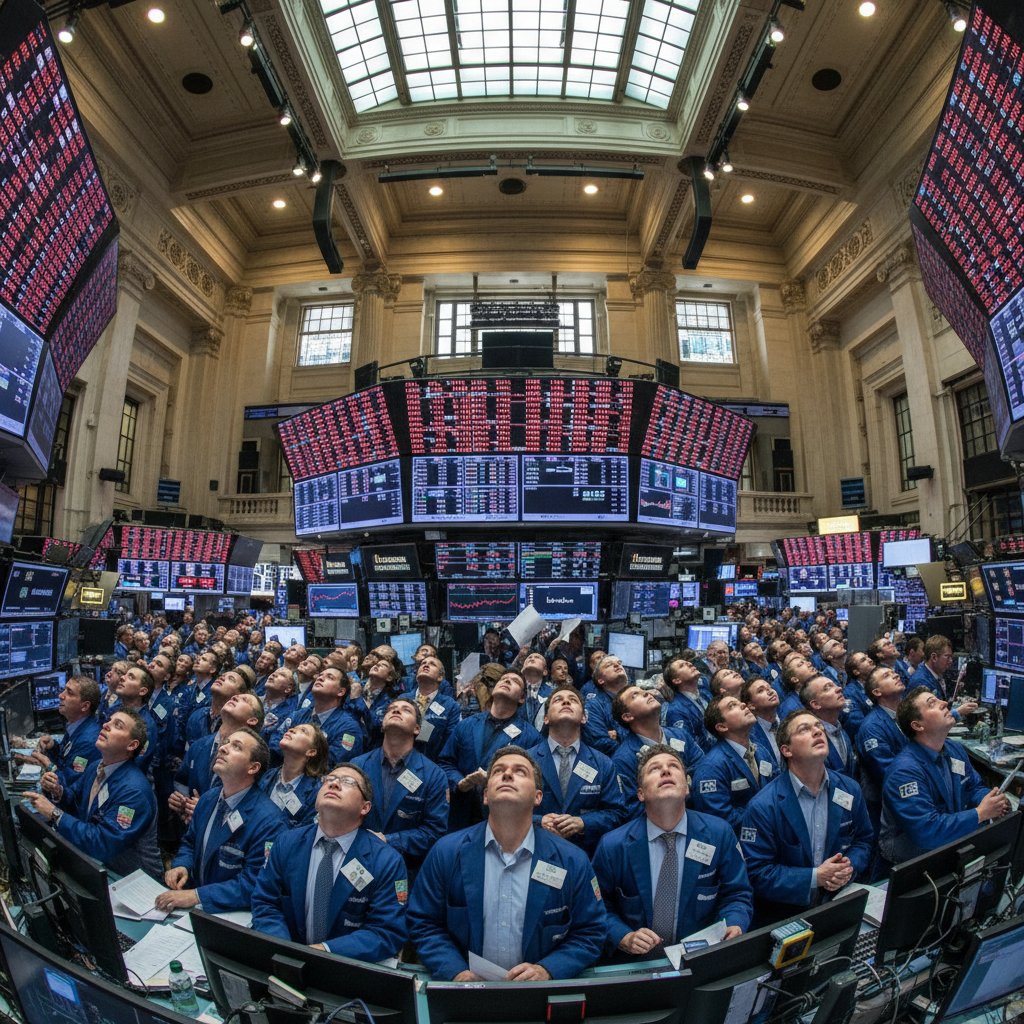
Despite the record-breaking figures, the reaction from Wall Street remains a mix of awe and anxiety. For the past 24 months, investors have questioned when the massive outlays for AI will translate into bottom-line revenue growth that justifies the cost. While cloud service providers have reported double-digit growth, the "return on investment" (ROI) clock is ticking.
Chief Financial Officers at these firms argue that the risk of under-investing far outweighs the risk of over-spending. In recent earnings calls, the consensus among leadership has been clear: missing the foundational phase of the AI era could lead to permanent obsolescence. However, the sheer size of the 2026 forecast—roughly equivalent to the GDP of a mid-sized European nation—has put the sector’s margins under intense scrutiny.
The Global Power Challenge
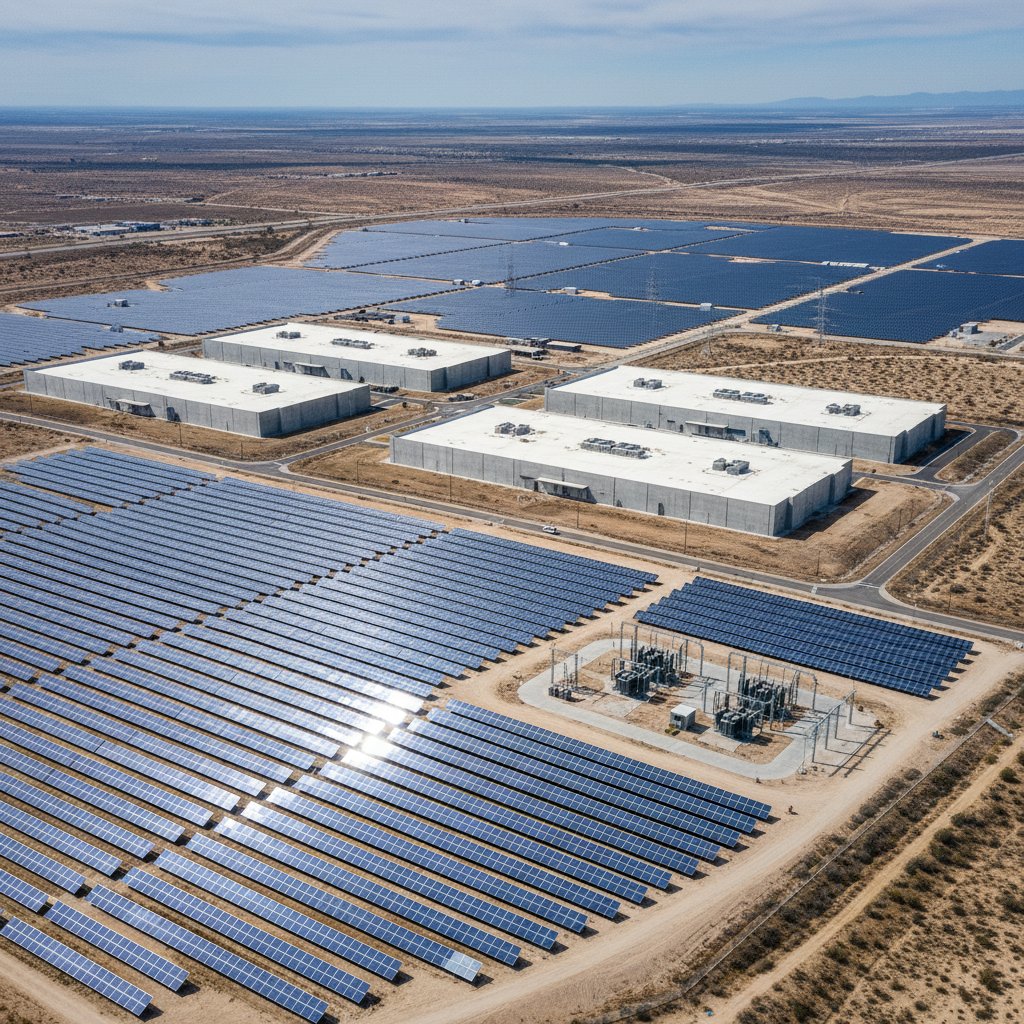
A critical bottleneck in this $650 billion expansion is not just the supply of chips, but the availability of electricity. The forecasted surge in data center capacity is placing immense pressure on national power grids. Many of the planned facilities require several hundred megawatts of power—enough to supply hundreds of thousands of homes.
To mitigate this, tech giants are increasingly becoming major players in the energy sector. We are seeing a trend where these companies are not just buyers of power, but developers of it, investing heavily in modular nuclear reactors (SMRs), geothermal energy, and massive battery storage arrays to ensure their "AI factories" remain operational 24/7 without collapsing local grids.
Comparative Capital Expenditure
The following table illustrates the rapid growth in capital expenditure (CapEx) for the collective "Big Four" over the last three years, based on year-end financial reports and 2026 projections.
| Year | Estimated Total CapEx (USD) | Year-over-Year Increase |
|---|---|---|
| 2024 | $210 Billion | +25% |
| 2025 | $480 Billion | +128% |
| 2026 (Projected) | $650 Billion | +35% |
Sovereign AI and the Hardware Shift
A secondary driver for this spending is the rise of "Sovereign AI." Governments around the world are increasingly mandating that data generated within their borders stay within those borders, requiring tech companies to build localized infrastructure in dozens of new jurisdictions.
Furthermore, there is a shifting reliance on custom-designed silicon. While Nvidia remains a dominant supplier, Alphabet, Amazon, and Microsoft are funneling billions into their own proprietary chips (TPUs and custom ARM-based processors). This vertical integration is intended to reduce long-term costs and optimize performance specifically for their unique AI models, even if it adds to the upfront capital burden today.

A Precarious Path Forward
As 2026 approaches, the technology sector finds itself in a period of "hyper-scaling." The $650 billion commitment is a clear indicator that the industry believes the AI revolution is only in its nascent stages. However, the path is fraught with challenges, ranging from environmental impact and regulatory hurdles to the simple economic reality of maintaining such high levels of spending.
Whether this investment will lead to a new era of global productivity or result in a period of painful consolidation will depend on how effectively these companies can turn raw compute power into indispensable consumer and enterprise tools. For now, the "tide of cash" continues to rise, reshaping the global industrial landscape in its wake.