The Dow Jones Industrial Average slipped on Wednesday and remained under pressure through late week as the initial euphoria surrounding a resilient labor market gave way to sobering concerns about the future of monetary policy. Despite a stronger-than-anticipated January jobs report, which showed the U.S. economy added 130,000 positions, the blue-chip index fell 109 points, or 0.2%, signaling a shift in investor sentiment from growth optimism to inflation caution.
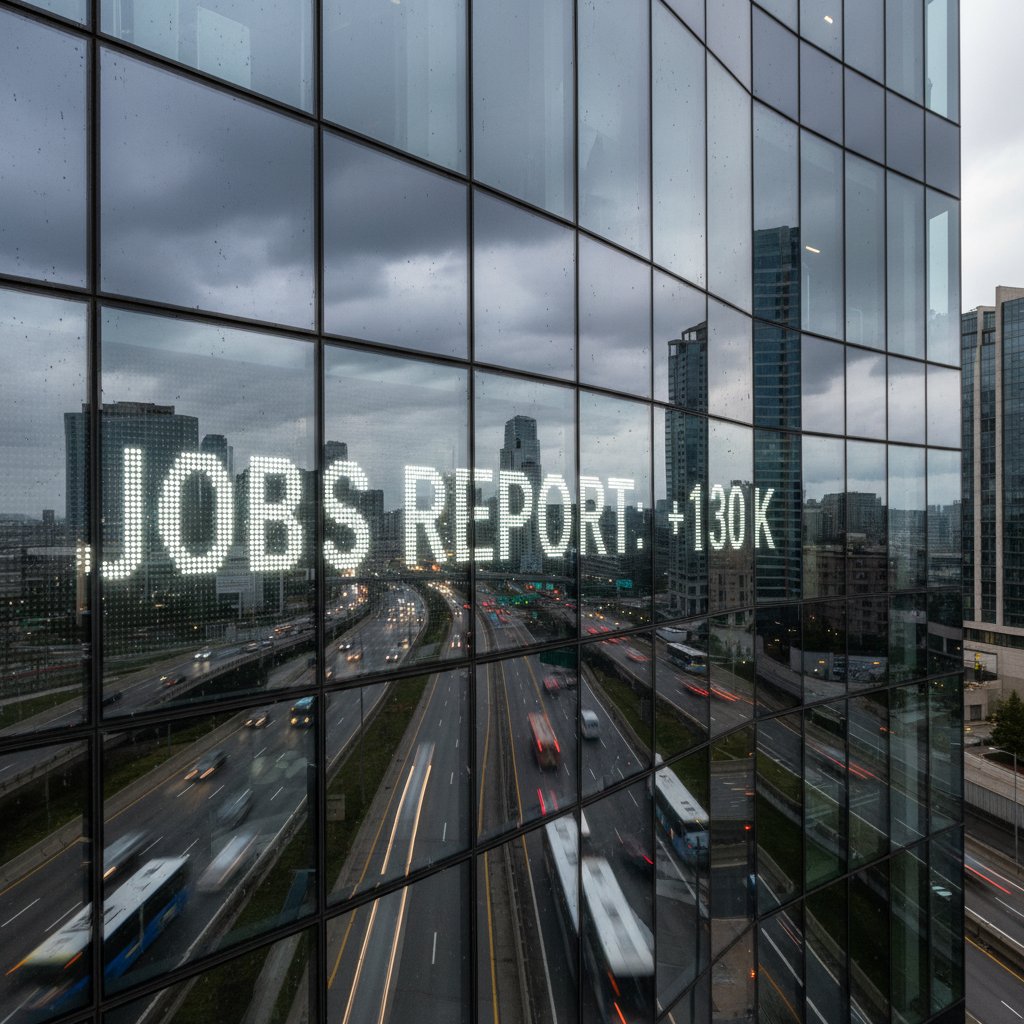
The delayed release of the Bureau of Labor Statistics (BLS) data, which had been held back due to a comprehensive "data integrity review" and seasonal adjustment recalibrations, was expected to provide a clear roadmap for the first quarter of 2026. Instead, it has complicated the narrative for the Federal Reserve. While the 130,000-job gain comfortably beat consensus estimates of 105,000, the underlying strength suggests that the labor market is not cooling fast enough to justify the aggressive interest rate cuts the market had previously priced in for the spring.
The Paradox of Economic Strength
For much of the past year, Wall Street has operated under a "good news is bad news" framework. When economic data comes in too strong, it suggests that the Federal Reserve’s efforts to dampen demand and curb inflation are not yet complete. This week's payroll data served as a stark reminder that the "last mile" of inflation control remains the most difficult to traverse.
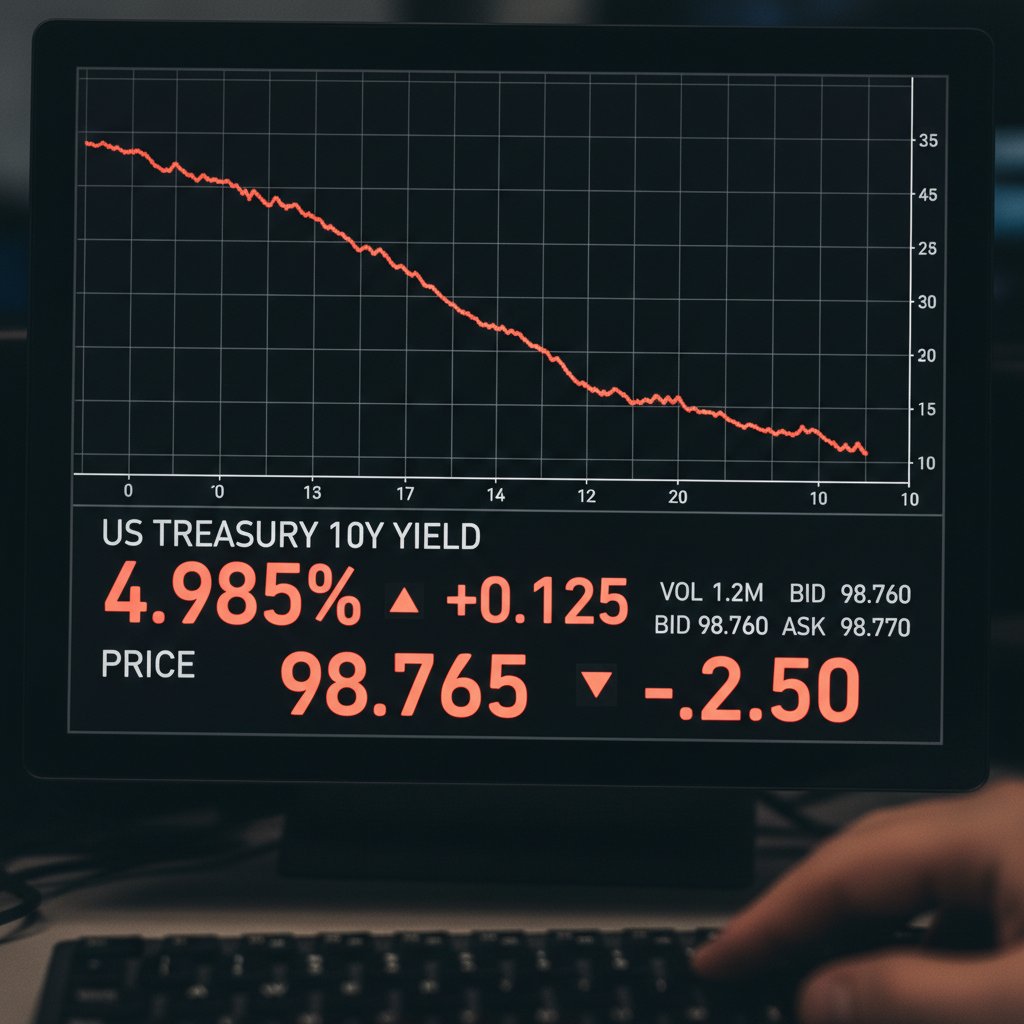
Following the report, the 10-year Treasury yield—a key benchmark for mortgage rates and corporate borrowing—ticked higher, hovering near 4.25%. This move reflects a growing consensus among traders that the Federal Reserve will likely maintain its current target range for the federal funds rate well into the summer. The cooling of investor enthusiasm was particularly evident in rate-sensitive sectors, including utilities and real estate, which led the decline alongside the Dow’s industrial components.
Analyzing the Delayed January Figures
The delay in this year's January report added a layer of volatility to the market reaction. Analysts from major brokerage firms noted that the three-week postponement created a vacuum of information, leading to heightened speculation. When the figures were finally released on Wednesday, the immediate "relief rally" was short-lived, as analysts began dissecting the wage growth components of the report.
Average hourly earnings rose 0.3% on the month, an annual pace that remains slightly above the Fed’s comfort zone. While the unemployment rate held steady at 3.9%, the participation rate showed a marginal decline, suggesting that while jobs are being added, the pool of available labor is not expanding at a commensurate rate. This imbalance typically exerts upward pressure on wages, which in turn can feed into broader consumer price inflation.
"The labor market is proving to be remarkably durable, even in the face of the highest borrowing costs we have seen in two decades," said Marcus Thorne, a senior market strategist at Global Capital Insights. "However, for the equity markets, this durability is a double-edged sword. It prevents a recession, but it also locks the Fed into a restrictive stance that caps the upside for stock valuations."
Divergent Performance Across Indices
While the Dow Jones Industrial Average struggled, the broader S&P 500 and the tech-heavy Nasdaq Composite showed relative resilience, though they also ended the midweek session in the red. Large-cap technology stocks have benefited from a separate narrative driven by advancements in generative artificial intelligence, which investors believe can drive productivity gains regardless of the interest rate environment.
However, the "Blue Chip" companies that comprise the Dow are often more sensitive to the immediate costs of capital and the health of the traditional consumer. Manufacturing and logistics firms within the index saw the sharpest pullbacks, as higher rates continue to squeeze margins and dampen capital expenditure plans.

The Path Forward: Eyes on CPI
As the dust settles on the jobs data, the focus of the global news desk and financial markets at large shifts to next week’s Consumer Price Index (CPI) release. The labor data has set the stage; if the CPI figures also come in "hot," it could confirm the market's fears of a prolonged pause in rate adjustments.
Investors are now recalibrating their portfolios to account for a "higher-for-longer" reality. For the Dow to regain its footing and push toward new record highs, it will likely require evidence that inflation is continuing its downward trajectory without the need for a significant spike in unemployment. Until then, the market appears trapped in a range-bound struggle between solid economic fundamentals and the restrictive policy required to manage them.