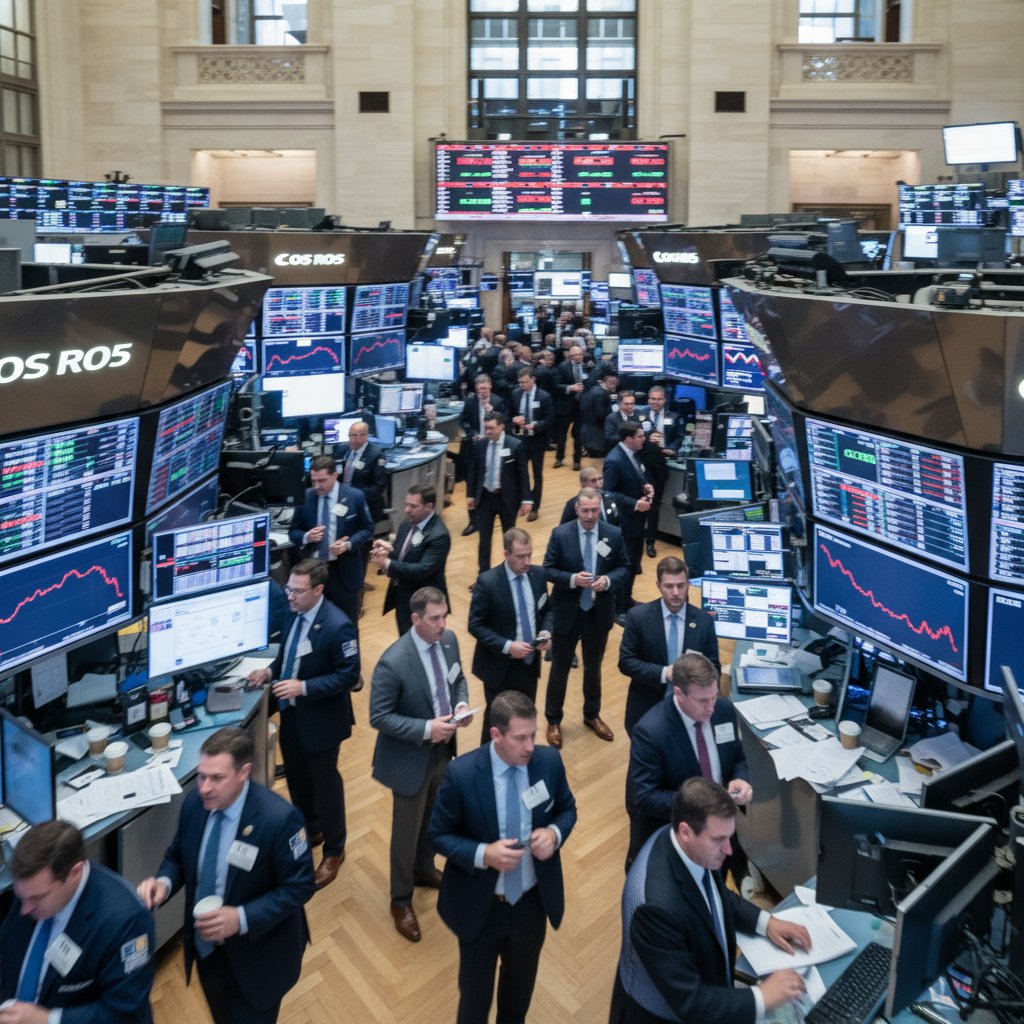
Global financial markets remain in a state of high tension this Wednesday as the dust begins to settle from a tumultuous start to the trading week. The Dow Jones Industrial Average's 700-point slide on Monday has sent shockwaves through international exchanges, leaving investors to weigh the long-term implications of President Donald Trump’s latest global tariff hike.
The sell-off, which intensified during Monday’s session, represents one of the most significant single-day retreats in recent months. Analysts point to a "perfect storm" of geopolitical friction and technological uncertainty as the primary drivers of the current market anxiety.
The Return of the Trade War
The primary catalyst for the market downturn was the executive decision to raise tariffs on a broad range of global imports. This move comes after a brief period of legal reprieve; only last week, the Supreme Court had struck down a previous iteration of the administration’s trade policy. However, the President’s swift move to implement a revised, more aggressive tariff structure took many by surprise.
The new measures target a wide array of goods, from industrial metals to consumer electronics. Economists warn that these hurdles could reignite inflationary pressures that the Federal Reserve has spent the last year attempting to cool.
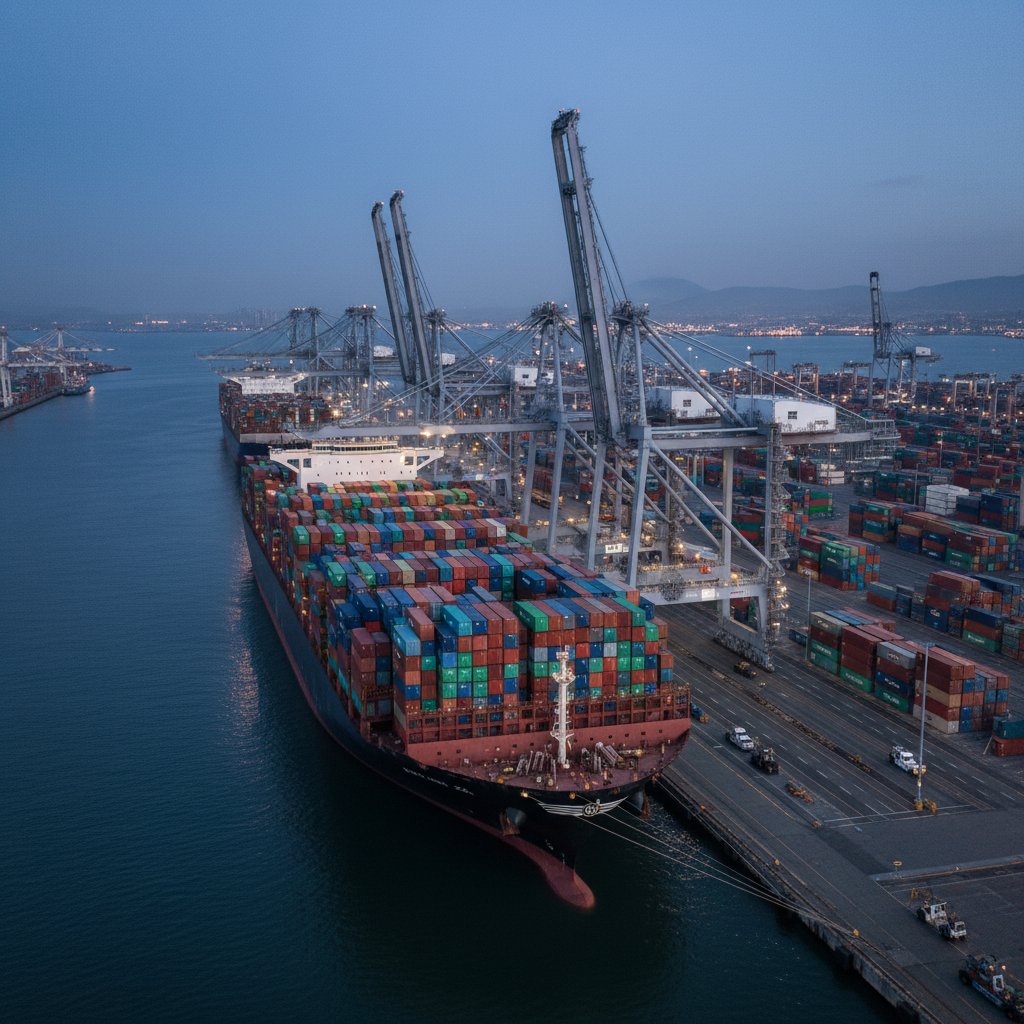
"Markets hate uncertainty, and right now, the trade landscape is the definition of uncertain," said Sarah Jenkins, Chief Market Strategist at Vanguard Global. "The swiftness of the policy pivot, especially following a judicial setback, suggests a high level of executive resolve that suggests this trade friction won't be resolved in the short term."
AI Sector Under Pressure
While trade policy dominated the headlines, the technology sector—specifically artificial intelligence—faced its own set of challenges. The tech-heavy Nasdaq Composite tracked closely with the Dow’s decline as investors re-evaluated the growth trajectories of major AI players.
Concerns are mounting regarding potential disruptions to the global semiconductor supply chain. With new tariffs affecting the movement of high-end hardware and components, the "AI gold rush" is facing its first major logistical and financial hurdle. Major hardware manufacturers saw their stock prices dip as analysts adjusted earnings forecasts to account for increased production costs.
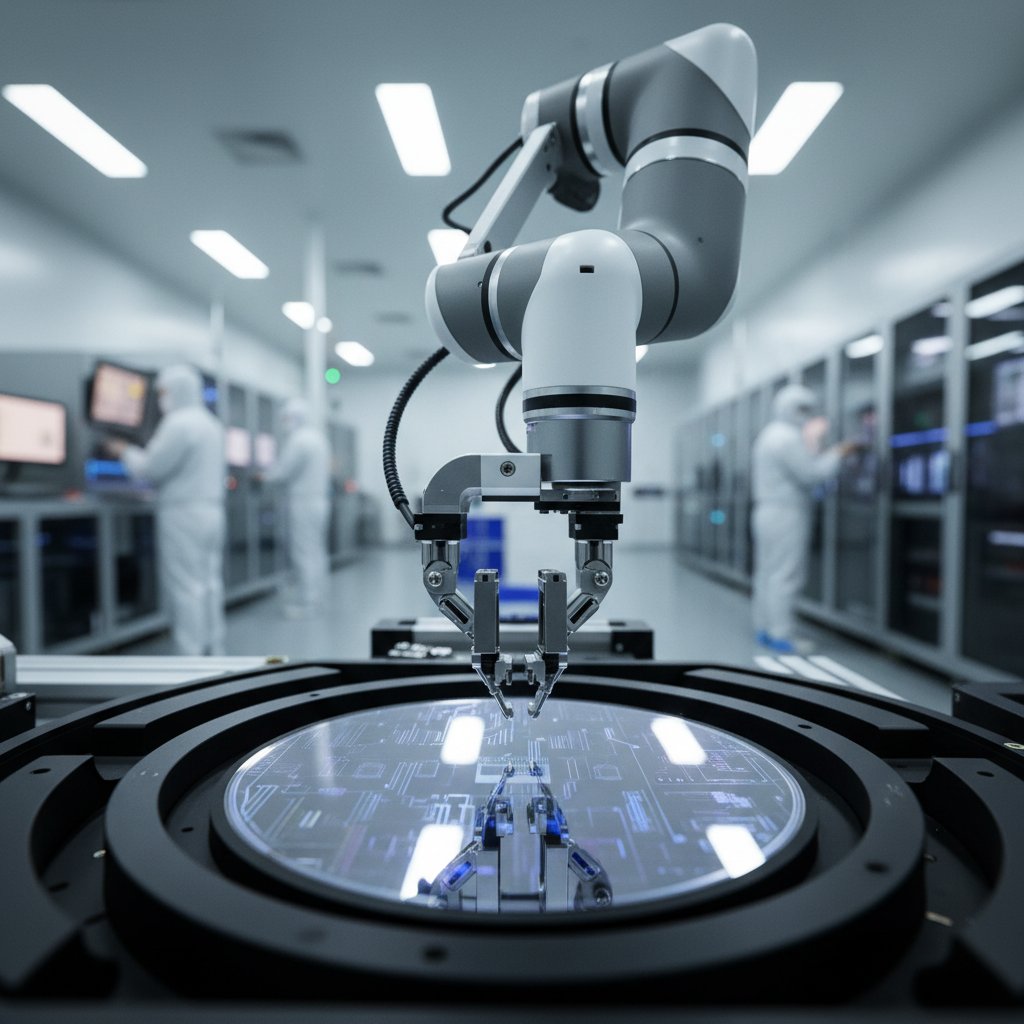
Industry experts suggest that the AI sector is particularly vulnerable to trade disruptions due to its reliance on a deeply integrated international manufacturing web. "You cannot build the next generation of LLMs (Large Language Models) in a vacuum," noted Dr. Aris Thorne, a tech analyst at the Brookings Institution. "If the components are stuck behind a tariff wall, the pace of innovation—and the revenue associated with it—will inevitably slow down."
Global Economic Ripple Effects
The impact of the U.S. sell-off was felt immediately across the Atlantic and Pacific. In Tokyo, the Nikkei 225 closed down 2.4%, while European markets, including the FTSE 100 and the DAX, opened in the red on Tuesday morning.
International leaders have expressed concern over the potential for a tit-for-tat escalation. The European Union and China have both hinted at retaliatory measures, raising the specter of a full-scale global trade war.
Key Market Indicators (Feb 23-25)
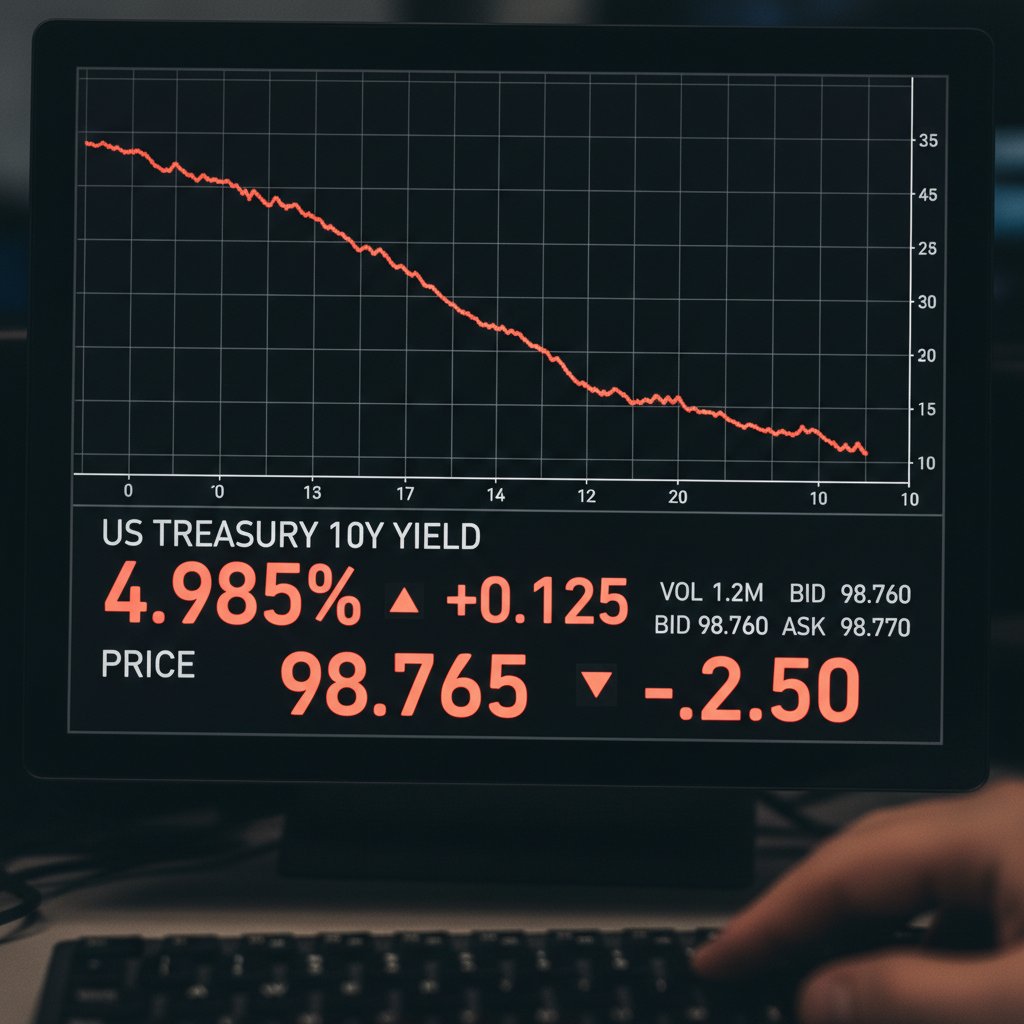
| Index | Monday Close | Change | Trend | | :--- | :--- | :--- | :--- | | Dow Jones | 38,420 | -712.50 | Bearish | | S&P 500 | 5,120 | -92.10 | Volatile | | Nasdaq | 16,100 | -345.00 | Bearish | | 10-Year Treasury | 4.25% | +0.12 | Rising |
Investor Sentiment and the Week Ahead
As of Wednesday morning, trading remains cautious. While some "dip-buyers" have entered the market, looking for value in the oversold tech and industrial sectors, the prevailing mood is one of defensive positioning.
Gold prices have seen a marginal uptick as investors seek traditional safe-haven assets. Meanwhile, the Federal Reserve has remained silent, though market participants are scanning every public appearance by regional Fed presidents for clues on how the central bank might react to the potential inflationary impact of the tariffs.
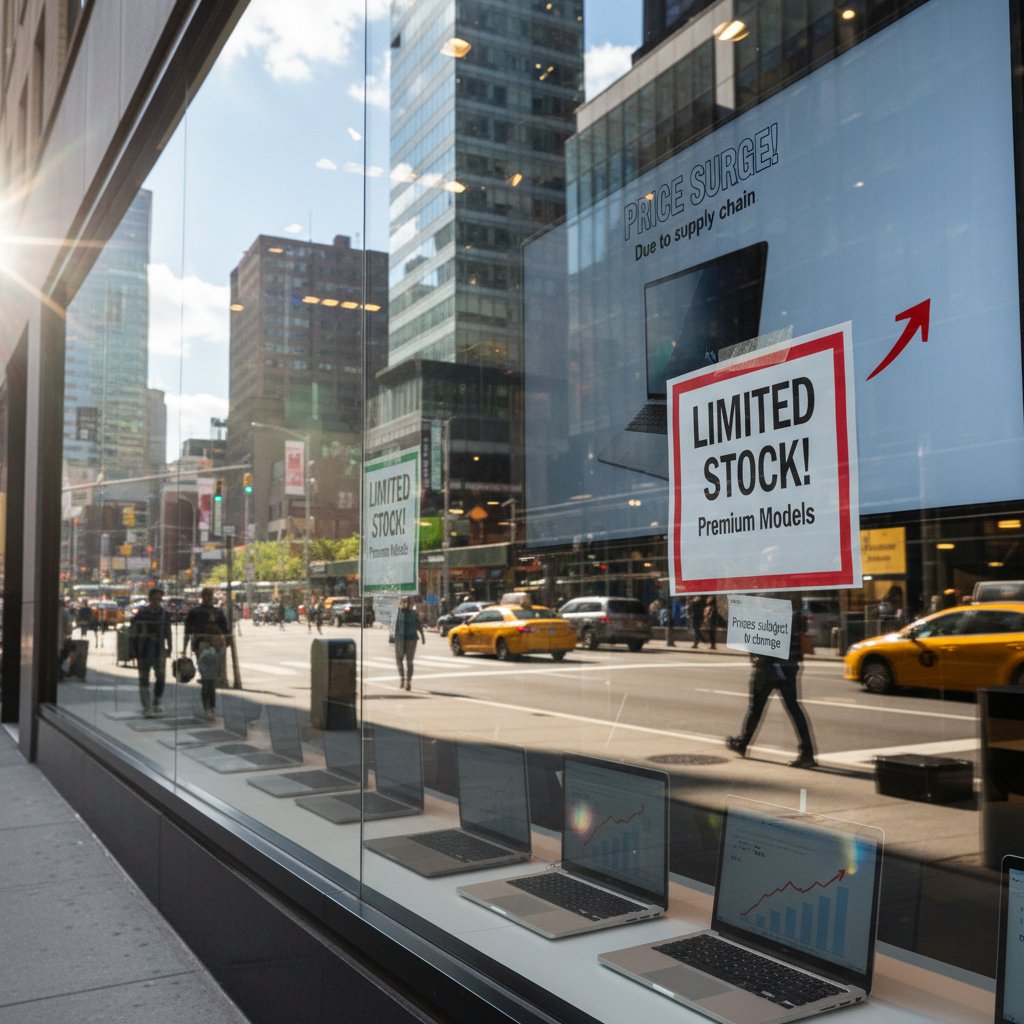
For the average investor, the current climate suggests a need for diversification. Financial advisors are increasingly recommending a shift toward defensive stocks—such as utilities and consumer staples—which tend to be less sensitive to the immediate shocks of trade policy shifts compared to the high-growth tech and manufacturing sectors.
The coming days will be critical as more corporate earnings reports are released, providing a clearer picture of how much these trade barriers are already impacting the bottom line of America’s largest companies. Until a clearer path forward is established between the White House and its global trading partners, volatility appears to be the new market standard.