Global equity markets staged a remarkable late-session comeback on Tuesday as investors reacted to new security guarantees regarding maritime trade in the Middle East. After starting the day in a deep sell-off fueled by escalating U.S.-Iran tensions, the major indices pared their losses significantly following a decisive statement from the White House regarding the safety of shipping lanes in the Persian Gulf.
The volatile session underscored the sensitivity of global finance to geopolitical instability. Early trading was dominated by fears that a prolonged conflict could disrupt the flow of crude oil through the Strait of Hormuz, a vital chokepoint for roughly a fifth of the world’s oil consumption. However, the mood on Wall Street shifted as President Donald Trump signaled that the U.S. military would take an active role in "securing the freedom of navigation" for commercial vessels, effectively lowering the immediate risk premium that had sent oil prices skyrocketing hours earlier.
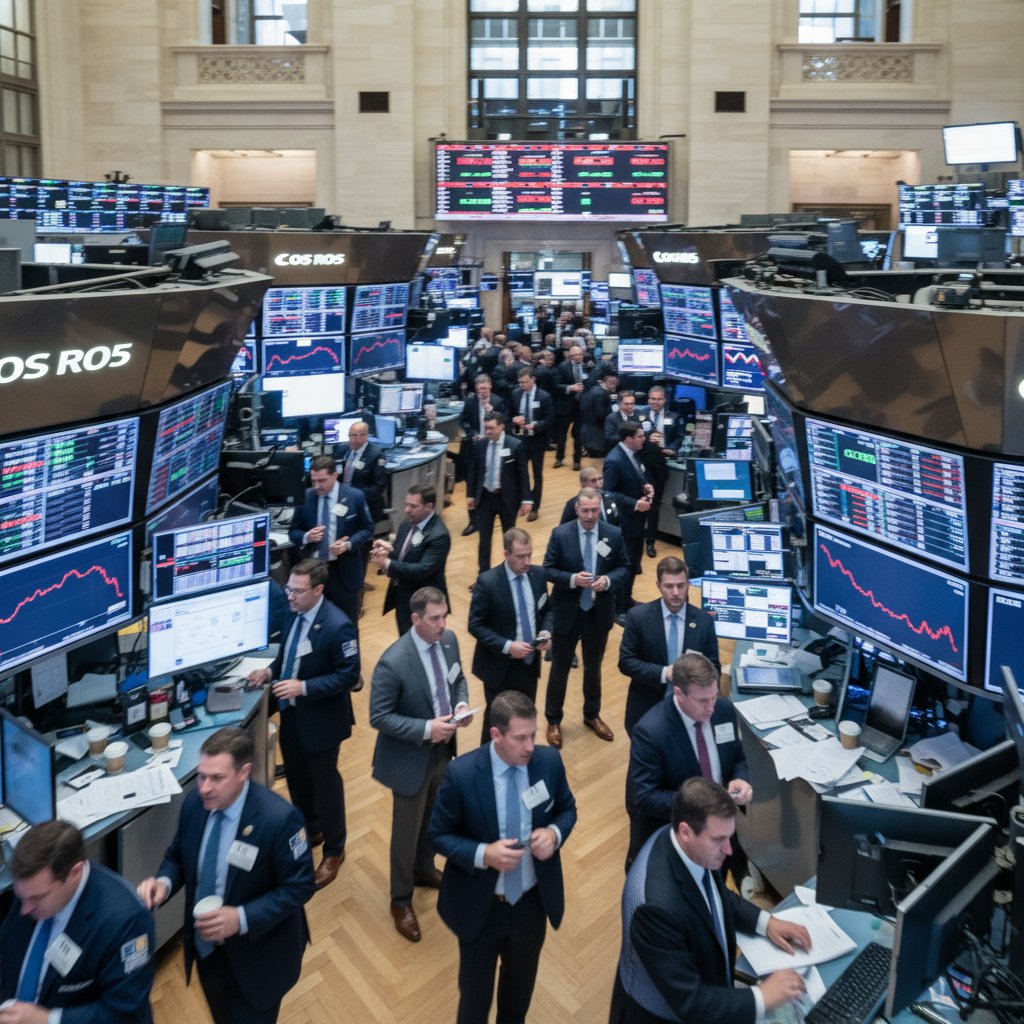
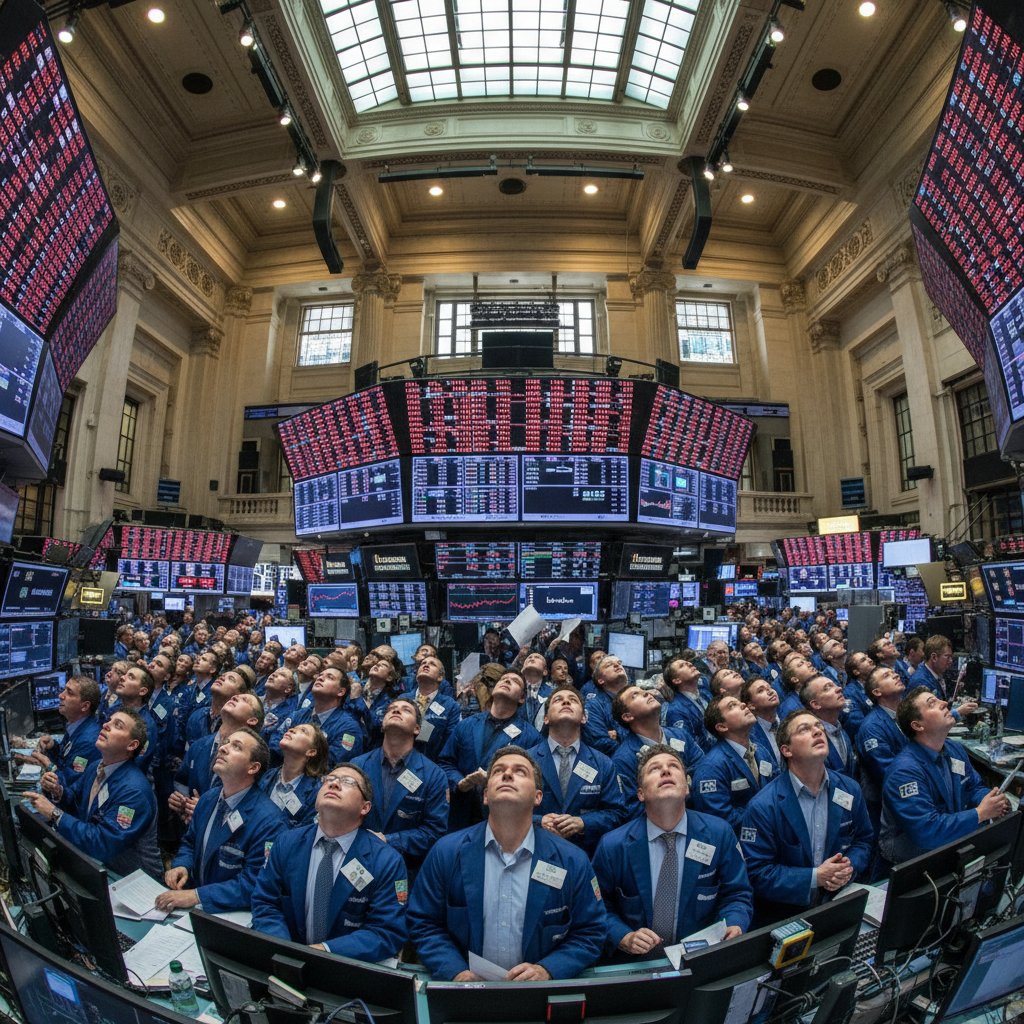
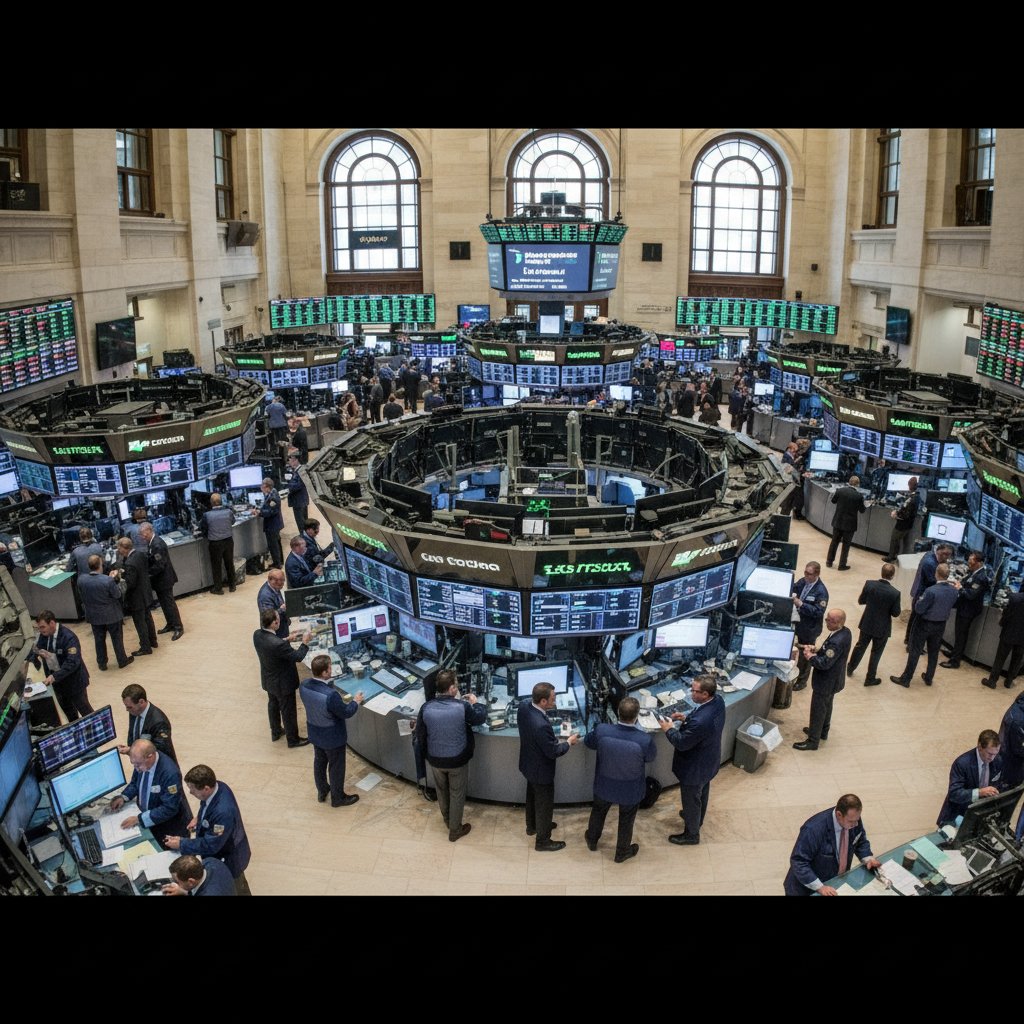
A Turnaround on the Trading Floor
The Dow Jones Industrial Average, which at its nadir had plummeted more than 500 points, finished the session down only marginally. Similarly, the S&P 500 and the tech-heavy Nasdaq Composite clawed back the majority of their intraday losses. The recovery began in earnest mid-afternoon when reports surfaced that the administration was coordinating with regional allies to establish a "security corridor" for tankers.
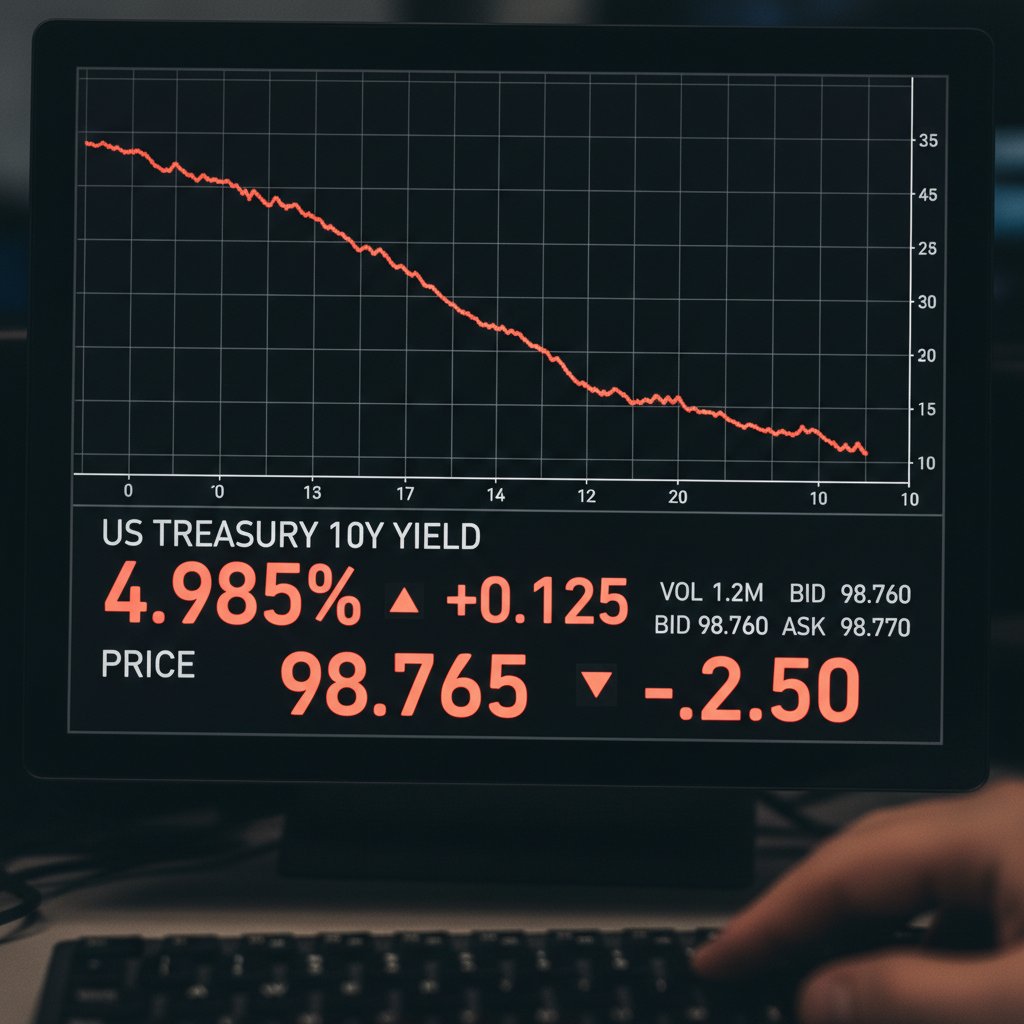
Market participants had spent the morning bracing for a cycle of retaliation following recent military exchanges between U.S. forces and Iranian-backed groups. The uncertainty had initially triggered a flight to safety, with gold prices rising and Treasury yields dipping as investors sought cover.

Strategic Assurances and Energy Markets
The most immediate impact of the policy announcement was felt in the energy sector. West Texas Intermediate (WTI) crude, which had threatened to breach the $90-per-barrel mark during the height of the morning's panic, retreated sharply to settle near $82. Brent crude followed a similar trajectory, cooling off as the threat of an immediate supply blockade appeared to recede.
Energy analysts suggest that the President’s comments acted as a "circuit breaker" for market hysteria. By explicitly stating that the U.S. would ensure the safety of Gulf shipping, the administration addressed the primary mechanism through which a localized Middle Eastern conflict could trigger a global recession: the weaponization of energy supplies.
While the rhetoric from Washington was firm, it was also perceived by some analysts as an attempt to de-escalate the economic fallout without necessarily backing down from the broader political confrontation with Tehran. The emphasis on "shipping safety" provided a pragmatic focal point that both domestic and international markets could rally around.

Geopolitical Friction Remains a Headwind
Despite the market's recovery, many geopolitical strategists warn that the underlying causes of the U.S.-Iran friction remain unresolved. The "relief rally" seen on Tuesday may be a temporary reprieve rather than a permanent return to stability. Traders are still weighing the possibility of asymmetrical responses from Tehran, including cyberattacks or localized proxy movements that do not directly involve maritime blockades but still pose risks to regional corporate interests.
According to reports from the Department of Defense, several Navy strike groups have been repositioned to support the new maritime safety mission. While this move reassured energy markets, it also increases the "surface area" for potential naval friction.
"The market is essentially betting that neither side wants a full-scale regional war that collapses the global economy," said Sarah Jenkins, a senior commodities strategist. "By guaranteeing the shipping lanes, the U.S. has removed the most immediate 'doomsday' scenario from the board, but the volatility isn't going away. We are in a regime where headlines can swing portfolios by three percent in either direction within an hour."
Investor Outlook and Defensive Positioning
For retail and institutional investors alike, the current environment demands a cautious approach. Financial advisors are increasingly pointing toward diversified portfolios that can withstand sudden spikes in volatility. While the technology and consumer discretionary sectors led the late-day recovery on Tuesday, defensive sectors such as healthcare and utilities remain attractive to those wary of further geopolitical flare-ups.
As the week progresses, market focus is expected to shift toward official government data on oil inventories and further diplomatic statements from European mediators attempting to cool tensions. For now, the "Hormuz Hedge"—the practice of buying oil futures as insurance against conflict—has been tempered, but not entirely dismantled.
The resilience of the U.S. economy remains a key factor in the market's ability to absorb these shocks. With unemployment remaining low and consumer spending holding steady, the structural bull market appears intact, provided that the geopolitical situation remains contained within the bounds of the "safety corridor" established this week.