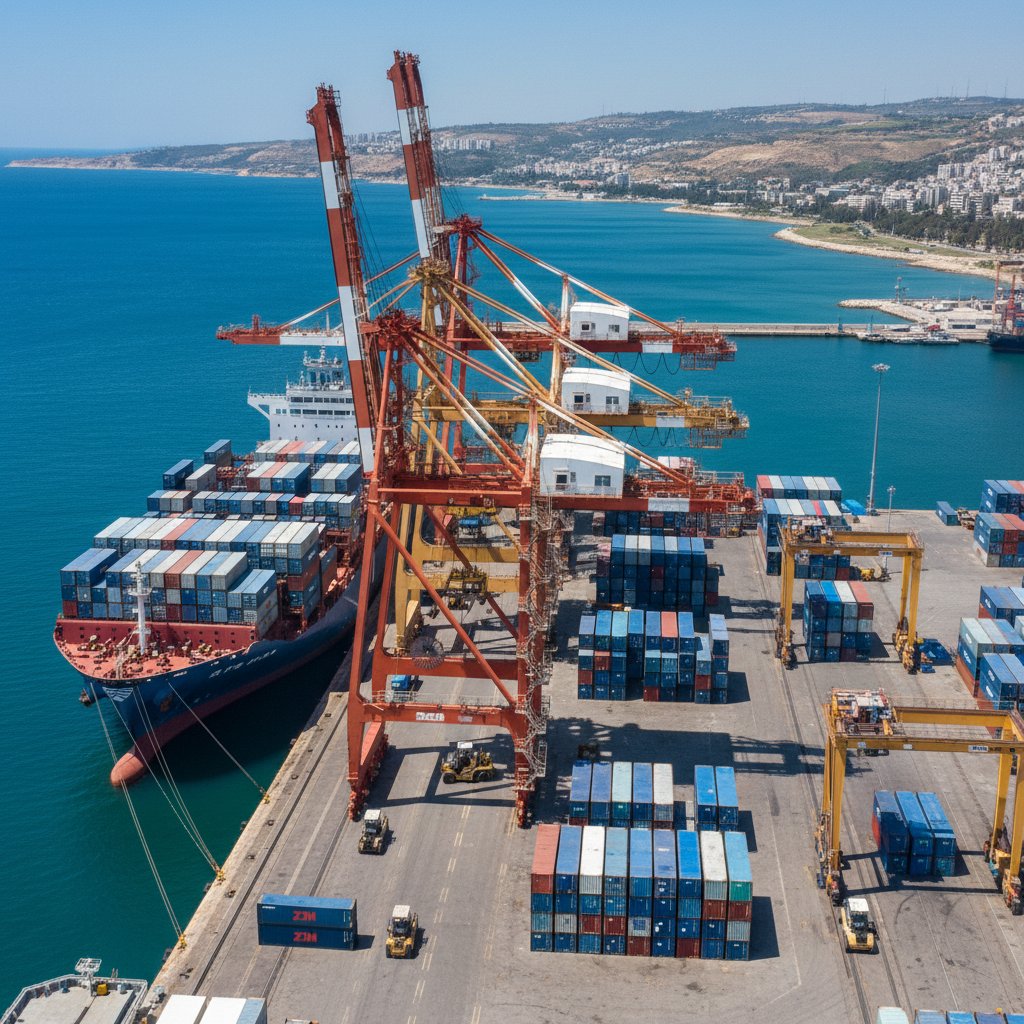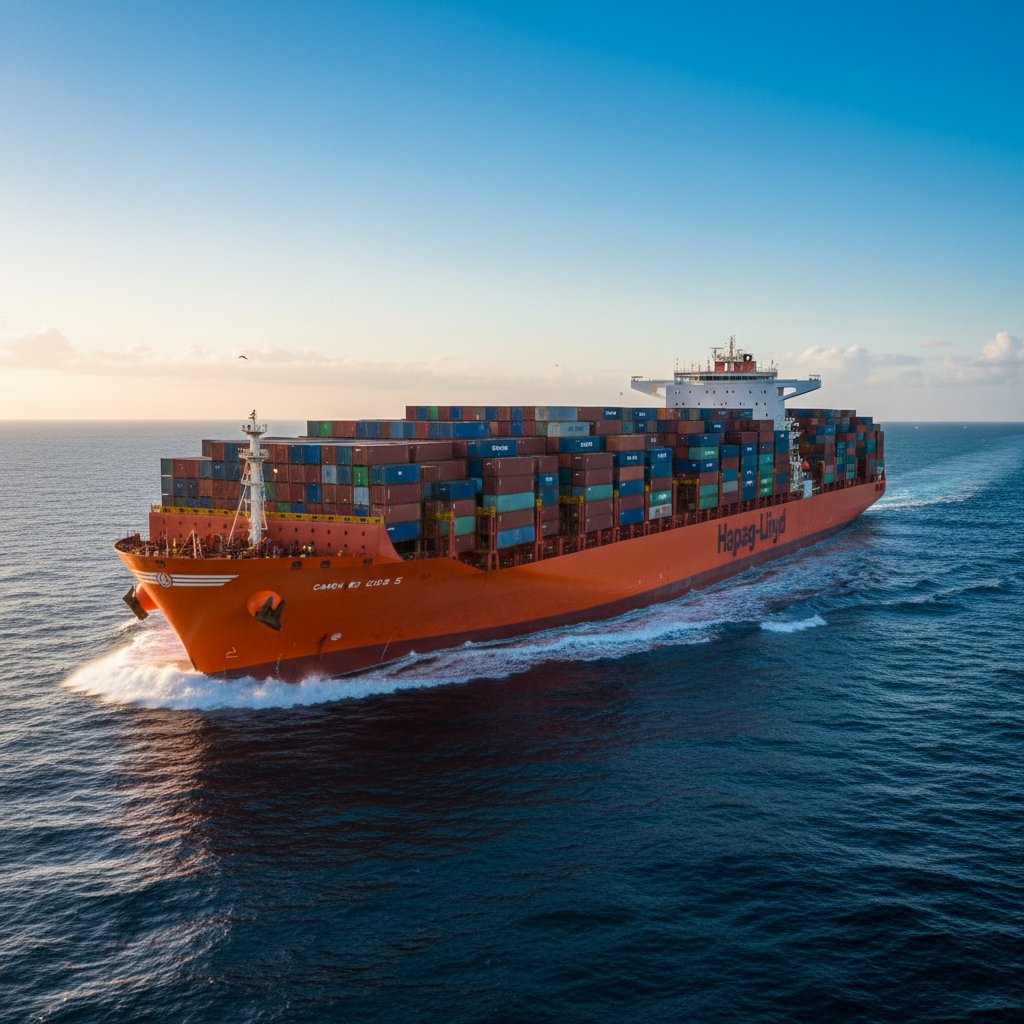
In a move that signals a significant restructuring of the global maritime industry, German shipping giant Hapag-Lloyd AG has reached a definitive agreement to acquire the Israeli carrier Zim Integrated Shipping Services Ltd. for $4.2 billion. The deal, announced late Monday, represents one of the most substantial consolidations in the container shipping sector since the post-pandemic market recalibration.
The acquisition comes at a volatile time for global trade, as carriers grapple with fluctuating demand, geopolitical tensions in the Red Sea, and the transition toward greener fuels. By absorbing Zim, Hapag-Lloyd—currently the world’s fifth-largest container line—aims to significantly bolster its market share and enhance its service offerings across Transatlantic and Mediterranean routes.
A Strategic Alignment for the Gemini Era
The timing of the acquisition is particularly noteworthy. It follows the recent launch of the "Gemini Cooperation," a long-term operational collaboration between Hapag-Lloyd and Maersk that began in early 2025. Industry analysts suggest that the integration of Zim’s fleet and digital infrastructure will provide Hapag-Lloyd with the additional scale required to compete more aggressively with the top three industry titans: MSC, Maersk, and CMA CGM.
Zim, headquartered in Haifa, has long been recognized for its "asset-light" model and its aggressive push into digital logistics. For Hapag-Lloyd, the deal is not just about expanding its fleet of vessels, but also about capturing Zim’s specialized niche in the refrigerated cargo market and its established presence in the Israeli and Middle Eastern trade lanes.

Market Reaction and Financial Terms
Under the terms of the agreement, Hapag-Lloyd will pay $4.2 billion in a combination of cash and debt assumption. The valuation reflects a premium over Zim’s recent trading price, acknowledging the company's strong performance during the supply chain disruptions of the mid-2020s.
The board of directors for both companies have reportedly approved the transaction. However, the deal remains subject to regulatory approvals in several jurisdictions, including the European Union and the United States. Given the strategic nature of the shipping industry, antitrust regulators are expected to scrutinize the deal to ensure that the reduction in competition does not lead to unfair pricing for global freight forwarders.
Geopolitical and Operational Implications
The merger carries significant geopolitical weight. The partnership between a historic German industrial firm and a flagship Israeli enterprise underscores a deepening of economic ties between the two nations. For Zim, which has faced operational hurdles due to regional instability, the backing of a global powerhouse like Hapag-Lloyd provides a more stable financial and operational foundation.
From an operational standpoint, the integration will be complex. Hapag-Lloyd CEO Rolf Habben Jansen stated in a press briefing that the company intends to maintain "significant operations" in Haifa, emphasizing that Zim’s local expertise is a core asset of the acquisition. The combined entity is expected to operate a fleet of over 300 vessels, with a total capacity exceeding 2.5 million TEUs (twenty-foot equivalent units).

Impact on Global Supply Chains
For retailers and manufacturers, the consolidation of two major players creates a mixed outlook. On one hand, a more integrated Hapag-Lloyd could offer more reliable schedules and better end-to-end logistics solutions. On the other hand, the continued narrowing of the carrier market raises concerns about long-term freight rate stability.
Experts suggest that this acquisition might trigger a "domino effect" among mid-sized carriers who feel pressured to scale up or find partners. As the industry moves toward strict carbon emission targets set for 2030, the high cost of fleet renewal is making independent operations increasingly difficult for smaller lines.
Key Data: The New Shipping Landscape
| Feature | Hapag-Lloyd (Post-Acquisition) | Zim (Standalone Pre-Deal) |
|---|---|---|
| Estimated Fleet Capacity | ~2.5 Million TEUs | ~600,000 TEUs |
| Global Market Rank | Solidifies 5th Position | 10th Position |
| Primary Regions | Global, Latin America, Atlantic | Transpacific, Mediterranean |
Looking Ahead to 2027
As the integration process begins, the shipping world will be watching how Hapag-Lloyd manages the cultural and technological merger of the two companies. If successful, the $4.2 billion gamble could redefine the efficiency of the Gemini Cooperation and set a new standard for how traditional shipping lines evolve into modern logistics providers.
The transaction is expected to close by the third quarter of 2026, pending the green light from international competition authorities. For now, the message from Hamburg and Haifa is clear: in the modern era of maritime trade, scale is the only true anchor.