In the polarized landscape of 2026 American politics, few sights are as jarring as a policy alignment between the 47th President of the United States and one of New York’s most prominent democratic socialists. Yet, recent reports have confirmed that President Donald Trump and State Assemblymember Zohran Mamdani have found common ground on a traditionally granular issue: the overhaul of New York City’s restrictive zoning laws.
The revelation, first reported by Politico, stems from private musings by the President regarding the city’s housing crisis. According to sources familiar with the matter, Trump expressed a rare moment of enthusiasm for Mamdani’s push to streamline development, reportedly telling associates that he has "wanted this to happen for years."
The Developer in the Oval Office
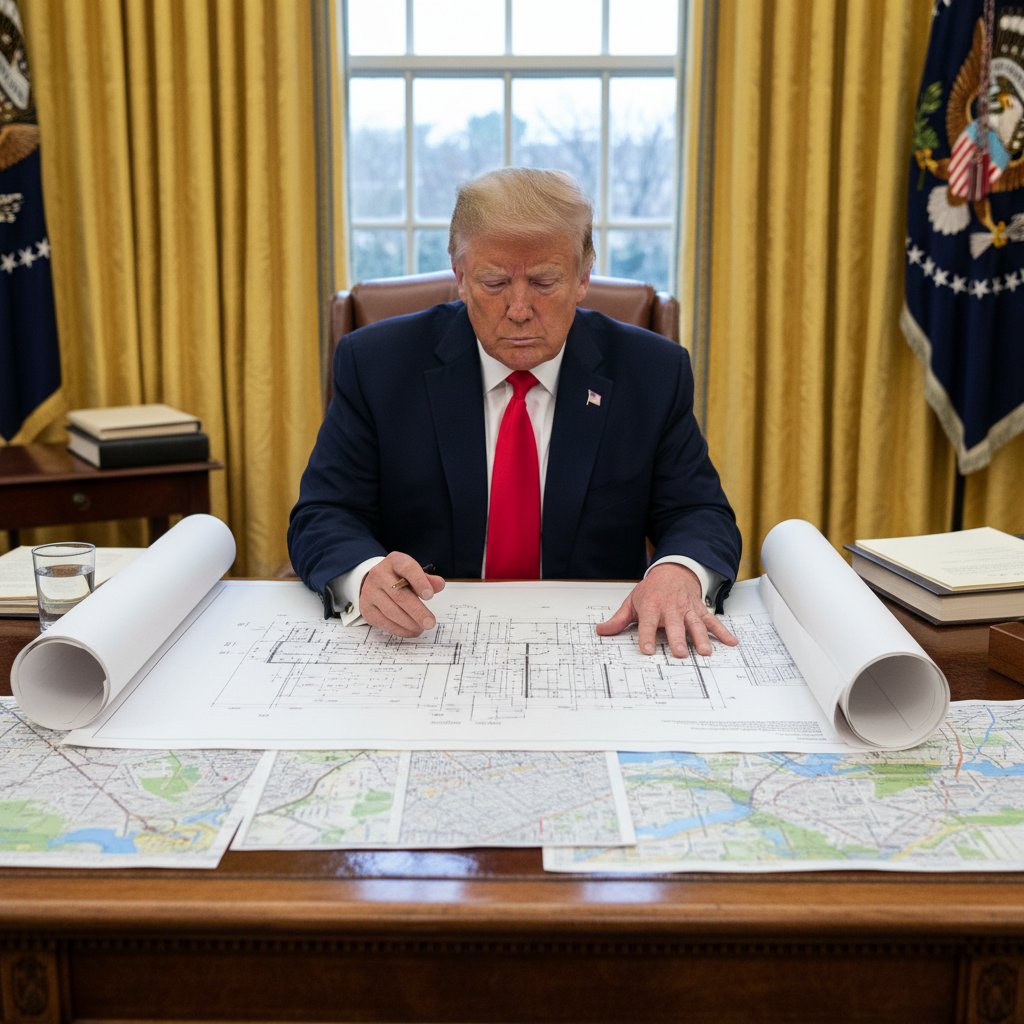
For President Trump, the interest in New York City zoning is both political and personal. Before his tenure in Washington, Trump spent decades navigating the Byzantine bureaucracy of the New York City Department of Buildings and the Board of Standards and Appeals. His perspective remains rooted in his identity as a developer.
Historically, Trump has characterized the city’s land-use review process (ULURP) as a "job killer" and a "disaster for growth." His recent comments suggest that despite the vast ideological gulf between his administration and the democratic socialist movement, the shared desire to strip away layers of regulatory "red tape" has created a "horseshoe theory" of urban development.
Mamdani’s Progressive Urbanism
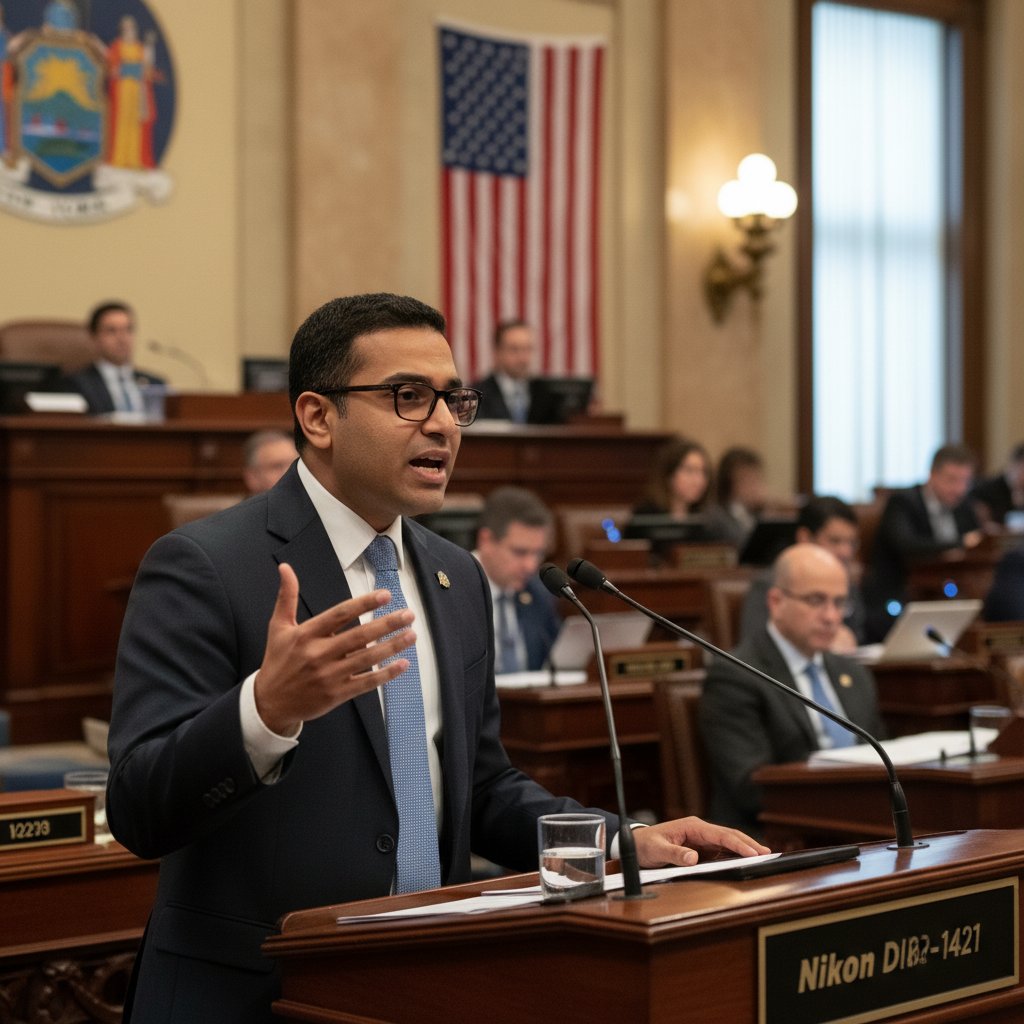
On the other side of the aisle, Zohran Mamdani—a leading voice for the New York City chapter of the Democratic Socialists of America (DSA)—approaches the issue from a perspective of affordability and public utility. While Trump views deregulation as a means to unlock private profit, Mamdani views the current zoning status quo as a barrier to socialized housing and high-density residential growth.
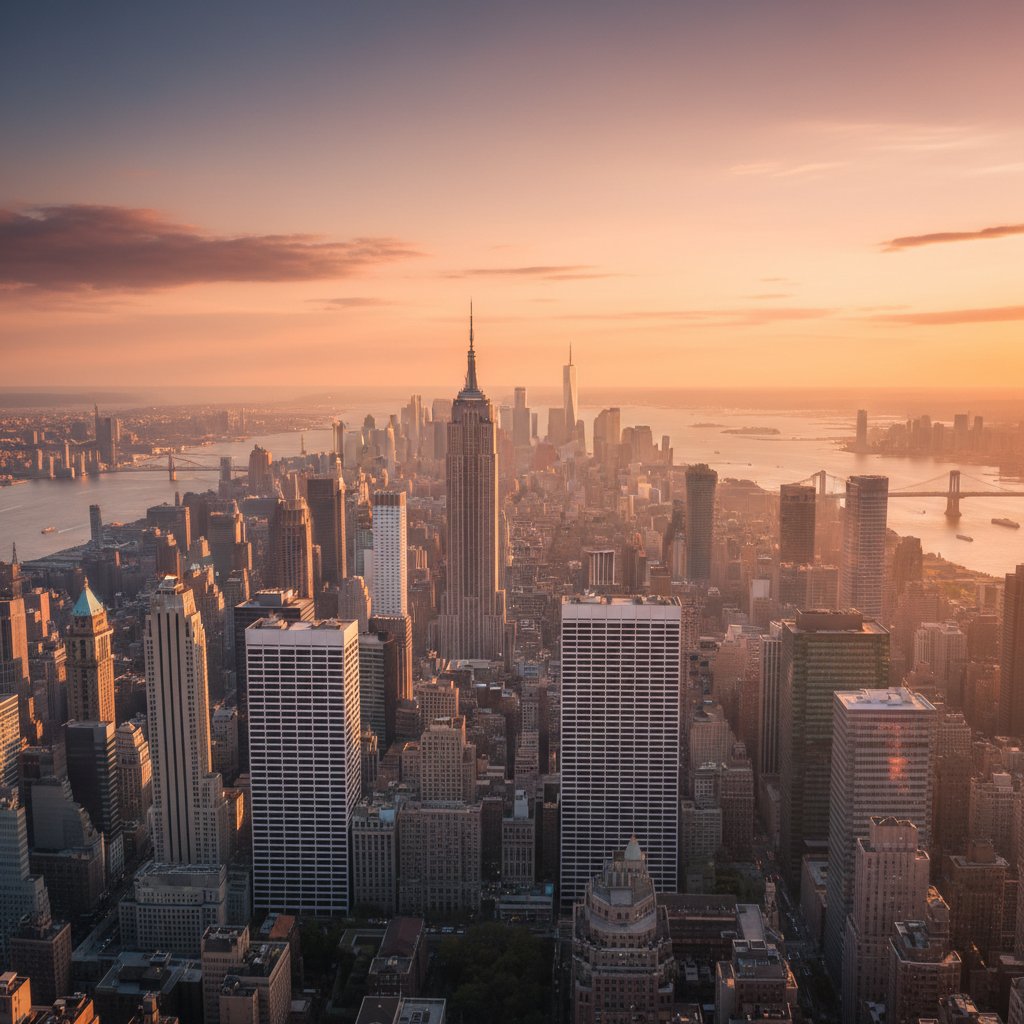
The housing crisis in New York City has reached a fever pitch in 2026, with vacancy rates hovering below 1% and average rents in Manhattan exceeding $5,500. Mamdani and his allies argue that the current zoning laws protect the "landed gentry" and wealthy homeowners in low-density neighborhoods at the expense of the working class.
"The current system is designed to say 'no,'" a spokesperson for Mamdani’s office noted earlier this week. "Whether you want to build social housing or market-rate apartments, the bureaucracy is the primary obstacle to making New York an affordable city for everyone."
The "City of Yes" and the National Context
The unlikely consensus comes as Mayor Eric Adams’ "City of Yes" initiative continues to face stiff opposition from local community boards. The plan aims to modernize zoning to allow for more "missing middle" housing—such as accessory dwelling units and small apartment buildings in areas previously restricted to single-family homes.
The White House’s interest in this local fight reflects a broader national trend. Across the United States, a bipartisan "YIMBY" (Yes In My Backyard) movement has gained momentum. Federal incentives are increasingly being discussed as a way to encourage cities to relax density restrictions, a move that the Trump administration sees as a way to stimulate the construction industry and bolster the national economy.
Comparing the Two Visions for New York
| Feature | Trump’s Perspective | Mamdani’s Perspective | | :--- | :--- | :--- | | Primary Goal | Economic growth and developer profit. | Housing affordability and social equity. | | View on ULURP | A bureaucratic nightmare that stalls projects. | A tool often used by NIMBYs to block density. | | Preferred Density | High-rise luxury and commercial hubs. | Mixed-income, high-density residential. | | Role of Government | Minimal; let the market dictate height and use. | Strong; mandate affordable units and public housing. |
Why This Matters for 2026
The convergence of these two figures highlights a significant shift in the politics of housing. When a Republican President with a real estate background and a socialist legislator agree that the system is broken, it signals that the status quo may no longer be tenable.
However, the "unlikely common ground" remains fragile. While both agree that the current laws should be dismantled, they differ fundamentally on what should replace them. Trump’s vision of a deregulated New York likely involves fewer mandates for affordable units, whereas Mamdani’s vision relies on them.
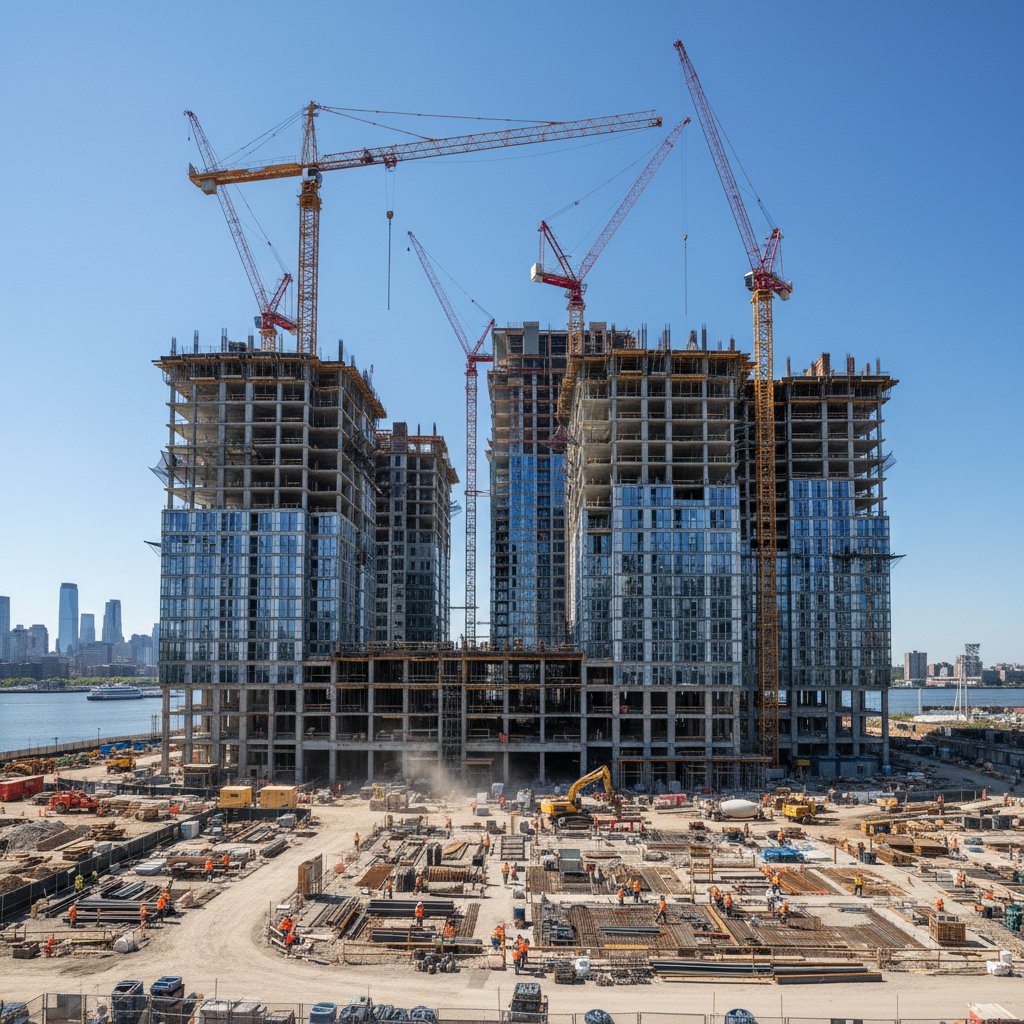
As New York City prepares for the next mayoral election cycle, the zoning debate is poised to become the central battleground. Candidates will now have to navigate a world where the President and the far-left are, for perhaps the first time, pointing their fingers at the same culprit.
Frequently Asked Questions
What is ULURP? The Uniform Land Use Review Procedure (ULURP) is the standardized process for reviewing applications that affect the city's land use. It involves community boards, borough presidents, and the City Council.
Why is zoning a national issue? Zoning affects housing supply, which in turn impacts inflation and labor mobility. The federal government is increasingly looking at local zoning as a factor in national economic health.
What is the "City of Yes"? It is a series of zoning text amendments proposed by the NYC Mayor’s office intended to support small businesses, increase housing, and promote environmental sustainability.