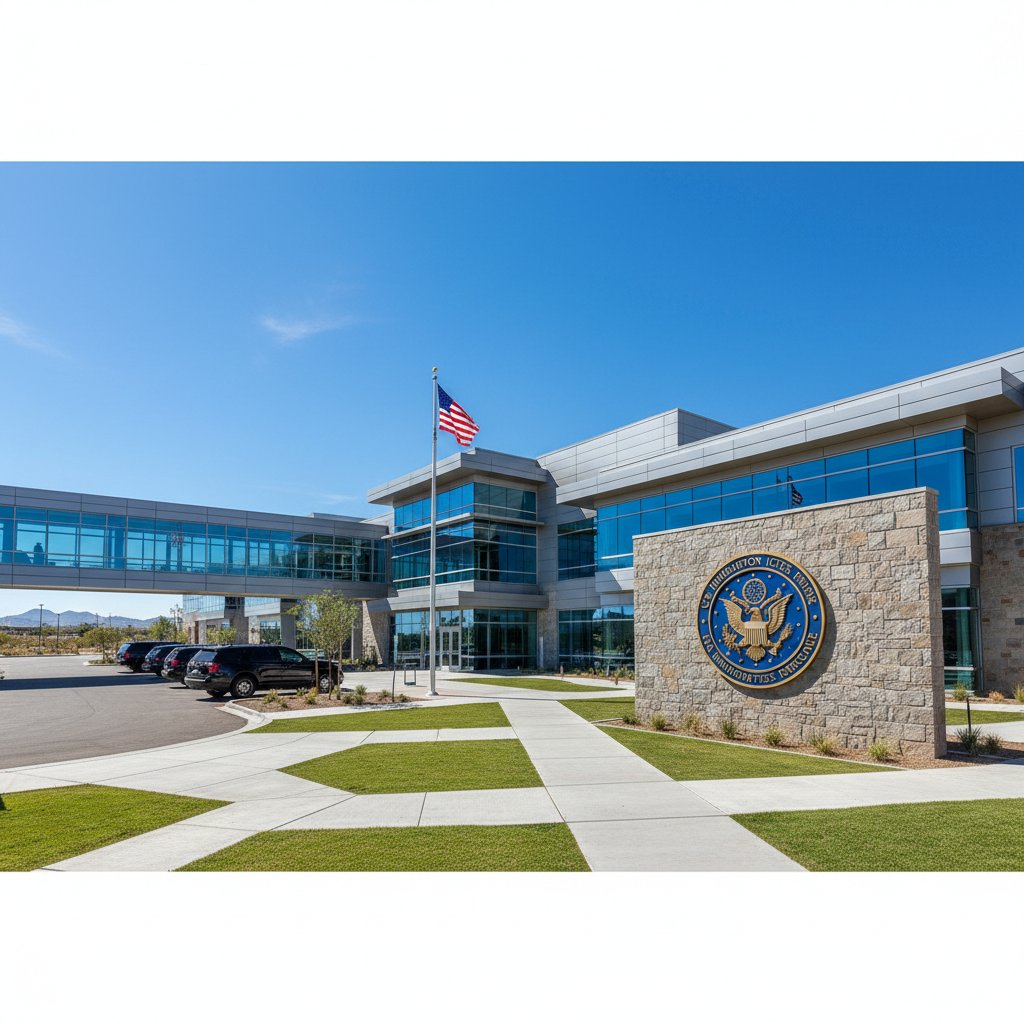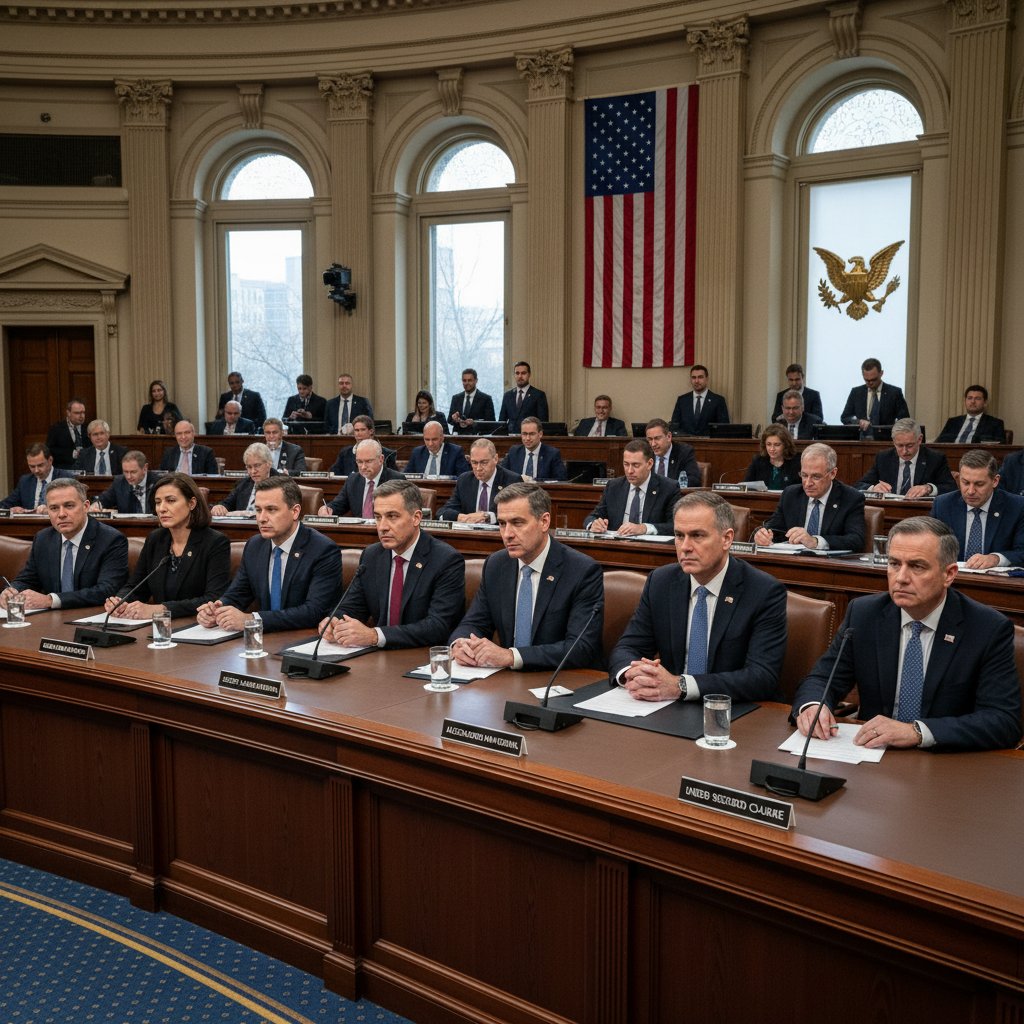
Top officials from the Department of Homeland Security (DHS), including the heads of U.S. Immigration and Customs Enforcement (ICE) and U.S. Customs and Border Protection (CBP), appeared before a House oversight committee this week to defend federal enforcement strategies. The hearings, which began on February 10, 2026, come amid heightened political tension regarding the execution of immigration law in major metropolitan areas and along the southern border.
The testimony was characterized by sharp exchanges between committee members and agency leadership. At the heart of the discussion were recent enforcement actions in cities such as Minneapolis, where local officials and federal agents have occasionally clashed over jurisdiction and the scope of deportation operations.
The Minneapolis Flashpoint
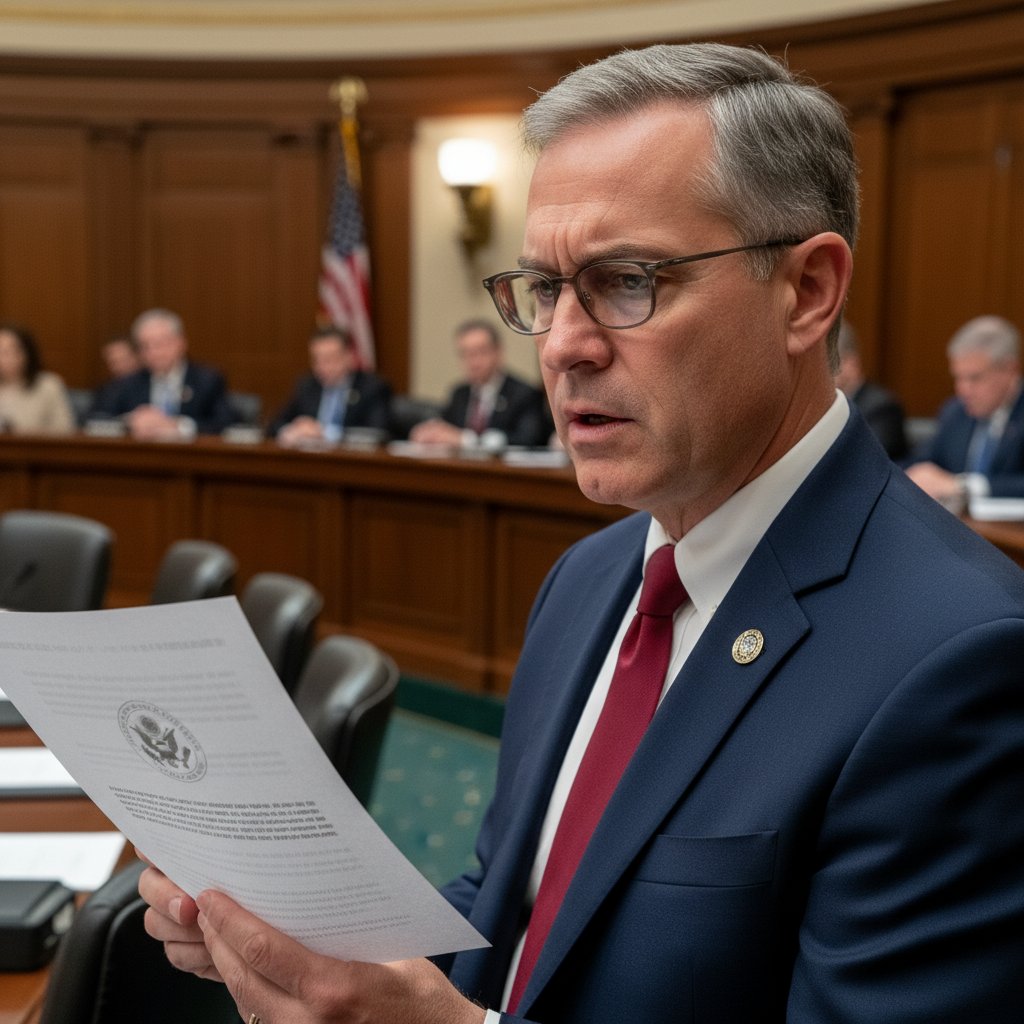
A significant portion of the hearing focused on federal activity in Minneapolis. Republican lawmakers expressed concerns that federal officers have been hindered by local "sanctuary" policies, while some Democratic members questioned whether the methods used by ICE agents in residential neighborhoods were proportional and transparent.
Agency leaders testified that their operations in Minnesota were strictly aligned with current federal mandates, focusing on individuals with existing removal orders or those deemed threats to public safety. However, internal memos cited during the hearing suggested a growing frustration within the rank-and-file of ICE regarding the lack of cooperation from municipal law enforcement.
The "Minneapolis model" of enforcement has become a surrogate for the broader national debate. For critics of the administration, it represents a failure to fully execute the law. For proponents of civil liberties, it represents an overreach of federal power into local communities.
Border Security and Resource Allocation
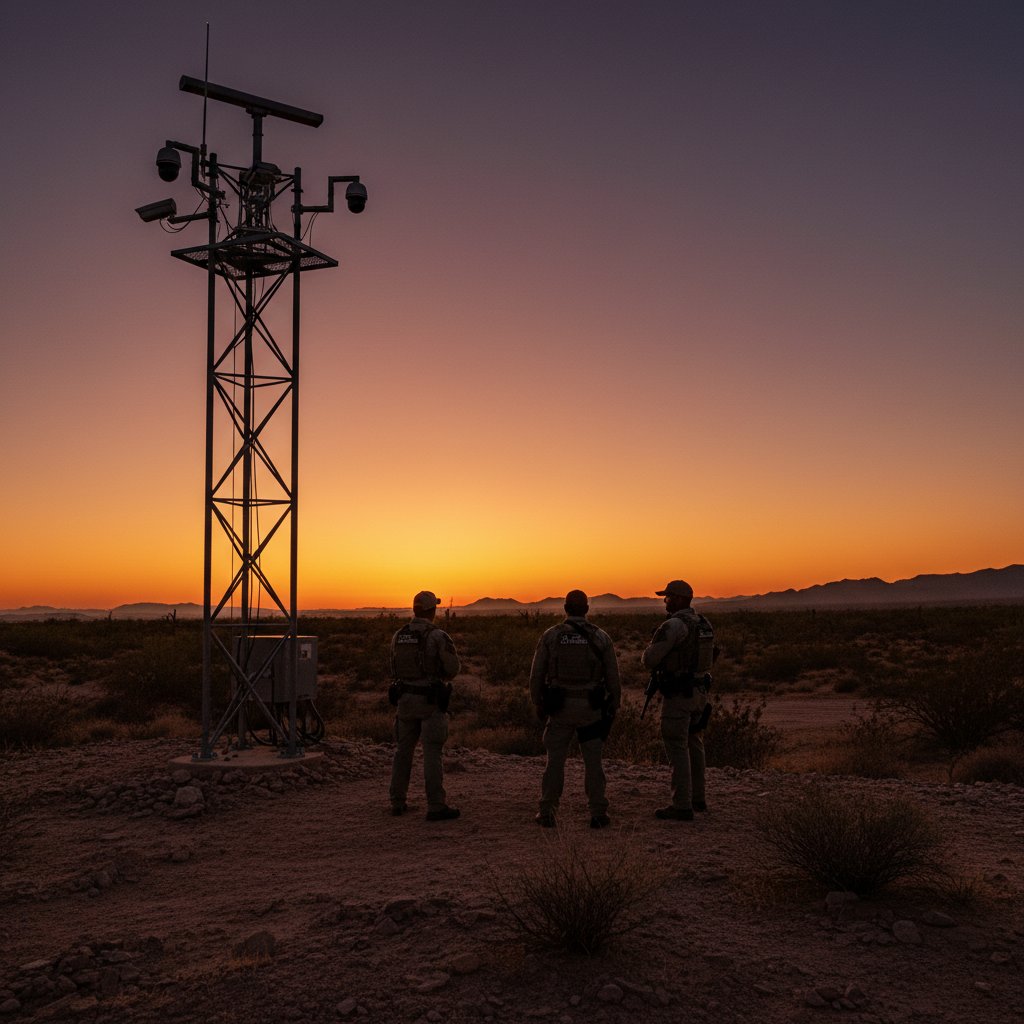
Beyond regional disputes, CBP Commissioner and ICE leadership provided updates on the state of the U.S. southern border. According to testimony, the agencies are grappling with a "multifaceted crisis" that involves not just migration volume, but a sophisticated increase in narcotics trafficking and the use of advanced technology by cartels.
The following table summarizes the key resource requests and current operational statuses reported during the hearing:
| Category | Status Reported | Funding Request (FY2026) |
|---|---|---|
| Border Surveillance Technology | 65% Coverage with AI-linkage | $1.2 Billion |
| ICE Enforcement Personnel | 8,500 Vacant Positions | $950 Million |
| Detention Facility Capacity | Operating at 92% | $2.1 Billion |
Political Friction and Policy Implementation
The hearing highlighted the deep ideological divide in Washington. Republicans on the committee focused their questioning on the "failure to deter" illegal crossings, pointing to statistics that show a steady flow of arrivals despite recent policy shifts. They argued that the administration’s focus on "humanitarian pathways" has diluted the enforcement mission of ICE and CBP.
In contrast, agency officials maintained that they are doing more with less. They highlighted the successful deportation of record numbers of individuals with criminal records over the last six months as evidence of a "targeted and effective" strategy. They argued that the focus should remain on high-priority targets rather than indiscriminate sweeps, which they claim are less efficient and more costly.
The Role of Technology and Oversight
One area of rare bipartisan interest was the use of facial recognition and biometric data in processing migrants. DHS officials confirmed that they are expanding the use of mobile biometric devices in the field, which allows agents to identify individuals against global watchlists in real-time.
While the efficiency gains were noted, civil rights advocates—represented in testimony by written statements—warned that the expansion of these databases requires more stringent oversight to prevent privacy violations and algorithmic bias.
Looking Ahead: The Path to Reform
The testimony concluded with a plea from DHS leadership for legislative clarity. Officials noted that while they can adjust enforcement priorities through executive memos, long-term stability in immigration policy can only be achieved through comprehensive congressional action.
For the American public, the hearing serves as a reminder of the complexities of modern immigration enforcement. As the 2026 legislative session continues, the data provided by ICE and CBP will likely form the basis for upcoming budget battles and policy proposals. Whether the two sides of the aisle can find common ground on resource allocation remains to be seen, but for now, the friction between federal enforcement and regional autonomy continues to define the landscape.