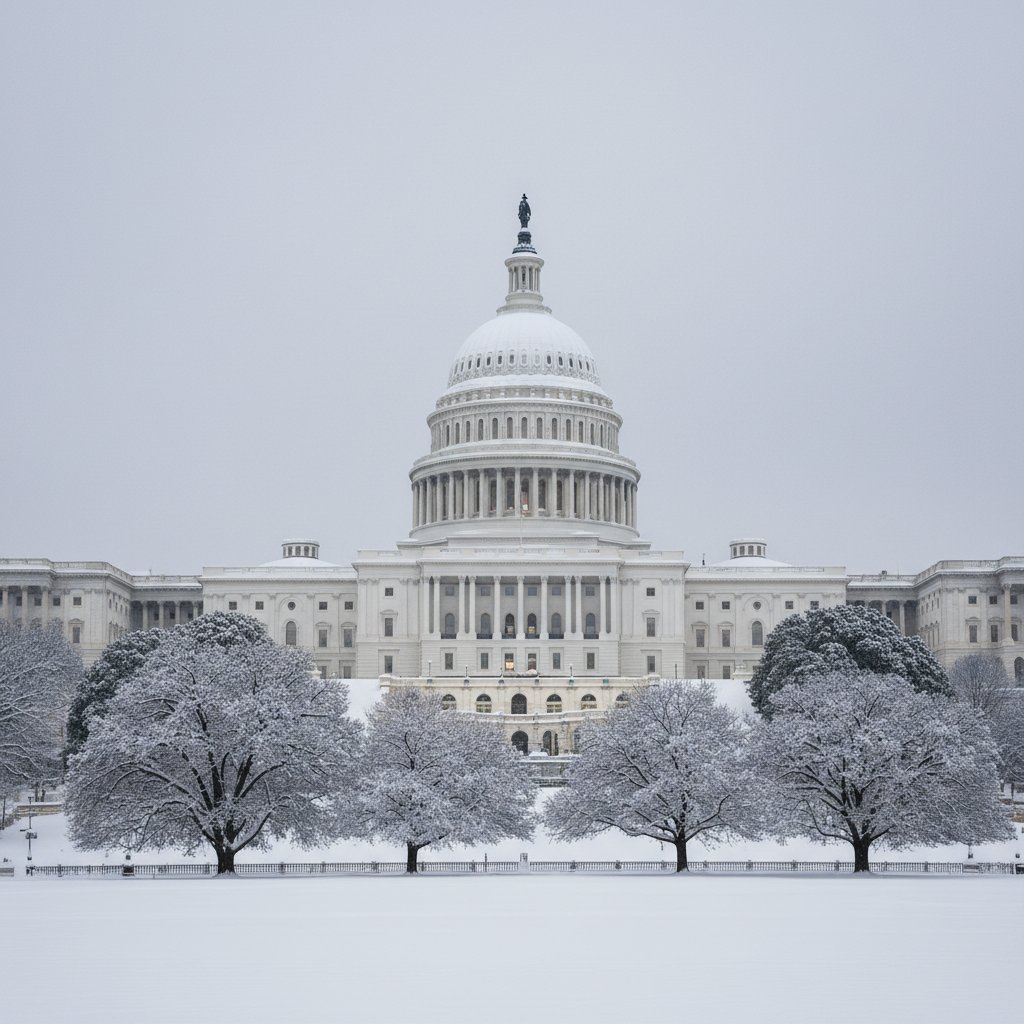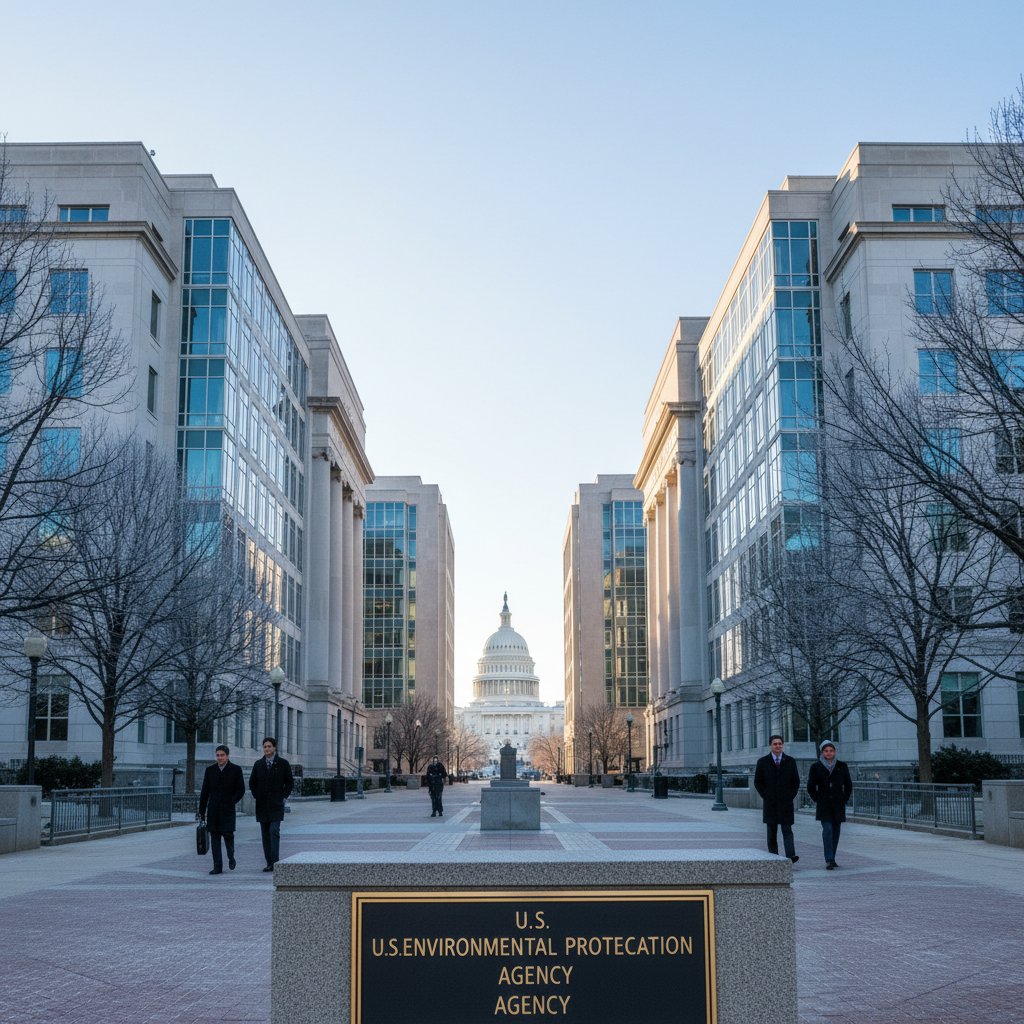
In a move that marks the most significant shift in American environmental policy in decades, the Environmental Protection Agency (EPA) formally revoked the 2009 "Endangerment Finding" on Thursday. This scientific determination, which concluded that greenhouse gases (GHGs) pose a threat to public health and welfare, has served as the legal foundation for nearly all federal climate regulations for the past 17 years.
The decision, announced by EPA leadership alongside newly appointed administration officials, effectively removes the federal government’s legal obligation to regulate carbon dioxide and other heat-trapping emissions under the Clean Air Act. The administration argued that the original 2009 finding was based on "flawed modeling" and that the economic costs of the resulting regulations have stifled American industrial competitiveness.
The Foundation of U.S. Climate Action
To understand the magnitude of this week’s announcement, one must look back to the 2007 Supreme Court case Massachusetts v. EPA. The court ruled that the EPA must regulate greenhouse gases if they were found to endanger public health. In 2009, under the Obama administration, the EPA issued that finding, citing a "clear and compelling" body of scientific evidence regarding the impacts of climate change, including extreme weather, sea-level rise, and heat-related illnesses.
By rescinding this finding, the current administration is not merely rolling back a specific rule—such as fuel efficiency standards or power plant limits—but is instead targeting the very root of the agency's authority to act on climate change. Without an Endangerment Finding, the legal mandate to curb emissions effectively evaporates.
A Rationale of Economic Growth and Deregulation
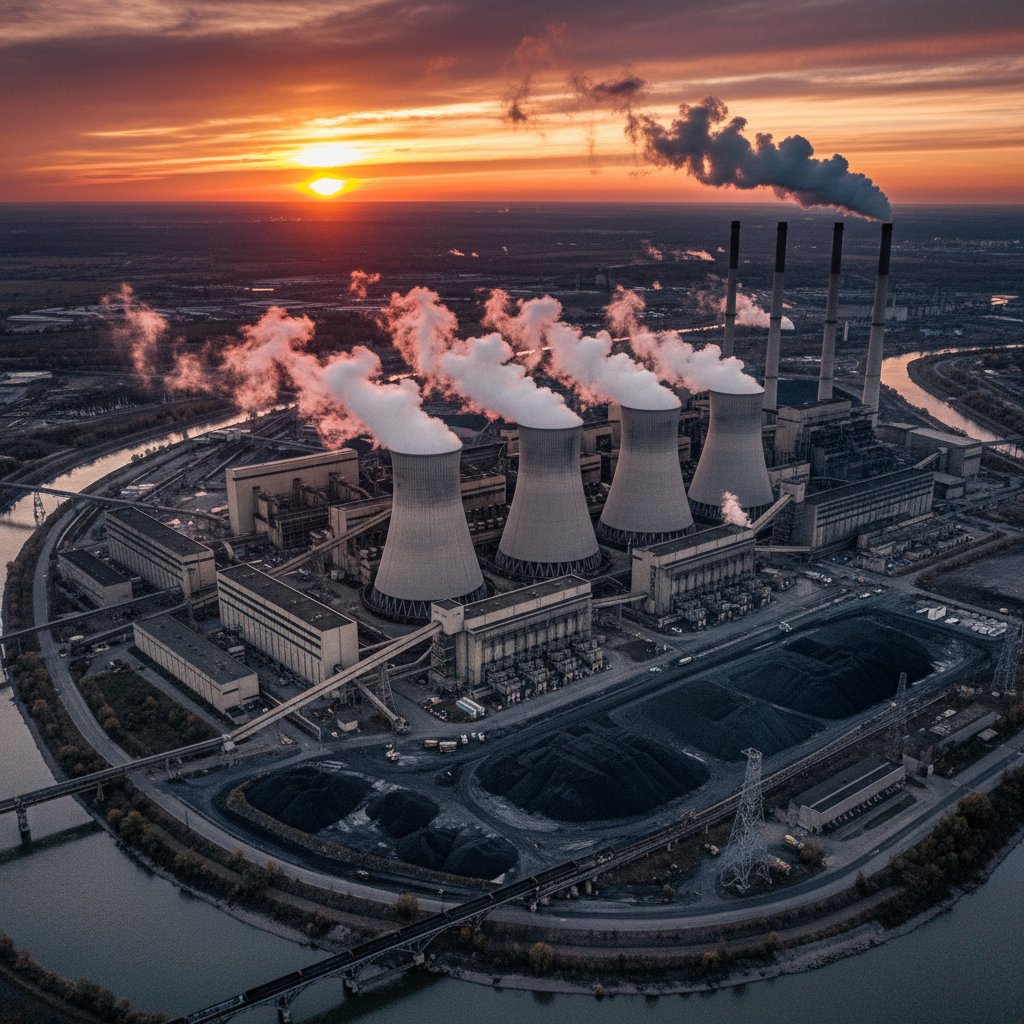
During a press briefing on Thursday, administration officials emphasized a "pro-growth" agenda. They argued that the revocation is a necessary step to unleash the "full potential of the American energy sector." The EPA’s new statement suggests that the agency will now focus on "tangible, local pollutants" like sulfur dioxide and particulate matter, rather than global atmospheric concentrations of carbon.
Industry groups, particularly in the coal and manufacturing sectors, have largely praised the move. They contend that the Endangerment Finding had become a "regulatory cudgel" used to phase out traditional energy sources. "This is a victory for the rule of law and for American workers," said one industry representative. "It returns the EPA to its original mission of protecting local air and water quality without overstepping into global economic management."
Immediate Legal and Scientific Backlash
The reaction from the scientific community and environmental advocates has been swift and overwhelmingly critical. Climate scientists argue that the evidence for human-caused warming has only become more robust since 2009. They point to the record-breaking global temperatures of 2024 and 2025 as clear indicators that the "endangerment" is not a matter of debate but an observed reality.
Attorneys General from at least 18 states, led by California and New York, have already announced their intention to sue the administration. Legal experts suggest the case will likely fast-track to the Supreme Court. The central question for the courts will be whether the EPA has provided a "reasoned explanation" for reversing a scientific conclusion that has been upheld by multiple previous courts and scientific bodies.
Global Implications and the Road Ahead
The revocation of the Endangerment Finding also sends a ripple effect through international diplomacy. As the world’s second-largest emitter of greenhouse gases, the United States' retreat from formal climate policy could undermine the stability of international agreements, such as the Paris Accord.
Critics warn that this move may lead to a "regulatory vacuum," where individual states are forced to create their own disparate standards, leading to a "patchwork" of rules that could ultimately frustrate the very businesses the administration seeks to help.
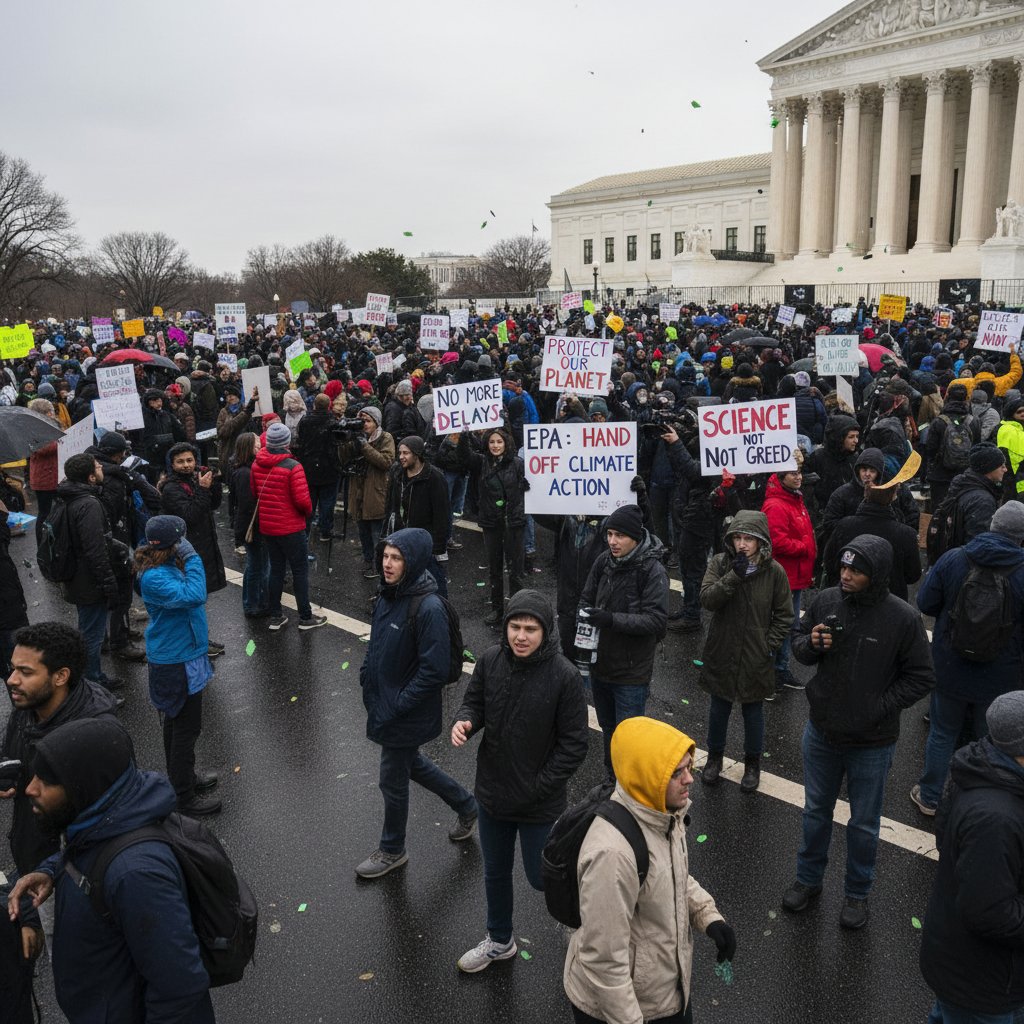
As the legal battle begins, the immediate future of U.S. climate policy remains in limbo. For now, the administration’s focus remains clear: a complete dismantling of the regulatory structures that have defined the American approach to the environment for nearly two decades.